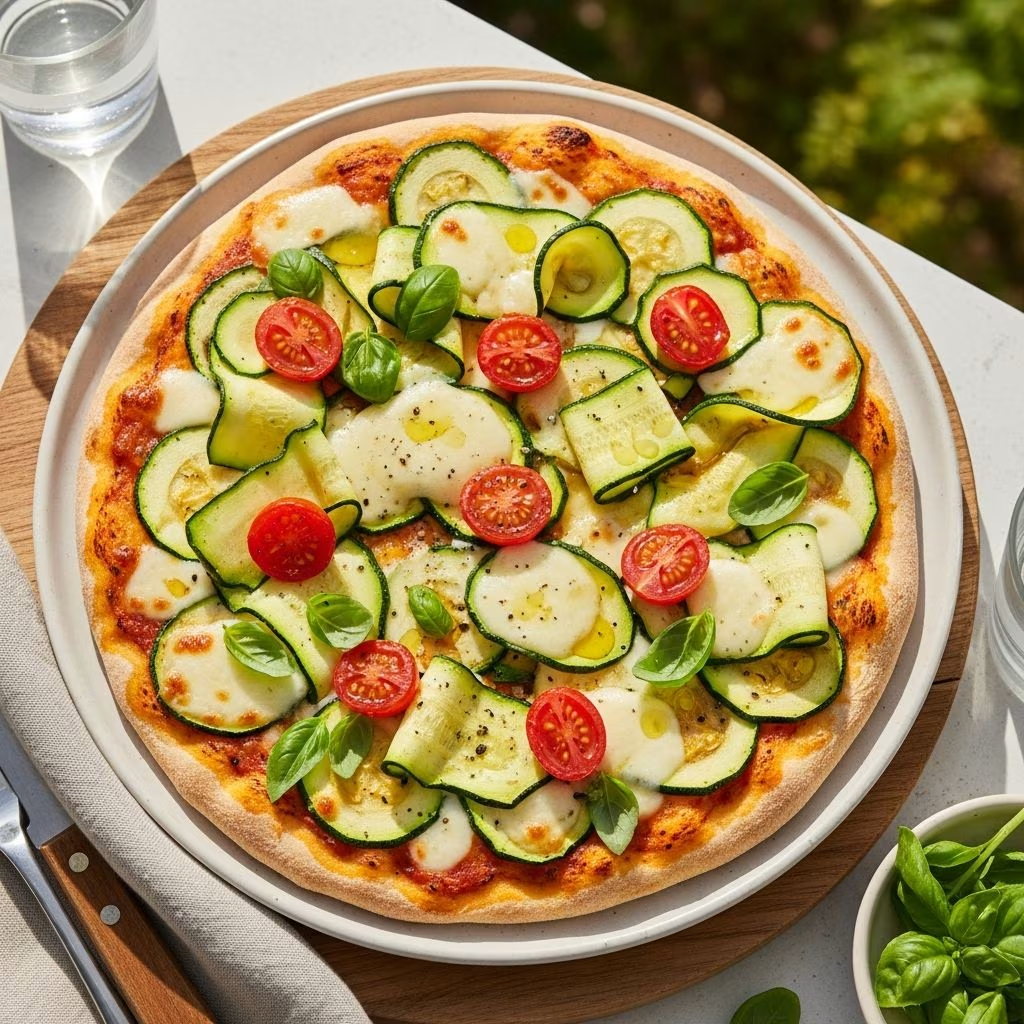
Zucchini pizza represents a lighter, more seasonal approach to traditional pizza-making. This vegetable-forward interpretation combines tender zucchini slices with melted cheese and aromatic seasonings, creating a dish that celebrates summer produce while maintaining the satisfying essence of classic pizza. Whether you’re planning a casual weeknight dinner or entertaining guests, understanding how to prepare this dish opens up numerous possibilities for creative variations.
Why Zucchini Makes an Excellent Pizza Topping
Zucchini offers several advantages as a pizza ingredient. Its mild flavor profile complements rather than overpowers other toppings, allowing supporting ingredients to shine. The vegetable’s high water content transforms into tenderness during baking, creating a delicate texture that contrasts beautifully with crispy crusts and melted cheese. Additionally, zucchini provides nutritional value including vitamins, minerals, and fiber while keeping the overall dish relatively light.
The versatility of zucchini extends to preparation methods. You can slice it into thin rounds for layered presentations, shred it for more integrated textures, or cut it into half-moons for decorative arrangements. Each technique produces distinct results and appeals to different aesthetic preferences and textural goals.
Essential Ingredients and Selection Guidelines
Creating exceptional zucchini pizza begins with thoughtful ingredient selection. The quality and freshness of each component directly influences the final dish’s success.
Zucchini Characteristics
Choose medium-sized or small zucchini for optimal results. These younger vegetables offer better texture and more delicate skin compared to their larger counterparts. Oversized zucchini tend toward wateriness and develop tougher outer layers. When shopping, select firm specimens without soft spots or blemishes. The skin should feel smooth and glossy, indicating freshness.
Cheese Selection and Combinations
Mozzarella serves as the foundation cheese in most preparations, providing excellent melting qualities and neutral flavor. Consider using freshly grated mozzarella rather than pre-shredded varieties, which contain anti-caking agents that can affect melting consistency. Complementary cheeses add complexity and depth. Options include:
- Goat cheese for tanginess and creamy texture
- Ricotta for richness and subtle sweetness
- Pecorino Romano for sharp, salty notes
- Fontina for nutty undertones
- Provolone for smoky character
Aromatics and Seasonings
Fresh garlic provides essential flavor foundation. Use either minced garlic mixed into spreads or thinly sliced garlic scattered atop the pizza. Fresh lemon introduces brightness and acidity that balances richness from cheese and oil. Italian herbs including basil, oregano, and thyme contribute authentic Mediterranean character. Red pepper flakes add subtle heat for those preferring spiciness.
Quality Base Components
Pizza dough quality significantly impacts the final product. Whether using store-purchased dough, pizzeria-sourced options, or homemade preparations, ensure the dough has adequate elasticity and flavor development. Olive oil should be extra virgin for best results, providing fruity notes and optimal emulsification properties. For sauce-based variations, use quality marinara or prepare pesto using fresh basil, garlic, nuts, and quality oil.
Preparation Techniques for Superior Results
Proper preparation of ingredients ensures even cooking and optimal flavor development. Zucchini requires specific handling to manage its water content and prevent soggy results.
Zucchini Processing Methods
For sliced round preparations, use a sharp knife or mandoline to create uniform thin slices approximately one-eighth inch thick. Consistency in thickness ensures even cooking across all pieces. If using shredded zucchini, employ the largest setting on a box grater to maintain some structural integrity. After shredding, place the zucchini in a colander, sprinkle with salt, and allow it to drain for fifteen to twenty minutes. This process removes excess moisture that could compromise crust texture. Gently press the drained zucchini with paper towels to extract additional moisture.
Dough Preparation and Stretching
Allow pizza dough to reach room temperature before stretching, typically thirty minutes to one hour. Room-temperature dough stretches more easily without tearing. Lightly oil your hands and work surface to prevent sticking. Gently stretch the dough by lifting it from the center and allowing gravity to help shape it, or use your fingertips to press it outward. Avoid overworking the dough, which can develop excessive gluten and create tough texture. Create a slightly thicker border around the perimeter to form a crust.
Assembly Strategies
Spread a thin base layer of olive oil across the entire dough surface, which prevents sogginess and promotes browning. Distribute cheese evenly to ensure every bite contains adequate melted cheese. Arrange zucchini slices in overlapping patterns for visual appeal and consistent coverage. Layer additional toppings thoughtfully, avoiding excessive weight that could compress the dough. A light drizzle of olive oil across the finished pizza enhances browning and flavor.
Baking Procedures and Temperature Guidelines
Oven temperature and positioning dramatically affect the final pizza quality. Preheating ensures consistent results throughout the cooking process. Most zucchini pizzas bake successfully at temperatures between 450°F and 500°F. Higher temperatures promote crust browning and cheese caramelization while maintaining zucchini tenderness. Position the oven rack at the lowest setting to allow the crust to cook thoroughly while toppings finish.
Baking duration typically ranges from twelve to fifteen minutes, though exact timing depends on oven characteristics and crust thickness. The pizza is finished when the crust achieves golden-brown color and the cheese appears bubbly with slight browning at the edges. If using a cast-iron skillet, the longer cook time allows the skillet to transfer heat upward, creating exceptionally crispy crusts.
Remove the pizza from the oven using a pizza peel or large spatula, allowing it to rest briefly on a cutting surface before slicing. This resting period allows cheese to set slightly, preventing excessive sliding when serving.
Flavor Profile Variations and Creative Directions
Zucchini pizza’s adaptability allows numerous interpretations across different flavor families and dietary preferences.
Mediterranean Inspired Preparations
Incorporate lemon zest, fresh basil, and quality olive oil for Mediterranean character. Add sun-dried tomatoes, Kalamata olives, or artichoke hearts for additional depth. Combine creamy goat cheese with tangy feta for complex flavor layers. Finish with fresh herbs post-baking to preserve their delicate qualities.
Protein-Forward Variations
Layer pancetta, bacon, or Italian sausage beneath or atop the zucchini for savory richness. Ground chicken, beef, or turkey mixed with herbs creates satisfying protein-based options. Anchovies provide umami intensity for those appreciating bold flavors. Prosciutto draped across the finished pizza adds elegance and salty character.
Summer Vegetable Combinations
Combine zucchini with yellow summer squash for visual variety and complementary flavors. Add roasted eggplant, caramelized onions, or fresh tomatoes for complexity. Incorporate roasted red peppers or roasted garlic for sweetness and depth. Fresh corn kernels introduce sweetness and textural contrast during summer months.
Herbaceous and Pesto-Based Options
Spread herb-based pesto across the dough before adding other toppings, creating vibrant green foundation layers. Basil pesto offers classic appeal, while arugula or cilantro pesto provide alternative herbaceous directions. Layer ricotta dollops across pesto-spread dough for creamy textural contrast. Finish with fresh microgreens or whole herb leaves for garnish.
Ingredient Substitutions and Dietary Accommodations
| Original Ingredient | Substitution Options | Impact |
|---|---|---|
| Mozzarella Cheese | Ricotta, cream cheese, dairy-free alternatives | Texture and flavor profile adjustments |
| Traditional Crust | Cauliflower crust, zucchini crust, gluten-free flour | Carbohydrate reduction, texture changes |
| Olive Oil | Avocado oil, coconut oil, clarified butter | Smoke point variations, subtle flavor shifts |
| Fresh Garlic | Garlic powder, roasted garlic, garlic salt | Intensity level adjustments |
| Pecorino Romano | Asiago, aged cheddar, Parmesan alternatives | Flavor intensity and saltiness variations |
Zucchini Pizza Boat and Bite-Sized Adaptations
Beyond traditional pizza presentations, zucchini accommodates alternative formats that expand serving possibilities. Zucchini boats involve halving lengthwise, removing centers, and filling the hollowed vessels with sauce, cheese, and toppings before baking. This approach creates elegant individual portions suitable for upscale entertaining or meal-prep applications.
Pizza bites utilize thick zucchini rounds, topping each slice as an individual canapé. Arrange rounds on baking sheets, top with sauce, cheese, and optional protein, then bake until the cheese melts and the zucchini becomes tender. These bite-sized portions work exceptionally well for appetizer platters, party gatherings, or easy lunch components.
Zucchini crust pizzas employ shredded zucchini mixed with eggs and cheese to form an entirely vegetable-based crust, significantly reducing carbohydrate content compared to traditional grain-based alternatives. The resulting crust achieves crispy edges while maintaining tender interiors, creating novel texture experiences.
Storage, Reheating, and Make-Ahead Planning
Leftover zucchini pizza stores safely in airtight containers within the refrigerator for three to four days. Reheat slices in a 350°F oven for five to eight minutes, restoring crispness more effectively than microwave methods. For freezer storage, wrap individual slices tightly in plastic wrap and foil, then transfer to freezer bags. Properly frozen pizza maintains quality for approximately two months.
Make-ahead preparations enhance convenience for busy schedules. Prepare pizza dough in advance, storing it in the refrigerator for up to two days or freezing for extended periods. Pre-slice zucchini and store it in containers with paper towels that absorb excess moisture. Combine dry ingredients for seasoning mixtures, and prepare pesto or garlic pastes in advance, allowing flavors to develop while simplifying assembly day.
Frequently Asked Questions
How do I prevent my zucchini pizza from becoming soggy?
Several techniques combat sogginess. First, salt sliced zucchini and allow drainage before using. Second, apply a protective oil layer across the dough before adding toppings. Third, use appropriate oven temperature and positioning to ensure adequate heat reaches the crust. Finally, avoid excess sauce or wet toppings that could oversaturate the dough.
Can I make zucchini pizza with store-bought dough?
Yes, store-bought pizza dough works excellently for zucchini pizza preparations. Allow it to reach room temperature before stretching for easier handling. Quality store dough provides convenience without sacrificing results.
What oven temperature produces the crispiest crust?
Higher temperatures between 475°F and 500°F generally produce crispier crusts compared to lower temperature settings. Ensure your oven preheats thoroughly before placing the pizza inside. Cast-iron skillets also enhance crispiness through improved heat distribution and retention.
Can I prepare zucchini pizza dough the night before?
Yes, refrigerating dough overnight actually benefits flavor development through slow fermentation. Remove it from refrigeration thirty minutes before stretching to allow it to reach workable temperature.
What wine pairings complement zucchini pizza?
Light, crisp white wines including Pinot Grigio, Sauvignon Blanc, or Vermentino pair beautifully with zucchini pizza’s fresh, bright flavors. Rosé also provides excellent compatibility for summer serving occasions.
Conclusion and Culinary Significance
Zucchini pizza represents a thoughtful approach to seasonal cooking that honors fresh produce while maintaining the comfort and satisfaction associated with traditional pizza. By understanding ingredient selection, preparation techniques, and flavor combinations, home cooks can create restaurant-quality pizzas that celebrate summer’s vegetable abundance. Whether preparing simple preparations for weeknight meals or elaborate presentations for entertaining, zucchini pizza’s versatility ensures it remains a valuable addition to any cook’s repertoire.
References
- Zucchini Pizza Recipe — Kitchen Konfidence. 2016. https://www.kitchenkonfidence.com/2016/06/zucchini-pizza-recipe
- Zucchini Pizza: The Best Summer Pizza — Sip and Feast. https://www.sipandfeast.com/zucchini-pizza/
- Roman Zucchini Pizza — What’s Gaby Cooking. https://whatsgabycooking.com/roman-zucchini-pizza/
- Zucchini Pizza Bites — The Comfort of Cooking. https://www.thecomfortofcooking.com/zucchini-pizza-bites/
- Skillet Zucchini Pesto Pizza — Running to the Kitchen. https://www.runningtothekitchen.com/skillet-zucchini-pesto-pizza/
- Zucchini Pizza Boats: Easy, Healthy Dinner — Well Plated. https://www.wellplated.com/zucchini-pizza-boats/