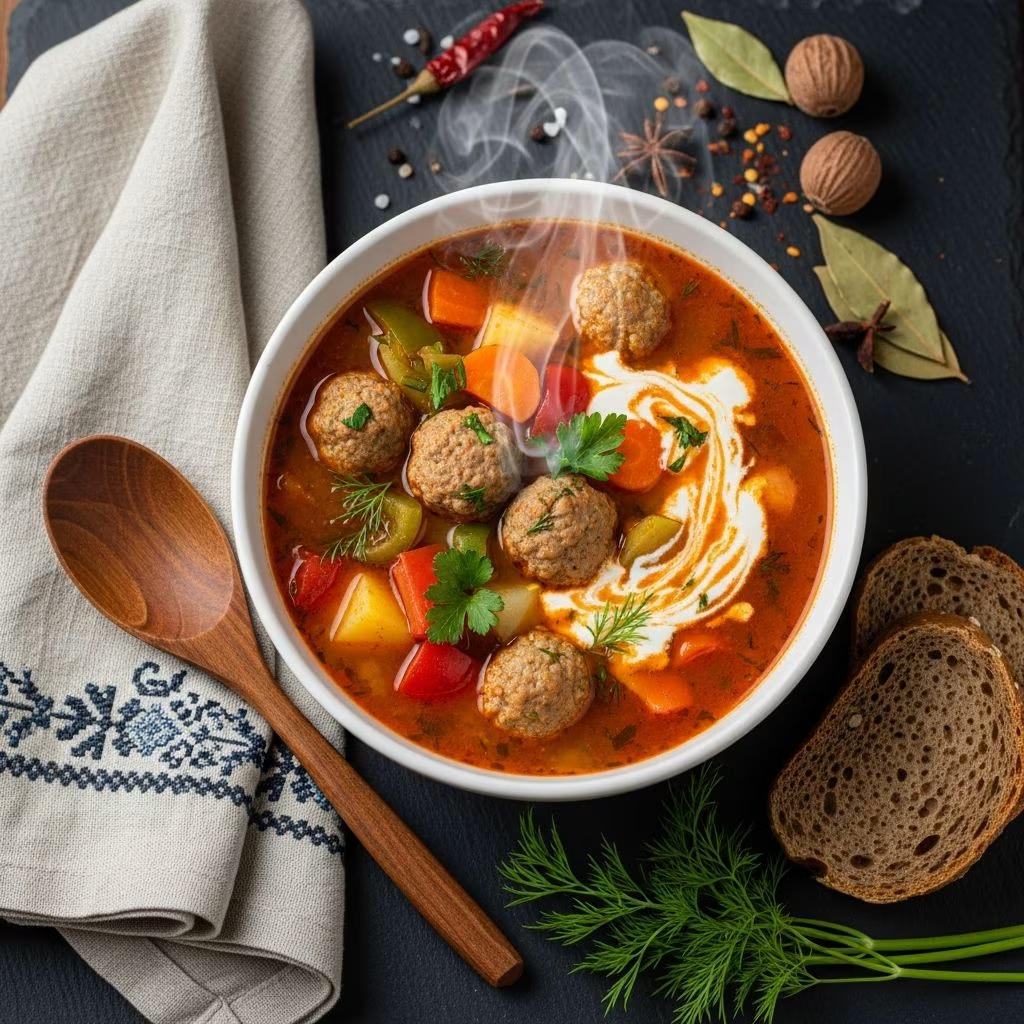
Balkan cuisine represents centuries of culinary tradition deeply rooted in the cultures of Southeast Europe. Among the most cherished dishes is a hearty meatball soup that exemplifies the region’s approach to home cooking—simple ingredients transformed through technique and patience into something deeply satisfying. This traditional preparation combines ground meats with aromatic seasonings, vegetables, and a carefully built broth that tells the story of generations of family meals.
Understanding the Balkan Culinary Heritage
The Balkans encompass a diverse region with distinct cooking practices that have evolved through centuries of cultural exchange and local agricultural traditions. Soups hold particular significance in this culinary landscape, often serving as the centerpiece of family gatherings and celebrations. The meatball soup represents more than a simple dish—it embodies the resourcefulness and flavor-forward thinking characteristic of Balkan home cooks.
This particular preparation draws from the region’s tradition of combining beef and pork, a combination that creates depth and complexity in both the meatballs and the resulting broth. The use of fresh herbs, particularly parsley and thyme, alongside more robust seasonings reflects the balance Balkan cooks achieve between preserving traditional flavors and adapting to available ingredients.
The Foundation: Crafting the Perfect Meatball Mixture
The success of this soup begins with properly constructed meatballs. Unlike some preparations that rely on breadcrumbs alone, the Balkan approach often incorporates a binder that ensures moisture and tenderness throughout cooking. The combination of ground pork and ground beef in equal proportions creates a balanced flavor profile—the pork contributes richness and slight sweetness, while the beef provides savory depth.
Essential Components of the Meat Base
- Ground pork and ground beef in equal quantities for balanced flavor development
- A binding agent consisting of soaked breadcrumbs or panko to retain moisture during cooking
- Fresh garlic minced finely for even distribution of flavor throughout each meatball
- Diced onion that adds subtle sweetness and umami character
- One egg as the primary binder and structure provider
- Fresh thyme and dried oregano for herbaceous complexity
- Salt and freshly ground black pepper for foundational seasoning
The preparation method matters significantly. Rather than immediately forming meatballs from the raw mixture, allowing the binder to absorb liquid for several minutes creates a more cohesive texture. This panade method, though simple, makes a notable difference in the final result by ensuring each meatball remains tender and juicy despite the long cooking time in broth.
Building the Aromatic Foundation
Before introducing the meatballs to the pot, careful preparation of the broth foundation ensures a deeply flavored soup. This aromatic base—known in culinary terms as a soffritto in Italian cooking or a mirepoix in French techniques—serves as the flavor platform for the entire dish. Though Balkan cooking predates these named techniques, the principle remains consistent: slowly cooking aromatics develops natural sweetness and complexity.
The Vegetable Foundation Process
| Ingredient | Quantity | Purpose | |
|---|---|---|---|
| Yellow onion, diced | 1 medium onion | Provides sweetness and body to the broth | |
| Garlic, minced | 2-3 cloves | Adds pungent, savory depth | |
| Tomato paste | 2 tablespoons | Concentrates umami and adds color | |
| Olive oil | 2 tablespoons | Carries flavors and provides cooking medium |
The cooking process begins with heating olive oil in a large pot over medium-high heat. Once the oil reaches the proper temperature—hot enough to hear a gentle sizzle when vegetables contact the surface—the diced onion enters first. Cooking the onion for approximately three to four minutes allows its natural sugars to begin caramelizing, creating a sweet, complex base. The minced garlic follows, requiring only a minute or two of cooking to release its aromatic compounds without allowing it to brown, which would introduce bitterness.
The addition of tomato paste represents a crucial step that many home cooks overlook. Rather than simply stirring it into the vegetable mixture, allow it to cook for one to two minutes in the hot oil and vegetables. This process, called blooming, allows the tomato paste to deepen in color and concentrate its flavors, transforming it from a bright, acidic ingredient into something mellow and savory.
The Liquid Component: Creating Rich Broth
The broth serves as the canvas upon which all other flavors paint their contributions. Traditional Balkan meatball soup relies on beef stock as the primary liquid, chosen for its ability to complement the rich meat content of the meatballs while adding further savory depth. The quantity and quality of this stock directly influence the final soup’s character.
When building the broth, approximately one quart of beef stock provides sufficient liquid to create a hearty but not overly soupy consistency. The addition of a single anchovy might seem unusual, but this ingredient contributes umami complexity that lingers subtly in the background, enhancing rather than dominating the flavor profile. The anchovy dissolves completely during cooking, leaving no trace of its presence in the final dish beyond the subtle enhancement it provides.
Seasoning the broth requires careful attention and adjustment throughout the cooking process. Initial seasoning with kosher salt should be conservative, as the broth will reduce and concentrate flavors. Additional adjustment can occur near the end of cooking once the final volume and concentration become apparent.
Assembly and Cooking Method
The assembly of the soup follows a specific sequence that ensures optimal texture and flavor development. After the aromatic base has been established and the broth begins to simmer, the meatballs enter the pot. Their placement requires gentleness—the mixture, though bound, remains delicate in its raw state. Using a spoon to gently lower each meatball into the simmering liquid prevents breaks and ensures they cook evenly.
The meatballs require approximately fifteen to twenty minutes of simmering to cook through completely. During this time, the broth gradually incorporates the meat juices and fat, becoming progressively richer and more flavorful. This is not a time for vigorous boiling; a gentle simmer maintains the structural integrity of the meatballs while allowing thorough cooking.
Final Components and Finishing Touches
Traditional Balkan meatball soup often includes additional ingredients that add texture and nutrition to the final dish. Dried pasta, typically small shapes like orzo or ditalini, cooks directly in the broth near the end of the cooking process, absorbing broth flavors while contributing subtle texture. The timing of pasta addition matters—adding it too early results in overcooking and loss of structure, while late addition prevents proper hydration and cooking.
Fresh greens, particularly Swiss chard or spinach, provide color contrast and nutritional balance. These ingredients are added during the final minutes of cooking, allowing them to wilt slightly into the soup while maintaining their vibrant appearance and nutritional value. The warmth of the broth wilts the greens perfectly without requiring separate cooking.
A squeeze of fresh lemon juice added just before serving brightens the soup’s flavors, cutting through the richness of the broth and meatballs while adding a subtle complexity that makes other flavors more pronounced. This acidic note represents the final balance that transforms a good soup into an exceptional one.
Serving Suggestions and Accompaniments
Traditional Balkan service often includes crusty bread for dipping and soaking up the flavorful broth. A dollop of sour cream stirred into individual bowls adds creaminess and subtle tang that complements the soup’s savory character. Fresh parsley scattered over the top provides both visual appeal and herbaceous freshness.
For those preferring additional richness, a small amount of grated cheese—either a sharp white cheese traditional to the region or a more widely available Parmesan—can be offered separately for individual customization. This approach respects the traditional preparation while accommodating modern preferences.
Nutritional Considerations
This meatball soup provides substantial nutritional value beyond its comforting qualities. The combination of beef and pork offers complete proteins containing all essential amino acids, while the variety of vegetables contributes vitamins, minerals, and dietary fiber. The broth, particularly when made from quality stock, contains collagen and gelatin that support bone and joint health.
The pasta component adds carbohydrates that provide energy and satiety, while the greens contribute micronutrients and additional fiber. The overall nutritional profile creates a genuinely balanced meal in a single bowl, reflecting the practical nutritional wisdom of traditional home cooking.
Storage and Make-Ahead Preparation
This soup improves with time as flavors meld and develop further depth. Proper storage in refrigerator-safe containers allows enjoyment throughout the week. The soup maintains quality for three to four days when kept at proper refrigeration temperature. For longer storage, freezing in portions preserves the soup for up to three months, though the pasta may soften slightly upon thawing.
Many home cooks prepare the meatball mixture in advance, forming and refrigerating the meatballs hours or even a day before cooking. This advance preparation allows the flavors to develop while keeping the actual cooking time manageable on busy days. The broth base itself can be prepared separately, with assembly happening shortly before serving for optimal texture and appearance.
Variations and Adaptations
While the traditional recipe represents a time-tested approach, thoughtful adaptations honor both the original spirit and modern preferences. Some preparations incorporate additional vegetables such as carrots, celery, or bell peppers, increasing the nutritional density and textural variety. Others substitute different greens or omit the pasta entirely for lower-carbohydrate versions.
The herbs can be adjusted according to availability and preference—some cooks favor dill alongside the thyme, while others emphasize parsley’s fresh character. These modifications represent natural evolution rather than departure from tradition, reflecting how home cooking adapts across generations and households.
Frequently Asked Questions
Can I use ground turkey instead of the pork and beef combination?
While turkey creates a lighter version, it lacks the richness that makes this soup distinctive. If substituting, increase the aromatics and consider adding a small amount of butter to the broth to compensate for reduced fat content. The traditional combination of beef and pork remains optimal for flavor and texture.
How do I prevent the meatballs from falling apart during cooking?
Ensuring proper binding through adequate egg and breadcrumb incorporation matters significantly. Additionally, allowing the mixture to rest in the refrigerator for thirty minutes before forming meatballs helps firm the mixture. Gentle handling during addition to the broth and maintaining a gentle simmer rather than aggressive boiling preserves structural integrity.
What type of pasta works best in this soup?
Small, sturdy shapes like orzo, ditalini, or small shells work optimally. These shapes cook relatively quickly and maintain structure better than delicate varieties. Avoid thin noodles that may become mushy or break apart during the cooking process.
Can I make this soup in advance?
Yes, this soup actually improves when prepared ahead. The broth and meatballs can be prepared separately and combined when ready to serve. Store in an airtight container in the refrigerator for up to four days or freeze for longer storage.
Is there a vegetarian version possible?
While a vegetarian interpretation is possible using legumes or mushroom-based meatballs, it represents a significant departure from the traditional preparation. The dish’s character depends substantially on the meat component and resulting broth richness.
References
- Mediterranean Diet: Components and the Protective Effects of the Mediterranean Diet — U.S. National Library of Medicine/NIH, National Center for Biotechnology Information. 2023. https://www.ncbi.nlm.nih.gov/pmc/articles/PMC6920062/
- The Umami Information Center: What is Umami? — Umami Information Center. 2024. https://www.umamiinfo.com/
- Balkan Cuisine and Cultural Heritage — UNESCO Intangible Cultural Heritage. 2023. https://ich.unesco.org/
- Nutritional Benefits of Bone Broth and Collagen — Journal of the International Society of Sports Nutrition. 2019. https://jissn.biomedcentral.com/
- Food Safety and Storage Guidelines for Soups — U.S. Department of Agriculture Food Safety and Inspection Service. 2024. https://www.fsis.usda.gov/