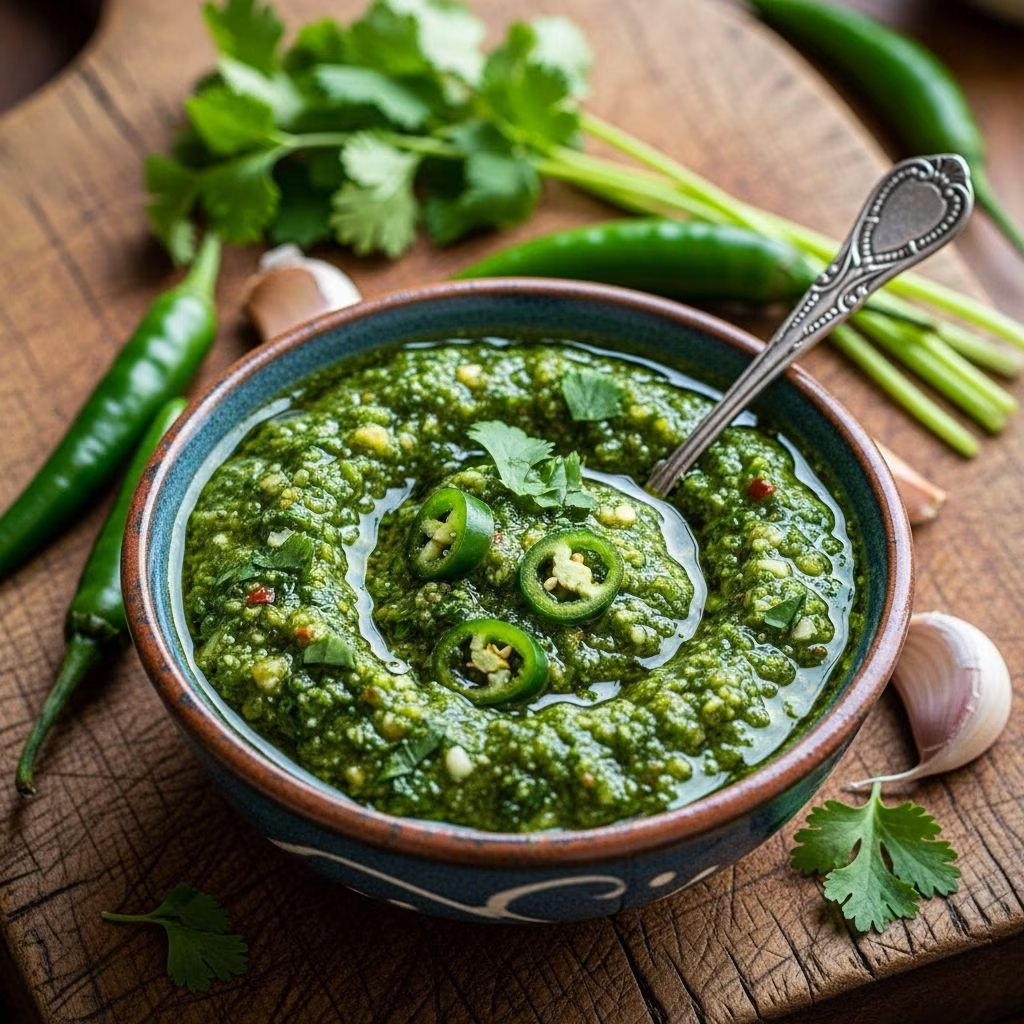
Zhug, a captivating green condiment from Yemen, delivers an explosive mix of heat, freshness, and aromatic depth that elevates any dish it touches. This versatile sauce, also known as zhoug or skhug, combines lush herbs like cilantro and parsley with potent chilies, garlic, and warming spices, creating a paste that’s both punchy and addictive.
The Origins and Cultural Journey of Zhug
Rooted in Yemenite cuisine, zhug emerged as a staple among communities where bold flavors define daily meals. Its name derives from the Arabic word for ‘grind,’ reflecting the traditional mortar-and-pestle preparation that releases essential oils from spices and herbs. Yemeni Jews brought zhug to Israel during mass immigrations in the 1950s, where it quickly became a beloved element in falafel stands, shawarma shops, and home kitchens across the Middle East.
Today, zhug’s influence spans beyond its homeland, appearing in Israeli street food, Palestinian dishes, and even modern fusion recipes worldwide. Its green hue comes primarily from fresh cilantro, often mixed with parsley for added complexity, while red versions incorporate tomatoes for a chunkier, tangier profile. This sauce embodies Yemen’s culinary heritage, where spice isn’t just flavor—it’s a celebration of resilience and community.
Essential Ingredients That Define Zhug’s Flavor
At its core, zhug relies on a harmonious balance of heat, earthiness, and brightness. Here’s a breakdown of the key components:
- Chilies: Fresh green Thai bird, jalapeños, or serranos provide the signature fire, ranging from 3,000 to 10,000 Scoville Heat Units. Seeding reduces intensity while keeping the fresh bite.
- Herbs: Cilantro leads, with parsley adding a milder, parsley-forward note. Use leaves and tender stems for maximum vibrancy—about 2 cups loosely packed.
- Spices: Toasted cumin, coriander, cardamom, and black pepper form the aromatic backbone. Whole seeds ground fresh yield superior potency.
- Garlic and Acid: Roughly chopped cloves and lemon juice or zest cut through richness, enhancing freshness.
- Oil and Salt: Extra-virgin olive oil emulsifies the paste, while kosher salt amplifies all flavors.
Variations might include caraway for peppery notes or mint for a cooling twist, but the classic remains herb-dominant and fiercely spicy.
Step-by-Step Guide to Crafting Authentic Zhug
Making zhug at home is straightforward, taking under 15 minutes with a food processor or mortar. Toast spices first to unlock their oils, then build layers of flavor. This yields about 1 cup, perfect for a week’s worth of meals.
Classic Green Zhug Recipe
| Ingredient | Quantity |
|---|---|
| Cumin seeds | ½ tsp |
| Coriander seeds | ¼ tsp |
| Cardamom seeds (optional) | ¼ tsp |
| Garlic cloves | 4 medium, chopped |
| Green chilies (jalapeños or bird’s eye) | 4-6, seeded |
| Kosher salt | 1 tsp |
| Cilantro and parsley | 2 cups mixed |
| Olive oil | ½ cup |
| Lemon juice | 1 Tbsp |
- Toast cumin, coriander, and cardamom in a dry skillet over medium heat for 1-2 minutes until fragrant. Grind into powder with black pepper using a mortar or spice grinder.
- Pulse garlic, chilies, and salt in a food processor to a coarse paste.
- Add herbs in batches, pulsing to chop finely without pureeing smooth—aim for ⅛-inch texture.
- Stream in oil and lemon juice while processing to emulsify. Taste and adjust salt or heat.
- Store in a jar; it keeps refrigerated for weeks, flavors deepening over time.
For a mortar-and-pestle method, pound spices first, then garlic and chilies, incorporating herbs gradually before drizzling oil. This traditional approach yields a more rustic consistency.
Variations to Suit Every Palate
Zhug’s adaptability makes it endlessly customizable. Experiment with these twists:
- Red Zhug: Swap green chilies for red, add quartered tomatoes for color and mild sweetness. Thin with water for a spoonable sauce.
- Mint Zhug: Incorporate fresh mint leaves for a refreshing counterpoint to the heat, ideal with roasted veggies or eggs.
- Milder Version: Use fewer chilies or bell peppers; boost lemon for tang without fire.
- Quick Blender Zhug: Add 2 Tbsp water for a looser dip, perfect for blending into hummus.
These adaptations maintain zhug’s essence while tailoring heat and texture to preferences.
Creative Ways to Use Zhug in Your Cooking
Zhug transcends its origins, pairing with countless dishes. Its versatility shines in:
- Street Food Staples: Dollop on falafel, sabich, or shawarma for a spicy kick that cuts through fried textures.
- Proteins: Marinate chicken, lamb, or fish; grill and serve with extra zhug.
- Vegetarian Delights: Mix into lentil soups, roasted eggplant, or grain bowls for herbaceous depth.
- Breakfast Boost: Swirl into eggs, avocado toast, or yogurt for mornings with zing.
- Sandwich and Burger Elevations: Layer on falafel wraps or beef patties instead of hot sauce.
Beyond drizzling, zhug enhances dressings, dips, and even cocktails—its oil base emulsifies beautifully in vinaigrettes.
Health Benefits and Nutritional Profile
Zhug isn’t just flavorful; it’s packed with nutrients. Chilies provide capsaicin for metabolism support and anti-inflammatory effects. Cilantro and parsley offer vitamins A, C, and K, plus antioxidants. Garlic boosts immunity with allicin, while olive oil delivers heart-healthy monounsaturated fats. A 1-tablespoon serving clocks in at about 23 calories, making it a low-cal flavor powerhouse. Spices like cumin aid digestion, aligning with Yemenite traditions of spice-as-medicine.
Pro Tips for Perfect Zhug Every Time
- Use the freshest herbs—wilted ones dull the color and taste.
- Adjust chili quantity gradually; heat builds as flavors meld.
- Don’t over-process; texture is zhug’s charm over smooth pesto.
- Layer flavors: spices first, then wet ingredients.
- For longevity, top with a thin oil layer in storage.
Frequently Asked Questions (FAQs)
What is zhug sauce made of?
Zhug features chilies, cilantro, parsley, garlic, olive oil, lemon, and spices like cumin, coriander, and cardamom.
Is zhug the same as pesto?
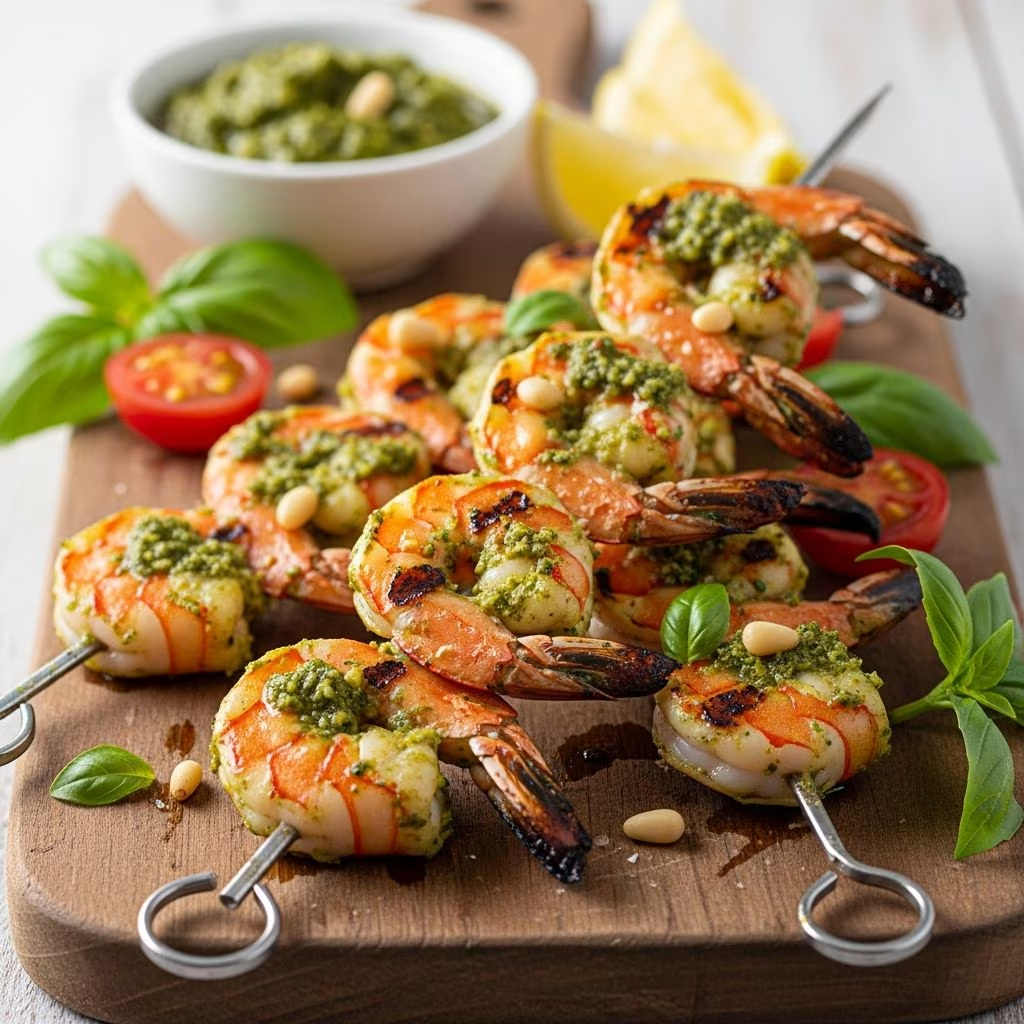
No—zhug is spicier and chunkier, lacking nuts and cheese, with Middle Eastern spices instead of basil.
How spicy is zhug?
Typically 3,000-10,000 SHU, adjustable by chili type and quantity.
Can zhug be frozen?
Yes, in ice cube trays for portions; thaw as needed, up to 3 months.
What’s the difference between green and red zhug?
Green uses fresh green chilies and herbs; red adds tomatoes and red chilies for a bolder, fruitier profile.
Pairing Zhug with Global Cuisines
While Middle Eastern roots dominate, zhug bridges worlds. In Mexican fare, it amps tacos or enchiladas. Asian stir-fries gain edge with a zhug stir-in. Even Italian pastas benefit from its herby heat. This cross-cultural appeal underscores zhug’s universal draw.
Mastering zhug opens doors to Yemen’s bold palate. Whether slathered on wraps or stirred into soups, it infuses meals with vitality. Start with the classic recipe, then innovate—your kitchen will thank you.
References
- Zhug (Yemenite Hot Sauce with Cilantro and Parsley) — The Splendid Table. 2016-08-17. https://www.splendidtable.org/story/2016/08/17/zhug-yemenite-hot-sauce-with-cilantro-and-parsley
- Quick Zhug Sauce — Just Maika Cooking. N/A. https://www.justmaikacooking.com/recipes/quick-zhug-sauce/
- Zhoug, Zhug, Skhug – Spicy Herb Sauce — Frugal Hausfrau. 2018-09-07. https://frugalhausfrau.com/2018/09/07/zhoug-zhug-skhug-spicy-herb-sauce/
- Zhug, Yemeni Green Hot Sauce (with everyday ingredients) — LinsFood. N/A. https://www.linsfood.com/zhug-zhoug-yemeni-chilli-sauce/
- How to Make Schug (Skug, Zhug, Zhoug) Sauce — Alexandra’s Kitchen. 2020-06-16. https://alexandracooks.com/2020/06/16/schug-zhug-sauce/
- Zhoug! (Spicy Cilantro Sauce) — Cookie and Kate. 2024-07-01. https://cookieandkate.com/zhoug-sauce-recipe/
- Fresh Mint Zhoug Sauce Recipe — David Lebovitz. N/A. https://www.davidlebovitz.com/fresh-mint-zhoug-zhug-sauce-recipe/