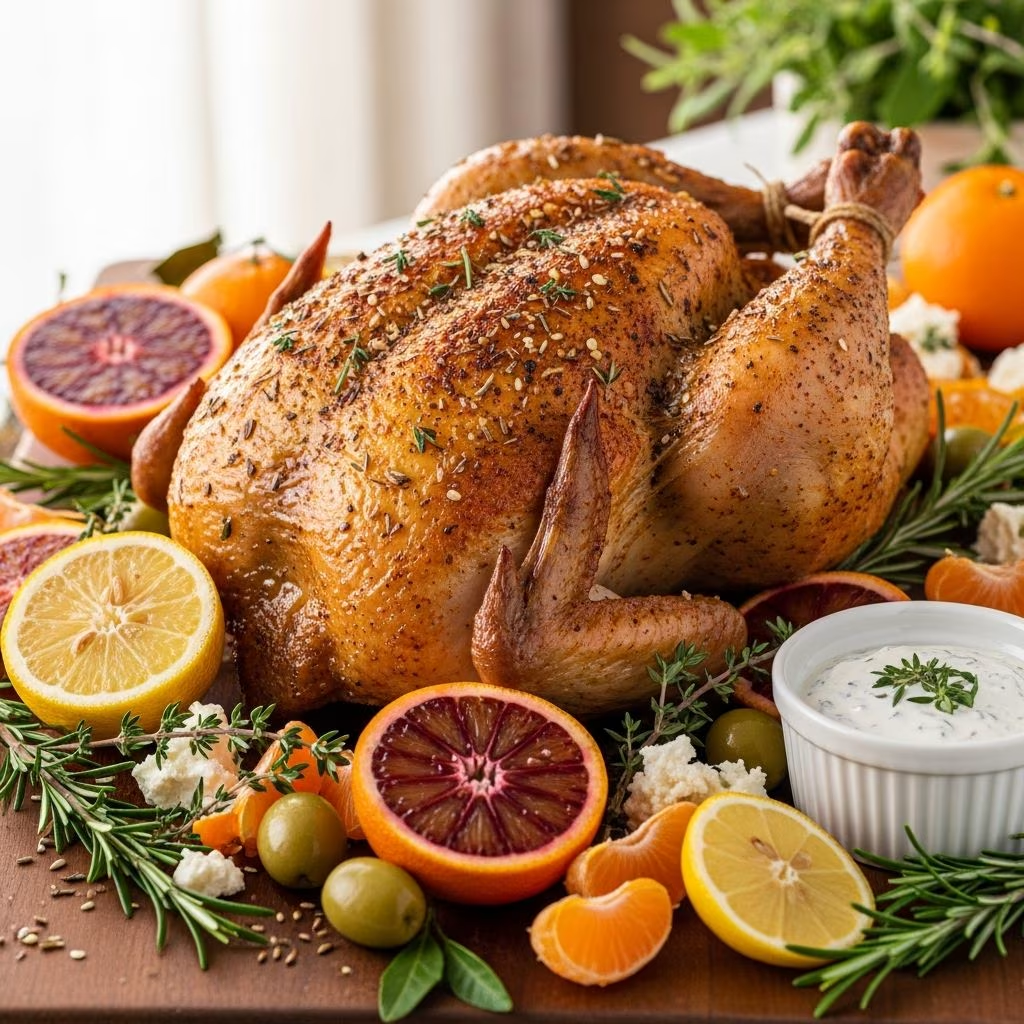
Creating a memorable main course doesn’t always require complicated techniques or exotic ingredients. Sometimes, the most impressive dishes emerge from understanding fundamental cooking principles and respecting the quality of simple components. One such dish that exemplifies this philosophy is a beautifully roasted whole chicken, transformed through the strategic use of warm spices, acidic elements, and careful heat management. This approach to poultry preparation draws inspiration from culinary traditions that have perfected the marriage of bold flavors with tender, succulent meat over centuries of refinement.
Understanding the Foundation: Yogurt-Based Marinades in Middle Eastern Cuisine
The Levant region, spanning the Eastern Mediterranean area of Western Asia, has long relied on dairy-based marinades as a cornerstone of meat preparation. Yogurt serves a dual purpose in this culinary context: it functions as both a tenderizing agent and a flavor carrier. The lactic acid present in yogurt breaks down protein structures, resulting in more tender and succulent meat after cooking. Beyond this mechanical function, yogurt creates an exceptional crust on the meat’s surface during roasting, developing what cooks refer to as the Maillard reaction—the browning process that creates complex, savory flavors.
What makes yogurt particularly valuable for this preparation is its neutrality. Unlike oil-based marinades that can become greasy, or vinegar-based ones that might overpower, yogurt provides a clean canvas upon which spices can assert their character. The protein in yogurt also helps stabilize the spice flavors, distributing them more evenly throughout the meat during the marinating process.
The Spice Blend: Building Layers of Warmth and Complexity
The spices employed in this preparation create a sophisticated flavor profile that distinguishes it from simpler roasted chicken presentations. Rather than relying on pre-ground powders, using whole seeds and peppercorns that are freshly ground makes a significant difference in flavor intensity and complexity. This approach allows volatile aromatics to remain protected until the moment of grinding, preserving their essential oils and distinctive characteristics.
The primary spices in this blend include:
- Coriander seeds — These contribute a warm, slightly sweet undertone with subtle citrus notes
- Cumin seeds — Providing earthiness and a nutty quality that grounds the other spices
- Black peppercorns — Adding sharpness and heat that prevents the blend from becoming one-dimensional
- Smoked paprika — Delivering visual appeal and a subtle smoky depth
- Turmeric — Contributing golden color and an anti-inflammatory warmth
When these spices are toasted or freshly ground, their aromatic compounds activate, creating a more vivid and memorable flavor experience than using pre-blended versions. The combination works harmoniously because each spice occupies a different flavor register, creating complexity without muddle.
Preparation Strategy: Timing and Flexibility
One of the most appealing aspects of this preparation method is its flexibility regarding advance planning. The chicken requires a minimum marinating period of just thirty minutes, making it suitable for weeknight cooking when time is limited. However, for those who prefer to organize their meals in advance, the chicken can marinate for up to twelve hours in the refrigerator without any negative effects. This extended timeframe allows the spices to penetrate more deeply into the meat while the yogurt works its tenderizing magic.
The extended marinating window proves particularly valuable for entertaining, as it shifts prep work to the previous day or morning, leaving only the final roasting and assembly for dinnertime. For optimal results, any chicken that has been refrigerated should be removed from cold storage approximately thirty minutes before roasting begins, allowing it to reach closer to room temperature. This step ensures more even cooking throughout the bird.
The Cooking Method: Stovetop Start and Oven Finish
The cooking technique employed here differs from simply placing a chicken in the oven from the start. Instead, the process begins on the stovetop in a large skillet, where the bird is positioned breast-side up. This initial phase, which lasts approximately three minutes, serves several purposes. The direct heat begins rendering the skin’s fat and developing color, while the shallots and lemon slices nestled around the bird start their transformation into caramelized accompaniments.
After adding a small amount of water—which will create steam and contribute to the cooking environment—the entire skillet transfers to a preheated oven. This combined approach leverages both dry and moist heat, preventing the bird from drying out while still allowing the skin to develop color and crispness. The oven temperature begins at 425 degrees Fahrenheit to accelerate initial browning, then reduces to 325 degrees for gentler, more even cooking through the meat’s interior.
Achieving Perfect Doneness: Temperature and Timing
The total roasting time typically ranges from seventy to eighty-five minutes, depending on the bird’s exact size and your oven’s specific characteristics. Rather than relying solely on time, using an instant-read thermometer provides certainty. The chicken achieves proper doneness when the thickest part of the breast reaches an internal temperature of 155 degrees Fahrenheit. During the fifteen-minute resting period that follows—an often-overlooked but crucial step—the carryover cooking raises the temperature to the food-safety target of 165 degrees while also allowing juices to redistribute throughout the meat, resulting in superior moisture and texture.
The shallots, positioned around the bird throughout cooking, undergo their own transformation. Halved lengthwise and placed cut-side down, they gradually caramelize and soften, developing a jammy quality that contrasts beautifully with the aromatic poultry. The lemon slices, meanwhile, concentrate their flavors while softening, becoming tender enough to be eaten alongside the meat.
The Complete Component: Building the Final Presentation
| Component | Function | Preparation |
|---|---|---|
| Whole Chicken | Primary protein | Patted dry before marinating |
| Spice Mixture | Flavor foundation | Freshly ground before use |
| Yogurt | Tenderizer and binder | Mixed with spices and garlic |
| Shallots | Caramelized vegetable side | Halved lengthwise |
| Lemon | Acidic brightness | Sliced into rounds, seeds removed |
| Herbs | Aromatic garnish | Fresh sprigs during cooking, leaves for serving |
Final Assembly and Presentation
Once the chicken has rested sufficiently, transfer it to a cutting board and carve according to your preference. Some prefer breaking it into halves or quarters for a more casual presentation, while others carve it into individual pieces for elegant entertaining. Arrange the carved chicken on a serving platter, then strategically position the caramelized shallots and softened lemon slices around it. Spoon the accumulated pan juices—rich with rendered fat, spice flavors, and the chicken’s own essence—over the meat and vegetables. A final shower of fresh herb leaves and a light sprinkle of flaky sea salt adds textural contrast and visual appeal.
Flavor Dynamics and Complementary Pairings
The finished dish presents multiple layers of flavor that work in concert. The warm spices provide depth and warmth, the yogurt contributes tangy undertones that balance richness, the caramelized shallots offer sweetness, and the lemon provides brightness that prevents any heaviness. This multifaceted approach to seasoning ensures that each bite remains interesting and satisfying.
When planning what to serve alongside this centerpiece, consider dishes that won’t compete with the carefully developed spice profile. Simple rice preparations, flatbread for sauce absorption, or lightly dressed green vegetables serve as excellent companions. A cooling yogurt-based sauce can provide contrast, while a crisp white wine complements the citrus and herb notes beautifully.
Frequently Asked Questions
Can I use chicken pieces instead of a whole bird?
While this recipe is specifically designed for a whole chicken, bone-in, skin-on pieces like thighs or leg quarters would work. Adjust cooking times accordingly—thighs and legs typically require less time than a whole bird. The same marinating and preparation principles apply.
What if I don’t have a spice grinder?
You can use a mortar and pestle to crush the spices, or purchase pre-ground versions. Keep in mind that pre-ground spices lose aromatics more quickly, so use fresher stock when possible and store them properly in airtight containers away from heat and light.
Is Greek yogurt essential, or can I substitute sour cream?
Either works effectively. Greek yogurt is slightly thicker and tangier, while sour cream is richer. Both contain the lactic acid necessary for tenderizing and both work as excellent spice carriers. Choose based on what you have available.
Can I marinate longer than twelve hours?
While the chicken won’t be harmed by longer marinating, twelve hours represents the optimal window for flavor development and tenderizing. Beyond this point, the texture can become mushy rather than tender.
What do I do with the pan juices?
These juices are liquid gold for serving. Spoon them over the carved chicken and vegetables. You can also strain them for a cleaner sauce or reduce them on the stovetop for greater intensity.
Storage and Reheating Guidance
Leftover roasted chicken keeps well in the refrigerator for up to three days when stored in an airtight container. The meat actually develops deeper flavor as it sits. For reheating, gently warm it in a low oven (around 300 degrees Fahrenheit) rather than microwaving, which can dry it out. The shallots and lemon actually improve the next day, becoming more concentrated in flavor.
Conclusion: Elevating Simple Ingredients Through Technique
This approach to roasting chicken demonstrates how mastering fundamental techniques and respecting ingredient quality can produce restaurant-caliber results at home. The marriage of tender, succulent meat with intensely flavored accompaniments creates a dish that satisfies both casual weeknight dining and special occasion entertaining. By understanding the role each component plays—the yogurt’s tenderizing action, the spices’ aromatic contributions, and the vegetables’ caramelization—home cooks can confidently execute this impressive preparation and adapt it to their own preferences and available ingredients.
References
- Shawarma Roast Chicken with Shallots and Lemons — Lynn and Russ. 2022-03-31. https://lynnandruss.com/2022/03/31/shawarma-roast-chicken-with-shallots-and-lemons/