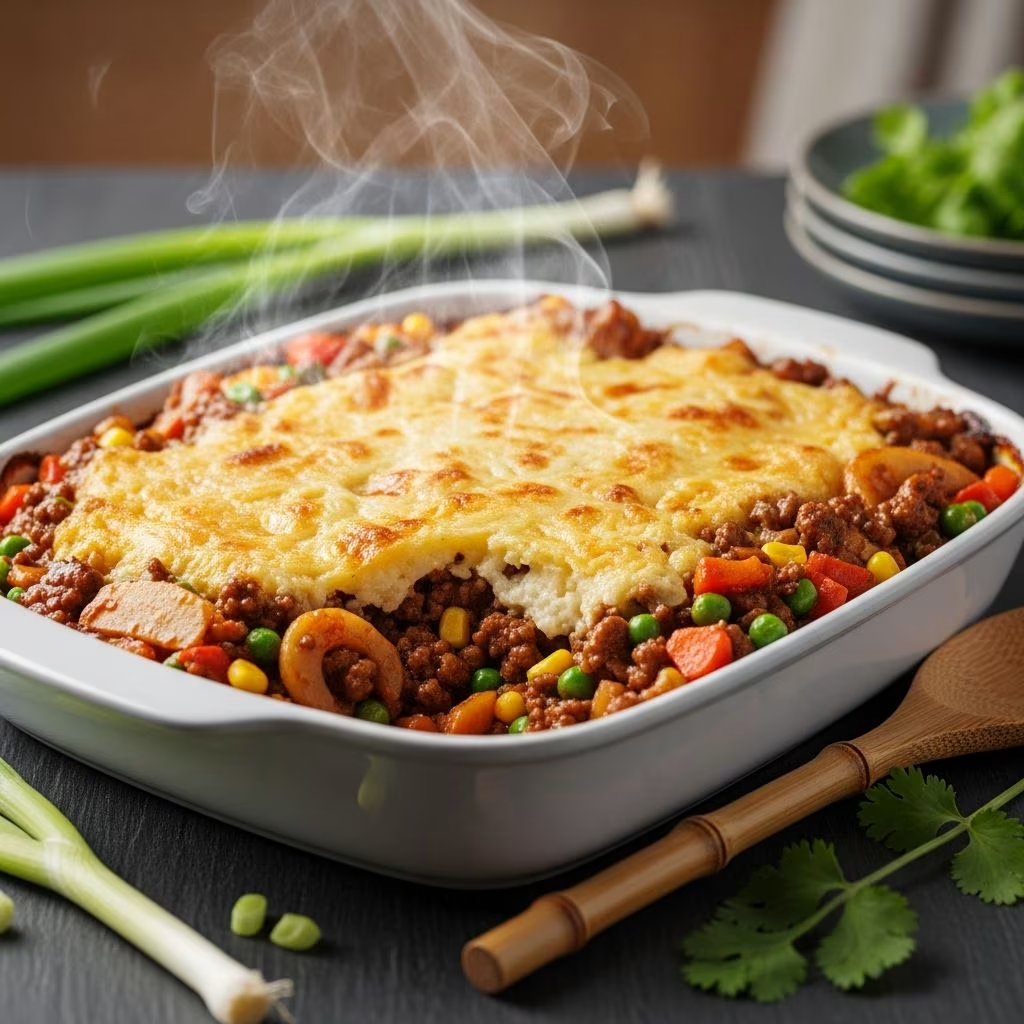
The ground beef Chinese casserole represents a cherished tradition in American home cooking, particularly throughout the Midwest where casserole dishes remain staple family meals. This beloved recipe combines simple, pantry-friendly ingredients into a satisfying one-dish meal that feeds a crowd and requires minimal preparation time. What makes this casserole special is its unique blend of flavors—umami-rich soy sauce, earthy mushrooms, and the signature crunch of crispy chow mein noodles create a textural contrast that elevates the humble combination of ground beef, rice, and creamy soups into something genuinely memorable.
Whether you’re a seasoned home cook looking to expand your casserole repertoire or someone seeking an uncomplicated weeknight dinner solution, this ground beef Chinese casserole delivers impressive results without demanding extensive culinary skills. The dish has remained popular across generations, passed down through families and adapted with personal touches while maintaining its core identity as comfort food that brings people together around the dinner table.
Understanding the Essential Components
Creating an exceptional ground beef Chinese casserole begins with understanding each ingredient’s role in the final dish. The foundation rests on four primary elements: the protein base, the creamy binding component, the textural additions, and the seasoning profile that ties everything together.
The Protein Foundation
Ground beef serves as the protein backbone of this casserole, providing substantial, savory depth that anchors all other flavors. One pound of ground beef typically yields a casserole that serves approximately eight people, making this recipe economical for feeding families or guests. The browning process—often called Maillard reaction—develops complex flavors that wouldn’t exist in uncooked meat, creating a richer, more satisfying base layer for the entire dish.
The meat should be browned thoroughly before combining with other ingredients, allowing excess grease to drain away. This step prevents the finished casserole from becoming greasy while concentrating the beef’s natural flavors. Many cooks choose lean ground beef varieties to further reduce fat content without sacrificing taste or texture.
Creamy Soup Components
The signature creaminess comes from two condensed soup cans—cream of mushroom and cream of chicken—which form the binder holding all ingredients together. These soups add not just richness but also umami depth that intensifies the overall flavor profile. Together, they create a silky sauce that coats the rice and vegetables, ensuring every spoonful has balanced moisture and flavor.
The combination of two different cream soups rather than just one creates layered complexity. Cream of mushroom contributes earthy notes, while cream of chicken provides poultry-based savory elements. This pairing has become the standard for this particular casserole style throughout Midwestern cooking traditions.
Rice as the Textural Base
Uncooked white rice absorbs the surrounding liquid during baking, transforming into tender grains that provide substance and satisfy without heaviness. Using approximately one-half to one full cup of uncooked rice ensures proper texture—too little leaves the casserole soupy, while too much creates a dry, starchy mass. The rice must be washed before combining with other ingredients to remove excess starch that could make the finished dish gummy.
Building Flavor Through Vegetables and Seasonings
Vegetables provide not only nutritional value but also aromatic complexity and subtle sweetness that balances the savory elements. The classic vegetable trio includes onions, celery, and mushrooms, each contributing distinct characteristics to the overall taste profile.
Aromatic Vegetables
Onions and celery form the aromatic base, releasing volatile compounds when cooked that create the foundational flavor layers upon which everything else builds. Onions contribute natural sweetness and pungency, while celery adds subtle herbaceous notes and crunch when not overcooked. These vegetables are typically diced or chopped into bite-sized pieces, ensuring they cook evenly while remaining distinct enough to recognize in the finished dish.
Fresh mushrooms, whether sliced or chopped, add umami-rich earthiness that complements both the cream of mushroom soup and the soy sauce. If fresh mushrooms aren’t available, canned varieties work adequately, though some cooks prefer the firmer texture of fresh fungi. The mushrooms should be sliced consistently to ensure uniform cooking throughout the casserole.
Soy Sauce and Seasoning Balance
Two to three tablespoons of soy sauce transform this casserole from simple to sophisticated, introducing saltiness and umami depth that evoke Asian cuisine elements. Soy sauce contains glutamates and nucleotides that trigger the umami taste receptor, creating savory satisfaction that feels more substantial than the ingredient quantity might suggest. The salt content in soy sauce means additional table salt requires careful consideration—taste before adding more seasoning.
Black pepper and optional additional seasonings should be added sparingly, as the soups and soy sauce already contribute significant saltiness. Some cooks incorporate garlic powder, ginger, or white pepper to enhance Asian-inspired flavors, though these remain optional personal preferences rather than essential components.
The Critical Role of Chow Mein Noodles
Chow mein noodles deserve special attention as they provide the signature textural contrast that distinguishes this casserole from ordinary rice and beef combinations. These crispy noodles, typically available in cans or packages near Asian food sections, remain crunchy when added during the final baking phase. This timing proves essential—adding them too early results in soggy, unappetizing noodles, while proper late-stage addition preserves their satisfying crunch.
Approximately one to one and a half cups of chow mein noodles scattered across the casserole surface during the final fifteen minutes of baking creates an inviting textural contrast between creamy interior layers and crispy topping. Some cooks reserve a portion of noodles for topping garnish, creating visual appeal alongside gustatory satisfaction.
Step-by-Step Preparation Guide
Pre-Baking Assembly
Begin by preheating your oven to 350 degrees Fahrenheit, allowing it to reach optimal temperature before the casserole enters. In a large skillet, brown one pound of ground beef over medium-high heat, breaking it apart with a spoon to ensure even cooking. Once the meat reaches brown color and is cooked through, drain excess grease thoroughly.
In the same skillet or a separate mixing bowl, combine the browned ground beef with one can each of cream of mushroom and cream of chicken soup, one cup of diced onions, one cup of chopped celery, one cup of fresh or canned mushrooms, one-half to one cup of washed rice, one cup of water, and two to three tablespoons of soy sauce. Mix thoroughly until all ingredients combine evenly, ensuring the rice distributes throughout rather than clumping.
Baking Process
Transfer the combined mixture into a two-quart casserole dish (approximately nine by thirteen inches), spreading it evenly. Cover with aluminum foil or a casserole lid and bake for thirty minutes. After this initial thirty-minute period, remove the cover and bake for an additional thirty minutes, allowing some liquid to evaporate and concentrating flavors.
Following the second thirty-minute interval, scatter chow mein noodles across the casserole’s surface, ensuring relatively even distribution. Return to the oven uncovered for approximately fifteen additional minutes, until the noodles achieve golden-brown color and the casserole’s edges show gentle bubbling. Total baking time reaches approximately seventy-five minutes from start to finish.
Resting and Serving
Remove the casserole from the oven and allow it to rest for five to ten minutes before serving. This resting period allows the residual heat to finish setting the rice grains while the interior remains hot for serving. A rest period also allows the casserole to set slightly, making serving portions easier and preventing the mixture from sliding across dinner plates.
Customization and Ingredient Variations
While the classic recipe remains beloved, numerous variations accommodate different tastes and dietary requirements. Ground chicken or turkey can substitute for beef, creating lighter alternatives that maintain the casserole’s essential character while reducing fat content. Some cooks incorporate water chestnuts for additional crunch and subtle sweetness, while others add bean sprouts for freshness and nutrition.
Soup varieties offer flexibility—cream of celery can replace either cream of mushroom or cream of chicken depending on preference. Vegetable additions might include diced bell peppers, sliced carrots, or green beans. Cashews or other nuts occasionally appear as garnish additions, providing both texture and nutritional enhancement.
The liquid ratio (water combined with soup content) affects final texture—more liquid creates a saucier casserole, while less liquid yields drier, more rice-forward results. Personal preference guides these adjustments, with most cooks discovering their ideal consistency through experimentation.
Nutritional Considerations and Serving Suggestions
This casserole provides balanced macronutrients, with protein from ground beef and soups, carbohydrates from rice, and moderate fat from beef and cream soups. A typical serving contains approximately 250-350 calories depending on meat selection and preparation method.
Serving suggestions include pairing with simple green salads to add freshness and vegetables, steamed broccoli for additional nutrition, or sliced tomatoes with vinaigrette to cut through richness. Beverages might include iced tea, light lemonade, or sparkling water. Dessert pairings could include fresh fruit, light cookies, or frozen yogurt to complement the warm, savory casserole.
Storage and Make-Ahead Planning
This casserole stores exceptionally well, maintaining quality for three to four days when properly refrigerated in an airtight container. Portions can be individually wrapped and frozen for up to three months, making this recipe ideal for advance preparation and weeknight convenience. To reheat, thaw overnight in the refrigerator and warm in a 325-degree oven for approximately thirty minutes until heated through, covering with foil to prevent excessive browning.
For make-ahead convenience, assemble the casserole entirely (excluding the chow mein noodles) in the baking dish several hours or even a day ahead. Cover and refrigerate until ready to bake, adding approximately ten to fifteen minutes to total cooking time since the mixture starts cold rather than room temperature.
Frequently Asked Questions
| Question | Answer |
|---|---|
| Can I use minute rice or instant rice? | Regular uncooked rice works best as it absorbs liquid evenly during baking. Instant or minute rice may become mushy due to their pre-cooking process. |
| What if the casserole seems too dry during baking? | Add additional water in quarter-cup increments, mixing gently. The rice should be tender but not crunchy, with some moisture remaining in the pan. |
| Can I prepare this in a slow cooker? | Yes, assemble all ingredients and cook on low for four to five hours. Add chow mein noodles during the final fifteen minutes on high heat. |
| Is there a dairy-free version? | Substitute cream soups with dairy-free alternatives or use homemade vegetable-based cream sauce mixed with beef broth for similar consistency and flavor. |
| How do I prevent the noodles from becoming soggy? | Add noodles only during the final fifteen minutes of baking, and serve immediately after removing from the oven while they remain crispy. |
Final Thoughts on This Classic Casserole
The ground beef Chinese casserole endures as an American comfort food classic because it delivers reliably delicious results with minimal ingredients and straightforward preparation. Its Midwestern origins have spread across regions, adapted by countless families who’ve made it their own while respecting its essential character. Whether served at weeknight family dinners or casual gatherings, this casserole satisfies appetites and creates the kinds of memories that define home cooking.
The beauty of this dish lies in its simplicity meeting sophistication—humble ingredients transform into something genuinely delicious through proper technique and thoughtful combination. With these detailed instructions and variations, you’re equipped to create exceptional versions that become favorites in your own household, ready to pass along to future generations who discover their own reasons to love this timeless comfort food.
References
- Chinese Hamburger Casserole Recipe — Food.com. Accessed April 2026. https://www.food.com/recipe/chinese-hamburger-casserole-43592
- Ground Beef Chow Mein Casserole — A Fork’s Tale. Accessed April 2026. https://www.aforkstale.com/ground-beef-chow-mein-casserole/