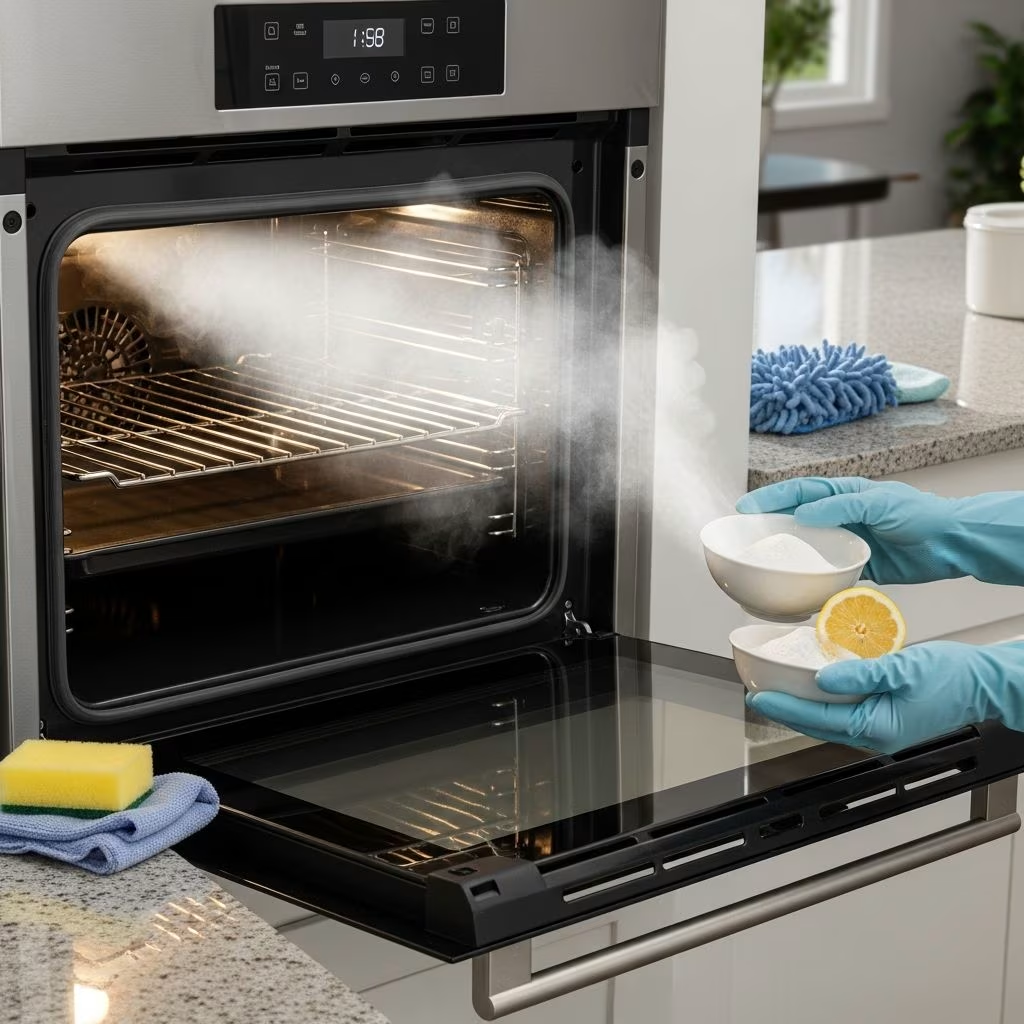
Oven smoke disrupts cooking and raises safety concerns, but most cases stem from preventable issues like residue buildup or improper use. Identifying the root cause allows quick resolution through cleaning or adjustments, ensuring safe operation.
Understanding Why Ovens Produce Smoke
Smoke from ovens often signals burning residues, manufacturing byproducts, or user errors. Common triggers include grease drips, cleaner leftovers, and positioning mistakes that lead to scorching. Addressing these promptly prevents escalation to more serious problems like faulty parts.
Primary Causes of Oven Smoking
- New Oven Odors: Fresh units release fumes from factory coatings during initial heats.
- Cleaning Residue: Leftover soaps or chemicals vaporize when reheated.
- Accumulated Grime: Burnt food and oils smolder on surfaces.
- Dripping Messes: Juices and fats fall to the oven floor and ignite.
- Positioning Errors: Foods too near elements cause splattering and burning.
- Component Failures: Worn heating elements produce irregular heat and smoke.
Step-by-Step Diagnosis Guide
Begin by turning off the oven and ventilating the kitchen. Inspect for visible spills or residues. Note if smoke occurs during preheat, baking, or broiling to pinpoint issues like element proximity or drips.
| Cause | Symptoms | Quick Check |
|---|---|---|
| New Oven | Strong initial odor, light smoke | Recent purchase or first use |
| Cleaner Residue | Smoke post-cleaning | Recent wipe-down with chemicals |
| Grime Buildup | Persistent smoke on preheat | Visible stains or dark spots |
| Drips/Grease | Smoke during cooking | Spills on floor or racks |
| Food Position | Sudden smoke mid-bake | Racks too high/low |
| Faulty Element | Smoke with uneven heating | Element glows oddly or not at all |
Cleaning Solutions for Residue and Grime
Regular maintenance eliminates most smoke sources. For heavy soiling, natural methods outperform harsh chemicals for safety.
Baking Soda and Vinegar Method
- Remove racks and soak in soapy water.
- Scrub loose debris from interior.
- Mix baking soda with water into a paste; apply everywhere except elements.
- Let sit 12 hours.
- Spray vinegar-water mix (1:1) and wipe clean.
- Rinse and dry fully before use.
This approach neutralizes acids and lifts burnt-on spots without fumes.
Self-Cleaning Cycles
High-heat modes (around 900°F) ashify residues, but use cautiously. Run empty, ensure good ventilation, and avoid on heavily soiled ovens to prevent excessive smoke. Some models offer steam clean with water for lighter jobs.
Handling New Oven Break-In
Manufacturers coat interiors with protective oils that burn off initially. Run empty at maximum temperature for 60 minutes, repeating 2-3 times if needed. Open windows and activate vents to clear odors. Avoid cooking until smoke subsides to prevent flavor transfer.
Preventing Smoke During Everyday Cooking
Proactive habits minimize risks:
- Use drip pans or foil on lower racks for fatty foods.
- Maintain 3-inch clearance from heating elements.
- Place items in dishes, not directly on racks.
- Cool and wipe after each use.
- Monthly deep cleans keep buildup low.
Troubleshooting Broiler and Bake Issues
Broilers smoke if trays sit too close to top elements. Lower racks or use offsets. For baking, elevate meats on racks within pans to contain drips. Test elements: bottom should heat evenly during bake; top during broil.
When to Suspect Hardware Problems
If cleaning fails, inspect heating elements for cracks, blisters, or failure to glow. Disconnect power before checks. Replacement restores function; consult manuals for compatibility. Persistent smoke warrants professional service to rule out wiring or sensor faults.
Safety Protocols During Smoking Episodes
Evacuate if smoke thickens, disable power at breaker, and avoid water on electrical fires. Use extinguishers rated ABC. Post-incident, clean thoroughly before reuse.
Advanced Maintenance for Longevity
Quarterly inspections catch early wear. Lubricate door seals if stiff. For gas ovens, ensure burners ignite cleanly without sooting. Electric models benefit from coil checks.
FAQs
Is occasional light smoke normal?
Yes, for new ovens or minor drips, but persistent smoke needs attention.
Can I use commercial cleaners?
Select oven-safe ones; always rinse and dry to avoid residue smoke.
How often should I clean?
Weekly wipes, monthly deep cleans, per usage intensity.
What if self-clean worsens smoke?
Pre-clean manually to reduce load; ventilate heavily.
Does oven type matter?
Convection spreads heat evenly, reducing hot spots; pyrolytic self-cleans efficiently.
Comparative Cleaning Methods
| Method | Time | Effort | Best For |
|---|---|---|---|
| Baking Soda Paste | 12+ hours | Medium | Heavy grime |
| Vinegar Wipe | 30 min | Low | Residue |
| Self-Clean | 2-4 hours | Low | Light soils |
| Steam Clean | 20 min | Low | Fresh spills |
Choose based on soil level and time available for optimal results.
References
- What to do if your oven is smoking | Oven tips — Domestic & General. 2023-05-15. https://www.domesticandgeneral.com/blog/oven-tips/what-to-do-if-your-oven-is-smoking
- 6 Common Reasons Why an Oven Starts Smoking — Maytag. 2024-02-10. https://www.maytag.com/blog/kitchen/why-is-my-oven-smoking.html
- Why Is My Oven Smoking? 6 Possible Reasons — Whirlpool. 2024-01-22. https://www.whirlpool.com/blog/kitchen/why-is-my-oven-smoking.html
- Why is my oven smoking? — GE Appliances. 2023-11-08. https://repair.geappliances.com/resources/faq/article/why-is-my-oven-smoking