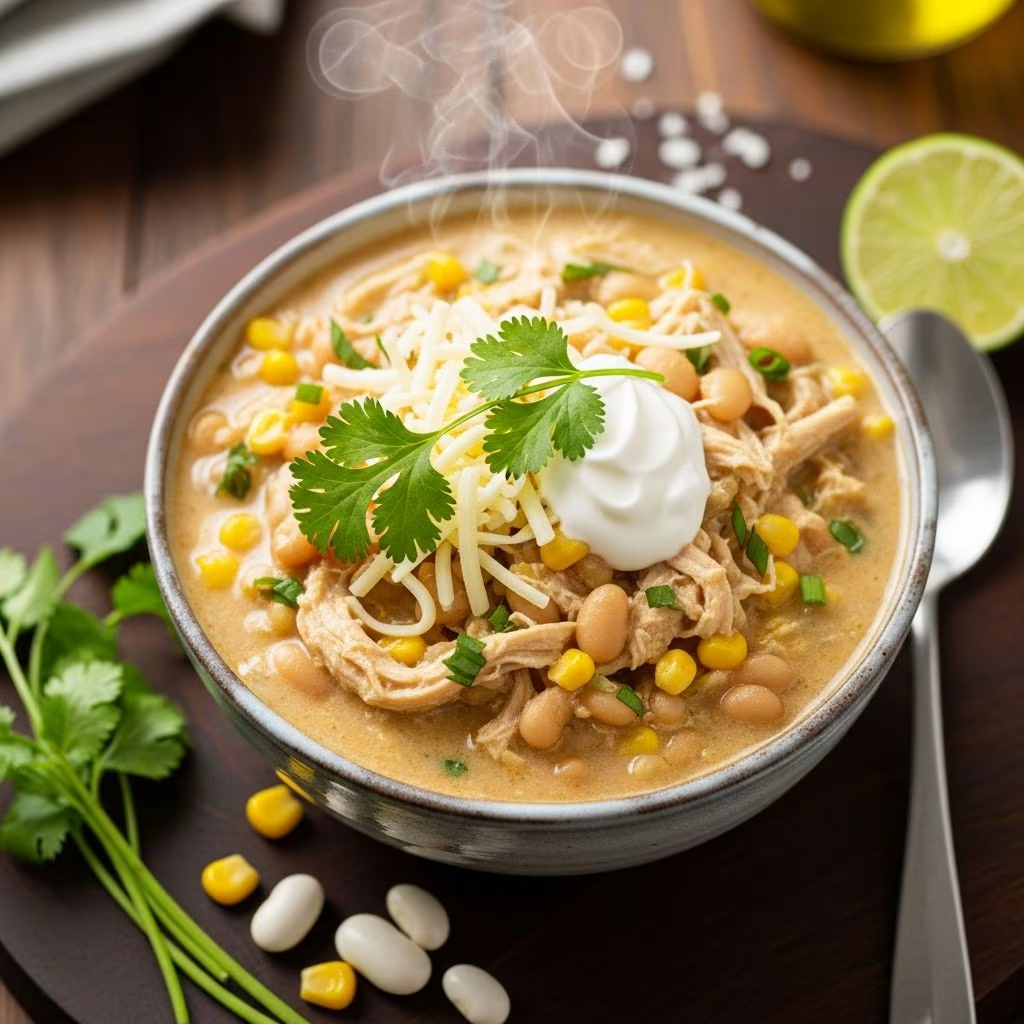
White chicken chili has emerged as a beloved comfort food that combines tender chicken, creamy broth, and aromatic seasonings into one satisfying bowl. Unlike traditional red chilis that rely on tomato-based foundations, this variation showcases a lighter, more nuanced flavor profile built around white beans and a savory broth enriched with cream or sour cream. Whether you’re preparing dinner for your family or hosting guests, mastering this dish opens the door to countless variations and personal touches that reflect your culinary preferences.
Understanding the Foundation of White Chicken Chili
The backbone of exceptional white chicken chili lies in understanding how its key components work together. The dish typically begins with quality chicken breasts that serve as the protein base, complemented by white beans that add creaminess and substance without requiring additional dairy thickeners. Green chilies provide a subtle heat and authentic flavor depth, while aromatic vegetables like onions and garlic create the flavor foundation. The cooking liquid—whether chicken broth or a combination of broth and cream—ties all elements together into a cohesive, warming bowl.
What distinguishes award-winning versions from basic preparations is the layering of flavors achieved through careful spice selection and cooking technique. Ground cumin, chili powder, oregano, and a touch of cayenne pepper build complexity, while fresh lime juice brightens the overall taste profile. The result is a dish that feels both comforting and sophisticated, suitable for casual weeknight dinners or more intentional meal planning.
Essential Ingredients for Perfect Results
Building a successful white chicken chili begins with selecting quality ingredients that will shine through in the finished dish. Here are the core components:
- Protein: Use boneless, skinless chicken breasts for consistent cooking and tender results. Plan for approximately 1.5 to 3 pounds depending on your desired serving size and how hearty you want the final dish.
- Beans: Cannellini beans or great Northern beans are traditional choices, offering a mild flavor and creamy texture when cooked. Always rinse and drain canned beans before adding to remove excess sodium.
- Green Chilies: Canned diced green chilies add authentic flavor and subtle heat without overwhelming the palate. One 4-ounce can provides mild spice; use two cans if you prefer more pronounced heat.
- Aromatics: A medium to large onion and 3-4 garlic cloves form the aromatic base, requiring proper sautéing to release their flavors before other ingredients join.
- Broth: Low-sodium chicken broth allows better control over the final salt content. Plan for 4 cups as a baseline, with flexibility to adjust based on desired consistency.
- Cream Elements: Sour cream, cream cheese, or half-and-half contribute richness and silky texture. These are typically stirred in near the end of cooking to prevent curdling.
- Seasonings: Ground cumin (1.5 teaspoons), chili powder (2 tablespoons), dried oregano (1 teaspoon), paprika (0.5 teaspoon), and cayenne pepper (0.25 teaspoon) create the signature spice profile.
- Optional Additions: Corn, cilantro, and lime juice brighten the dish, while jalapeños add focused heat in specific areas for those who enjoy increased spice levels.
Stovetop Method: Traditional and Efficient
The stovetop approach offers quick results and complete control over cooking progression. Begin by heating 2 tablespoons of olive oil in a large pot over medium-high heat. Add your diced onion and cook for approximately 5 minutes until it becomes translucent and softens. This crucial step develops the onion’s natural sweetness through caramelization.
Introduce minced garlic and cook for just 30 seconds, allowing its aroma to bloom without burning. Add your chicken broth, canned green chilies with their juice, and all your dried spices—cumin, chili powder, oregano, paprika, and cayenne pepper. Stir thoroughly to combine, ensuring spices distribute evenly throughout the liquid.
Add your drained white beans and raw chicken breasts, submerging them fully in the broth. Bring the mixture to a gentle simmer over medium heat, then reduce to low and cook covered for 15-20 minutes until the chicken reaches an internal temperature of 165°F. Remove the cooked chicken to a cutting board and shred or cut into bite-sized pieces using two forks or a sharp knife.
Return the shredded chicken to the pot along with any fresh lime juice and cilantro if using. If desired, stir in sour cream or a combination of cream cheese and half-and-half to create richness. Cook on low for an additional 5-10 minutes, stirring occasionally to incorporate the dairy elements fully. Taste and adjust seasonings as needed—the chili should taste flavorful but not overly salty, with balanced heat and brightness.
Slow Cooker Method: Set and Forget Convenience
The slow cooker transform this recipe into a hands-off meal perfect for busy days. Layer your ingredients strategically for optimal flavor development. Begin by adding your diced onion, minced garlic, drained white beans, canned green chilies, corn if using, and chicken broth to your slow cooker basin. Add your full complement of spices and stir thoroughly.
Place raw chicken breasts directly on top of the bean and vegetable mixture, positioning them so they’re submerged in the liquid. Cover and cook on the low setting for 8 hours, or on high for 3-4 hours if time is limited. The low-and-slow approach produces more tender chicken and better flavor integration, though the high setting still yields satisfactory results.
After the cooking period, carefully remove the softened chicken breasts and place them on a cutting board. Shred the meat using two forks, working with one piece at a time until all chicken reaches your desired texture. Return the shredded chicken to the slow cooker.
For adding dairy components in the slow cooker, consider a technique that prevents curdling or separation. Remove approximately 1 cup of the hot broth from the slow cooker and stir it into softened cream cheese in a separate bowl until smooth. This tempered mixture blends more effectively when returned to the slow cooker than adding cold cream cheese directly. Pour this back into the slow cooker along with half-and-half or sour cream, stir gently, and cook on high for an additional 15 minutes until fully heated and creamy.
Instant Pot Method: Fast and Flavorful
Using an Instant Pot dramatically reduces cooking time while maintaining excellent flavor development. Set your Instant Pot to the sauté function and heat a small amount of oil. Add diced onion and cook for 3-4 minutes until beginning to soften. Stir in minced garlic and cook for another 30 seconds.
Press the cancel or keep-warm button to exit sauté mode. Add your chicken broth, spices (cumin, chili powder, oregano, paprika, cayenne), raw chicken breasts, drained beans, green chilies, and corn if desired. Stir gently to combine ingredients.
Seal the lid, ensure the valve is set to sealing, and cook on high pressure for 8 minutes—this timing prevents overcooking the chicken while ensuring the beans are thoroughly heated. Allow natural pressure release for 5 minutes, then perform a quick release of any remaining pressure.
Remove and shred the chicken as previously described, then return it to the pot. Switch back to sauté mode and stir in your cream cheese mixture and half-and-half, cooking for 2-3 minutes to achieve the desired consistency and temperature.
Flavor Customization and Variations
| Variation | Key Changes | Best For |
|---|---|---|
| Spicy Version | Add jalapeños, increase cayenne to ½ teaspoon, include red pepper flakes as garnish | Heat-lovers, guests who enjoy pronounced spice |
| Dairy-Free Option | Replace cream cheese and sour cream with coconut cream, omit cream of chicken soup if using | Dietary restrictions, lactose sensitivity |
| Protein-Boosted | Add black beans alongside white beans for extra fiber and nutrition | Balanced nutrition, heartier appetites |
| Vegetable-Packed | Include zucchini, diced bell peppers, or additional green chiles | Vegetable-forward preferences, nutritional enhancement |
| Citrus-Bright | Double lime juice, add lime zest, increase cilantro significantly | Fresh, lighter flavor preference |
Garnishing and Serving Suggestions
The way you present white chicken chili significantly influences both its visual appeal and the eating experience. Traditional garnishes include shredded sharp cheddar or Mexican blend cheese, which adds color and richness. Dollops of sour cream or Greek yogurt create a cooling contrast to the warm, spiced broth.
Fresh cilantro scattered across the top adds herbaceous brightness and visual interest. Crispy tortilla strips or crushed tortilla chips provide textural contrast and acknowledge the dish’s southwestern roots. Diced fresh jalapeños appeal to those wanting concentrated heat in specific bites, while red pepper flakes satisfy those preferring distributed spiciness.
For serving, offer the chili in wide bowls rather than cups, allowing adequate space for generous garnish amounts. Pairing suggestions include cornbread, warm flour tortillas, or crusty bread for soaking up the creamy broth. A simple green salad or coleslaw provides refreshing balance to the rich, warming chili.
Storage and Make-Ahead Strategies
White chicken chili stores beautifully in airtight containers for up to 4 days in the refrigerator. The flavors actually deepen and improve after 24 hours, making it an excellent candidate for advance preparation. For longer storage, freeze portions in freezer-safe containers for up to 3 months. Thaw overnight in the refrigerator before reheating gently on the stovetop over low heat, stirring occasionally and adding small amounts of broth if the consistency has become too thick during storage.
You can also prepare the chili through the point of adding the chicken broth and beans, then cool and freeze at that stage. Simply thaw, add the raw or pre-cooked chicken, and continue with your chosen cooking method. This strategy saves time during busy periods while ensuring fresh-tasting results.
Frequently Asked Questions
Can I use rotisserie chicken instead of cooking chicken from scratch? Yes, absolutely. Rotisserie chicken is perfectly suitable and saves preparation time. Shred the meat and add it during the final cooking stages to heat through, reducing overall cooking time significantly.
What causes cream to curdle in the chili? High heat and direct contact between cold cream and very hot liquid cause curdling. Temper the cream by slowly incorporating it while stirring, or create the cream cheese mixture technique described in the slow cooker section.
How do I achieve the perfect consistency? Consistency depends on personal preference. For brothier chili, use the full amount of broth without pureeing beans. For creamier results, puree a portion of white beans with broth before adding, creating natural thickening without flour.
Can I make this vegetarian? Replace chicken with extra beans or add firm tofu. Use vegetable broth instead of chicken broth and ensure any cream of chicken soup is replaced with a vegetable-based equivalent or omitted entirely.
What if I don’t have green chilies? While traditional, green chilies can be replaced with diced poblano peppers, jalapeños, or even mild bell peppers. Adjust quantities based on desired heat level.
Expert Tips for Exceptional Results
Developing deep flavor in white chicken chili relies on several professional techniques. First, always sauté aromatics properly—this step cannot be rushed or skipped without sacrificing foundational flavor. Second, toast your dried spices briefly in the hot oil before adding liquids; this blooms their essential oils and intensifies their contribution to the final dish.
Third, resist the urge to boil the chili vigorously once the chicken is added. Gentle simmering keeps the chicken tender and prevents the broth from becoming cloudy or overly reduced. Fourth, taste and adjust seasonings only after cooking is complete, as flavors concentrate and develop throughout the cooking process.
Finally, consider the quality of your chicken broth. Low-sodium varieties allow you to control the final salt content, while premium broths with actual bone content provide superior body and mouthfeel compared to more processed alternatives.
References
- USDA FoodData Central: Chicken, breast, raw — United States Department of Agriculture. 2024. https://fdc.nal.usda.gov/fdc-app.html#/
- Food Safety and Inspection Service (FSIS): Safe Food Handling — United States Department of Agriculture. 2024. https://www.fsis.usda.gov/food-safety/safe-food-handling-and-preparation
- Cumin: Health Benefits and Nutritional Information — National Institutes of Health, National Center for Biotechnology Information. 2023. https://www.ncbi.nlm.nih.gov/pmc/articles/
- White Bean Nutritional Composition and Health Benefits — Oregon State University, Linus Pauling Institute. 2023. https://lpi.oregonstate.edu/mic/food-beverages/legumes-beans
- Techniques for Slow Cooking and Food Safety — University of Minnesota Extension. 2024. https://extension.umn.edu/food-safety
- Flavor Development in Soups and Broths — The Culinary Institute of America. 2022. https://www.ciachef.edu/