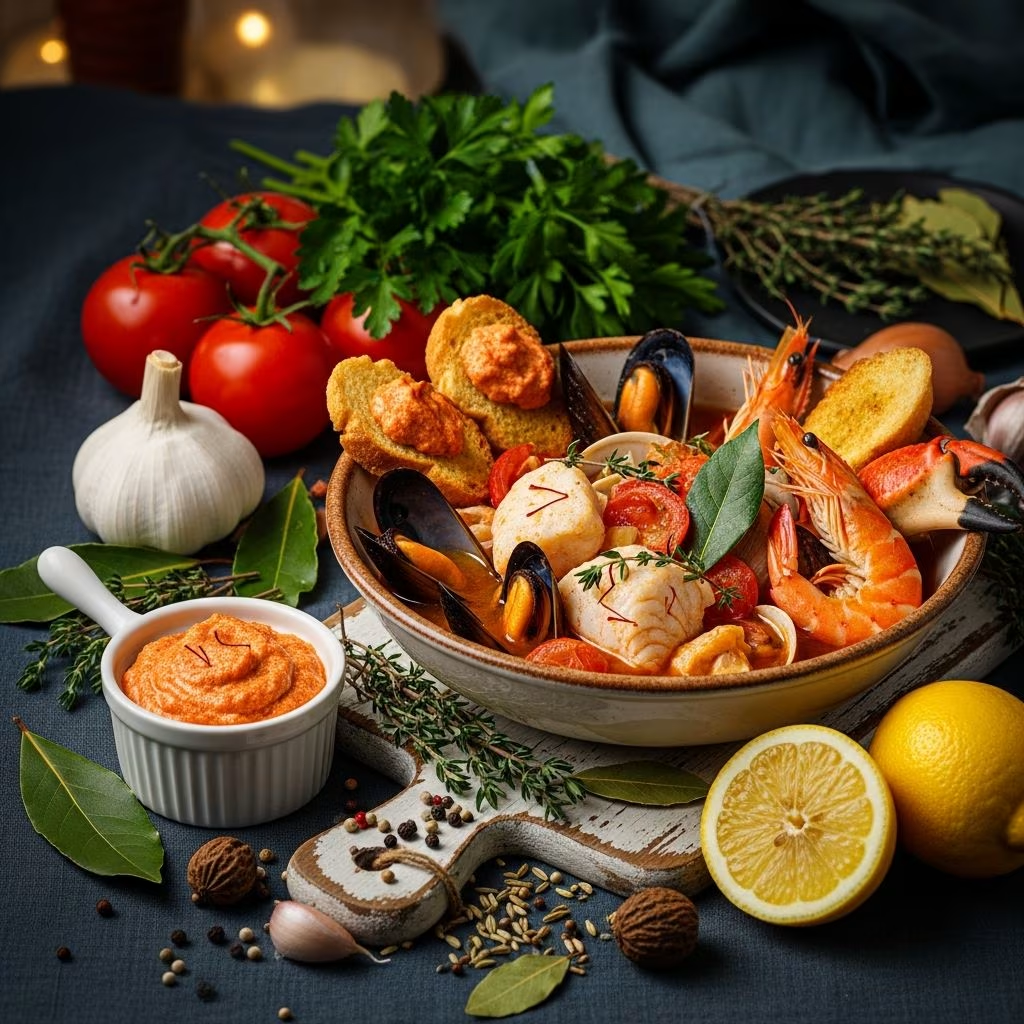
Bouillabaisse stands as one of France’s most celebrated culinary treasures, a vibrant seafood stew that captures the essence of the Mediterranean coast. Originating from the bustling port city of Marseille, this dish transforms humble fisherman’s catch into a symphony of flavors, blending fresh seafood with aromatic herbs, saffron-infused broth, and vegetables. Unlike generic fish soups, bouillabaisse demands precision in layering ingredients and timing to ensure each element shines without overcooking. Home cooks can replicate this Provençal classic with accessible ingredients and straightforward methods, delivering restaurant-quality results.
Origins and Cultural Significance of Bouillabaisse
The story of bouillabaisse begins with Marseille’s fishermen in the 16th century, who simmered unsold or less desirable fish in cauldrons over open fires. The name derives from Provençal words ‘bolh’ (to boil) and ‘abissar’ (to submerge), reflecting the cooking process. Over time, it evolved from a peasant meal to a gourmet delicacy, championed by chefs like Julia Child who popularized it worldwide. Today, strict regulations in Marseille dictate authentic versions must use specific rockfish and serve broth separately from seafood, preserving tradition.
This stew embodies Provençal cuisine’s emphasis on fresh, local ingredients. Saffron, fennel, and orange zest provide a distinctive perfume, while the broth—often fortified with fish bones and shells—delivers depth unmatched by store-bought stocks. Variations exist, but core principles remain: simplicity, seasonality, and respect for seafood’s natural flavors.
Essential Ingredients for Authentic Flavor
Selecting quality components is crucial for bouillabaisse success. Focus on fresh, sustainable seafood and vibrant aromatics to build layers of taste.
- Seafood Mix: Use 1-2 pounds total per 4 servings. Firm white fish like halibut or cod (cut into 2-inch pieces) for structure; shellfish such as mussels, clams (1 pound, scrubbed), shrimp (½ pound, peeled or whole with shells for stock), and scallops (½ pound). Avoid overmixing delicate items.
- Aromatics and Vegetables: Leeks (2, sliced), fennel bulb (1, thinly sliced), onion (1, diced), garlic (4-6 cloves, minced), celery (1 rib), carrots (1-2). These form the flavor base.
- Broth Builders: Tomatoes (28 oz crushed or diced with juice), tomato paste (2 Tbsp), seafood stock (4-8 cups; homemade preferred), dry white wine or sherry (½-1 cup), saffron threads (pinch, steeped in warm liquid).
- Herbs and Seasonings: Bay leaf (1), fresh thyme (2 sprigs), parsley (chopped for garnish), orange peel (1 strip), salt, pepper, fennel seeds (optional for extra anise note).
For accompaniments, prepare rouille—a garlicky mayonnaise with cayenne and saffron—and crusty baguette slices. These elevate the stew, allowing diners to dip and savor.
Step-by-Step Guide to Building the Broth
The heart of bouillabaisse is its broth, simmered to concentrate seafood essence. Start with a homemade stock if possible, using shrimp shells, fish trimmings, and vegetables for unmatched richness.
- Sauté the Base (10-15 minutes): In a large Dutch oven or stockpot, heat 3 Tbsp olive oil or butter over medium. Add leeks, fennel, onion, celery, carrot, and garlic. Cook until softened and lightly golden, about 15-20 minutes. Stir in tomato paste; cook 2 minutes to caramelize.
- Incorporate Tomatoes and Spices: Add crushed tomatoes, saffron (steeped), wine/sherry, and orange peel. Simmer 5 minutes to meld flavors.
- Build and Reduce Broth: Pour in seafood stock, add bay leaf, thyme, and parsley stems. Bring to a boil, then simmer 15-30 minutes. Strain if using shells initially, or leave rustic. Taste and adjust seasoning.
This stage infuses the liquid with umami, setting the foundation for seafood addition.
Cooking the Seafood: Timing is Everything
Seafood cooks quickly; add in stages based on thickness to prevent toughness. Total stewing time: 10-12 minutes.
| Seafood | Add After | Cook Time | Doneness Check |
|---|---|---|---|
| Firm fish (halibut/cod) | Broth simmering | 3-4 minutes | Flakes easily |
| Mussels/clams | Fish added | 3-4 minutes | Shells open (discard unopened) |
| Scallops | Shellfish added | 2 minutes | Opaque, firm |
| Shrimp | Scallops added | 2-3 minutes | Pink, curled |
After fish, nestle mussels/clams (pointy ends down). Cover partially; steam until open. Add scallops, then shrimp last. Remove from heat immediately to avoid overcooking.
Classic Accompaniments and Serving Suggestions
Traditional bouillabaisse separates broth and seafood, served with rouille and bread. For modern tables, combine in bowls.
- Rouille Recipe: Blend ½ cup mayonnaise, 1 roasted red pepper, 2 garlic cloves, 1 tsp cayenne, saffron, breadcrumbs, and stock. Chill.
- Bread: Grill baguette slices, rub with garlic, drizzle olive oil.
- Garnish: Chopped parsley, lemon wedges, extra saffron.
Serve hot, ladling broth over seafood. Pair with crisp white wine like Sancerre.
Common Mistakes and Pro Tips
Avoid these pitfalls for perfection:
- Overcrowding Pot: Use a wide vessel for even cooking.
- Boiling Seafood: Gentle simmer only.
- Skipping Saffron: Essential for color and aroma; substitute threads, not powder.
- Poor Stock: Homemade elevates; simmer shells 30 minutes.
Pro Tip: Prep seafood day ahead; devein shrimp, scrub shellfish. Freeze shells for future stocks. Scale up for crowds, but cook in batches.
Nutritional Profile and Dietary Adaptations
Bouillabaisse is nutrient-dense: high in protein (30g+ per serving), omega-3s from fish, vitamins from vegetables. Approximately 400-500 calories per bowl, low-carb friendly.
- Gluten-Free: Naturally, skip breadcrumbs in rouille.
- Dairy-Free: Use olive oil only.
- Vegetarian Twist: Substitute mushrooms and artichokes for seafood, though non-traditional.
Variations from Around the Kitchen
Experiment regionally:
- Quick Version: Use pre-made stock, ready in 45 minutes.
- Luxury Add: Lobster tails or crab.
- Spicy Kick: Extra cayenne in broth.
Julia Child’s influence adds fennel prominence, simplifying for home.
Frequently Asked Questions (FAQs)
What makes bouillabaisse different from other seafood stews?
Its saffron-infused, tomato-based broth and staged seafood cooking distinguish it, rooted in Marseille tradition.
Can I make bouillabaisse without saffron?
Saffron is key for authenticity; use a pinch (about 20 threads) steeped in wine.
How long does bouillabaisse keep?
Refrigerate up to 2 days; reheat gently. Freeze broth separately up to 3 months.
Is bouillabaisse hard for beginners?
Moderate; key is timing seafood. Start with simple recipes.
What wine pairs best?
Provençal rosé or light whites like Chablis.
Mastering bouillabaisse rewards with a dish that’s both comforting and elegant, perfect for impressing guests or cozy nights.
References
- Simple Bouillabaisse Recipe (French Seafood Stew) — LittleFerraroKitchen. 2023-05-15. https://littleferrarokitchen.com/julia-childs-bouillabaisse/
- Bouillabaisse Recipe (French Seafood Stew) — Just One Cookbook. 2024-02-10. https://www.justonecookbook.com/bouillabaisse-french-seafood-stew/
- French Fish Stew – Bouillabaisse recipe — Lets Eat The World. 2022-11-20. https://letseattheworld.com/bouillabaisse-french-fish-stew-2/
- Bouillabaisse — Fashion Tales Blog. 2023-08-05. https://fashiontalesblog.com/recipe/bouillabaisse/
- Julia Child’s Simple French Bouillabaisse Recipe — Family Style Food. 2024-01-12. https://familystylefood.com/julia-childs-bouillabaisse-recipe/
- Bouillabaisse Recipe — Dinner at the Zoo. 2023-09-18. https://www.dinneratthezoo.com/bouillabaisse-recipe/