Understanding This Classic Comfort Dish
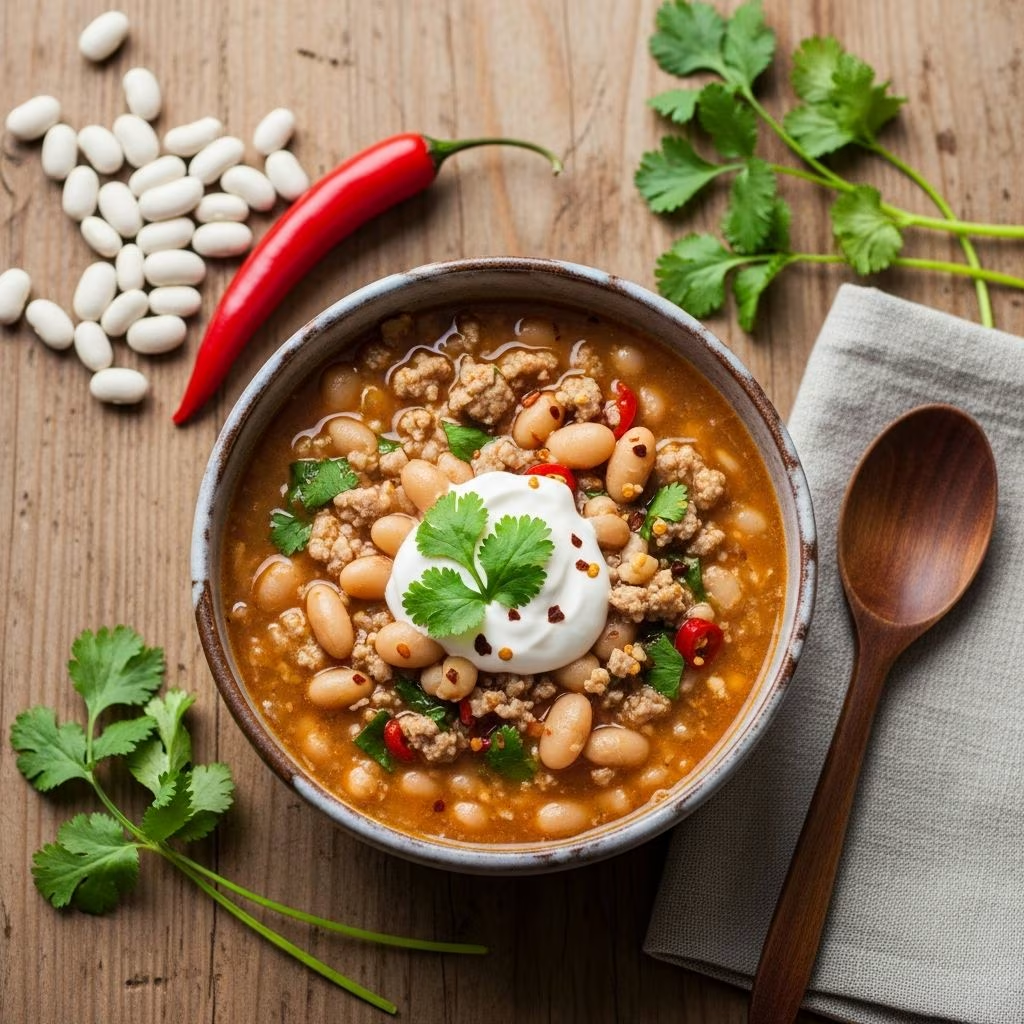
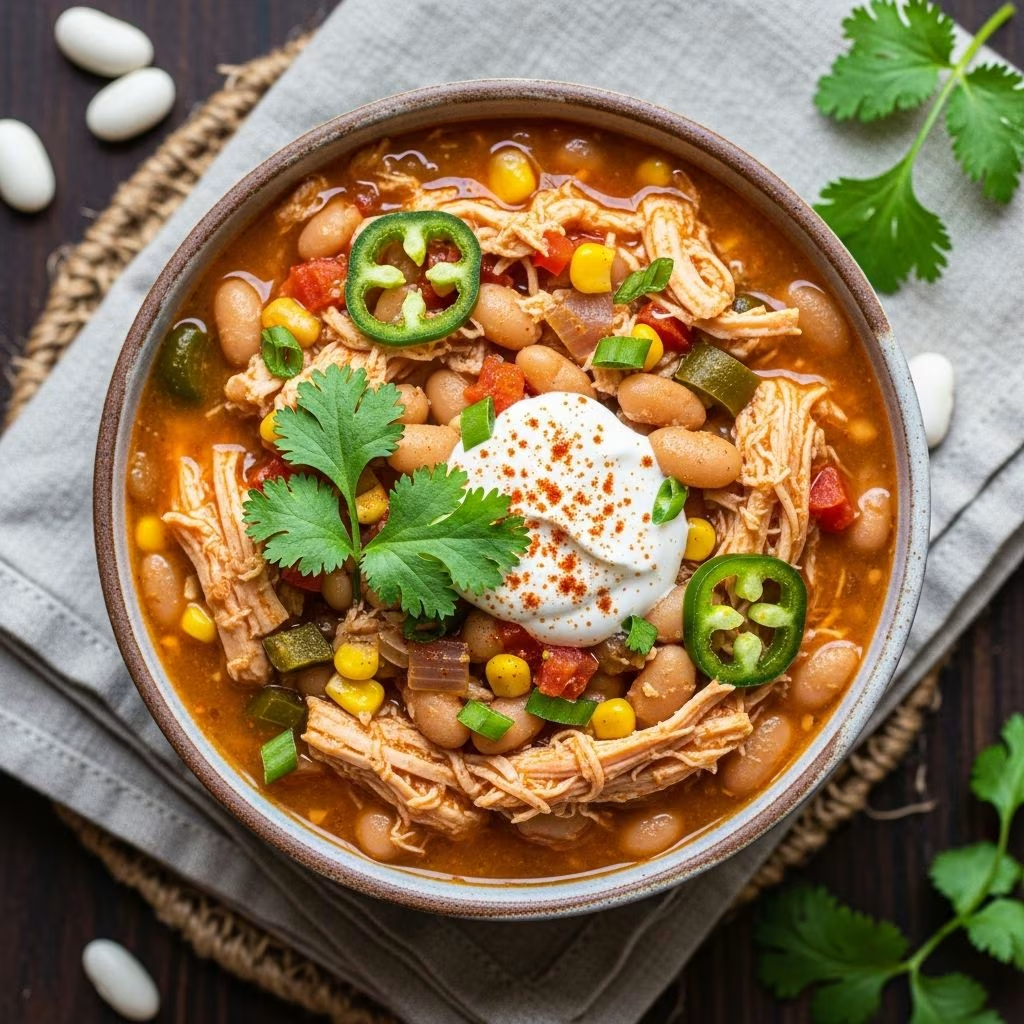
White bean chicken chili represents a beloved comfort food that combines tender chicken, creamy white beans, and aromatic spices into a single, satisfying dish. This variation on traditional chili offers a lighter, more subtle flavor profile compared to its red counterparts, making it appealing to those seeking a warming meal without overwhelming heat. The dish has become a staple in American kitchens, particularly during cooler months, and can be adapted to suit various dietary preferences and cooking schedules.
The beauty of this recipe lies in its versatility. Whether you’re cooking on a stovetop, utilizing a slow cooker, or preparing it ahead for meal prep, white bean chicken chili accommodates different lifestyles and kitchen capabilities. The combination of protein from chicken and beans creates a nutritionally balanced dish that satisfies hunger and provides sustained energy throughout the day.
Essential Ingredients for Success
Creating an authentic white bean chicken chili requires understanding each ingredient’s role in the final dish. While recipes may vary slightly, certain components remain fundamental to achieving the desired flavor and texture.
Protein Components
Chicken serves as the primary protein in this chili. Most recipes call for either bone-in, skinless chicken breasts or boneless, skinless chicken breasts, depending on your preferred cooking method and texture. Bone-in chicken provides additional flavor through the bone and connective tissues, while boneless chicken offers convenience and faster cooking times. White beans, typically cannellini or Great Northern varieties, provide secondary protein while contributing a mild, slightly nutty flavor and creamy texture when partially broken down during cooking.
Aromatic Base Elements
Onions form the foundation of flavor development in this dish. Yellow or white onions work equally well, offering a sweet undertone when cooked down slowly. Garlic cloves, minced finely, add depth and complexity to the broth. Fresh or canned jalapeños contribute a gentle heat and bright flavor that defines this specific chili variation without overwhelming the palate.
Seasoning Profile
Ground cumin provides the characteristic earthy undertone that distinguishes this chili. Dried oregano adds a Mediterranean note that rounds out the flavor profile. Some recipes incorporate smoked paprika for additional depth, while cayenne pepper offers customizable heat levels. Green chiles, whether fresh or canned, form the signature element that sets white bean chicken chili apart, offering a subtle fruity heat distinct from jalapeños alone.
Liquid and Finishing Elements
Low-sodium chicken broth serves as the cooking medium, allowing seasonings to meld and beans to become tender. Cream cheese, sour cream, or Greek yogurt added near the end creates the signature creamy texture without relying on heavy cream. Optional additions like beer, Worcestershire sauce, or hot sauce add complexity to the broth and enhance overall satisfaction. Fresh corn provides textural contrast and subtle sweetness, while cheese and fresh cilantro serve as garnishing elements.
Preparation Methods and Cooking Techniques
Stovetop Method
The stovetop approach offers the most hands-on cooking experience and typically requires 30 minutes to one hour of active and passive cooking time. Begin by heating oil in a large pot over medium heat. Sauté diced onions until they become translucent and slightly softened, approximately 5-8 minutes. Add minced garlic and green chiles, cooking for an additional 2-3 minutes until fragrant. Incorporate spices at this stage, allowing them to bloom in the hot oil for approximately one minute, which intensifies their flavors.
Add chicken broth and seasoned chicken pieces to the pot, bringing the mixture to a boil. Reduce heat and add drained white beans, simmering gently until the chicken reaches complete doneness and beans become very tender, typically 15-20 minutes. For a creamier consistency, transfer approximately three-quarters of a cup of beans to a separate container and mash them with a fork before returning them to the pot. This creates a naturally thickened broth without flour or additional thickeners.
In the final minutes, stir in cream cheese or sour cream until fully incorporated, then add fresh corn. Taste and adjust seasonings as needed. The entire stovetop process delivers ready-to-serve chili in under an hour, making it ideal for weeknight dinners.
Slow Cooker Method
The slow cooker approach suits busy schedules and those preferring minimal active cooking involvement. Combine all ingredients except cream-based additions and corn in a slow cooker, using only one can of beans with its liquid while draining the second can completely. This ensures proper broth consistency. Cook on high for 3-4 hours or on low for 8 hours, allowing flavors to develop gradually and chicken to become incredibly tender.
During the final 30 minutes of cooking, remove the cooked chicken, shred it into bite-sized pieces, and return it to the cooker. Simultaneously, mash some beans and add them back to increase creaminess. Add corn and sour cream or cream cheese during this final cooking stage to prevent curdling from prolonged heat exposure. This method produces an exceptionally tender final product with well-developed, complex flavors.
Ingredient Selection and Quality Considerations
| Ingredient Category | Recommended Options | Cooking Impact |
|---|---|---|
| Chicken Type | Bone-in breasts or boneless breasts | Bone-in adds flavor; boneless cooks faster |
| White Beans | Cannellini or Great Northern | Both offer mild flavor and creamy texture |
| Green Chiles | Fresh, canned, or roasted varieties | Affects heat level and flavor complexity |
| Broth Quality | Low-sodium chicken broth | Allows better seasoning control |
| Cream Component | Cream cheese, sour cream, or yogurt | Creates creaminess; yogurt lightens dish |
Customization and Variation Strategies
One of white bean chicken chili’s greatest strengths lies in its adaptability to personal preferences and dietary requirements. For those seeking reduced-fat versions, Greek yogurt can replace sour cream or cream cheese without sacrificing creaminess. The tartness adds another flavor dimension that some find preferable to traditional cream-based finishes.
Heat level customization occurs through jalapeño and cayenne pepper quantities. Start conservatively with these ingredients, as they intensify during cooking. Additional hot sauce added after cooking provides customizable heat without altering other flavor components. Conversely, those sensitive to spice can eliminate jalapeños entirely and use mild canned green chiles, which provide flavor without significant heat.
Vegetable additions beyond standard recipes expand nutritional value and texture variety. Diced bell peppers, carrots, or celery incorporate additional vegetables without disrupting the dish’s character. Some cooks add diced tomatoes for brightness or sweet corn for textural contrast. Mushrooms provide umami depth for those interested in vegetable-forward variations.
For a Mexican-inspired twist, incorporate adobo sauce, fresh lime juice, and cilantro more prominently. Those preferring Mediterranean flavors might increase oregano, add fresh dill, and finish with a squeeze of fresh lemon juice instead of lime.
Serving Suggestions and Accompaniments
White bean chicken chili pairs beautifully with numerous accompaniments that enhance both flavor and dining experience. Cornbread, whether sweet or savory, complements the chili’s earthy spices and provides appealing textural contrast. Crusty bread or warm tortillas serve similar purposes while adding heartiness to the meal.
Traditional garnishes include shredded cheese, sour cream dollops, sliced jalapeños, diced avocado, and fresh cilantro sprigs. Each adds flavor, texture, and visual appeal. A squeeze of fresh lime juice brightens the dish moments before consumption, adding acidity that balances richness from cream components. Tortilla chips provide satisfying crunch as an alternative to bread-based sides.
For casual entertaining, set up a topping bar where guests customize their bowls according to personal preferences. This approach accommodates various dietary restrictions and flavor preferences while creating an interactive dining experience that encourages conversation and enjoyment.
Storage, Reheating, and Meal Prep Considerations
White bean chicken chili stores exceptionally well, making it ideal for meal preparation and advance cooking. After cooling to room temperature, transfer the chili to airtight containers and refrigerate for up to 4-5 days. The flavors actually improve during storage as ingredients continue melding and developing complexity. For longer storage, freeze portions in freezer-safe containers for up to 3 months.
When reheating, thaw frozen chili in the refrigerator overnight, then gently warm in a pot over low heat, stirring occasionally. Add a splash of additional broth if the texture has thickened excessively during storage. Avoid high heat reheating, which can cause cream components to separate or become grainy. Microwave reheating works in individual portions, though stovetop warming typically produces better texture and flavor recovery.
Meal prep strategies benefit greatly from this recipe’s make-ahead nature. Prepare large batches on weekend afternoons, portion into individual containers, and grab ready-made lunches or dinners throughout the busy week. This approach saves time during hectic periods while ensuring nutritious, homemade meals remain accessible.
Frequently Asked Questions
Can I use dried beans instead of canned?
Yes, dried beans work excellently and often produce superior texture and flavor compared to canned alternatives. Soak dried beans overnight in cold water, drain thoroughly, then proceed with cooking as directed. Cooking time may extend slightly as beans require more time to reach tenderness compared to pre-cooked canned varieties.
What if my chili becomes too thick?
Simply stir in additional chicken broth, water, or even diced tomatoes with their liquid to achieve desired consistency. Add gradually while stirring, as excess liquid can be difficult to remedy. This situation rarely presents problems since the dish can accommodate consistency adjustments throughout cooking and after completion.
How do I make this recipe vegetarian?
Substitute chicken with additional beans, mushrooms, or plant-based protein alternatives. Use vegetable broth instead of chicken broth and increase vegetable components like peppers, zucchini, or tomatoes. The resulting dish remains satisfying and flavorful despite the protein substitution.
Can I prepare this in an Instant Pot?
Yes, pressure cooking significantly reduces cooking time. Use the sauté function to build aromatics, then add remaining ingredients and pressure cook on high for 8-10 minutes. The final creaminess step remains the same, added after pressure release.
Nutritional Benefits and Health Considerations
White bean chicken chili provides substantial nutritional value through multiple components. Chicken offers lean protein essential for muscle maintenance and satiety. White beans contribute fiber, additional protein, and complex carbohydrates that provide sustained energy. The combination creates a well-balanced meal supporting various dietary goals from weight management to athletic performance recovery.
Green chiles contain vitamin C and capsaicin, a compound associated with metabolism support and anti-inflammatory properties. Garlic and onions provide beneficial compounds that contribute to cardiovascular health. The overall nutrient density of this dish supports comprehensive wellness while delivering genuine satisfaction and comfort.
For those monitoring sodium intake, using low-sodium broths and controlling added salt ensures this dish remains appropriate for various dietary restrictions. Those managing other health conditions can adjust ingredients accordingly without compromising the fundamental character that makes this chili appealing.
Conclusion: Mastering Your White Bean Chicken Chili
White bean chicken chili represents accessible comfort cooking that accommodates numerous lifestyle variations and personal preferences. Whether prepared on busy weeknights or leisurely weekend afternoons, this versatile dish delivers satisfaction through simple ingredients and straightforward techniques. Understanding the fundamentals of ingredient selection, cooking methods, and customization strategies empowers home cooks to create versions perfectly suited to their unique tastes and circumstances. The result justifies the minimal effort required, offering nourishing meals that warm both body and spirit.
References
- Cannellini Beans: Nutritional Information and Culinary Uses — USDA FoodData Central. 2024. https://fdc.nal.usda.gov/
- Capsaicin and Health Benefits in Chili Peppers — National Center for Biotechnology Information. 2023. https://www.ncbi.nlm.nih.gov/
- Food Safety Guidelines for Storing and Reheating Cooked Foods — CDC Food Safety. 2024. https://www.cdc.gov/foodsafety/
- Chicken Breast Cooking Temperatures and Safety Standards — USDA Meat and Poultry Hotline. 2024. https://www.usda.gov/
- Slow Cooker Cooking Methods and Best Practices — University of Nebraska-Lincoln Extension. 2023. https://extension.unl.edu/