Fresh pineapple brings a burst of tropical sweetness to salads, smoothies, grilled dishes, and desserts. Yet, its tough exterior and spiky leaves often intimidate home cooks. This guide demystifies the process, offering step-by-step instructions for safe, efficient cutting that maximizes yield and flavor while minimizing waste. Whether aiming for bite-sized chunks, elegant rings, or juicy spears, these techniques require only basic tools and a bit of practice.
Why Bother Cutting Pineapple at Home?
Pre-cut pineapple from stores is convenient but pricey and less fresh, often losing vibrancy within days. Cutting your own ensures peak ripeness, better texture, and cost savings— a whole fruit yields far more edible portions than packaged versions. Plus, you control portion sizes and avoid preservatives. Home-prepared pineapple shines in recipes like piña colada smoothies, spicy salsas, or simple fruit platters.
Selecting the Perfect Pineapple
Start with quality fruit for effortless cutting and superior taste. Look for these signs of ripeness:
- A golden-yellow hue on the lower third, transitioning to green at the top—avoid fully green or overly dark specimens.
- Firm but slightly yielding flesh when pressed gently at the base.
- Sweet, fruity aroma from the stem end; no fermented or vinegary smells.
- Heavy weight for its size, indicating juiciness.
- Crown leaves that pull out easily with a tug.
Skip pineapples with soft spots, bruises, or mold. Golden varieties like Smooth Cayenne offer the best balance of sweetness and low acidity.
Essential Tools for Success
Gather these items before starting:
- Large, sharp chef’s knife (8-10 inches) for trimming and slicing.
- Stable cutting board with a non-slip surface.
- Small paring knife for detailed work like eyes.
- Bowl for scraps and storage containers.
- Optional: serrated knife for skin, cookie cutter for rings.
Sharpen knives beforehand—a dull blade slips and wastes fruit. Work on a damp towel to anchor the board.
Basic Trimming: Foundation of Every Cut
Every method begins with stabilizing the pineapple. Place it sideways on the board. Grip firmly and slice off the crown (leaves and ½-inch flesh) with a single downward cut. Flip and trim the bottom similarly, creating flat ends. Stand the fruit upright on its base—this prevents rolling and ensures even cuts.

Method 1: Chunk Style for Snacks and Salads
This approach yields tidy, core-free pieces ideal for quick eating or mixing into dishes.
- After trimming, stand the pineapple upright. Slice downward in vertical strips, removing the rind in ½-inch sections. Rotate as needed, keeping the blade close to the edge to preserve sweet flesh.
- Target brown “eyes” (spiral scars) with the paring knife tip, scooping minimally.
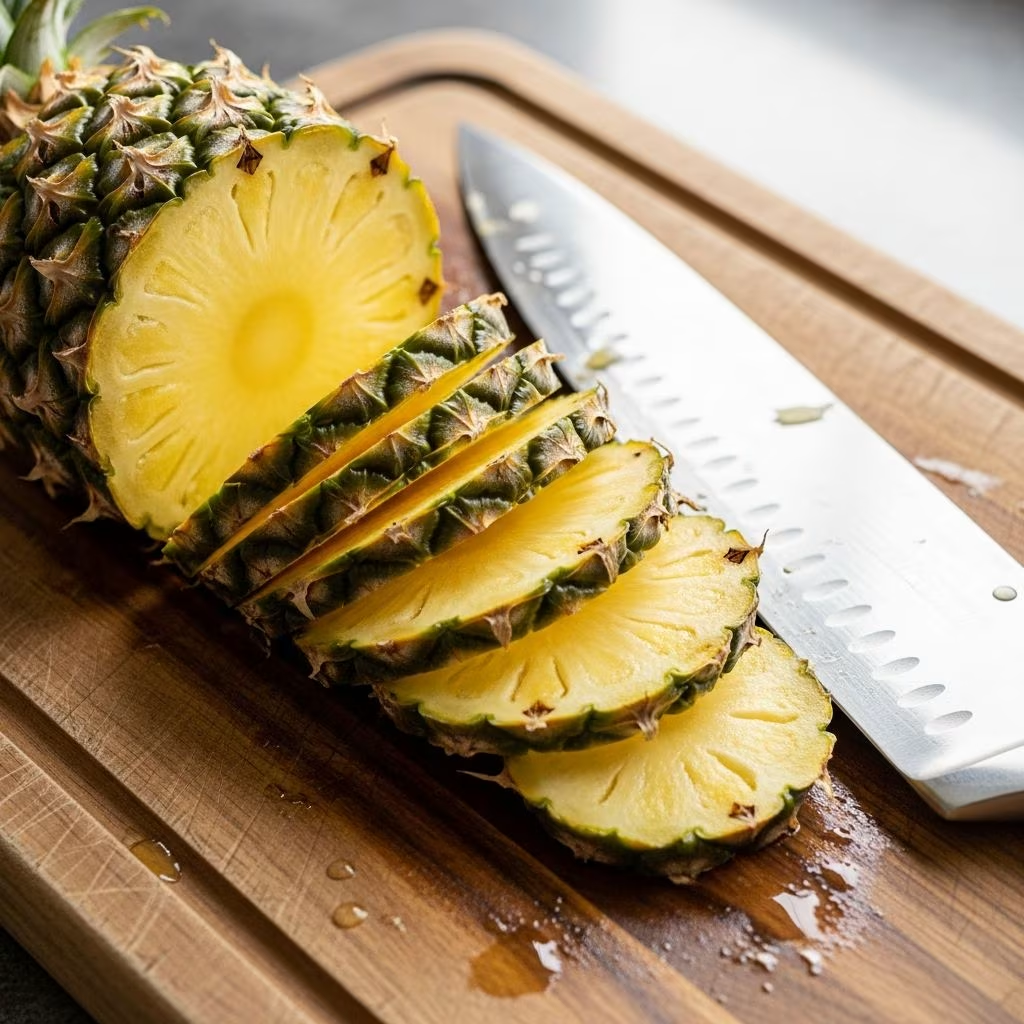
- Lay the peeled cylinder horizontally. Cut into ½-1 inch thick rounds.
- Stack 2-3 rounds. Slice out the central core (pale, fibrous circle) using a small round cutter or knife—aim for 1-inch diameter.
- Chop rings into quadrants or smaller triangles for uniform chunks.
Yield: About 4-5 cups from a medium fruit. Pro tip: The sweetest parts hug the rind, so trim conservatively.
Method 2: Spear or Boat Presentation
Perfect for parties or grilled skewers, spears retain some rind for easy handling.
- Trim top and bottom as before.
- Halve vertically through the center.
- Quarter each half lengthwise.
- For each quarter, position skin-down. Slice along both edges of the core at a slight angle, forming a V to remove it entirely.
- Score the flesh lengthwise and crosswise without piercing the skin (½-inch grid).
- Run the knife between flesh and rind to loosen, or serve attached as a “boat.”
These spears grill beautifully, caramelizing natural sugars. Discard the core—it’s too tough for eating.
Method 3: Ring Slices for Upscale Platters
Rings suit pizzas, upside-down cakes, or decorative displays.
- Trim ends and peel fully as in chunk method.
- Slice cylinder into ½-¾ inch rounds (thinner for tidbits, thicker for grilling).
- Core each ring individually with a 1-inch cutter, knife, or apple corer.
- For efficiency with many rings, slice first, then core in batches.
Store rings flat to prevent browning. They freeze well for smoothies.
Safety First: Avoid Common Pitfalls
Pineapple’s size and slipperiness demand caution:
| Risk | Prevention |
|---|---|
| Slippery grip | Pat dry; use a textured board. |
| Blade slips | Sharpen knife; cut slowly with full control. |
| Core mishandling | Quarter first for better access. |
| Eye punctures | Scoop shallowly post-peel. |
Wash hands and fruit first. Keep fingers curled under (claw grip). If juice irritates skin, wear gloves—bromelain enzymes cause tingling.
Storage and Freezing Tips
Fresh-cut pineapple lasts 3-5 days in an airtight container in the fridge. Submerge in pineapple juice to retain color. For longer storage:
- Freeze chunks/spears: Spread on a tray to freeze individually (1-2 hours), then bag. Use within 6 months.
- Rings: Freeze flat in bags; thaw slightly for recipes.
- Avoid refreezing thawed fruit to preserve texture.
Frozen pineapple excels in blends, sorbets, or baking—no need to defrost.
Creative Recipe Ideas
Elevate your cuts:
- Grilled Spears: Brush with oil, grill 2-3 min per side.
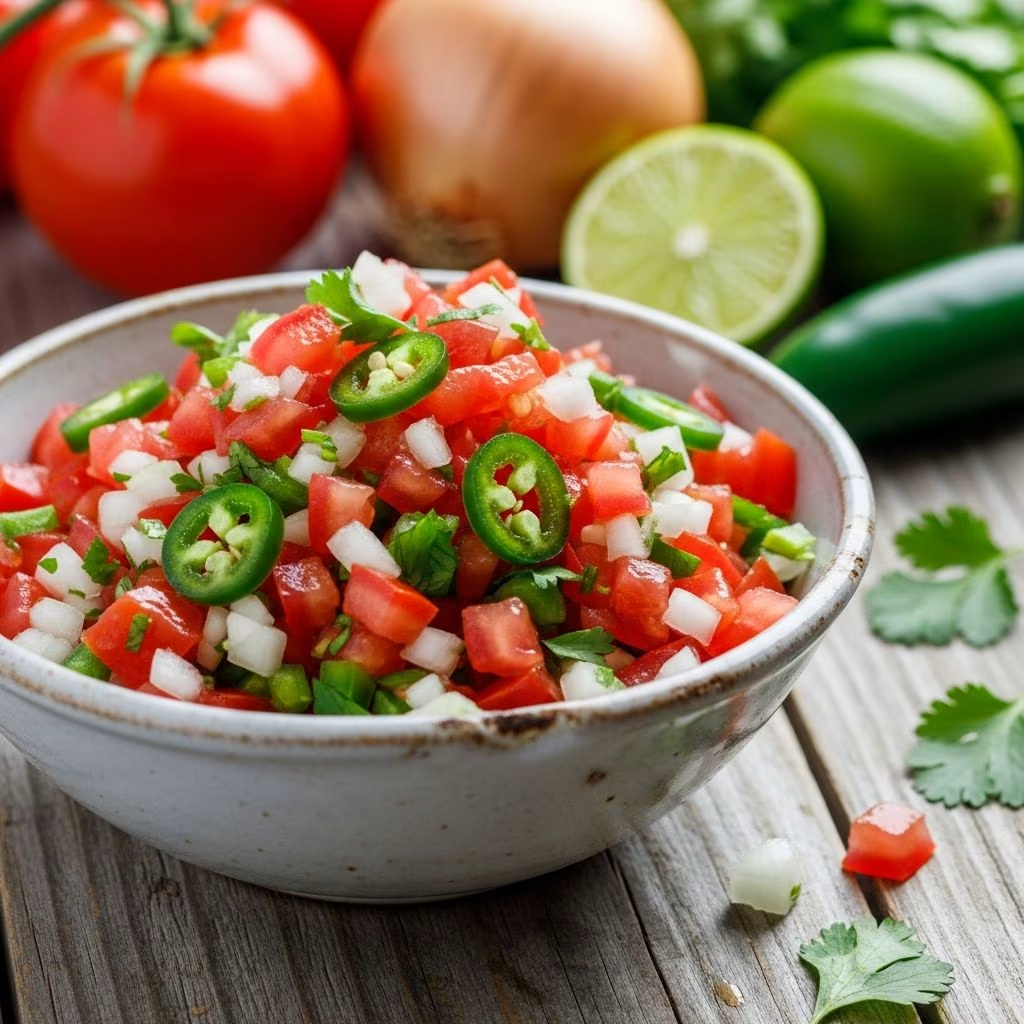
- Pineapple Salsa: Dice chunks with onion, cilantro, lime, jalapeño.
- Tropical Smoothie: Blend chunks, banana, yogurt, coconut milk.
- Baked Rings: Top with ham glaze for holiday mains.
- Frozen Bites: Skewer for popsicles.
Pair with proteins like shrimp or pork for balanced meals.
Nutrition Spotlight
One cup of pineapple chunks delivers 80 calories, 22g carbs (mostly natural sugars), 2g fiber, vitamin C (79mg, over daily needs), and manganese for bone health. Bromelain aids digestion. Eat in moderation due to natural sugars.
Frequently Asked Questions
Can I eat the core?
No, it’s fibrous and indigestible. Compost or boil for stock.
How do I know if it’s ripe?
Sniff the base for sweetness; leaves pull easily.
Why is my pineapple brown after cutting?
Enzymatic browning—lemon juice or airtight storage prevents it.
Best knife for beginners?
A sturdy 8-inch chef’s knife; serrated for rind.
Can I cut without a big knife?
Seriously? Yes, but expect more effort and waste. Use kitchen shears for crown.
Advanced Twists for Pros
Try the “twist” peel: After trimming ends, grip and twist off the crown like a cork. For ultra-thin slices, use a mandoline post-peeling. Experiment with torching rings for brûlée effect. These elevate prep to culinary art.
Mastering pineapple cutting builds confidence for other tricky fruits like mango or papaya. Practice once, and you’ll breeze through markets’ bounty forever.
References
- How to Cut a Pineapple | The Mediterranean Dish — The Mediterranean Dish. 2023-05-15. https://www.themediterraneandish.com/how-to-cut-a-pineapple/
- How to Cut a Pineapple (Quick & Easy) – The Forked Spoon — The Forked Spoon. 2023-08-20. https://theforkedspoon.com/how-to-cut-a-pineapple/