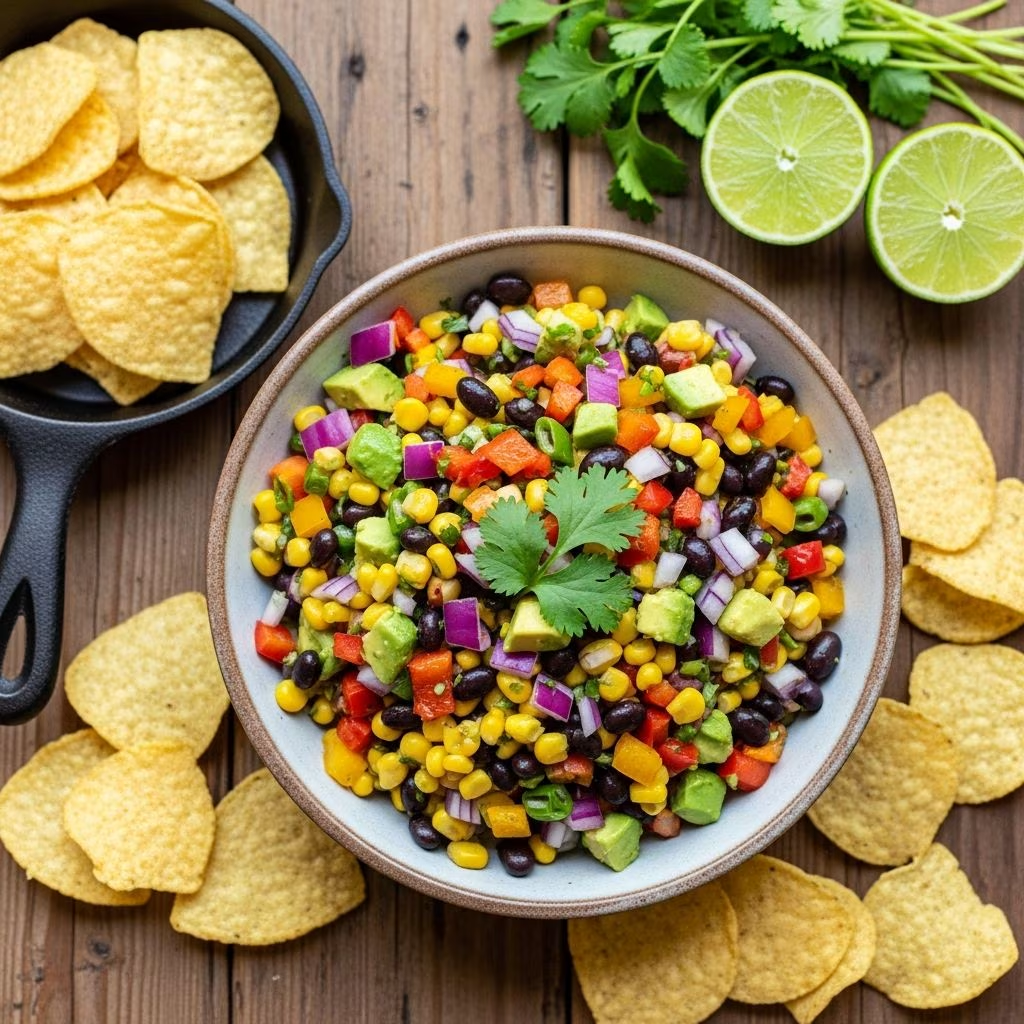
Whether you’re hosting a summer gathering or looking for a crowd-pleasing appetizer that requires minimal effort, cowboy caviar stands as a quintessential addition to any table. This vibrant, colorful dip combines the heartiness of legumes with the freshness of garden vegetables and the zest of bold seasoning, creating a dish that appeals to various palates and dietary preferences. The preparation time of roughly 15 minutes makes it an ideal choice for those moments when you need something impressive yet manageable.
Understanding Cowboy Caviar’s Appeal
Cowboy caviar represents more than just a recipe—it’s a culinary concept that bridges the gap between traditional Southwestern cuisine and modern entertaining. The name itself evokes imagery of rugged simplicity, yet the actual composition proves surprisingly sophisticated. The dish achieves its appeal through the interplay of textures: the firmness of beans, the crunch of raw vegetables, and the creaminess of avocado work together harmoniously. Additionally, the bright, citrus-forward dressing ties all components together while enhancing rather than masking the natural flavors of the ingredients.
This versatility means cowboy caviar transcends the role of a simple party dip. Guests and hosts alike appreciate its flexibility—it works as a standalone appetizer with tortilla chips, transforms into a salad topping, fills tacos authentically, or even serves as a substantial side dish alongside grilled proteins. The plant-based protein content makes it particularly appealing to vegetarians, vegans, and those seeking lighter meal options without sacrificing satisfaction or flavor.
Essential Ingredients for Authentic Cowboy Caviar
The Foundation: Legumes
The base of any respectable cowboy caviar begins with legumes that provide both nutritional substance and textural contrast. Black-eyed peas form the traditional cornerstone, contributing a slightly earthy undertone and a firmer bite compared to other beans. Black beans complement these perfectly, adding depth of flavor and a darker visual element that enhances the dish’s overall appearance. Many cooks appreciate the convenience of canned varieties, which require only draining and rinsing to eliminate excess sodium and packaging liquid. Those preferring homemade versions can cook dried beans ahead of time, adjusting seasoning to personal preference.
The combination of two bean varieties creates a more interesting texture profile than relying on a single type. The different sizes and firmness levels mean each bite contains varied sensations, preventing the dip from becoming monotonous. Some creative variations incorporate pinto beans or navy beans, though the black-eyed pea and black bean pairing remains most traditional and balanced.
Fresh Vegetables and Herbs
The vegetable component provides both nutritional benefits and visual appeal. Roma tomatoes, when properly diced into small, uniform pieces, contribute juicy sweetness and acidity that balances richness. Sweet corn adds a pop of bright color and natural sugars that complement the lime-forward dressing beautifully. Fresh bell peppers in multiple colors—red, orange, and yellow—enhance the visual presentation while offering subtle variations in sweetness and flavor profiles.
Red onions provide sharpness and bite, their raw intensity mellowing slightly as the dip sits and the flavors meld together. Fresh cilantro represents the herbal element, its distinctive character essential to achieving authentic Southwestern flavor. For those sensitive to cilantro’s polarizing taste, fresh parsley offers a milder herbal contribution without compromising the overall balance. Jalapeño peppers introduce heat appropriate to personal tolerance levels; they can be minimized, maximized, or eliminated entirely based on preferences.
The inclusion of avocado transforms the dip’s texture dramatically, introducing creaminess without any dairy products. Unlike other ingredients that benefit from advance preparation, avocado should be added closer to serving time to prevent browning and maintain its appealing pale green color.
Crafting the Perfect Dressing
The dressing represents the unifying element that transforms disparate ingredients into a cohesive dish. Extra virgin olive oil serves as the base, providing richness and body. Fresh lime juice rather than bottled versions delivers superior brightness and complexity; the natural acidity cuts through heavier elements while reinforcing Southwestern authenticity.
Ground cumin grounds the flavor profile in Southwestern tradition, its warm earthiness complementing both vegetables and legumes. Garlic—either minced fresh or in powdered form—adds pungency and depth. Salt and black pepper complete the seasoning foundation, though their quantities demand careful calibration to avoid overwhelming more delicate flavors. Some recipes incorporate honey to balance acidity and add subtle sweetness, while others introduce white wine vinegar or red wine vinegar for additional tang and complexity.
| Dressing Component | Function | Typical Amount |
|---|---|---|
| Extra Virgin Olive Oil | Provides richness and carries fat-soluble flavors | ⅓ cup |
| Fresh Lime Juice | Adds brightness and acidity | 2-3 tablespoons |
| Ground Cumin | Contributes Southwestern character | ½-1 teaspoon |
| Minced Garlic | Adds pungency and depth | 1-2 cloves |
| Salt | Enhances overall flavor | ½-1 teaspoon |
| Black Pepper | Adds subtle heat and complexity | ¼ teaspoon |
Step-by-Step Preparation Process
Ingredient Preparation and Organization
Success with cowboy caviar begins with thorough mise en place—gathering and preparing all ingredients before mixing begins. Drain and rinse canned beans thoroughly under cool running water, which removes excess sodium and starch while improving digestibility. If using fresh corn, cut kernels from the cob; frozen corn should thaw and drain completely. Dice all vegetables into uniform pieces approximately ¼ to ½ inch in size, which promotes even flavor distribution and pleasant eating experience. Chop cilantro just before use to maintain color vibrancy and aromatic potency.
Combining Base Ingredients
In a large mixing bowl, combine the drained beans, corn, diced tomatoes, bell peppers in various colors, red onion, jalapeño peppers, and fresh cilantro. This order proves less important than ensuring even distribution throughout; gently toss ingredients together to achieve thorough mixing without damaging delicate vegetables or bruising avocados if added at this stage. Some cooks prefer adding avocado later to prevent premature browning and maintain visual appeal.
Dressing Preparation and Integration
Prepare the dressing in a separate small bowl or measuring cup. Whisk together olive oil, fresh lime juice, minced garlic, ground cumin, salt, and black pepper with vigorous motion, which emulsifies components and distributes flavors evenly. Taste the dressing before adding it to vegetables, adjusting seasoning as needed. Pour the dressing over the vegetable mixture and gently fold together until all pieces glisten with coating. Avoid vigorous stirring, which can break down vegetables unnecessarily or bruise avocado pieces.
Flavor Development and Serving
Allow the prepared cowboy caviar to rest in the refrigerator for at least 20 to 30 minutes before serving. This resting period permits flavors to marry and mature, resulting in more complex, balanced taste compared to immediate consumption. Add avocado just before serving if not incorporated during initial mixing, preserving its creamy texture and attractive appearance. Taste again before serving, adjusting salt, lime juice, or cumin if desired based on personal preference or room temperature effects on flavor intensity.
Serving Suggestions and Presentation Ideas
Traditional Chip and Dip Service
Cowboy caviar shines when served as a dip with tortilla chips, which provide sturdy vehicles for scooping while complementing Southwestern flavors. Select high-quality tortilla chips with interesting textures and flavors—blue corn varieties add visual interest and subtle sweetness, while lime-flavored chips enhance the overall Southwestern theme. Arrange the dip in an attractive serving bowl and place the chip container nearby or use tiered stands for sophisticated presentation at larger gatherings.
Versatile Integration into Other Dishes
Beyond its role as a standalone dip, cowboy caviar enriches numerous dishes. Spoon it atop grilled chicken or fish for a fresh, protein-balanced meal. Use it as a taco filling alongside seasoned meats or as the primary filling for vegetarian tacos. Layer it in salads, atop baked potatoes, or alongside grilled vegetables for summer entertaining. Its bright flavors and substantial texture make it suitable for plating alongside various proteins or starches, adapting seamlessly to many culinary contexts.
Customization and Variation Possibilities
Bean and Legume Alternatives
While black-eyed peas and black beans form the traditional base, cooks can experiment with pinto beans, kidney beans, or even lentils for different flavor profiles and textures. White beans create a lighter-looking dip while maintaining protein content. Chickpeas introduce nuttiness and contribute different textural qualities. The choice depends on personal preference and dietary considerations, though traditional combinations remain most balanced and familiar to most palates.
Vegetable Substitutions and Seasonal Adjustments
Adapt cowboy caviar according to seasonal availability and personal preferences. Fresh tomatoes work beautifully during summer months, while canned fire-roasted tomatoes substitute well during off-seasons. Roasted corn contributes deeper flavor than raw varieties. Cherry tomatoes cut into quarters offer elegant presentation for formal occasions. Cucumber adds refreshing crispness, though its high water content requires careful handling to prevent excess moisture accumulation.
Spice Level Modifications
The heat level adjusts easily based on individual preferences. Remove jalapeño seeds and white membranes to reduce spiciness significantly, or add additional peppers for those preferring more heat. Incorporate smoked paprika or chili powder for depth without additional burn. Cilantro-averse diners appreciate fresh parsley or additional green bell pepper in its place.
Storage and Make-Ahead Considerations
Cowboy caviar demonstrates remarkable make-ahead versatility, with most components storing well for 24 to 48 hours in covered refrigerator containers. The flavors often improve as they meld, meaning preparation the day before service proves advantageous. Keep avocado separate until the final hour before serving, adding it last to prevent browning. The dressing keeps fresh for several days, making it possible to prepare components separately and combine them shortly before serving. Avoid freezing, as the texture of fresh vegetables and avocado deteriorates significantly during the freezing and thawing process.
Nutritional Considerations
Cowboy caviar delivers substantial nutritional benefits beyond its appealing taste. The combination of beans provides plant-based protein, dietary fiber, and essential minerals including iron and magnesium. Fresh vegetables contribute vitamins, antioxidants, and additional fiber while remaining low in calories. Olive oil supplies heart-healthy monounsaturated fats. The overall dish suits vegetarian, vegan, and gluten-free diets, making it inclusive for various dietary requirements without sacrifice or compromise.
Frequently Asked Questions
Can cowboy caviar be prepared in advance?
Yes, most components prepare excellently 24 hours ahead. Keep avocado separate until serving to prevent browning. The flavors actually improve as they sit and meld together.
How long does prepared cowboy caviar last?
Properly stored in a covered container in the refrigerator, cowboy caviar remains fresh for 2 to 3 days, though flavor and texture prove optimal within 24 hours of preparation.
What accommodates those allergic to avocado?
Simply omit avocado entirely—the dip remains delicious. Alternatively, add diced mozzarella, feta cheese, or cooked chickpeas for additional creaminess and substance.
Does this recipe work for dietary restrictions?
Cowboy caviar naturally suits vegetarian and vegan diets, contains no gluten, and can be adapted for nut allergies. It presents an excellent option for inclusive entertaining.
What pairs well with cowboy caviar beyond chips?
Serve it alongside grilled proteins, atop salads, in tacos, with grilled vegetables, or alongside summer entertaining spreads featuring various dips and appetizers.
References
- Downshiftology Cowboy Caviar Recipe — Downshiftology. Accessed April 2026. https://downshiftology.com/recipes/cowboy-caviar/
- The Roasted Root Easy Cowboy Caviar — The Roasted Root. Accessed April 2026. https://www.theroastedroot.net/easy-cowboy-caviar/
- Savory Thoughts Best Cowboy Caviar Recipe — Savory Thoughts. Accessed April 2026. https://www.savorythoughts.com/cowboy-caviar/
- Little Spice Jar Healthy Texas Cowboy Caviar — Little Spice Jar. Accessed April 2026. https://www.littlespicejar.com/healthy-texas-cowboy-caviar/
- Spend With Pennies Cowboy Caviar — Spend With Pennies. Accessed April 2026. https://www.spendwithpennies.com/cowboy-caviar/