Understanding the Foundation of This Soup
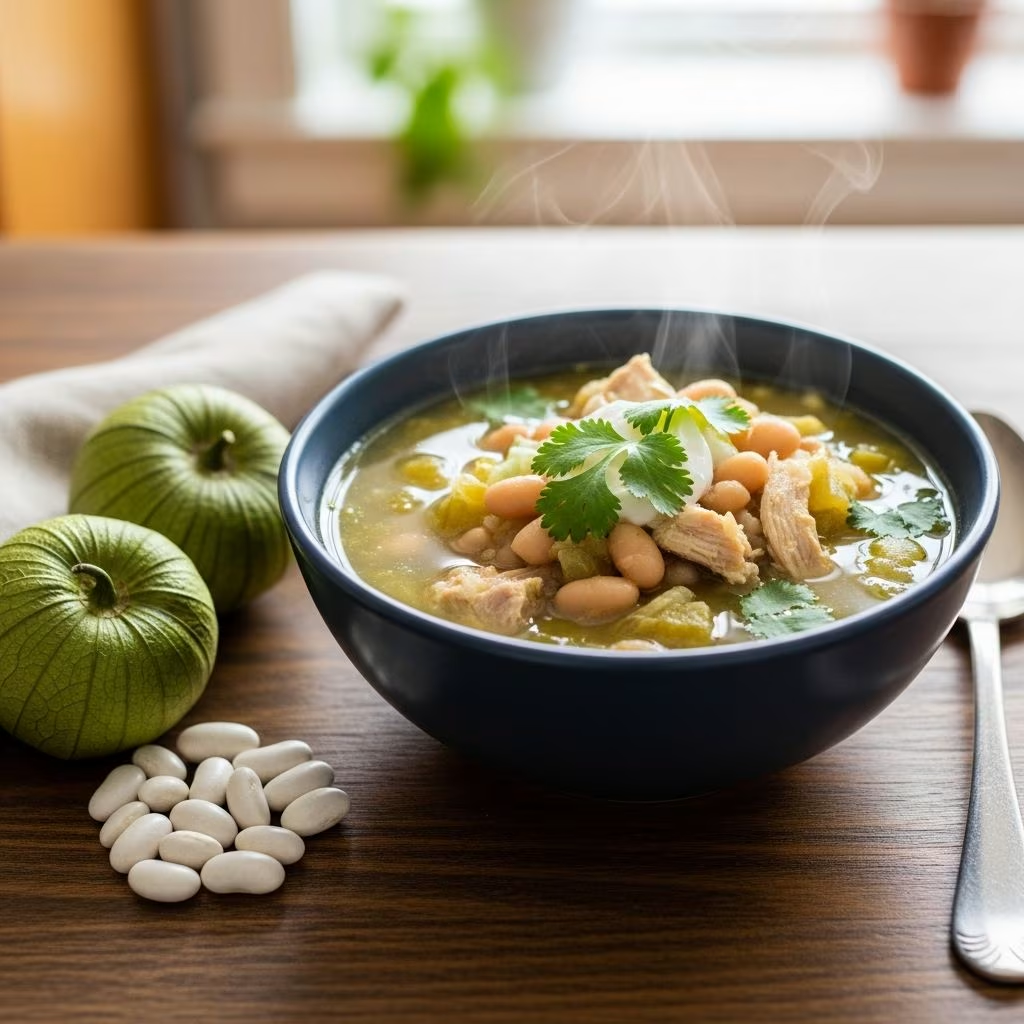
White bean and tomatillo soup represents a beautiful intersection of comfort food and bright, fresh flavors. This dish combines the earthy heartiness of white beans with the zesty, slightly acidic notes that tomatillos bring to the table. The result is a soup that feels both nourishing and refreshing, making it suitable for any season but particularly appealing during warmer months when fresh tomatillos are readily available. The foundation of this soup rests on a few key principles: proper bean preparation, understanding tomatillo characteristics, and balancing acidity with richness through thoughtful ingredient selection.
Selecting and Preparing Your Primary Ingredients
The success of white bean and tomatillo soup begins with ingredient selection. White beans come in several varieties, each with distinct characteristics that influence the final dish. Northern beans and cannellini beans are the most commonly used options. Northern beans tend to be smaller and cook more uniformly, while cannellini beans are larger and maintain their shape better during extended cooking. For those seeking convenience, canned beans work exceptionally well and significantly reduce preparation time.
Tomatillos, often mistaken for green tomatoes, are actually members of the nightshade family with a papery husk that must be removed before use. Fresh tomatillos should feel firm to the touch and have a bright green color without soft spots. When selecting tomatillos for soup, choose specimens that are ripe enough to be flavorful but still maintain their tartness. The acidity in tomatillos provides essential flavor balance that prevents the soup from becoming one-dimensional.
Dried Bean Preparation Methods
- Sort beans by spreading them on a flat surface and removing any debris, stones, or discolored beans
- Rinse beans thoroughly under cold running water to remove surface dust and any residual starches
- Soak beans overnight in water (about 3 inches above the beans) to reduce cooking time and improve digestibility
- For quick soaking, place beans in water, bring to a boil, remove from heat, cover, and let sit for one hour
- Drain soaking water and rinse beans before cooking
The Cooking Methodology: Building Layers of Flavor
Creating exceptional white bean and tomatillo soup relies on a methodical cooking approach that develops flavor through stages. The process begins with aromatic vegetables, continues with spice blooming, and culminates in gentle simmering that allows ingredients to meld. This staged approach prevents the common pitfall of one-note soups and creates complexity that satisfies both the palate and the appetite.
Step-by-Step Cooking Process
Initial Aromatic Development: Begin by heating olive oil or another cooking fat in a large pot over medium-high heat. Add diced white onion and cook for approximately five minutes, stirring occasionally. This allows the onions to soften and release their natural sugars, creating a sweet aromatic base. The onions should become translucent and fragrant without browning excessively.
Spice Blooming: After the onions have softened, add minced garlic and cook for one minute. The brief cooking time for garlic prevents it from burning while allowing its flavors to mellow. At this point, incorporate spices such as ground cumin and coriander, along with salt. These spices should cook for about five minutes, stirring frequently. This process, known as blooming, activates the volatile compounds in spices and makes them less sharp and more integrated into the overall flavor profile.
Tomatillo Integration: Add freshly prepared tomatillos (cut into smaller pieces) to the aromatic mixture and continue cooking for several minutes. This allows the tomatillos to begin breaking down and release their juices. At this stage, you might add sliced jalapeños if spice is desired.
Bean Addition and Simmering: Introduce the beans and liquid (whether water or vegetable broth) to the pot. Bring everything to a boil, then reduce heat and cover partially. Simmer gently for 20-30 minutes if using canned beans that are already cooked, or 60-90 minutes for dried beans that were soaked. The soup is ready when beans are completely tender and flavors have melded together.
Ingredient Combinations and Flavor Profiles
| Component | Purpose | Quantity Guidance | Variations |
|---|---|---|---|
| White Beans | Protein and heartiness | 3-4 cans or 1 lb dried | Navy beans, Great Northern beans |
| Tomatillos | Brightness and acidity | 12-15 medium tomatillos | Increase for tangier flavor |
| Onion | Aromatic base | 1 white onion | Yellow or red onions work similarly |
| Garlic | Depth and complexity | 3-4 cloves, minced | Adjust to taste preference |
| Cumin and Coriander | Warm spice notes | 1-1.5 tsp each | Add oregano or chile powder |
| Jalapeño | Heat and fresh pepper flavor | 1 whole or sliced | Omit for mild; add serrano for heat |
| Liquid | Cooking medium | 4-7 cups | Vegetable broth or water |
Roasting as an Alternative Technique
While the stovetop simmering method described above works beautifully, roasting tomatillos before adding them to the soup creates deeper, more complex flavors. To roast tomatillos, remove their papery husks, wash them, and place them on a baking sheet lined with foil. Roast at 400 degrees Fahrenheit for approximately 15-20 minutes until they become soft and slightly charred. This roasting process caramelizes the natural sugars and adds subtle smoky notes that complement the beans. Once roasted, the tomatillos can be blended into a smooth puree or left slightly chunky, depending on your preferred texture.
Customization Options and Variations
White bean and tomatillo soup offers tremendous flexibility for customization based on dietary preferences, ingredient availability, and flavor inclinations. Some cooks prefer adding roasted poblano peppers for additional depth, while others incorporate corn kernels during the final minutes of cooking. The versatility of this soup means it can be adapted to suit various cuisines and personal tastes while maintaining its essential character.
Protein and Texture Modifications
- Leave the soup chunky for a hearty stew-like consistency
- Blend half the soup and recombine for a creamier texture
- Add shredded chicken or turkey during the final cooking minutes for added protein
- Incorporate chorizo or other seasoned sausage for richer flavors
- Use hominy alongside beans for additional substance and traditional Mexican flavor
Finishing Touches and Serving Suggestions
The final moments of soup preparation involve seasoning adjustments and deciding on garnishes. Taste the soup before serving and adjust salt and pepper accordingly. Many cooks find that adding fresh lime juice just before serving brightens all the flavors significantly. Tomatillos are naturally acidic, but fresh lime juice adds a different quality of brightness that enhances the overall eating experience.
Recommended Toppings and Accompaniments
- Fresh cilantro leaves for herbaceous notes
- Diced avocado for creamy richness
- Crispy tortilla strips for textural contrast
- Crumbled queso fresco or cotija cheese
- Sour cream or Mexican crema for cooling creaminess
- Lime wedges for additional acidic punch
- Radish slices for peppery crunch
- Red onion for sharp, fresh flavor
Timing and Meal Planning Considerations
One of the primary advantages of white bean and tomatillo soup is its flexibility regarding preparation timing. If using canned beans, the entire soup can be prepared in approximately 40 minutes from start to finish, making it feasible for weeknight dinners. For those using dried beans, advance planning allows for overnight soaking and cooking beans ahead of time. The finished soup stores exceptionally well in the refrigerator for up to five days and also freezes beautifully for up to three months, making it an excellent candidate for meal preparation and batch cooking.
Frequently Asked Questions
Can I make this soup in an Instant Pot or pressure cooker?
Yes, pressure cookers significantly reduce cooking time. If using dried beans that have been soaked, they can cook under pressure for approximately 15-20 minutes. Add the aromatic vegetables and tomatillos afterward to prevent flavor degradation from extended cooking.
What if my soup is too thick?
Simply add additional vegetable broth, water, or even a splash of chicken stock to reach your desired consistency. Add liquid gradually while stirring to avoid overshooting.
Is this soup naturally vegetarian or vegan?
The basic recipe is naturally vegetarian and vegan when made with vegetable broth instead of chicken broth. Check that any garnishes align with dietary preferences.
Can I substitute different bean varieties?
Absolutely. Navy beans, kidney beans, or pinto beans all work well. Each brings slightly different texture and flavor characteristics, so feel free to experiment based on availability and preference.
How do I know when tomatillos are ripe enough to use?
Ripe tomatillos should feel firm, have papery husks that fit tightly around them, and display a bright green color. Avoid any that feel mushy or show brown spots.
Storage and Make-Ahead Strategies
White bean and tomatillo soup is exceptionally convenient for meal preparation. The flavors actually deepen over time as ingredients continue to meld, making day-old soup often superior to freshly made soup. Store cooled soup in airtight containers in the refrigerator for up to five days. For longer storage, freeze in quart-sized containers or freezer bags, leaving a bit of headspace for expansion. When reheating, do so gently over medium heat, stirring occasionally and adding liquid if the soup has thickened. Microwave reheating also works well for individual portions.
Nutritional Considerations
This soup provides excellent nutritional value, combining plant-based protein from white beans with vitamins and minerals from tomatillos and vegetables. White beans are rich in fiber and complex carbohydrates, supporting sustained energy and digestive health. Tomatillos contain vitamin C and various antioxidants. The combination creates a nutritionally complete meal, particularly when served with whole grain bread or complementary proteins.
References
- White Bean + Tomatillo Soup — Simple Veganista. Accessed April 2026. https://simple-veganista.com/white-bean-tomatillo-soup/
- Roasted Tomatillo and White Bean Soup Recipe — The Kitchen Paper. Accessed April 2026. https://thekitchenpaper.com/roasted-tomatillo-and-white-bean-soup/
- Tomatillo And White Bean Soup — Cuts and Burns. Accessed April 2026. https://www.cutsandburns.com/latest-recipes/vegetarian-gluten-free-tomatillo-and-white-bean-soup-recipe
- Tomatillo Poblano White Beans — Dora’s Table. Accessed April 2026. https://dorastable.com/tomatillo-poblano-white-beans-in-the-instant-pot/
- White Bean Tomatillo Stew — Good Box Organics. Accessed April 2026. https://goodboxorganics.com/white-bean-tomatillo-stew/