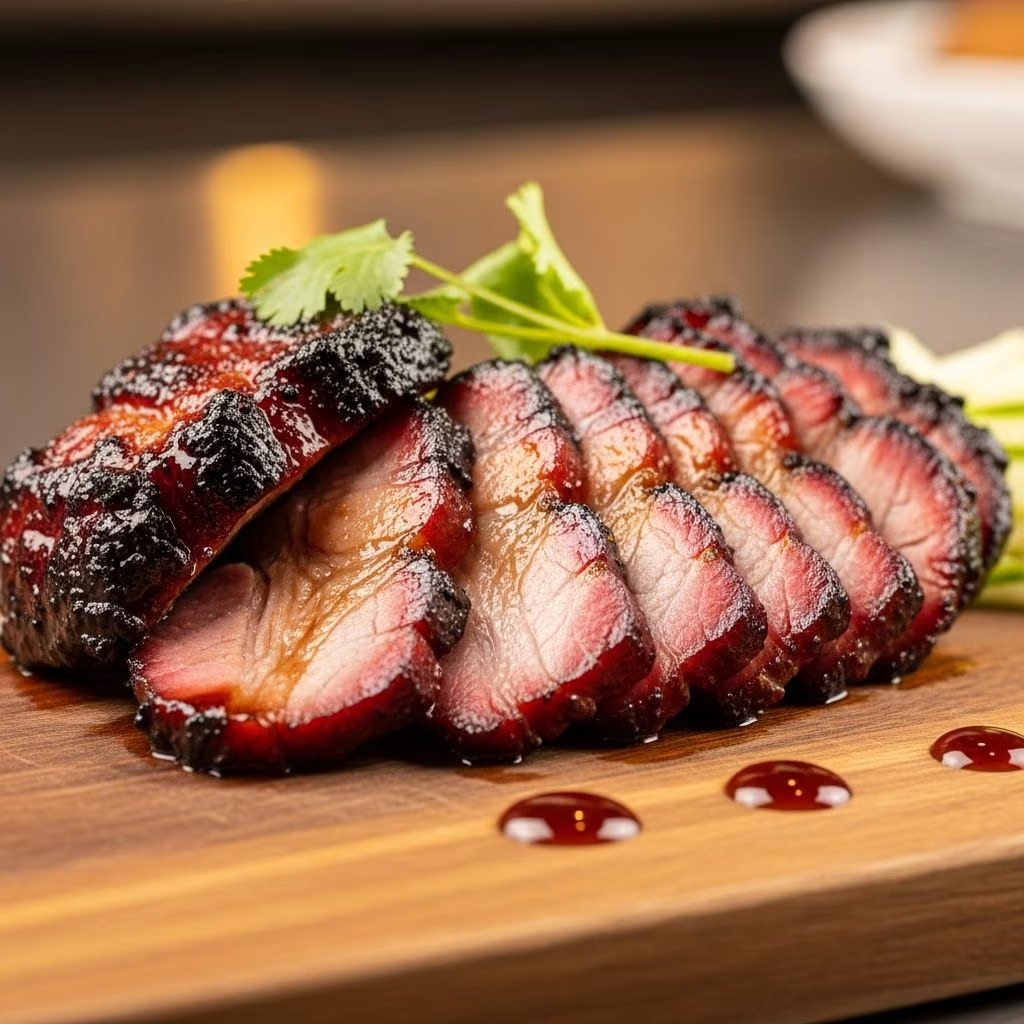
Char siu, the iconic Cantonese roasted pork, captivates with its glossy crimson exterior, tender juicy interior, and a harmonious blend of sweet, savory, and aromatic flavors. This beloved dish, often found in Chinese restaurants draped over rice or chopped into noodle bowls, is surprisingly achievable in your own kitchen. By mastering a few key techniques—like selecting the right cut of pork, crafting a balanced marinade, and employing precise roasting methods—you can produce professional-level results without a specialty oven or grill.
Understanding Char Siu: A Staple of Cantonese Cuisine
Originating from Guangdong province, char siu (literally “fork roast”) gets its name from the traditional method of skewering pork strips on long forks for roasting over an open fire. Modern home cooks replicate this using ovens, achieving the same caramelized crust and infused flavors. The dish’s signature shine comes from a glaze rich in sugars and soy derivatives, while spices like five-spice powder add depth. Pork shoulder or butt is ideal due to its marbling, which renders into succulent meat during cooking.
Unlike Western barbecue, char siu emphasizes marinade penetration over smoke, focusing on sticky sweetness balanced by umami from hoisin and oyster sauces. This makes it versatile for appetizers, mains, or fillings in bao buns and dumplings.
Selecting the Perfect Pork for Superior Char Siu
Choose boneless pork shoulder (also called pork butt or Boston butt) weighing 2-4 pounds. Look for pieces with a good fat cap and marbling—these melt during roasting, keeping the meat moist and flavorful. Avoid lean cuts like tenderloin, which dry out easily. Cut the pork into 2-3 inch thick strips or slabs lengthwise to maximize surface area for marinade absorption and even cooking.
- Fat content: Essential for tenderness; don’t trim excess.
- Thickness: Uniform 2-3 inches prevents overcooking the exterior before the interior is done.
- Freshness: Bright pink color, firm texture; source from trusted butchers for best quality.
Building the Irresistible Char Siu Marinade
The marinade is the heart of char siu, doubling as both flavor base and basting glaze. It typically includes hoisin for sweetness, soy sauce for saltiness, and aromatics for complexity. Fermented elements like oyster sauce add depth, while sugars (honey, brown sugar, molasses) create the glossy finish.
Core Marinade Ingredients
| Ingredient | Quantity (for 3 lbs pork) | Role |
|---|---|---|
| Hoisin sauce | 1/4 cup | Sweet, fermented base |
| Soy sauce (light or regular) | 1/4 cup | Umami and salt |
| Honey or brown sugar | 1/4 cup | Caramelization and shine |
| Chinese five-spice powder | 1/2 – 1 tsp | Aromatic warmth (anise, clove, etc.) |
| Garlic (minced) | 2 tbsp | Pungent savoriness |
| Shaoxing wine or dry sherry | 1-2 tbsp | Tenderizes and deglazes |
| Sesame oil | 1/2 tsp | Nutty finish |
| Optional: Red food coloring | 1 tsp | Traditional ruby hue |
Whisk ingredients together until smooth. Reserve 1/4 of the mixture separately for basting—never reuse marinade that touched raw pork. For extra authenticity, some recipes incorporate molasses or oyster sauce for richer body.
Marinating Techniques for Maximum Flavor Infusion
Pat pork dry, then score the surface lightly to help penetration. Place in a zip-top bag or bowl with marinade, massaging thoroughly. Refrigerate for at least 8 hours, ideally 24-48 hours, turning occasionally. The acids and enzymes tenderize the meat while flavors meld. Overnight marination yields deeper color and taste, mimicking restaurant prep.
Pro Tip: Poke shallow holes with a fork if you want aggressive absorption, though it’s optional for most cuts.
Mastering the Roast: Oven Method for Glossy Perfection
Preheat oven to 425°F (220°C). Line a baking sheet with foil and place a wire rack on top for air circulation—this prevents steaming and promotes even browning. Remove pork from marinade (discard used portion), pat lightly dry, and position strips 1 inch apart.
- Roast at 425°F for 15 minutes to set the crust.
- Reduce to 375°F (190°C) and continue for 25-40 minutes, basting every 10-15 minutes with reserved marinade thinned with hot water (1:1 ratio).
- Check internal temperature: 145°F (63°C) minimum for safety, up to 160°F (71°C) for firmer texture. USDA guidelines confirm 145°F with rest is sufficient.
- Optional broil: 2-3 minutes per side for char marks, watching closely to avoid burning.
Rest 10-15 minutes post-roast; the meat will carryover cook slightly. Total time: 45-60 minutes for 3 lbs.
Alternative Cooking Methods for Char Siu
- Air Fryer: 350°F for 20-25 minutes, flipping and basting midway. Compact and quick for smaller batches.[10]
- Grill: Indirect medium heat (275°F), 1 hour flipping every 15 minutes, basting frequently. Adds subtle smoke.
- Slow Cooker then Broil: Low 4-6 hours in marinade, then broil for glaze. Ideal for hands-off prep.
Troubleshooting Common Char Siu Pitfalls
Dry Meat: Overcooking or lean cuts—use fattier pork and monitor temp.
No Gloss: Insufficient basting or sugar—ensure frequent applications.
Bitter Char: High heat too long—lower temp after initial roast.
Pale Color: Skip food coloring? It’s cosmetic but traditional; maltose alternative boosts natural red.
Creative Ways to Serve and Store Char Siu
Slice thinly against the grain for maximum tenderness. Classic pairings:
- Steamed rice or fried rice.
- Chopped in wonton noodle soup or chow mein.
- Bao fillings or congee topping.
- Salads with cucumber and scallions.
Leftovers store in airtight containers up to 4 days refrigerated or 3 months frozen. Reheat gently in oven at 300°F with a honey glaze splash.
Nutrition and Customization Options
A 4-oz serving offers ~300 calories, high protein (25g), with moderate carbs from sugars. Customize: gluten-free soy alternatives, low-sugar stevia swaps, or spicy additions like chili oil.
Frequently Asked Questions (FAQs)
What cut of pork is best for char siu?
Pork shoulder/butt for its fat marbling, ensuring juicy results.
Can I make char siu without red food coloring?
Yes, it affects only color; flavor remains authentic. Use fermented red bean curd for natural hue.
How long does char siu marinade need?
Minimum 8 hours; 24-48 optimal for best infusion.
Is char siu safe to eat at 145°F internal?
Yes, per USDA: 145°F with 3-minute rest kills pathogens.
Vegetarian char siu alternative?
Tofu or seitan marinated similarly, pressed and roasted.
Advanced Tips from Seasoned Cooks
For ultra-sticky glaze, simmer reserved marinade into a syrup. Hang strips post-roast (using hooks) to mimic traditional methods, allowing fat drip-off. Experiment with maltose for Cantonese authenticity.
With practice, your char siu will rival any dim sum spot. Key is patience in marinating and vigilant basting—rewarded with glossy, flavorful pork that elevates any meal.
References
- Char Siu (Chinese BBQ Pork), Restaurant-Style — The Woks of Life. 2023-10-15. https://thewoksoflife.com/chinese-bbq-pork-cha-siu/
- Easy Char Siu (Chinese BBQ Pork) — Spoon Fork Bacon. 2022-05-20. https://www.spoonforkbacon.com/easy-char-siu-chinese-bbq-pork/
- Homemade Char Siu (Roasted Chinese BBQ Pork) — Plays Well With Butter. 2024-01-10. https://playswellwithbutter.com/char-siu/
- Char Siu Pork (Chinese BBQ Pork) — RecipeTin Eats. 2023-08-05. https://www.recipetineats.com/chinese-barbecue-pork-char-siu/
- Easy Char Siu (Chinese BBQ pork, 叉烧) — Red House Spice. 2023-11-12. https://redhousespice.com/char-siu-chinese-bbq-pork/