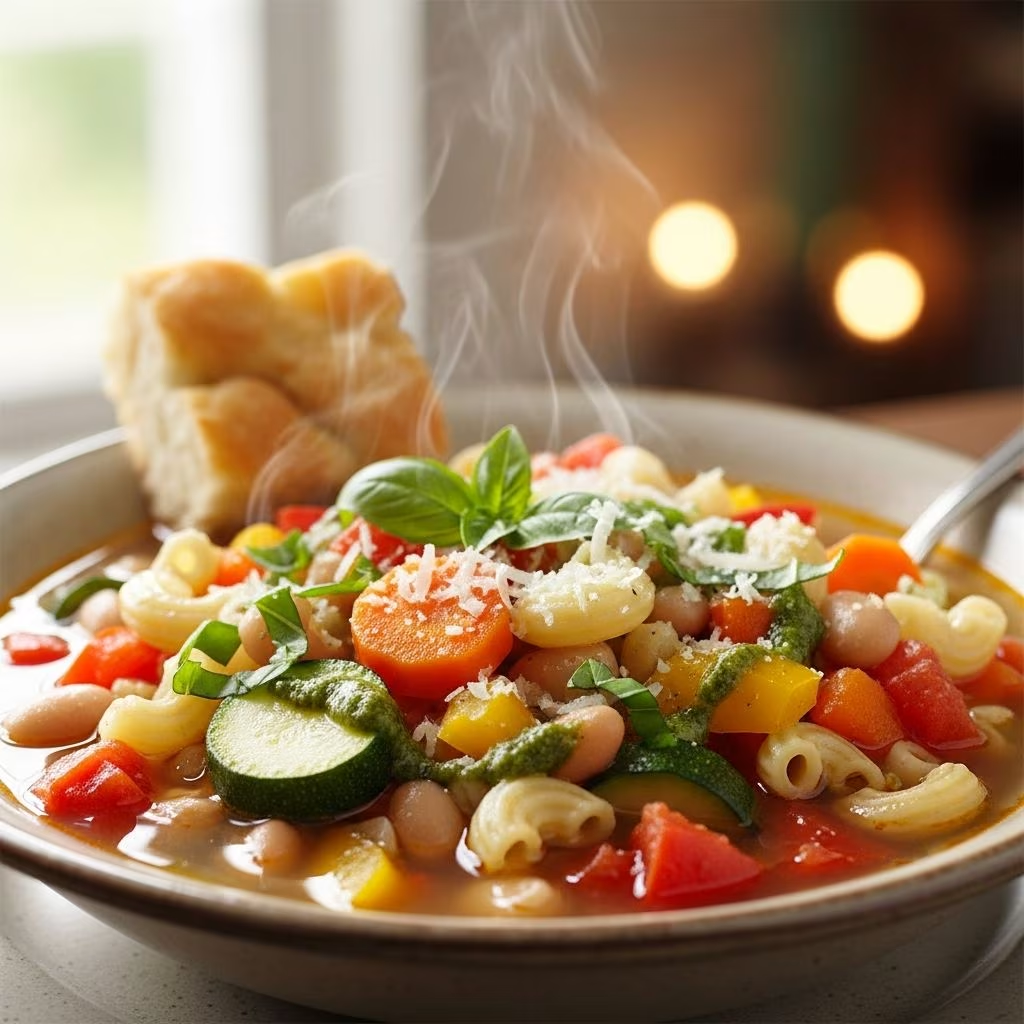
Italian cuisine has long celebrated the natural flavors of fresh vegetables, and one of the most accessible ways to embrace this tradition is through a well-crafted vegetable soup. This particular preparation combines the simplicity of quick cooking times with the depth of authentic Italian seasonings, creating a dish that feels both comforting and restaurant-quality. Whether you’re seeking a light lunch, a nourishing dinner, or a starter course, understanding the fundamentals of this soup will equip you with a versatile recipe that adapts beautifully to seasonal availability and personal preferences.
Understanding the Foundation of Italian Vegetable Soups
The philosophy behind Italian vegetable soup rests on the principle of letting quality ingredients shine without excessive manipulation. Unlike cream-based or heavily spiced preparations, Italian versions typically build their flavor profile through the combination of aromatic vegetables, tomatoes, herbs, and a flavorful broth. This approach reflects the Mediterranean food philosophy that values ingredient quality over complicated techniques. The beauty of this soup lies in its flexibility; whether you’re working with what’s in your pantry or showcasing peak-season produce from the farmer’s market, the basic framework remains remarkably consistent.
At its core, this soup requires three essential components: a flavorful liquid base, seasonal vegetables, and complementary proteins or starches. The cooking method intentionally keeps preparation time minimal while still allowing flavors to develop and meld together. Most preparations come together in under 45 minutes, making this an ideal choice for weeknight meals when time is limited.
Building Your Ingredient Selection Strategy
The vegetable selection for this soup offers tremendous creative freedom. Common choices include bell peppers for sweetness and color, zucchini for substance without heaviness, mushrooms for umami depth, and various leafy greens added near the end of cooking to preserve their nutritional value. Root vegetables like carrots and celery create the aromatic base that forms the foundation of Italian cooking, while onions add sweetness as they caramelize during the initial cooking stage.
Beyond fresh vegetables, consider including legumes for added protein and fiber. Cannellini beans, garbanzo beans, and other varieties integrate seamlessly into the broth, providing both nutritional density and a creamy texture that develops as they soften. For those preferring a vegetarian approach, beans become the primary protein source, while others might incorporate ground meat or sausage for additional richness.
Primary Vegetable Components
- Aromatics: onions, garlic, celery, and carrots establish the flavor foundation
- Cruciferous vegetables: broccoli and cabbage add nutritional complexity
- Summer vegetables: zucchini and bell peppers provide freshness and color
- Leafy greens: kale, spinach, or escarole introduce mineral content
- Root vegetables: potatoes or butternut squash create substance and satisfaction
The Importance of Proper Seasoning and Herbs
Italian seasoning blends typically combine dried oregano, basil, thyme, and marjoram—herbs that complement tomato-based preparations beautifully. Rather than relying solely on dried herb mixes, many experienced cooks prefer building their own spice profile with individual components, allowing for adjustment based on personal preference and specific ingredient combinations. Fresh herbs, particularly basil and parsley, deliver brightness when added toward the end of cooking or as a garnish.
The use of tomato products—whether canned diced tomatoes, tomato purée, or tomato paste—provides the characteristic depth and acidity that defines Italian vegetable soups. Tomato paste, when briefly cooked with garlic and spices, undergoes a process called blooming that intensifies its flavor and creates a richer, more complex broth.
Mastering the Cooking Technique
The preparation sequence significantly impacts both cooking time and final flavor development. The traditional approach begins by heating olive oil and sautéing aromatics until softened and fragrant. This initial step, typically lasting 5-7 minutes, allows the onions, garlic, and celery to release their essential oils and sugars, creating a flavorful base that seasons the entire pot. Adding tomato paste at this stage and allowing it to caramelize for a minute or two further concentrates its flavor.
Once the aromatics are properly developed, harder vegetables like carrots, potatoes, or zucchini are introduced, followed by the broth and canned tomatoes. Bringing the mixture to a boil then immediately reducing to a gentle simmer allows the vegetables to become tender without becoming mushy, typically requiring 15-25 minutes depending on vegetable size and type. Delicate items like leafy greens are reserved for the final minutes of cooking to maintain their nutritional integrity and vibrant color.
Step-by-Step Execution Timeline
| Step | Action | Duration |
|---|---|---|
| 1 | Heat olive oil and sauté onions, garlic, celery, and carrots | 5-7 minutes |
| 2 | Add tomato paste and cook until darkened and fragrant | 1-2 minutes |
| 3 | Incorporate harder vegetables with seasonings | 2-3 minutes |
| 4 | Pour in broth and tomatoes, bring to boil | 3-5 minutes |
| 5 | Reduce heat and simmer for vegetable tenderness | 15-20 minutes |
| 6 | Add beans and greens, adjust seasonings | 2-3 minutes |
Incorporating Proteins and Starches
While vegetables constitute the primary component, adding proteins and starches transforms this soup from a side dish into a complete meal. Small pasta shapes like ditaloni or orzo integrate seamlessly, absorbing the flavorful broth while maintaining their texture. Alternatively, pre-cooked grains like brown rice or farro provide heartiness without the gluten concerns associated with traditional pasta.
For those seeking protein enhancement, ground beef or Italian sausage can be browned in the initial oil before adding vegetables, infusing the entire soup with savory depth. Ground sirloin produces a leaner result, while sausage contributes additional Italian spices and richness. Some preparations add grated cheese such as Parmigiano-Reggiano directly to the pot or include a cheese rind while simmering to impart subtle umami notes.
Flavor Development Through Proper Layering
Creating a memorable soup requires understanding how different components contribute at various stages. Aromatic vegetables sautéed early provide foundational flavors, while herbs and spices added mid-cooking integrate throughout the broth. Fresh garnishes like basil, parsley, and shaved cheese added at service time provide brightness and textural contrast against the soft vegetables and creamy beans.
The acidity from tomato products should be balanced with careful seasoning. Tasting throughout the cooking process allows for adjustment of salt, pepper, and seasonings before serving. Many recipes benefit from a squeeze of fresh lemon juice added near the end, which brightens the overall flavor profile and complements the earthiness of beans and vegetables.
Customization Options for Different Preferences
The adaptability of vegetable soup makes it suitable for various dietary approaches and ingredient availability. Vegetarian versions rely entirely on vegetable broth and beans for protein, while those preferring heartier preparations incorporate meat or sausage. Those watching sodium can use low-sodium broths and adjust salt carefully during cooking.
Seasonal variations allow for creative experimentation: spring preparations might feature fresh peas and green beans, summer versions highlight zucchini and tomatoes at their peak, autumn soups incorporate butternut squash and heartier greens, while winter preparations lean on storage vegetables like carrots, potatoes, and cabbage.
Storage and Make-Ahead Considerations
This soup improves with time as flavors meld and deepen, making it ideal for batch cooking and meal preparation. Properly stored in airtight containers, it maintains quality in the refrigerator for 3-4 days. Freezing works well for most components, though pasta or rice can become mushy upon thawing, so adding these starches after reheating produces better results.
Serving Suggestions and Accompaniments
Traditional Italian service includes crusty bread for soaking up the flavorful broth—a preparation known as “pappa” in Italian cuisine. Grilled bread rubbed with garlic (bruschetta) provides textural interest and additional flavor. A drizzle of high-quality olive oil over each bowl adds richness and promotes better absorption of fat-soluble vitamins from the vegetables.
- Pair with a simple green salad dressed in vinaigrette
- Serve alongside crusty focaccia or Italian bread
- Top with fresh basil pesto for additional herbaceous notes
- Finish with shaved Parmigiano-Reggiano cheese
- Offer red pepper flakes for those preferring additional heat
Frequently Asked Questions
Can this soup be prepared in a slow cooker?
Yes, slow cooker preparation works well. Sauté aromatics and tomato paste traditionally on the stovetop to develop initial flavors, then transfer to the slow cooker with remaining ingredients. Cook on low for 6-8 hours or high for 3-4 hours. Add delicate vegetables and greens during the final 30 minutes to prevent overcooking.
What’s the best way to prevent vegetables from becoming mushy?
Cut vegetables into similar-sized pieces so they cook evenly, add harder vegetables before softer ones, and avoid extended cooking times. Leafy greens should be added only 1-2 minutes before serving to maintain their texture and nutritional content.
How can I make this soup more substantial?
Add pasta, rice, or grains; incorporate additional beans; or brown ground meat at the beginning. Alternatively, serve with cheese or bread for dunking rather than modifying the soup itself.
Is homemade broth necessary?
High-quality store-bought vegetable or chicken broth produces excellent results. Homemade broth offers deeper flavor and sodium control but requires advance preparation. Quality matters more than whether it’s homemade.
Can frozen vegetables be substituted for fresh?
Frozen vegetables work well, though they require less cooking time as they’re pre-blanched during processing. Add frozen vegetables partway through cooking to prevent them from becoming too soft.
References
- Mediterranean Diet Foundation — Mediterranean Diet Foundation. 2024. https://www.dieta-mediterranea.com/en/
- Herbs and Spices in Italian Cooking — National Institutes of Health (NIH). Accessed April 2026. https://www.nih.gov/
- Nutritional Benefits of Leafy Greens — U.S. Department of Agriculture (USDA). Updated 2025. https://www.usda.gov/
- Tomato-Based Soup Preparation Methods — Food Science Institute. Published 2024. https://www.foodscienceinstitute.edu/
- Legumes in Vegetable-Based Soups — American Heart Association. Reviewed 2025. https://www.heart.org/