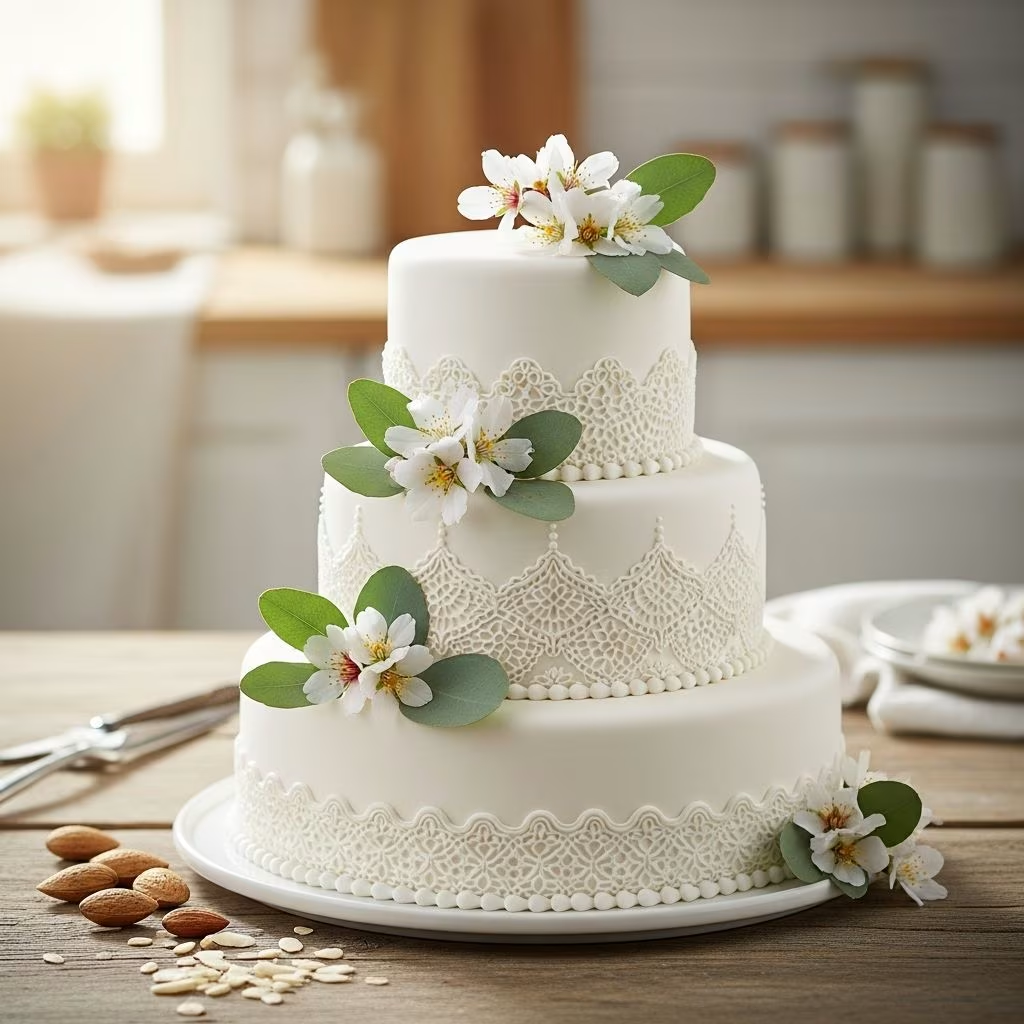
Planning a wedding involves countless decisions, and one of the most memorable choices is selecting the perfect cake. Rather than relying solely on a professional bakery, many couples discover that baking their own wedding cake offers both financial advantages and personal satisfaction. A white almond wedding cake represents an excellent choice for those seeking elegance, flavor sophistication, and the rewarding experience of homemade baking. This comprehensive guide explores everything you need to know to successfully create this classic dessert in your own kitchen.
Why Choose an Almond-Infused Wedding Cake?
Almond flavoring provides a subtle yet distinctive taste that elevates traditional white cake beyond ordinary vanilla varieties. The delicate almond essence complements a wide range of frosting options and decoration styles, making it remarkably versatile for different wedding themes and personal preferences. Unlike heavily spiced alternatives or dense chocolate varieties, an almond cake maintains an elegant lightness that allows guests to enjoy multiple slices without feeling overwhelmed.
The appeal of almond cakes extends beyond flavor considerations. Bakers often appreciate the relative straightforwardness of the baking process compared to more complex cake varieties. The combination of quality ingredients and proper technique yields consistently reliable results, even for home bakers tackling a major project like a wedding cake for the first time.
Essential Ingredients for the Cake Base
Creating a successful almond wedding cake begins with understanding the role of each ingredient. The foundation requires precision and attention to ingredient quality:
- Unsalted butter: Provides richness and structure; room temperature ensures proper mixing and incorporation of air
- Granulated sugar: Creates sweetness while helping develop the cake’s crumb structure through creaming
- Egg whites: Contribute to the cake’s lift and airy texture without adding yolks that might create a denser crumb
- Almond extract: Delivers the signature flavor; pure extract ensures superior taste over imitation varieties
- Vanilla extract or paste: Complements almond flavoring while adding depth to the overall taste profile
- Cake flour: The lower protein content compared to all-purpose flour creates a tender, delicate texture essential for wedding cakes
- Baking powder: Acts as the leavening agent; using proper measurements ensures appropriate rise without overworking the batter
- Buttermilk: Adds moisture and slight tang that prevents the cake from becoming dry
- Salt: Enhances overall flavor perception and balances sweetness
Ingredient Measurements and Scaling Considerations
Different wedding sizes require appropriate cake quantities. A standard two-tiered wedding cake typically serves 50-75 guests comfortably. Understanding ingredient proportions helps bakers scale recipes for larger or smaller gatherings:
| Ingredient | Standard Recipe | Weight Measurement |
|---|---|---|
| Unsalted butter | 1 cup | 8 oz / 227g |
| Granulated sugar | 2 cups | 15 oz / 425g |
| Egg whites | 6 large | 6.6 oz / 190g |
| Cake flour | 3¼ cups | 13 oz / 368g |
| Baking powder | 3½ teaspoons | 13g |
| Buttermilk | 2½ cups | 20 oz / 567g |
Weight measurements prove particularly valuable for consistency and accuracy. Many experienced bakers prefer working with grams, especially when multiplying recipes for larger celebrations.
The Cake Preparation Process: Step-by-Step Instructions
Success in baking begins with proper preparation. Before mixing any ingredients, ensure your oven reaches the appropriate temperature and your pans are properly prepared. Room temperature ingredients mix more effectively, creating a more uniform batter.
Creaming the Butter and Sugar
The initial step involves combining softened butter and granulated sugar. Using a stand mixer fitted with the paddle attachment, beat these ingredients for approximately one minute. This creaming process incorporates air into the butter, creating tiny pockets that contribute to the cake’s rise and tender texture. The mixture should appear noticeably lighter in color and fluffy in consistency.
Incorporating Extracts and Egg Whites
Once the butter and sugar reach optimal consistency, add vanilla bean paste or extract along with almond extract. Continue beating to fully incorporate these flavorings. Gradually add room temperature egg whites, mixing until they become fully incorporated into the creamed mixture. This stage requires patience; adding eggs too quickly can cause the batter to separate or become grainy.
Combining Dry Ingredients
In a separate bowl, combine cake flour, baking powder, and salt. Gently mix these dry components together to ensure even distribution of the leavening agent throughout the flour. Uneven baking powder distribution can result in inconsistent rise and unpredictable texture.
Alternating Wet and Dry Components
The traditional method of alternating between adding wet and dry ingredients prevents overmixing while ensuring proper hydration throughout the batter. Begin by adding approximately one-third of the flour mixture to the creamed ingredients, mixing on low speed until just combined. Add half of the buttermilk, mixing gently. Continue this pattern: flour, buttermilk, flour, buttermilk, flour. Scrape the bowl between additions to ensure nothing remains unmixed at the bottom.
Proper Baking and Cooling
Distribute batter evenly among prepared cake pans. Bake at 325 degrees Fahrenheit for approximately 25-30 minutes, or until a toothpick inserted into the center comes out clean. The tops should display light golden browning. Allow cakes to cool in their pans for approximately 15 minutes before turning them out onto wire racks for complete cooling. This cooling period prevents structural damage to the delicate cake layers.
Creating the Perfect Frosting Complement
The frosting layer between cake layers and the exterior coating requires equal attention to the cake itself. A fluffy almond buttercream provides the ideal complement to your delicate cake base.
Buttercream Ingredient Requirements
- Unsalted butter (2 cups, room temperature)
- Powdered sugar (4 cups)
- Meringue powder (1 tablespoon)
- Salt (¼ teaspoon)
- Vanilla extract (2 teaspoons)
- Almond extract (2 teaspoons)
- Whole milk (2-4 tablespoons, adjusted for desired consistency)
Buttercream Preparation Technique
Begin by beating softened butter in your stand mixer using the whisk attachment for approximately one minute until it becomes smooth and creamy. Reduce mixer speed to low and gradually add powdered sugar along with meringue powder and salt. Mix until these dry ingredients fully incorporate into the butter. Increase speed to medium and add vanilla extract, almond extract, and milk. Whip for 4-5 minutes while scraping the bowl occasionally. The final product should appear noticeably lighter in color and extremely fluffy in texture, light enough to hold peaks when lifted with a spatula.
The meringue powder serves an important function beyond flavor contribution; it stabilizes the buttercream, allowing it to hold its shape during assembly and decoration. The milk content can be adjusted based on desired consistency—use less for stiffer frosting suitable for decorative piping, or slightly more for easier spreading between layers.
Assembly and Decoration Considerations
Once cake layers have completely cooled and frosting reaches proper consistency, assembly begins. Level each cake layer using a serrated knife or cake leveler to ensure even, stable stacking. Apply frosting between layers with a spatula, working in even strokes from the center outward. Stack layers carefully, using dowel rods inserted vertically through the layers to provide structural support for the tiered wedding cake.
The exterior frosting application requires a crumb coat layer first—a thin frosting layer that seals in crumbs. Refrigerate this crumb coat for 15-20 minutes before applying the final frosting layer, which can then be smoothed, textured, or piped according to your design preferences.
Frequently Asked Questions About Almond Wedding Cakes
Can I prepare this cake in advance of my wedding?
Yes. Unfrosted cake layers can be baked one to two days ahead and stored in airtight containers at room temperature, or frozen for up to two months. Frosting also freezes successfully for extended storage. Assemble the final cake no more than one day before serving to maintain optimal freshness and texture.
What should I do if my cake layers turn out uneven?
Invest in a cake leveler tool, which allows you to slice off the domed top of each layer, creating perfectly flat surfaces for stacking. This simple tool prevents structural problems and makes the final cake appearance much more professional.
Is meringue powder truly necessary in the frosting recipe?
While meringue powder significantly improves frosting stability and appearance, emergency substitutes include pasteurized eggs or additional powdered sugar. However, meringue powder remains the preferred option for reliable results, particularly with multi-tiered cakes that require maximum structural support.
Can I reduce the almond flavoring if I prefer a more subtle taste?
Absolutely. Almond extract provides a concentrated flavor, and many bakers successfully reduce it to 1-1.5 teaspoons in the cake and 1 teaspoon in the frosting for a gentler almond presence. Taste adjustments can be made gradually to achieve your preferred flavor profile.
What altitude adjustments might I need to make?
High-altitude baking requires specific modifications due to lower atmospheric pressure. Increase baking powder slightly, reduce sugar slightly, and increase liquid slightly. Consult high-altitude baking resources specific to your elevation for precise adjustments.
Professional Tips for Wedding Cake Success
- Invest in quality ingredients; they noticeably impact the final product’s flavor and texture
- Use an oven thermometer to verify actual temperature; many home ovens run hotter or cooler than displayed
- Bring all ingredients to room temperature before beginning; this promotes even mixing and proper incorporation
- Don’t rush the decorating process; working on a chilled cake prevents frosting smudging
- Practice your decorating technique on a test cake before the actual wedding day
- Transport tiered cakes carefully using specialized cake carriers or sturdy boxes with proper support
- Set up and decorate your cake at the venue rather than transporting a fully decorated cake
Troubleshooting Common Issues
Understanding how to address common baking problems ensures successful outcomes. If your cake turns out dry, you may have overmixed the batter or baked slightly too long—reduce oven time by 2-3 minutes on your next attempt. For dense, heavy cakes, verify that your baking powder hasn’t expired and that you’re measuring cake flour correctly by spooning and leveling rather than scooping directly from the bag.
Uneven rising or doming on top suggests uneven oven temperature. Invest in an oven thermometer and consider using cake strips around the pan edges to promote even baking. If frosting appears grainy or separated, ensure all ingredients are room temperature and beat for the full recommended time.
Conclusion: Bringing Your Vision to Life
Creating a white almond wedding cake represents both an artistic and technical achievement. The process demands attention to ingredient quality, precise measurements, and proper technique, yet the results reward your effort with a deeply personal centerpiece for your celebration. By following these comprehensive guidelines and implementing professional baking practices, you’ll produce an elegant cake that tastes as extraordinary as it appears. The confidence gained from successfully executing this ambitious project extends far beyond the wedding day, opening doors to future baking adventures and memorable culinary creations.
References
- White Almond Wedding Cake Recipe — Curly Girl Kitchen. Accessed April 10, 2026. https://curlygirlkitchen.com/white-almond-wedding-cake-for-a-diy-wedding/
- Moist White Almond Cake with Silky Buttercream Frosting — Stuck on Sweet. Accessed April 10, 2026. https://www.stuckonsweet.com/white-almond-cake/
- Vanilla Almond Cake with Creamy Vanilla Buttercream — Amy Cakes Bakes. Accessed April 10, 2026. https://amycakesbakes.com/vanilla-almond-cake/
- WASC Cake Recipe (White Almond Sour Cream) — Sugar Geek Show. Accessed April 10, 2026. https://sugargeekshow.com/wasc-cake-recipe/