Understanding Adjika: Origins and Culinary Significance
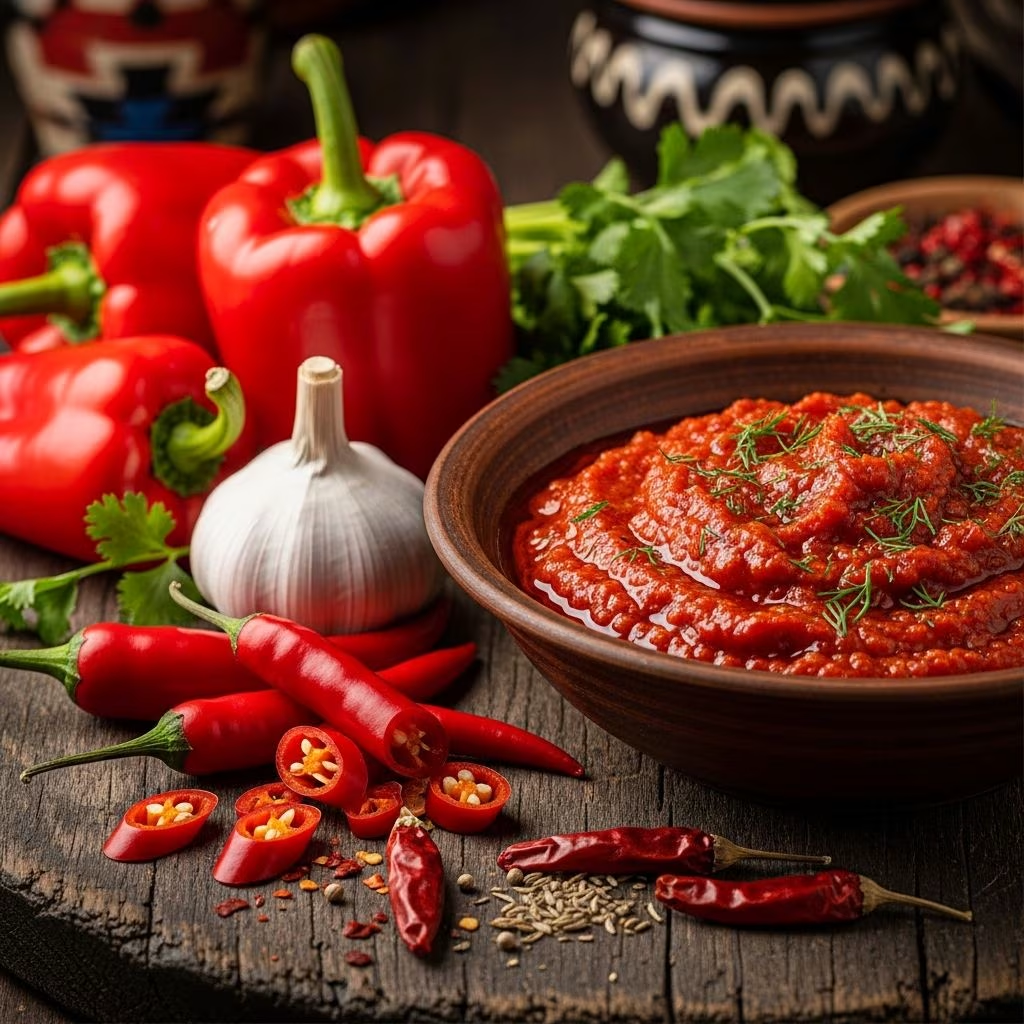
Adjika represents a cornerstone of Caucasian cuisine, particularly within Georgian and Abkhazian culinary traditions. This distinctive condiment transcends simple classification as a mere sauce or dip; it serves as a flavor enhancer that accompanies numerous dishes and brings depth to traditional meals. The name itself carries historical weight, reflecting centuries of food preparation techniques passed through generations of families across the mountainous regions of the Caucasus.
The beauty of adjika lies in its remarkable versatility. Whether served alongside grilled meats, spread across fresh bread, mixed into grain dishes, or incorporated into soups and stews, this condiment adapts seamlessly to various culinary applications. Understanding adjika requires appreciation for both its traditional roots and its modern adaptations, as contemporary cooks continue to innovate while respecting time-honored preparation methods.
Core Ingredient Categories and Selection Guide
Creating authentic adjika begins with understanding the foundational ingredients that define its character. The preparation typically involves a careful balance of fresh produce, aromatic components, and preservation elements. Each ingredient category contributes specific qualities that build the final flavor profile.
Fresh Produce Foundation
The vegetable base of adjika consists of several key components that work in concert. Tomatoes form the foundation, providing natural acidity and body to the sauce. Select larger tomato varieties rather than cherry or grape tomatoes, as these smaller varieties lack the depth and volume needed for proper sauce development. Approximately 7-10 large tomatoes typically constitute the tomato foundation for a standard batch.
Bell peppers contribute sweetness and subtle complexity to the mixture. Red, yellow, or orange varieties work particularly well, though some cooks prefer using multiple colors for layered flavor dimensions. Carrots add natural sweetness and help create a more cohesive texture as the vegetables break down during cooking. Fresh carrots, typically 6-10 medium specimens, bring earthiness that balances the acidity of tomatoes.
Apples represent an often-overlooked yet essential component that distinguishes adjika from ordinary tomato sauces. Tart apple varieties, particularly Granny Smith apples, contribute subtle sweetness with underlying tartness that prevents the final product from becoming overly heavy or one-dimensional. Fresh apples also provide natural pectin that aids in achieving the desired consistency.
Heat and Aromatic Elements
The spicy dimension of adjika comes from chili peppers, though the intensity varies significantly based on pepper selection. Small cayenne peppers or jalapeños deliver heat that can be modulated by adjusting quantity and removal of internal seeds and white membranes. The traditional approach involves adding peppers gradually and tasting as the mixture develops, allowing cooks to achieve their preferred heat level.
Garlic provides the aromatic backbone that makes adjika memorable and crave-worthy. A full head of garlic, sometimes multiple heads depending on batch size and preference, ensures sufficient aromatic depth. The garlic is typically added toward the end of cooking to preserve its fresh, pungent characteristics rather than allowing extended heat to mellow its intensity.
Preservation and Flavor Enhancement Components
Vinegar serves dual purposes in adjika formulation: it adds tanginess that brightens the overall flavor while contributing acidity that aids preservation. Approximately three-quarters cup of vinegar typically suits a standard batch, though cooks may adjust based on desired sourness levels.
Salt and sugar work together to balance and preserve the mixture. Salt draws out moisture from vegetables through osmosis while inhibiting microbial growth, critical for long-term storage. Sugar counteracts the natural acidity from tomatoes and vinegar, creating equilibrium in the flavor profile. Vegetable oil, typically sunflower or other neutral oils, serves both culinary and preservative functions.
Fundamental Preparation Techniques
Initial Processing Phase
The preparation journey begins with thorough washing of all vegetables except garlic, which will be processed separately. Vegetables are then cut into smaller, manageable pieces that feed easily into processing equipment. A food processor serves as the modern standard for this task, though traditional approaches employed meat grinders or manual techniques using mortar and pestle.
Processing vegetables to a consistent texture proves essential for achieving the characteristic adjika consistency. The goal involves creating a salsa-like or paste-like texture, depending on the particular variation being prepared. Pulsing the processor several times ensures even processing without over-mixing, which can result in an undesirable pasty quality.
Primary Cooking Phase
The processed vegetable mixture moves into a large stockpot or heavy-bottomed Dutch oven, then brought to a boil over medium to high heat. Once boiling, the heat reduces to a simmer where the mixture maintains a gentle, rolling bubble rather than vigorous boiling. This phase typically lasts 60-90 minutes, during which vegetables soften significantly and begin releasing their juices, creating a more liquid consistency than the initial paste.
Consistent stirring prevents the dense mixture from settling on the pot bottom and burning, which would impart bitter, scorched flavors. Occasional stirring, approximately every 10-15 minutes, suffices for maintaining even cooking and preventing scorching.
Secondary Cooking and Finishing Phase
After the initial cooking period, the prepared vinegar, salt, sugar, and oil enter the pot. This second cooking phase continues for 15-30 minutes at the simmer temperature, allowing flavors to meld and the oil to emulsify into the mixture. The freshly pressed or minced garlic joins the pot either at the conclusion of this phase or shortly before it ends, preserving its vibrant flavor intensity.
Variations in Adjika Preparation: Regional and Modern Interpretations
While cooked adjika represents the most common modern preparation, traditional Georgian and Abkhazian versions often employ different techniques that preserve freshness and nutritional qualities. The authentic Megrelian and Abkhazian adjika consists of a raw or minimally heated paste created by processing hot chillies, sweet peppers, garlic, and fresh herbs including purple basil, parsley, and cilantro.
These regional variations bypass extended cooking, instead relying on food processor techniques to create a thick paste consistency. Fresh herbs provide aromatic complexity, while sunflower oil emulsifies into the mixture, creating the characteristic thick consistency. Salt functions as the primary preservative in these versions, accumulating in higher quantities than cooked versions to ensure longevity without refrigeration.
Some variations incorporate spice elements beyond simple chili peppers, including fenugreek, marigold, and coriander, which contribute warming, slightly floral notes that distinguish regional preparations from one another.
Storage and Preservation Strategies
Short-Term Refrigeration Approach
For small batches or immediate consumption, adjika stores efficiently in the refrigerator for several weeks when housed in clean glass containers with tight-fitting lids. This approach suits home cooks preparing adjika for single household use or small dinner gatherings.
Long-Term Canning Method
Traditional preservation through canning extends adjika shelf life to many months, allowing cooks to preserve seasonal abundance for year-round enjoyment. The process begins with sterilizing glass jars and lids through oven heating at 215°F for approximately 15 minutes, ensuring all microorganisms are eliminated.
Hot adjika fills the sterilized jars to just below the rim, leaving adequate headspace for sealing. Jars immediately cap with lids, then submerge in boiling water for 10-15 minutes in a water bath canner. After water bath processing concludes, jars invert and cool completely under kitchen towels, allowing lids to seal with characteristic popping sounds as they cool.
Serving Suggestions and Culinary Applications
Adjika’s versatility extends across numerous culinary contexts. Serve it as a condiment alongside grilled meats, spread across fresh bread products, or incorporated into grain-based dishes. The sauce brightens soups, enriches stews, and adds complexity to simple vegetable preparations.
Creative applications include mixing adjika with plain yogurt to create a tangy dressing for potato salads, combining it with lemon juice and zest alongside goat cheese, or thinning it with starchy potato cooking water to achieve desired consistency.
Flavor Profile Variations and Customization
| Customization Option | Impact on Flavor | Best Used When |
|---|---|---|
| Increase chili pepper quantity | Greater heat and pungency | Serving to heat-tolerant diners |
| Add fresh herbs during final minutes | Brighter, more herbaceous notes | Seeking fresher flavor profile |
| Increase apple quantity | Enhanced sweetness and tartness balance | Taming excessive acidity |
| Adjust vinegar levels | Greater tanginess or milder sourness | Personalizing acidity preferences |
| Incorporate ground spices | Warming, complex spice layers | Adding subtle depth and sophistication |
Troubleshooting Common Adjika Challenges
Excessive Thickness
If the final adjika appears too thick, thin it gradually with additional oil or a small quantity of water during the final cooking phase. Add small increments, stirring thoroughly before adding more, to avoid over-thinning.
Insufficient Heat Level
Spice intensity can be increased by adding minced fresh chili peppers during the final cooking stages or incorporating dried chili powder into the finished product. Taste frequently when adding spicy elements, as heat accumulates during storage.
Overly Acidic Taste
Counter excessive sourness by incorporating additional sugar or fresh tomato paste, which adds body and sweetness. Some cooks add a small quantity of baking soda, which neutralizes acidity but must be used sparingly to avoid imparting unpleasant flavors.
Frequently Asked Questions About Adjika
Can adjika be prepared without a food processor?
Traditional methods employed meat grinders or manual techniques using mortar and pestle, though these approaches require significantly more time and physical effort. Modern hand graters or immersion blenders provide alternatives, though achieving uniform texture becomes more challenging without mechanical processing equipment.
How long does homemade adjika keep?
Refrigerated adjika maintains quality for 3-4 weeks in sealed containers. Properly canned adjika stored in cool, dark conditions remains shelf-stable for up to one year, though flavor remains optimal within the first 6-8 months.
Is adjika appropriate for individuals with dietary restrictions?
Adjika naturally accommodates gluten-free, vegan, and vegetarian diets without modification. Those sensitive to spicy foods can reduce or eliminate chili peppers according to individual tolerance levels.
What distinguishes cooked adjika from raw adjika?
Cooked adjika undergoes extended heat treatment that develops and melds flavors while creating a thicker, more unified texture. Raw adjika preserves fresher herb notes and maintains individual ingredient characteristics more distinctly, offering brighter aromatics and lighter mouthfeel.
Can adjika be frozen for extended storage?
Adjika freezes adequately in freezer-safe containers for up to six months, though texture may become slightly grainier upon thawing. Frozen adjika works well in cooked applications where texture matters less than flavor contribution.
Concluding Thoughts on Adjika Preparation and Enjoyment
Mastering adjika preparation connects contemporary cooks to generations of Caucasian culinary tradition while offering opportunities for personal interpretation and innovation. Whether following traditional cooked methods or exploring fresh herb-based variations, adjika rewards experimentation with remarkable depth of flavor and remarkable versatility. The process itself—selecting fresh ingredients, developing flavors through careful cooking, and sharing the finished product—embodies the communal spirit that defines traditional food preparation practices.
References
- Adjika Recipe (Spicy Sauce) — Momsdish. N.D. https://momsdish.com/recipe/130/adjika
- Adjika – Tomato Pepper Salsa — Olga’s Flavor Factory. N.D. https://www.olgasflavorfactory.com/summer-favorites/adjika/
- Mom’s Adjika Recipe – A Russians’ Pesto — Natasha’s Kitchen. N.D. https://natashaskitchen.com/moms-adjika-recipe-a-russians-pesto/
- Georgian Adjika Recipe: Abkhazian & Megrelian Chilli Paste — No Frills Kitchen. N.D. https://nofrillskitchen.com/adjika-recipe/
- The Hirshon Georgian Green Adjika — The Food Dictator. N.D. https://www.thefooddictator.com/the-hirshon-georgian-green-adjika/
- Georgia’s Herbal, Spicy Adjika Sauce — 177 Milk Street. N.D. https://www.177milkstreet.com/stories/georgias-herbal-spicy-adjika-sauce