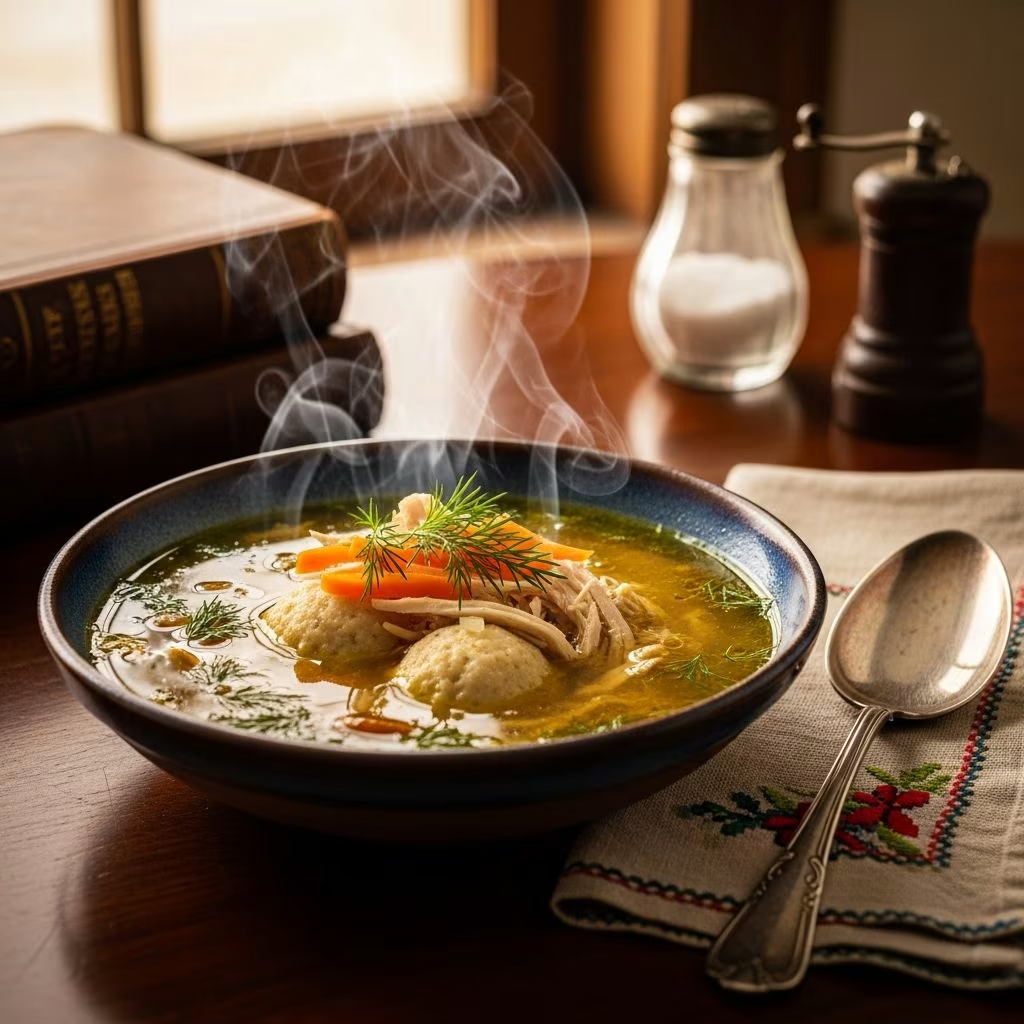
Chicken soup, affectionately dubbed **Jewish penicillin**, stands as a cornerstone of comfort cuisine across generations. This nourishing dish combines simple ingredients into a restorative elixir that warms the body and lifts the spirits. Rooted in Ashkenazi Jewish traditions, it features a golden broth simmered from whole chickens, aromatic vegetables, and fresh herbs like dill and parsley. Often paired with light-as-air matzo balls, it serves as both everyday sustenance and a remedy for colds, fatigue, or heartache.
Its reputation as a healing food stems from more than folklore. The slow-simmered broth extracts nutrients from bones and vegetables, creating a collagen-rich liquid that supports immunity and hydration. Variations abound, but two classic approaches highlight its versatility: a traditional matzo ball version with deep flavors and a noodle-infused style for quicker meals. This guide delves into history, ingredients, step-by-step methods, and tips to perfect your own pot of this timeless soup.
The Origins and Cultural Significance
Emerging from Eastern European Jewish communities, chicken soup earned its medicinal moniker in the early 20th century. Immigrants brought the recipe to America, where it became synonymous with maternal care and holiday feasts like Passover. The term “Jewish penicillin” was popularized by physicians like Dr. Maurice Greenstein in the 1920s, who noted its efficacy in treating respiratory ailments, drawing parallels to the newly discovered antibiotic.
Beyond culture, science backs its benefits. Studies from institutions like the National Institutes of Health highlight how hot soups reduce nasal inflammation and improve mucus clearance, aiding recovery from upper respiratory infections. The steam and anti-inflammatory compounds in garlic, onions, and herbs amplify these effects. Today, it remains a staple in delis, homes, and even modern wellness trends.
Essential Ingredients for Authentic Flavor
Quality starts with fresh, whole components. A bone-in chicken provides gelatinous richness, while vegetables build depth without overpowering the broth.
- Protein Base: 4-5 lb whole chicken, skin-on for fat (schmaltz) that enhances matzo balls.
- Aromatic Vegetables: Carrots (1-2 lbs, peeled), celery (2 lbs, divided), onions (1-2 large).
- Herbs and Spices: Fresh dill (1-2 oz), parsley (2 oz), bay leaves (2), whole cloves (4), black peppercorns (1 tbsp), kosher salt (to taste).
- Matzo Ball Essentials: Matzo meal (1 cup), eggs (4 large), schmaltz or oil (1/4 cup), baking powder (1 tsp), garlic/onion powder (1/2 tsp each).
- Noodle Variation Add-Ins: Egg noodles or angel hair pasta, frozen peas for color and pop.
Opt for organic chicken and local produce for superior taste. Schmaltz, rendered chicken fat, is traditional but neutral oils work for lighter versions.
Mastering the Classic Matzo Ball Version
This rendition yields 12-14 fluffy matzo balls in a crystal-clear broth, ideal for special occasions.
Step-by-Step Broth Preparation
- Rinse the chicken under cold water. Place in a large stockpot with 12-14 cups water. Bring to a boil, skim foam, then simmer 15 minutes.
- Add rough-chopped carrots, large celery chunks, halved onion, parsley, half the dill, cloves, bay leaves, salt, and peppercorns. Partially cover and simmer 90 minutes on low—avoid boiling to keep broth clear.
- Rest chicken 15 minutes. Remove, shred meat, discard skin/bones. Strain broth, reserving fat for matzo balls.
Crafting Perfect Matzo Balls
Fluffiness depends on gentle handling and chilling.
- Mix dry: matzo meal, baking powder, salt, garlic/onion powders, white pepper.
- Blend wet: eggs with 1/4 cup cooled schmaltz (skimmed from broth).
- Combine gently with chopped dill. Chill 30 minutes.
- Form walnut-sized balls. Simmer in boiling broth or water 30-40 minutes until floating and cooked through (no dark center).
Combine shredded chicken, sliced carrots/celery, matzo balls, and remaining dill in the broth. Serves 6-8 generously.
A Lighter Noodle-Packed Alternative
For weeknights, swap matzo balls for noodles and shorten cook time without sacrificing soul.
Quick Broth Method
- In a pot, combine chicken pieces (thighs/legs for flavor), carrots, celery, whole onion, optional giblets, and stock mix. Cover with cold water.
- Boil, then simmer 30 minutes. Remove solids, strain broth.
- Shred chicken, return to pot with cooked angel hair pasta and peas. Simmer 5 minutes.
This version clocks in under 45 minutes, retaining healing properties with added convenience. Garnish with fresh herbs for brightness.
Nutrition and Health Benefits
Per serving (1.5 cups broth + toppings): ~250 calories, 20g protein, low carbs. Rich in vitamins A/C from veggies, electrolytes for hydration.
| Nutrient | Amount per Serving | % Daily Value |
|---|---|---|
| Protein | 20g | 40% |
| Vitamin A | 5000 IU | 100% |
| Sodium | 800mg | 35% |
| Collagen | High | Supports joints/skin |
Customize for diets: Use gluten-free matzo meal or rice noodles.
Pro Tips for Soup Success
- Clarity Trick: Cold water start and gentle simmer prevent cloudiness.
- Make-Ahead: Broth freezes 3 months; matzo balls up to 1 month.
- Flavor Boosts: Add ginger for zing or turmeric for anti-inflammatory power.
- Texture Play: Sinkers vs. floaters—more mixing yields denser balls.
- Scaling: Double broth for leftovers; it improves overnight.
Common Mistakes to Avoid
Overmixing matzo dough toughens balls. Boiling broth turns it murky. Skim religiously for purity. Taste and adjust salt post-straining, as it concentrates.
Pairing and Serving Ideas
Serve steaming with crusty bread or challah. Pair with a crisp salad for balance. For holidays, float in larger bowls with extra dill.
Frequently Asked Questions (FAQs)
What makes it ‘Jewish penicillin’?
Its reputed cold-fighting properties, backed by tradition and science, earned the nickname for soothing symptoms like congestion.
Can I use rotisserie chicken?
Yes, for quicker broth, but whole bird yields richer results.
How do I store leftovers?
Refrigerate 4 days or freeze 3 months. Reheat gently.
Vegetarian version?
Substitute vegetable stock, mushrooms for umami, and egg-free matzo balls with club soda.
Why chill matzo dough?
It hydrates meal evenly for tender, airy texture.
Variations Around the World
While Ashkenazi-style dominates, Korean dak ga lguksu mirrors it with garlic-ginger broth and handmade noodles. Italian influences add orzo; Polish versions include parsnips.
Experiment to personalize— the essence lies in love and simmered simplicity.
References
- Chicken Soup and Upper Respiratory Tract Infection — National Institutes of Health. 2014-01-01. https://www.ncbi.nlm.nih.gov/pmc/articles/PMC4049052/
- Matzo Ball Soup (Jewish Penicillin) — Silk Road Recipes. 2023-10-15. https://silkroadrecipes.com/matzo-ball-soup-jewish-penicillin/
- Jewish Penicillin | Chicken Recipes — Jamie Oliver. 2022-05-20. https://www.jamieoliver.com/recipes/chicken/jewish-penicillin/
- Classic Jewish Chicken Soup Recipe — The Immigrant’s Table. 2024-02-10. https://immigrantstable.com/jewish-chicken-soup/
- Jewish Chicken Soup with Matzo Balls — Girl and the Kitchen. 2021-11-05. https://girlandthekitchen.com/jewish-chicken-soup-with-matzo-balls-the-real-jewish-penicillin/