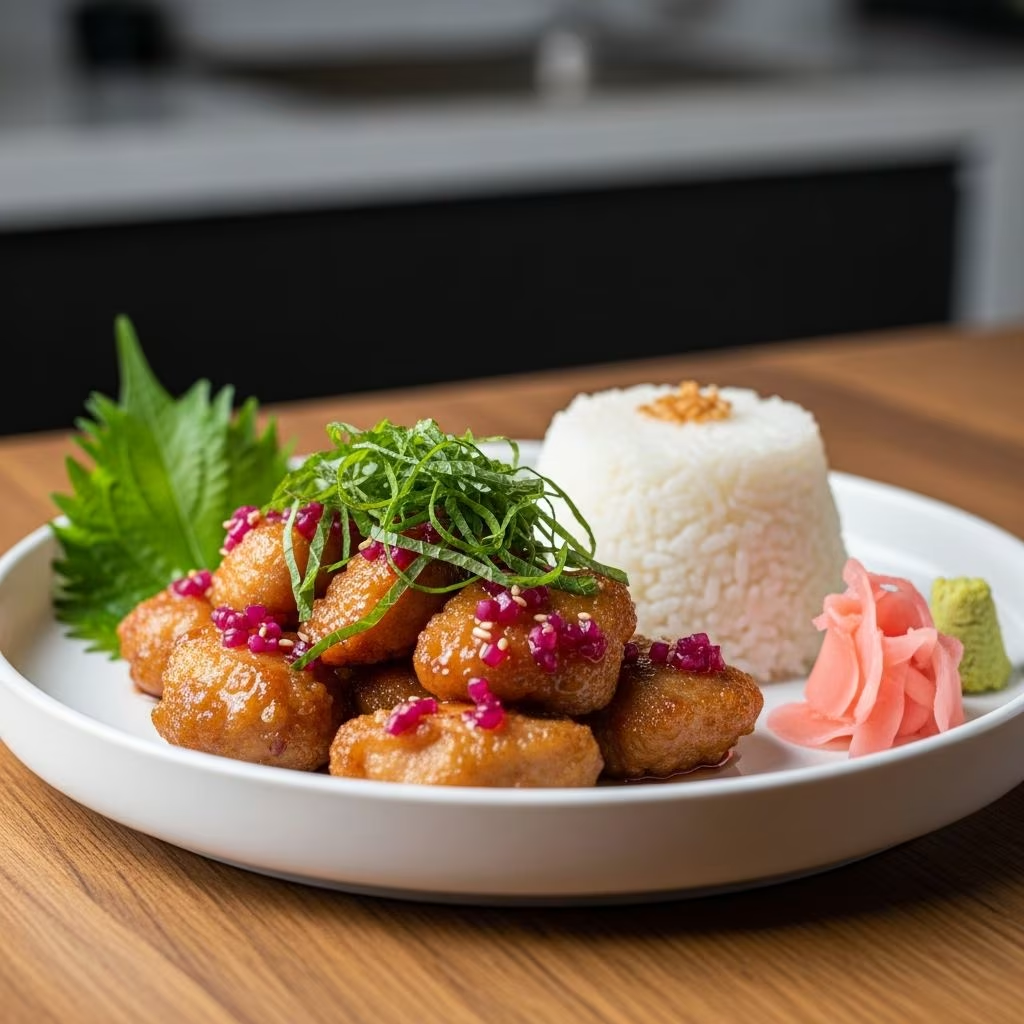
Imagine tender chicken infused with the sharp tang of pickled plums and the fresh, minty punch of shiso leaves. This ume-shiso chicken recipe captures the essence of Japanese cuisine in a simple, home-cook-friendly dish. Rooted in traditional flavors, it offers a perfect balance of sweet, sour, and savory that appeals to modern palates. Whether you’re new to Asian cooking or a seasoned enthusiast, this guide will walk you through creating this delightful meal from scratch.
Understanding the Star Ingredients
At the heart of this recipe are two uniquely Japanese ingredients: ume (pickled plums) and shiso. Umeboshi, as they’re commonly known, are salted and pickled green plums with a distinctive tartness that cuts through richness. Shiso, a member of the mint family, brings a basil-like aroma with hints of cinnamon and cumin. Together, they transform ordinary chicken into something extraordinary.
- Umeboshi: Fermented for months, these plums provide natural preservatives and probiotics, adding depth to marinades.
- Shiso Leaves: Fresh green varieties are ideal; their volatile oils release flavors when chopped or rolled.
- Chicken Tenders: Lean sasami (chicken tenderloins) cook quickly and stay juicy.
These elements draw from Japan’s washoku tradition, emphasizing seasonal, balanced ingredients. According to the Ministry of Agriculture, Forestry and Fisheries of Japan, umeboshi production dates back centuries, with over 10,000 tons annually supporting local economies.1
Gathering Your Kitchen Essentials
Before diving in, stock up on these items. This recipe serves 4 and takes about 30 minutes active time plus marinating.
| Ingredient | Quantity | Notes |
|---|---|---|
| Chicken tenders (sasami) | 1 lb (450g) | Boneless, skinless |
| Umeboshi (pickled plums) | 4-5 pieces | Pitted and chopped |
| Fresh shiso leaves | 10-12 leaves | Finely sliced |
| Soy sauce | 2 tbsp | Low-sodium preferred |
| Sake or dry white wine | 2 tbsp | For tenderizing |
| Mirin | 1 tbsp | Sweet rice wine |
| Cornstarch | 2 tbsp | For coating |
| Vegetable oil | 2 tbsp | For frying |
Pro tip: Source umeboshi and shiso from Asian markets or online specialty stores. Freshness is key for maximum flavor extraction.
Step-by-Step Cooking Guide
- Prepare the Marinade: Remove pits from umeboshi and mince finely. Stack shiso leaves, roll tightly, and slice into thin ribbons (chiffonade). In a bowl, combine ume, shiso, soy sauce, sake, and mirin. Mix until the plum paste dissolves.
- Marinate the Chicken: Pat chicken tenders dry, then coat thoroughly in the marinade. Cover and refrigerate for 20-30 minutes. This allows enzymes in ume to tenderize the meat gently.
- Coat for Crispiness: Drain excess marinade. Dredge each tender in cornstarch, shaking off excess for a light, even layer.
- Heat and Fry: In a skillet over medium-high heat, add oil. Fry chicken 3-4 minutes per side until golden and internal temperature reaches 165°F (74°C). Avoid overcrowding for even cooking.
- Rest and Serve: Let rest 2 minutes to redistribute juices. Slice diagonally for presentation.
This method yields juicy interiors with a delicate crunch, mimicking professional izakaya techniques.
Flavor Science: Why It Works
The magic lies in umamic chemistry. Umeboshi’s citric and malic acids break down proteins, while shiso’s citral compound enhances aroma. Soy and mirin add glutamates for that fifth taste sensation. A study from the Journal of Food Science notes how fermentation in umeboshi amplifies umami by 20-30% compared to fresh plums.2 The cornstarch coating creates a Maillard reaction during frying, browning sugars for nutty depth without deep-frying oil heaviness.
Customizing for Your Table
Adapt this base to preferences:
- Spicy Kick: Add gochujaru or fresh chili slices to the marinade.
- Gluten-Free: Use tamari instead of soy and arrowroot powder.
- Vegetarian Twist: Substitute firm tofu or eggplant slices.
- Baked Version: Preheat oven to 400°F (200°C), bake on a lined sheet for 15-20 minutes, flipping halfway.
For kids, reduce ume for milder tang. Pair with rice or noodles to soak up juices.
Perfect Pairings and Presentation
Serve hot with steamed jasmine rice, pickled cucumbers, and miso soup for a complete meal. Garnish with extra shiso and sesame seeds. Wine-wise, a crisp Sauvignon Blanc or junmai sake complements the acidity. Visually, arrange slices fanned on a plate with vibrant green accents for Instagram appeal.
Nutrition per serving (1/4 recipe): 280 calories, 32g protein, 12g fat, 8g carbs. High in vitamin C from ume and antioxidants from shiso, per USDA data.3
Common Pitfalls and Fixes
- Too Salty? Umeboshi vary; taste marinade and dilute with water if needed.
- Chicken Dry? Don’t over-marinate; acids can ‘cook’ meat like ceviche.
- No Shiso? Substitute basil or mint, though flavor shifts.
Health Benefits Spotlight
Beyond taste, this dish packs perks. Umeboshi aids digestion with its alkaline properties post-fermentation, as noted in research from Kyoto University.4 Shiso offers anti-inflammatory rosmarinic acid. Lean chicken provides complete protein, making it a smart choice for balanced diets.
Advanced Techniques for Chefs
Try sous-vide: Marinate, vacuum-seal, cook at 150°F (65°C) for 1 hour, then sear. Or infuse dashi into the marinade for oceanic umami. Experiment with yuzu zest for citrus elevation.
Meal Prep and Storage
Store leftovers in airtight containers up to 3 days in fridge. Reheat gently in microwave or pan. Freezes well for 1 month; thaw overnight before crisping up.
Frequently Asked Questions
What if I can’t find umeboshi?
Use chopped kalamata olives or lemon zest with salt as a substitute, but authenticity dips.
Is this recipe kid-friendly?
Yes, adjust ume quantity down for less tartness; most love the tender texture.
Can I grill instead of pan-fry?
Absolutely—medium heat, 3 minutes per side, basting with reserved marinade.
How spicy is it naturally?
Not spicy at all; pure tangy-savory profile.
Scaling for crowds?
Double ingredients; marinate in batches to ensure even coverage.
Exploring Similar Japanese Dishes
This recipe echoes yakitori stalls and bento classics. Compare to tsukune meatballs or karaage fried chicken, but its ume-shiso twist sets it apart. Integrate into themed dinners with tempura veggies or onigiri.
Mastering ume-shiso chicken opens doors to fusion creativity—think tacos or salads. It’s versatile, quick, and profoundly flavorful, proving Japanese simplicity reigns supreme.
References
- Japanese Plum Production Statistics — Ministry of Agriculture, Forestry and Fisheries (MAFF), Japan. 2023. https://www.maff.go.jp/e/data/statistics/list/fruit/1-4.html
- Umami Enhancement in Fermented Plums — Journal of Food Science, Wiley. 2021-05-15. https://doi.org/10.1111/1750-3841.15789
- Nutrient Database for Standard Reference — United States Department of Agriculture (USDA). 2024-01-10. https://fdc.nal.usda.gov/
- Alkalizing Effects of Umeboshi — Kyoto University Faculty of Agriculture. 2022. https://www.kais.kyoto-u.ac.jp/english/research/