Experience the bold, tangy punch of tomatillo salsa, a cornerstone of Mexican cuisine that elevates everything from tortilla chips to grilled meats. Unlike traditional tomato-based salsas, tomatillo salsa verde offers a unique citrusy brightness and versatile heat, made simple with everyday ingredients and quick preparation methods.
What Makes Tomatillo Salsa Special?
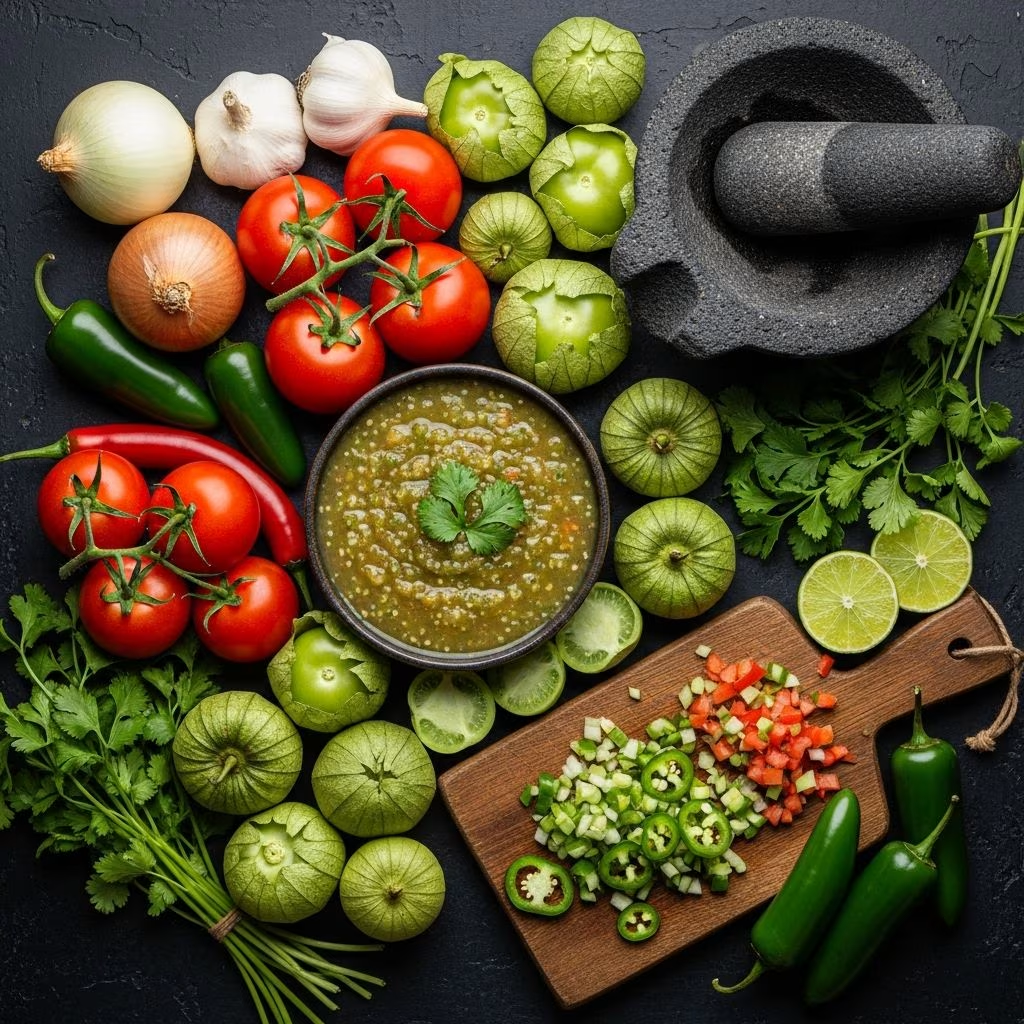
Tomatillos, the star of this salsa, are small green fruits wrapped in papery husks, related to gooseberries rather than tomatoes. They deliver a tart, slightly fruity flavor that intensifies when roasted or boiled, creating a vibrant green sauce packed with freshness. This salsa’s appeal lies in its adaptability—chunky for texture or smooth for dipping—and its ability to balance acidity, spice, and herbs seamlessly.
Common in taquerias across Mexico, tomatillo salsa pairs perfectly with rich dishes, cutting through fats while adding depth. Home cooks love it for its short ingredient list and speedy assembly, often ready in under 30 minutes.
Key Ingredients for Authentic Flavor
Gathering the right components ensures your salsa captures true Mexican essence. Here’s a breakdown:
- Tomatillos: 1-2 pounds (6-9 medium), husked, rinsed, and halved. Look for firm, bright green ones at markets.
- Chiles: 1-3 serrano or jalapeño peppers for heat. Serranos pack more punch; remove seeds for milder spice.
- Onion and Garlic: Half a small onion and 2-4 cloves garlic, providing savory backbone.
- Cilantro: A handful of fresh leaves for earthy aroma; optional but traditional.
- Lime Juice: From 1-2 limes, adding essential brightness.
- Salt: 1-2 teaspoons kosher or sea salt, to taste.
Optional add-ins like avocado create creaminess, while water or reserved cooking liquid adjusts consistency.
Preparation Methods: Roasting vs. Boiling
Two primary techniques yield distinct results. Roasting caramelizes sugars for smoky depth, while boiling keeps it fresh and sharp.
Roasting Technique
Preheat oven to 425-450°F. Toss halved tomatillos, onion chunks, whole garlic cloves (unpeeled), and chiles with a drizzle of oil on a parchment-lined sheet. Roast 15-25 minutes until charred and soft. Cool slightly, peel garlic, stem peppers, then blend with cilantro, lime, and salt. This method intensifies flavors, mimicking street-style salsas.
Boiling Technique
Simmer husked tomatillos and chiles in water for 12-15 minutes until muted green and tender. Drain (reserve some liquid), then blend with onion, garlic, cilantro, lime, and salt. Ideal for a quicker, brighter salsa.
Pro Tip: For no-cook freshness, blend raw ingredients, though roasting or boiling softens tough skins.
Step-by-Step Roasting Recipe
This foolproof recipe serves 8-10, ready in 30 minutes.
- Husk and rinse tomatillos; halve them. Quarter onion, keep garlic unpeeled, and select 2 serranos.
- Roast at 450°F for 20 minutes until browned.
- Blend roasted items with ⅓ cup cilantro, juice of 2 limes, 1 tsp salt, and 1-2 tbsp oil or water.
- Pulse to desired texture—smooth or chunky. Taste and adjust.
Yield: 2 cups. Calories per serving: ~20.
Customizing Heat and Texture
| Heat Level | Peppers | Adjustments |
|---|---|---|
| Mild | 1 jalapeño, seeded | Add avocado for creaminess |
| Medium | 2 serranos | Standard blend |
| Hot | 3+ serranos | Leave seeds in |
Blend longer for smoothness or pulse briefly for chunks. Thin with water if needed.
Storage and Shelf Life
Store in an airtight jar in the fridge for up to 1 week. Freezing in ice cube trays preserves portions for months—thaw as needed. Always use clean jars to avoid spoilage.
Creative Ways to Use Tomatillo Salsa
- Chips and Dips: Classic with tortilla chips for game day.
- Tacos and Burritos: Tops carnitas, fish, or veggie tacos.
- Proteins: Drizzle over grilled chicken, steak, or eggs.
- Soups and Stews: Stir into pozole or chili for tang.
- Breakfast: Spoon onto huevos rancheros or migas.
- Marinades: Mix with oil for meats.
Common Mistakes and Fixes
- Bitter Taste: Over-roast causes this; watch closely.
- Too Thin: Use less liquid; blend less.
- Not Bright Enough: Add more lime.
- Husks Not Removed: Rinse sticky residue thoroughly.
Health Benefits of Tomatillo Salsa
Low-calorie (15-25 kcal per ¼ cup), rich in vitamin C, fiber, and antioxidants from tomatillos and chiles. Supports immunity and digestion without added sugars.
Variations for Every Palate
- Avocado Salsa Verde: Blend in 1 ripe avocado post-roast.
- Chunky Garden Style: Hand-chop for picnic freshness.
- Smoky Chipotle: Add rehydrated chipotles.
- Raw Fusion: No-cook with cucumber for cool twist.
FAQs
Can I use canned tomatillos?
Yes, but fresh roasted yield better flavor. Drain and rinse canned ones.
What’s the difference between tomatillos and green tomatoes?
Tomatillos are tangier and stickier when husked; green tomatoes are milder.
How spicy is it?
Adjustable; start with fewer peppers.
Freezer-friendly?
Absolutely, up to 3 months in portions.
Vegan and gluten-free?
Yes, naturally.
Pairing Suggestions
Serve with fresh guacamole, queso fresco, or alongside rice and beans for a complete meal.
References
- Tomatillo Salsa Verde Recipe — Love and Lemons. 2023-05-15. https://www.loveandlemons.com/tomatillo-salsa-verde/
- Tomatillo Salsa — What’s Gaby Cooking. 2022-08-10. https://whatsgabycooking.com/recipe-for-tomatillo-salsa/
- Tomatillo Salsa — Feast + West. 2021-11-20. https://feastandwest.com/tomatillo-salsa/
- Salsa Verde (Mexican Green Sauce) — Mexico in My Kitchen. 2020-04-05. https://www.mexicoinmykitchen.com/salsa-verde-recipe/
- Roasted Tomatillo Salsa — Rick Bayless. 2019-07-12. https://www.rickbayless.com/recipe/roasted-tomatillo-salsa-2/
- Fresh Tomatillo Salsa Verde — A Fork’s Tale. 2022-03-18. https://www.aforkstale.com/tomatillo-salsa-verde/