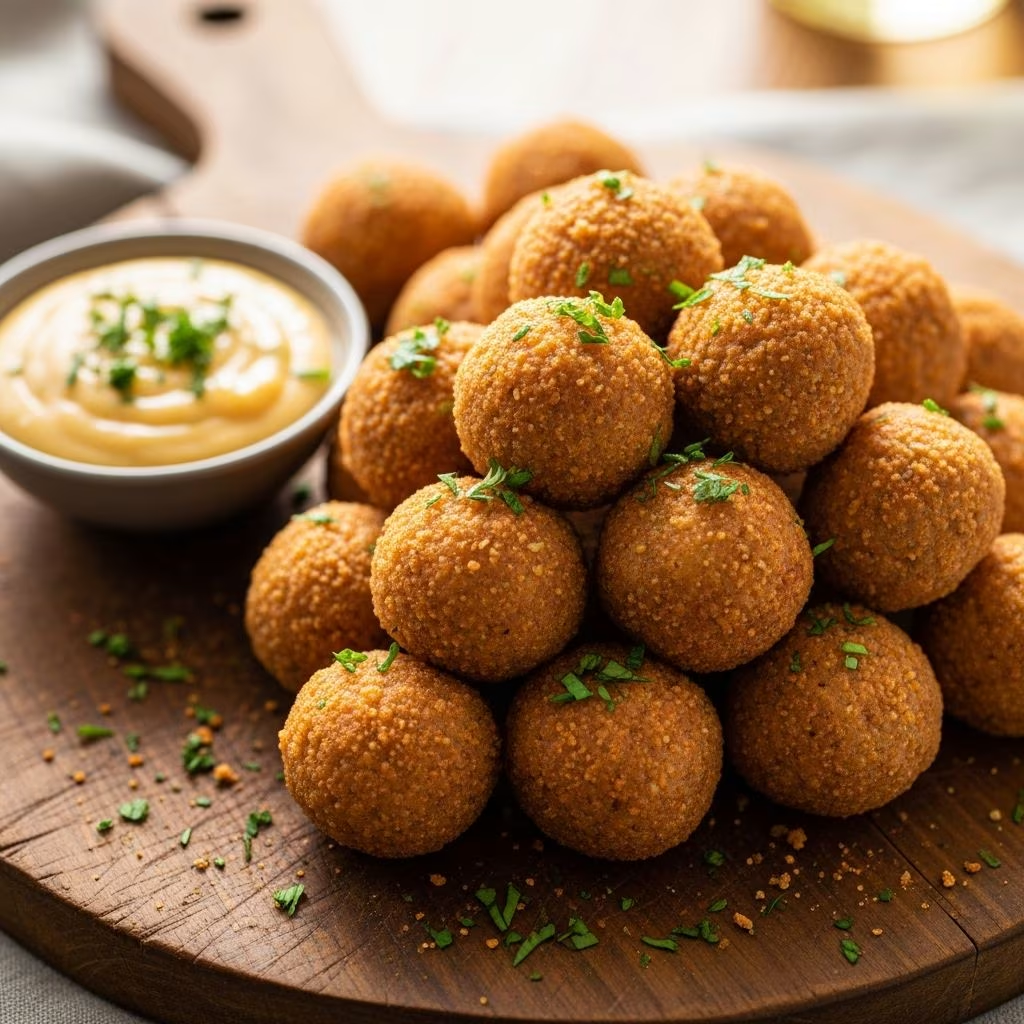
Sausage balls represent one of the most versatile and beloved appetizers in contemporary entertaining. These bite-sized delights combine savory meat, melted cheese, and a biscuit-like crumb structure that appeals to diverse palates. Whether you’re hosting a casual gathering, planning a formal event, or seeking a quick snack solution, understanding how to master sausage balls elevates your culinary repertoire. This comprehensive guide explores ingredient selection, preparation techniques, flavor modifications, and presentation strategies to help you create restaurant-quality appetizers in your own kitchen.
Understanding the Foundation: Core Components Explained
The beauty of sausage balls lies in their simplicity combined with their ability to absorb complementary flavors. The foundation typically rests on four primary elements that work in harmony to create the final product.
The Meat Component
The sausage selection profoundly influences both texture and taste profile. Raw ground sausage serves as the essential base ingredient, providing richness and moisture throughout the mixture. Breakfast sausage varieties offer different intensity levels—sweet varieties deliver subtle pork flavor with mild seasoning, while hot options provide noticeable spice that builds during consumption. Beyond traditional pork options, many contemporary recipes accommodate dietary preferences and flavor adventures. Ground turkey sausage presents a leaner alternative that reduces fat content while maintaining satisfactory binding properties. Chicken sausage offers similar advantages for health-conscious preparers. Adventurous cooks explore Mexican chorizo varieties to introduce distinctive cumin and chili notes, though verification of raw versus pre-cooked status remains critical—pre-cooked products fail to incorporate properly into the mixture.
The Binder Selection
Bisquick and similar buttermilk pancake mixes revolutionized home appetizer preparation by eliminating the need for complex flour combinations. These commercial preparations contain flour, leavening agents, and salt already balanced in precise proportions. This pre-mixed approach generates consistent results while reducing preparation steps. The mix creates a characteristic biscuit-like texture that distinguishes sausage balls from standard meatballs. For those preferring from-scratch approaches, two cups all-purpose flour combined with three teaspoons baking powder and half a teaspoon salt replicate the commercial product’s functionality.
The Cheese Foundation
Cheddar cheese dominates traditional recipes due to its assertive flavor and exceptional melting characteristics. Sharp or extra-sharp varieties contribute complexity that pleasantly intensifies when heated. The cheese should be freshly grated from block form rather than pre-shredded varieties, which contain anti-caking agents that interfere with smooth melting and incorporation. Modern variations introduce pepper jack cheese for heightened spice elements or incorporate cream cheese for enhanced moisture and richness.
Liquid and Binding Agents
While many traditional recipes omit additional moisture, incorporating milk or whole milk contributes to texture refinement. This addition prevents excessive dryness and generates a more tender interior while maintaining the exterior’s ability to achieve golden-brown crispness. Cream cheese, when included, substantially alters the mixture’s consistency toward a moister, denser final product.
Building Flavor Profiles: Enhancement Strategies
Moving beyond basic recipes allows creative expression while maintaining the dish’s essential character.
Herb and Spice Integration
Italian seasoning adds earthy, herbaceous undertones that complement both meat and cheese components. Paprika contributes visual appeal alongside subtle smoky flavor notes. Garlic powder intensifies savory elements, while onion powder provides aromatic sweetness. Fresh chopped parsley offers brightness and visual distinction when incorporated into the mixture or applied as garnish.
Protein and Flavor Boosters
Cooked bacon, finely chopped and mixed throughout, introduces smoky depth and textural variation. This addition significantly elevates the appetizer toward premium presentation status. Worcestershire sauce provides umami complexity without obvious detection. Ranch dressing mix, when used judiciously, delivers salt, herbs, and flavor compounds that permeate the entire batch.
Cheese Variations Beyond Traditional
While cheddar remains the standard, creative preparers expand possibilities. Pepper jack cheese introduces capsaicin heat alongside creamy texture. Gruyère adds nutty sophistication. Combinations of multiple cheese types create layered flavor experiences. Some recipes incorporate small amounts of Parmesan for enhanced sharpness and umami characteristics.
Preparation Methodology: Achieving Optimal Results
Technical execution determines whether appetizers achieve desired texture balance.
Ingredient Combining Technique
Hand-mixing proves superior to mechanical methods for developing proper texture. Using fingers to combine ingredients creates an even distribution while maintaining appropriate density. The mixture should reach a cohesive state where components hold together without excessive moisture or tackiness. Overmixing generates density and toughness, while insufficient mixing creates inconsistency and potential separation during cooking.
Portion Sizing and Shape
Consistency in ball size ensures uniform cooking throughout the batch. Cookie scoops or measuring spoons provide reliable portion control—approximately one tablespoon per ball generates standard appetizer proportions. Slightly irregular shapes enhance visual appeal and suggest artisanal preparation rather than industrial uniformity. Compacting each ball moderately prevents fragmentation during baking while avoiding excessive densification.
Baking Configuration
Temperature selection varies across recipes, ranging from 350°F to 400°F. Lower temperatures (350°F) accommodate cream cheese-heavy formulations by allowing gentle interior warming and consistent melting. Higher temperatures accelerate exterior browning while potentially creating less uniform interiors. Baking duration typically spans fifteen to eighteen minutes, though cream cheese versions may require extended cooking. Positioning balls closely together on baking sheets proves acceptable, as they require minimal space expansion. Parchment paper application prevents sticking while easing cleanup.
Customization Table: Recipe Variations for Different Occasions
| Variation | Key Modifications | Best For |
|---|---|---|
| Classic Southern | Breakfast sausage, sharp cheddar, Bisquick, minimal seasoning | Traditional gatherings, family events |
| Cream Cheese Rich | Softened cream cheese, reduced Bisquick, cheddar blend | Elegant parties, upscale events |
| Bacon Ranch | Crispy bacon, ranch dressing mix, cheddar, cream cheese | Sports events, casual entertaining |
| Spiced Heat | Hot sausage, pepper jack cheese, paprika, cayenne | Bold flavor preferences, cocktail hours |
| Budget-Conscious | Buttermilk pancake mix, sweet sausage, pepper jack | Large gatherings, cost-effective entertaining |
Storage and Make-Ahead Strategies
Sausage balls accommodate various preparation timelines, making them ideal for busy entertainers.
Unbaked Storage
Formed balls can be frozen on parchment-lined trays for several hours, then transferred to freezer bags for extended storage up to three months. This approach allows baking immediately before serving, ensuring maximum freshness and optimal texture. Thawing before baking proves unnecessary—simply extend cooking time by two to three minutes.
Baked Storage
Fully cooked balls maintain quality in refrigeration for three to four days when stored in airtight containers. Reheating in a 325°F oven for five to ten minutes restores crispness. Room temperature presentation satisfies most entertaining scenarios, though gentle warming enhances cheese flow and flavor perception.
Serving and Presentation Considerations
While delicious standalone, strategic accompaniments elevate the entire appetizer experience. Sharp mustards provide acidic counterpoint to richness. Cranberry sauce introduces sweet-tart complexity that surprisingly complements savory components. Marinara or warm cheese dips encourage additional consumption. Ranch dressing appeals to traditional palates, while hot sauce variants satisfy spice enthusiasts.
Arrangement on serving boards with fresh herbs scattered around creates visual appeal. Temperature management—keeping appetizers warm in chafing dishes or on warming trays—maintains texture quality throughout serving periods. Toothpicks positioned nearby facilitate convenient consumption at standing receptions.
Frequently Asked Questions
Can I substitute the Bisquick with other ingredients?
Yes, all-purpose flour combined with baking powder and salt recreates the commercial mix’s functionality. Almond flour works for grain-free approaches, though results vary in texture and binding capacity. Cornmeal introduces interesting grittiness but fundamentally alters the final product’s character.
What’s the difference between using ground breakfast sausage versus Italian sausage?
Breakfast varieties feature sweeter profiles with mild seasonings, while Italian sausage presents more pronounced fennel and garlic notes alongside potential heat. Selection depends on desired flavor intensity and complementary ingredients in your specific recipe variation.
Why won’t my mixture hold together properly?
Insufficient mixing represents the primary culprit—ingredients require thorough distribution until cohesive. Excessive cheese or insufficient Bisquick creates oily mixtures that won’t bind. Adding milk gradually if needed improves consistency without excessive moisture.
How far in advance can I prepare these?
Formed unbaked balls freeze successfully for up to three months, making them ideal for advance preparation. Baked varieties maintain quality refrigerated for several days, allowing partial advance completion with final reheating before serving.
Are there vegetarian adaptations?
Mushroom-based meat substitutes or lentil preparations can replace sausage while maintaining structural integrity, though flavor profiles shift considerably. Cheese-forward versions rely more heavily on cheese varieties and herbs for flavor development.
Troubleshooting Common Issues
Dense, bread-like texture often results from excessive Bisquick relative to other ingredients or overmixing. Resolve by reducing binder quantity in future batches or mixing only until just combined. Greasy results indicate insufficient flour absorption or excessively fatty sausage—consider using leaner varieties or increasing baking mix proportion slightly. Balls that fall apart during cooking suggest inadequate binding—ensure proper mixing and verify sausage is raw rather than pre-cooked.
Conclusion: Mastering a Timeless Appetizer
Sausage balls represent accessible gourmet entertaining, requiring minimal equipment and techniques while delivering impressive results. Whether maintaining tradition with classic preparations or exploring innovative variations, understanding ingredient interactions and preparation methodology empowers creative expression. These versatile appetizers accommodate dietary preferences, flavor preferences, and entertaining styles—from casual potlucks to sophisticated gatherings. By implementing these comprehensive strategies and understanding foundational principles, you’ll consistently produce memorable appetizers that guests request repeatedly.
References
- Sausage Balls (My Favorite Recipe!) — Scratchmade Southern. 2017-12-05. https://scratchmadesouthern.com/2017/12/05/favorite-sausage-balls-recipe/
- Best Sausage Balls Recipe — Delish. https://www.delish.com/cooking/recipe-ideas/a54969/sausage-balls-recipe/
- Sausage Balls — Southern Bite. https://southernbite.com/sausage-balls/
- Sausage Balls — Budget Bytes. https://www.budgetbytes.com/sausage-balls/
- Sausage Balls with Cream Cheese — Eating on a Dime. https://www.eatingonadime.com/cream-cheese-sausage-balls/
- Classic Bisquick Sausage Balls—A Southern Favorite — Gonna Want Seconds. https://www.gonnawantseconds.com/bisquick-sausage-balls/
- Crack Sausage Balls — Plain Chicken. https://www.plainchicken.com/crack-sausage-balls/
- Bisquick Sausage Balls — The Modern Proper. https://themodernproper.com/bisquick-sausage-balls