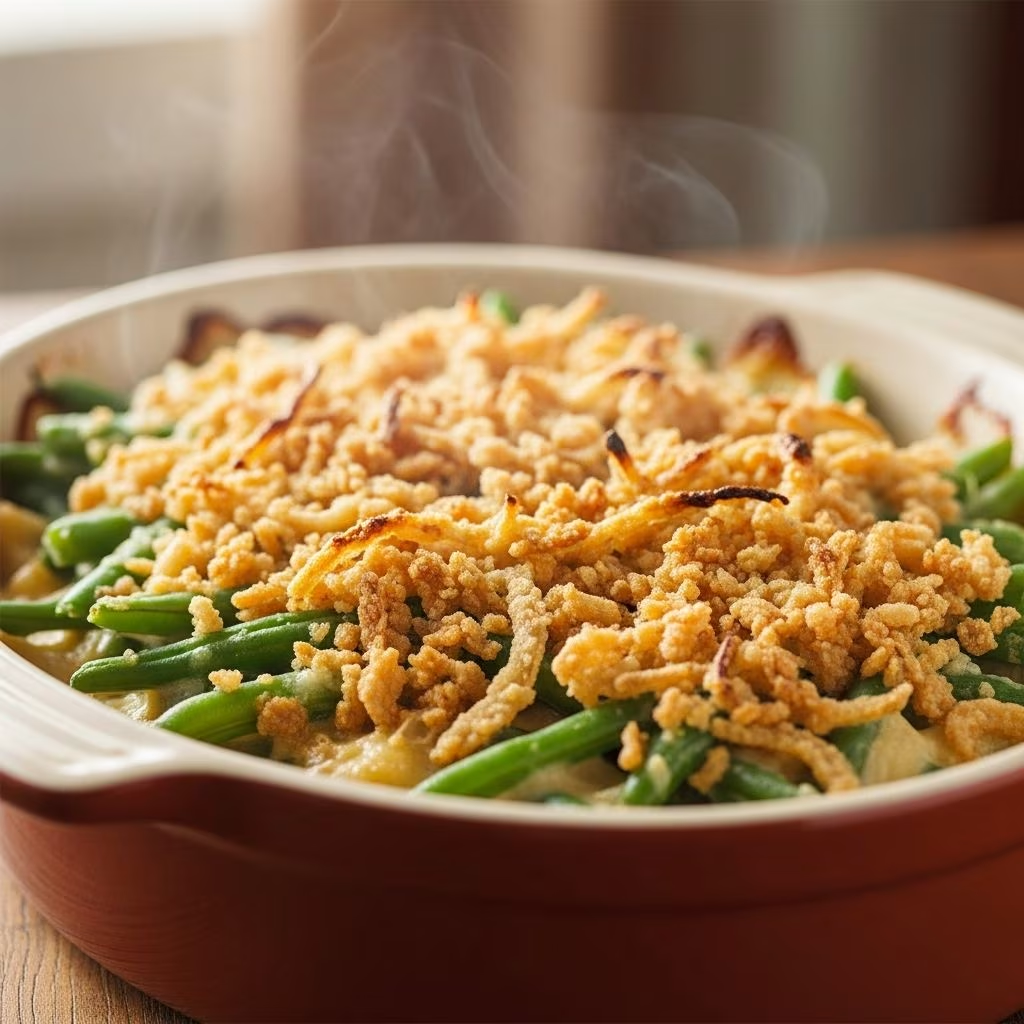
Green bean casserole has earned its place as a beloved staple on tables across America, particularly during holiday gatherings and family celebrations. This comforting dish combines tender green beans with a rich, creamy sauce and topped with crispy fried onions that add textural contrast and visual appeal. While many home cooks rely on simplified versions using canned soup, understanding how to prepare this classic dish from scratch elevates it to restaurant-quality status.
Understanding the Foundation of Green Bean Casserole
At its core, a green bean casserole consists of three essential components: the green beans themselves, a flavorful sauce that binds everything together, and a topping that provides crunch and richness. Each element plays a crucial role in creating a balanced, satisfying dish that pleases both palates and provides substance as a side course.
The beauty of this dish lies in its versatility. Whether you’re preparing it for a formal dinner or a casual family meal, green bean casserole adapts to your preferences and available ingredients. Many variations exist, ranging from simple combinations to more elaborate versions incorporating bacon, mushrooms, or cheese.
Selecting Your Green Beans: Fresh vs. Frozen
The choice between fresh and frozen green beans significantly impacts both preparation time and final texture. Fresh green beans offer superior texture and appearance, with a bright green color that suggests vitality and quality. They require trimming and blanching to achieve the ideal tenderness, but the effort results in beans that maintain their structural integrity throughout the cooking process.
Frozen green beans provide convenience and require minimal preparation. They’ve been blanched during processing, which means they reach the casserole in a partially cooked state. This saves valuable time on busy holiday schedules and ensures consistent doneness. The trade-off is a slightly softer texture compared to freshly blanched beans.
For those using fresh green beans, proper preparation is essential. Begin by rinsing the beans thoroughly and trimming both ends. Cut them into uniform lengths, typically halved, to ensure even cooking and a more refined presentation in the finished dish.
The Blanching Technique: A Critical Step
Blanching fresh green beans is a technique that deserves proper attention. This process involves briefly cooking the beans in boiling salted water, then immediately stopping the cooking with an ice bath. This method accomplishes multiple objectives simultaneously: it partially cooks the beans to the ideal texture, sets their vibrant green color, and prevents them from becoming mushy during the final baking stage.
To blanch effectively, bring a large pot of salted water to a rolling boil. The salt content should approximate one and a half tablespoons per gallon of water. Add the prepared green beans and maintain a boil for approximately five minutes. While the beans cook, prepare a separate bowl filled with ice and cold water.
Once the cooking time expires, immediately transfer the beans to the ice bath using a colander. This temperature shock halts the cooking process instantly, preserving the beans’ texture and color. After spending several minutes in the ice bath, drain them thoroughly and set aside until ready to combine with the sauce.
Creating an Exceptional Cream Sauce from Scratch
The sauce is where homemade casseroles truly differentiate themselves from convenience-oriented versions. A proper cream sauce begins with a roux—a combination of fat and flour cooked together to form a thickening agent.
Start by melting butter in a large skillet over medium-high heat. Add finely chopped onions and minced garlic, cooking until the onions become translucent and softened, approximately four to five minutes. If your recipe includes mushrooms, add them now along with appropriate seasonings, cooking for an additional minute or two to release their moisture and develop their flavor.
Once the aromatic vegetables have softened, sprinkle flour over the mixture and stir continuously for approximately two minutes. This cooking period allows the flour to incorporate with the fat and lose its raw taste. Gradually whisk in chicken broth and half-and-half, stirring constantly to prevent lumps from forming.
Allow the sauce to simmer gently for five to six minutes, which permits the starches to fully gelatinize and the sauce to achieve the desired consistency. The sauce should coat the back of a spoon and flow slowly when tilted. If it appears too thick, additional broth can be whisked in gradually. If too thin, additional simmering time will allow excess moisture to evaporate.
Flavor Enhancement Through Strategic Seasoning
Seasoning represents a subtle but significant opportunity to elevate your casserole. Beyond salt and pepper, consider incorporating Dijon mustard to add sharpness that cuts through the richness of the cream sauce. A mustard hint brightens the overall flavor profile without becoming obvious to the palate.
Some preparations include soy sauce to add umami depth and saltiness that enhances the savory qualities. Others incorporate cayenne pepper for a gentle heat that complements the earthiness of green beans and mushrooms. These additions should be subtle, enhancing rather than dominating the dish’s fundamental character.
Optional Flavor Additions and Premium Variations
While the classic combination of green beans, cream sauce, and fried onions satisfies most preferences, several additions can create more sophisticated versions suitable for special occasions.
Incorporating Mushrooms
Mushrooms are a natural complement to green beans, adding earthiness and umami complexity. Both button and baby bella varieties work excellently. Chop them into uniform pieces and sauté them with the aromatics until they release their moisture and turn golden brown. This cooking step develops their flavor and removes excess liquid that could dilute the sauce.
Adding Protein Through Bacon
Bacon introduces smoky richness and textural interest. Cook six strips until they achieve complete crispness, then remove and crumble. Pour away all but two tablespoons of the rendered fat, which becomes the base for the aromatics. The bacon pieces fold into the final mixture just before baking, distributing their flavor throughout.
Cheese as a Binding Agent
Sharp cheddar or Monterey Jack cheese melts into the sauce, enriching it and adding complexity. Typically, one to one and a half cups of shredded cheese integrates well without overwhelming other flavors. Add the cheese after the sauce has thickened, stirring until completely melted and evenly distributed.
Combining Elements and Preparing for Baking
Once your sauce reaches the desired consistency and flavor, pour it over the cooled green beans and stir gently to coat every piece evenly. Transfer the combined mixture to a 9×13-inch baking dish, which provides adequate space for even heating and browning.
Before topping, you have the option to add panko breadcrumbs mixed with melted butter to create a textured layer beneath the crispy fried onions. This addition provides additional structure and prevents the onions from settling directly onto the sauce, which would cause them to soften prematurely.
Topping Strategies for Maximum Crispness
The topping deserves as much attention as the base because it provides essential textural contrast. French fried onions represent the traditional choice, offering a distinctive flavor and satisfying crunch. Distribute them evenly across the entire surface, ensuring every serving includes these flavorful bits.
To preserve onion crispness, add them only after the casserole has baked for the majority of its cooking time, or cover the dish loosely with foil to prevent premature browning. If using panko breadcrumbs, distribute them first, then top with fried onions.
Baking Parameters and Temperature Control
Preheat your oven to 375°F before assembling the casserole. This temperature allows the dish to heat through and bubble gently without causing the sauce to separate or the edges to brown excessively. Bake for approximately twenty minutes until the mixture achieves a bubbly consistency throughout and the topping turns golden brown.
If the onions brown too quickly, tent the dish loosely with aluminum foil. This protective layer deflects direct heat while allowing steam circulation. Remove the foil during the final minutes to permit browning and crisping.
Preparation Flexibility and Make-Ahead Options
One of casserole’s greatest advantages is its flexibility regarding timing. Prepare the complete dish through the topping stage, then refrigerate for up to twenty-four hours. When ready to serve, add five to ten minutes to the baking time to account for the cold start.
For maximum convenience, assemble the casserole without the fried onion topping, freeze it in its dish, and store for several weeks. Thaw overnight in the refrigerator before adding toppings and baking as directed.
Serving Suggestions and Portion Planning
A standard 9×13-inch casserole provides approximately eight to twelve servings, depending on portion size and whether additional dishes accompany the meal. Green bean casserole works equally well alongside traditional turkey dinners and casual weeknight suppers.
This dish maintains its quality when kept warm for several hours. Transfer it to a slow cooker set on low heat to preserve both temperature and texture without additional cooking.
Troubleshooting Common Issues
| Issue | Cause | Solution |
|---|---|---|
| Watery, thin sauce | Insufficient cooking or too much liquid added | Simmer longer or add less broth; cook casserole uncovered for longer period |
| Mushy green beans | Over-blanching or using pre-cooked canned beans | Reduce blanching time; reserve blanched beans until final assembly |
| Soggy onion topping | Added too early or exposed to steam | Add onions in final stages; tent with foil if browning too quickly |
| Burnt edges | Oven temperature too high | Verify oven temperature; move casserole to lower rack; cover edges with foil |
| Separated or grainy sauce | Over-stirring or high heat | Maintain gentle simmer; avoid vigorous stirring; ensure slow incorporation of liquids |
Frequently Asked Questions
Can I use canned green beans instead of fresh or frozen?
Yes, canned green beans work in casseroles, though they produce a softer final texture. Drain them thoroughly and add them directly to the sauce without blanching. Use approximately four 14.5-ounce cans to equal two pounds of fresh beans.
How far in advance can I prepare this dish?
Assemble the complete casserole up to twenty-four hours ahead and refrigerate. Add five to ten additional minutes to baking time. Alternatively, freeze without toppings for up to three months, thawing overnight before baking.
What can I substitute for French fried onions?
Panko breadcrumbs mixed with melted butter create a crispy topping. Crushed potato chips, fried shallots, or seasoned breadcrumbs offer alternatives that provide textural variety while maintaining the dish’s essential character.
Is this dish suitable for dairy-free diets?
Substitute dairy milk with unsweetened plant-based alternatives and use dairy-free butter for the sauce. Cashew cream provides richness comparable to half-and-half. Verify that your fried onions don’t contain dairy ingredients, as some commercial brands include milk products.
How should I store leftovers?
Cover and refrigerate for up to four days. Reheat gently in a 350°F oven covered with foil until warmed through, approximately fifteen to twenty minutes. The fried onion topping will soften upon reheating; add fresh crispy onions after warming for optimal texture.
Conclusion: Mastering This Timeless Classic
Green bean casserole represents more than a simple side dish—it embodies comfort, tradition, and the pleasure of shared meals. Understanding the fundamentals of preparation, from proper blanching techniques to sauce construction, enables home cooks to move beyond basic recipes and create versions worthy of praise. Whether you embrace the traditional format or explore creative variations incorporating bacon, mushrooms, and cheese, this versatile dish adapts gracefully to individual preferences and dietary requirements. With the guidance provided here, any cook can confidently prepare a casserole that delights guests and becomes a cherished part of their holiday tradition.
References
- Fresh Green Bean Casserole — House of Nash Eats. 2024. https://houseofnasheats.com/fresh-green-bean-casserole/
- Green Bean Casserole — Spend With Pennies. 2024. https://www.spendwithpennies.com/classic-green-bean-casserole/
- Green Bean Casserole From Scratch — The Modern Proper. 2024. https://themodernproper.com/green-bean-casserole
- Ree Drummond’s Fan-Favorite Green Bean Casserole — Food Network. 2024. https://www.youtube.com/watch?v=O7xU4d5wGyA
- Ultimate Green Bean Casserole — Southern Bite. 2024. https://southernbite.com/ultimate-green-bean-casserole/
- Easy Green Bean Casserole Recipe — Preppy Kitchen on YouTube. 2024. https://www.youtube.com/watch?v=ZxWZVH1IG4w