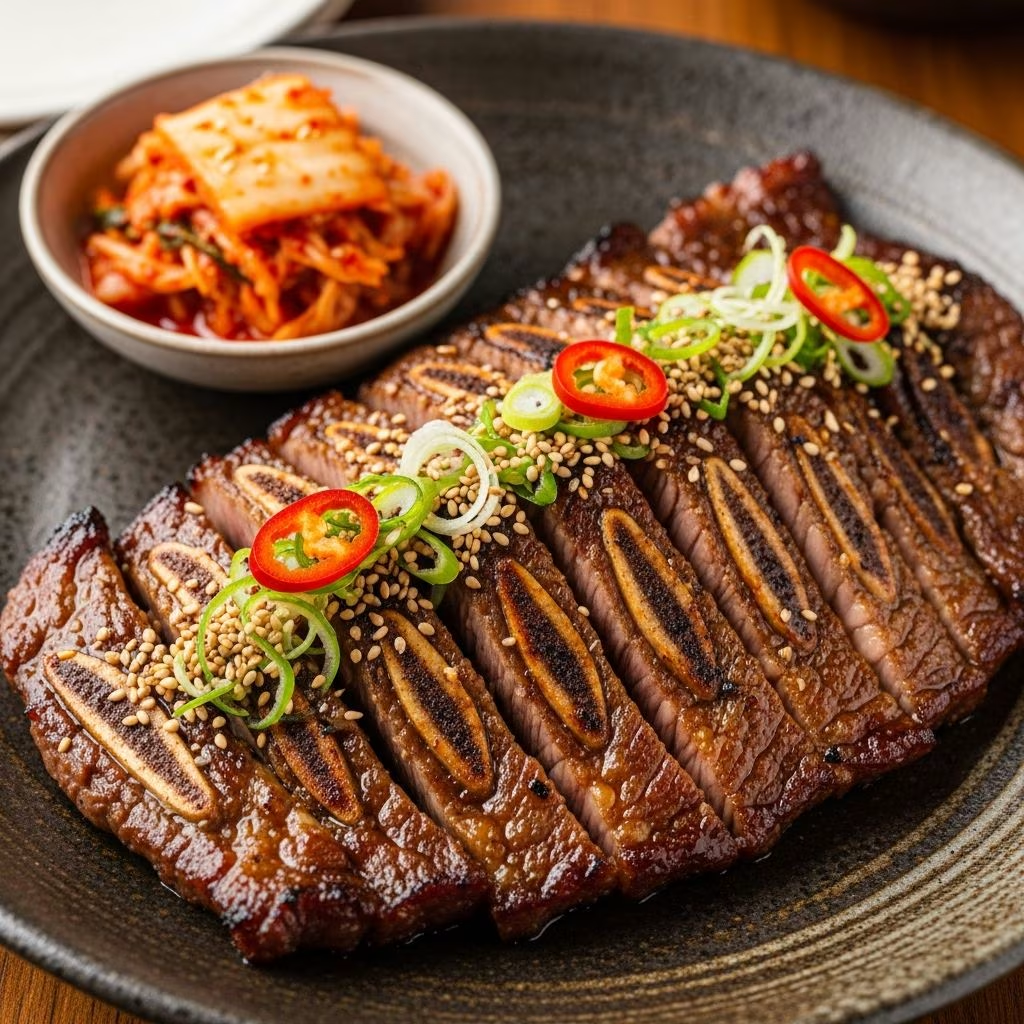
Transform ordinary short ribs into an extraordinary dish by combining the iconic Hasselback slicing technique with the rich, umami-packed flavors of Korean bulgogi. This method creates a stunning presentation where the meat fans out like accordion slices, allowing marinade to seep deep into every layer for maximum flavor absorption. Ideal for summer barbecues or weeknight dinners, these ribs deliver tender, juicy results with a perfect char.
Understanding the Hasselback Technique in Meat
The Hasselback cut, originally popularized with potatoes in 1950s Sweden, involves making thin, parallel slices almost through the food without severing it completely. When applied to beef short ribs, this technique increases surface area for seasoning penetration while keeping the meat intact for easy grilling. Short ribs, known for their marbling and connective tissue, benefit immensely as the slashes allow heat to circulate evenly, rendering fat and tenderizing the meat during cooking.
Unlike traditional bulgogi where thin flanken-cut ribs are used, the thicker boneless cuts here hold up to the slicing, creating a dramatic effect on the grill. The result is edges that crisp up beautifully while the interior stays succulent, mimicking the texture of premium steakhouse fare.
Essential Ingredients for Authentic Flavor
Gather these key components to build layers of sweet, spicy, and savory notes synonymous with Korean barbecue.
- Beef: 1.5 lbs boneless short ribs, 1-1.5 inches thick, trimmed of excess fat for clean slicing.
- Marinade Base: Grated ginger (1-inch piece), garlic (2 cloves), soy sauce (¼ cup), rice vinegar (2 Tbsp), brown sugar (2 Tbsp), gochugaru (1 Tbsp) or red pepper flakes, and sesame oil (1 Tbsp).
- Ssamjang (Spicy Dip): White miso (¼ cup), finely chopped scallion, gochujang (1 tsp), sugar (1 tsp), sesame oil, and seeds.
- Scallion Salad: 6 scallions julienned, sesame oil (2 tsp), rice vinegar (2 tsp), sesame seeds (1 tsp).
- Extras: Lettuce leaves for wrapping, vegetable oil for grilling, kosher salt.
These ingredients draw from classic bulgogi profiles, with gochugaru providing heat and brown sugar balancing acidity from vinegar.
Step-by-Step Marinade Preparation
Start by crafting the bulgogi marinade, the heart of this dish. In a medium bowl, whisk together grated ginger, garlic, soy sauce, rice vinegar, brown sugar, gochugaru, and sesame oil until the sugar dissolves. This mixture tenderizes the beef through enzymes in ginger and garlic while infusing sweet-spicy depth.
- Pat the short ribs dry and position them on a stable cutting board.
- With a sharp knife, slice at a 45-degree angle every ¼ inch, stopping halfway through. Flip and repeat on the other side, aligning slices for uniformity.
- Submerge the slashed ribs in the marinade, pressing it into the cuts. Cover and rest at room temperature for 2 hours or refrigerate overnight for intensified flavor.
This resting period allows the acidic components to break down proteins, ensuring fork-tender results.
Accompaniments: Ssamjang and Scallion Salad
No Korean grill is complete without ssamjang, a fermented soybean paste dip with heat, and a refreshing scallion salad.
Making Creamy Ssamjang
Combine finely chopped scallion, white miso, gochujang, sugar, sesame oil, sesame seeds, and a splash of water. Stir until smooth. This versatile paste adds creaminess and spice, perfect for smearing on wraps.
Crisp Scallion Salad
Trim scallions, halve lengthwise, and cut into 3-inch pieces. Slice into ultra-thin matchsticks, rinse in cold water to curl, then drain and dry. Toss with sesame oil, rice vinegar, and seeds. Season lightly with salt just before serving for crunch.
These sides provide textural contrast: creamy dip against crisp salad, balancing the rich ribs.
Grilling Mastery for Perfect Char
Fire up your grill to medium-high heat (around 400°F). Oil the grates to prevent sticking.
| Step | Action | Time/Temp |
|---|---|---|
| 1. Prep Meat | Remove ribs from marinade, pat dry, lightly salt | Room temp 30 min |
| 2. Initial Grill | Place slashes perpendicular to grates | Medium-high, 400°F |
| 3. Flip & Rotate | Every 1-2 min, move to cooler spots if flaring | 8-10 min total |
| 4. Check Doneness | Firm to touch, pink streak in deepest slash | Medium (135-140°F internal) |
Grill until edges char lightly and slashes reveal just a hint of pink, promoting carryover cooking for optimal juiciness. Rest 5 minutes before slicing across the cuts.
Serving Suggestions and Presentation
Slice or tear the rested ribs into bite-sized pieces. Arrange on a platter with ssamjang, scallion salad, and lettuce leaves. Diners wrap fillings in lettuce for ssam-style bites, evoking Korean BBQ houses.
- Pair with steamed rice, kimchi, or pickled radish.
- For drinks: Soju, Korean lager, or iced green tea.
- Scale up for crowds; feeds 4 generously.
Pro Tips for Success
- Knife Skills: Use a long, sharp knife for clean Hasselback cuts; steady the meat with your non-dominant hand.
- Marinade Hacks: Add grated Asian pear for natural tenderizing enzymes if available.
- Indoor Alternative: Broil on high, flipping as needed, for apartment dwellers.
- Storage: Refrigerate leftovers up to 3 days; reheat gently to preserve texture.
- Variations: Swap gochugaru for milder chili flakes; use coconut aminos for gluten-free.
Nutrition and Dietary Notes
Per serving (1/4 recipe): Approximately 450 calories, 35g protein, 25g fat, 15g carbs. High in iron and B vitamins from beef. Adapt for low-sodium by reducing soy sauce.
Common Mistakes to Avoid
- Cutting all the way through: Practice on one rib first.
- Over-marinating: Beyond 24 hours toughens meat.
- High heat only: Medium-high prevents burning before cooking through.
- Forgetting to rest: Juices redistribute for tenderness.
FAQs
Can I use bone-in short ribs?
Bone-in works but requires longer cooking; trim closely and adjust grill time by 2-3 minutes per side.
What if I don’t have a grill?
Use a cast-iron skillet or broiler; sear 4 minutes per side, ensuring good ventilation for smoke.
Is gochugaru necessary?
It adds authentic smokiness; substitute Aleppo pepper or flakes, but toast them first for depth.
How spicy is this dish?
Mild-medium; adjust gochujang and gochugaru to taste for family-friendly heat.
Make-ahead tips?
Marinate up to 1 day ahead; prep ssamjang and salad same day for freshness.
Why This Recipe Stands Out
Hasselback Bulgogi Short Ribs elevate home cooking with restaurant-worthy technique and flavor. The slashed presentation wows guests, while the marinade delivers bulgogi’s signature sweet-heat harmony. Versatile for indoor or outdoor prep, it’s a go-to for Korean fusion fans.
References
- How To Prepare Hasselback Short Rib Bulgogi — Coba Grills. 2023. https://www.coba-grills.hk/blogs/recipes/how-to-prepare-hasselback-short-rib-bulgogi
- Hasselback Bulgogi Short Ribs — Chouquette Kitchen. 2020-06-18. https://www.chouquettekitchen.com/blog/2020/6/18/hasselback-bulgogi-short-ribs
- Braised Short Ribs in Bulgogi Sauce — W2 Kitchen (YouTube). 2023. https://www.youtube.com/watch?v=v4sQ09jodSc
- Chris Makes Korean-Style Short Ribs — Bon Appetit (YouTube). 2023. https://www.youtube.com/watch?v=RWH1GKSCQNI
- Korean-Style Boneless Short Ribs (Bulgogi) — Certified Angus Beef. 2024. https://www.certifiedangusbeef.com/en/cooking/recipes/Korean-Style-Boneless-Short-Ribs-Bulgogi