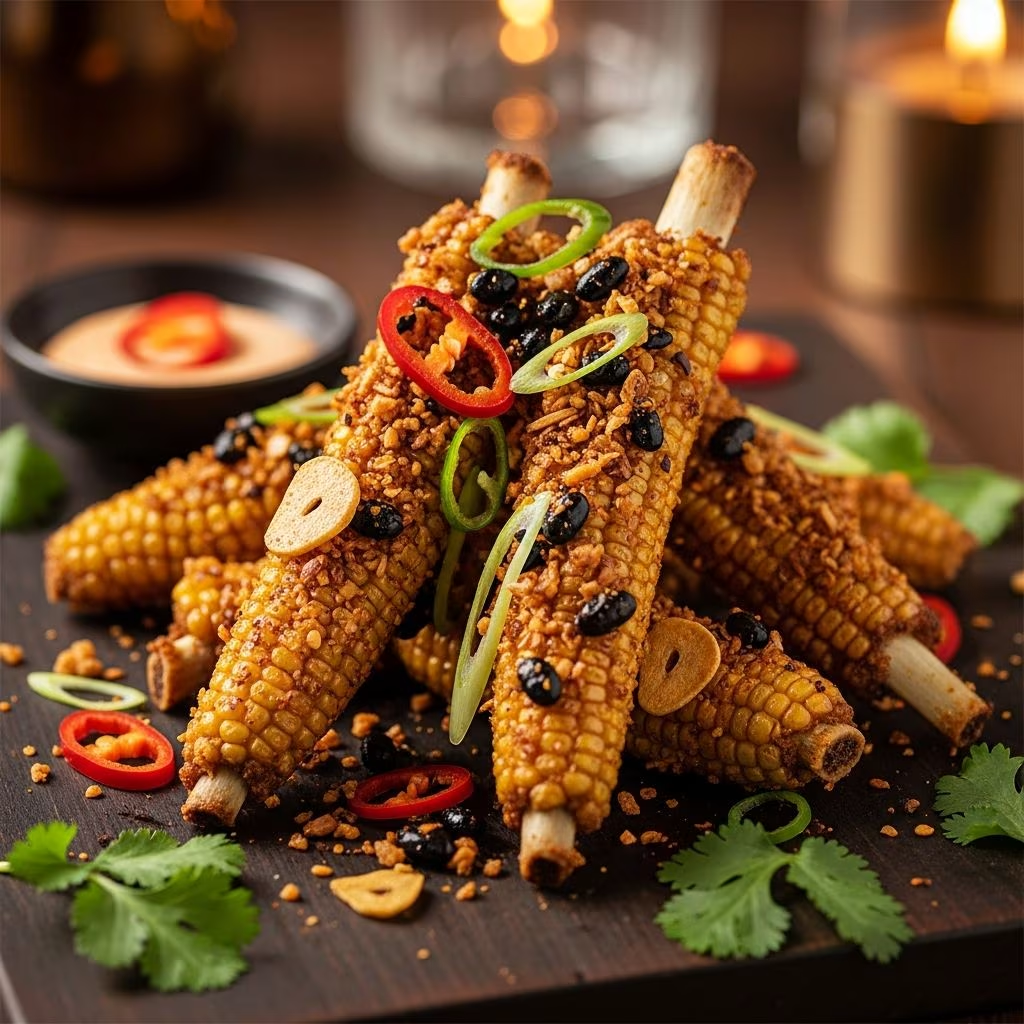
Corn ribs represent one of Hong Kong’s most beloved street food creations, emerging from the bustling kitchens of typhoon shelters where resourceful cooks transformed humble ingredients into extraordinary dishes. This iconic preparation showcases tender maize segments paired with fragrant aromatics, a complex sauce profile, and a contrasting crunchy topping that defines the entire eating experience. The dish exemplifies the Cantonese culinary philosophy of balancing textures, flavors, and cooking techniques to create something memorable from simple components.
Understanding the Typhoon Shelter Culinary Heritage
The term “typhoon shelter” refers to the protected harbors where fishing vessels sought refuge during severe weather conditions in Hong Kong. These shelters became informal community spaces where boat dwellers and fishermen congregated, eventually developing into vibrant food hubs. Vendors and home cooks operating floating restaurants and food stalls created inventive dishes that combined fresh ingredients with economical preparation methods. The cuisine that emerged from these environments became known for its bold flavors, creative ingredient combinations, and resourceful use of available produce.
Corn ribs emerged as a signature dish within this culinary tradition, transforming a grain typically served whole into individually portioned segments suitable for communal eating and street food consumption. The preparation method reflects the practical constraints and creative ambitions of typhoon shelter cooking, where efficiency meets flavor complexity.
Core Ingredients and Their Functions
The Foundation: Fresh Corn
The dish’s success depends fundamentally on selecting high-quality corn with firm kernels and fresh husks. Fresh ears provide better texture contrast and sweeter juice that complements the savory components. When cut into segments approximately 1.5 to 2 inches long, corn creates ideal finger-food pieces that are substantial enough to hold while eating yet small enough for single-bite consumption. The pre-boiling process softens the kernels slightly while maintaining structural integrity, preparing them for the wok treatment that follows.
Aromatic Components
The flavor foundation relies on a combination of traditional aromatics that form the basis of much Cantonese cookery:
- Spring onions contribute a mild allium note and fresh green color to the finished dish
- Fresh ginger adds warmth and digestive properties while balancing richer elements
- Garlic cloves provide pungent depth and create the foundation for the crispy topping when fried
- Thai chillies introduce heat and fruity undertones that elevate the overall spice profile
These ingredients are never used individually but rather work in concert, their individual characteristics merging into a cohesive aromatic backbone that permeates the corn throughout cooking.
The Crispy Topping: Textural Excellence
Panko breadcrumbs form the structural foundation for the topping, their larger crumb size creating superior crispness compared to regular breadcrumbs. When toasted independently and combined with fried garlic, the mixture provides textural contrast that distinguishes this dish from simpler preparations. White pepper adds subtle heat without overwhelming the palate, while sugar balances the savory elements and encourages browning. Salt acts as a flavor amplifier, intensifying all components while preventing the topping from tasting flat or one-dimensional.
Sauce Development and Flavor Complexity
The sauce component represents the dish’s most complex flavor layer, combining multiple elements that build in stages rather than combining simultaneously. Light soy sauce provides the umami foundation and salt component without the heavy sweetness of regular soy sauce. Chilli crisp contributes both heat and the textural benefit of crispy fried components suspended in oil, adding another layer of textural interest beyond the breadcrumb topping. A measured amount of sugar rounds out harsh flavors and prevents the dish from tasting one-note or overly aggressive.
This sauce formulation reflects classical Cantonese principles where sweet, savory, spicy, and umami elements coexist in carefully calculated proportions. The balance prevents any single flavor from dominating, instead creating a nuanced taste experience that unfolds throughout consumption.
Step-by-Step Preparation Methods
Preparing the Corn
Begin by selecting ears of corn with tightly packed kernels and no signs of drying or discoloration. Trim the stem ends and remove the husks completely, washing the ears thoroughly under cool running water. Stand each ear vertically on a cutting board, then cut the ear horizontally into equal segments, approximately 1.5 inches long. This cutting method creates pieces that are approximately the size of a riblet, hence the “ribs” terminology. Some cooks prefer creating longer segments, while others create smaller pieces depending on preferred portion size and mouthfeel.
Bring a large pot of salted water to a rolling boil, adding enough salt to make the water taste pleasantly saline. Add the corn segments and maintain a boil for exactly five minutes. Undercooking results in tough, starchy kernels, while overcooking produces mushy texture that falls apart during the subsequent stir-fry. Remove the corn carefully with a slotted spoon or spider strainer, spreading the segments on paper towels to drain excess moisture. Excess moisture prevents proper sauce adherence and reduces the crispness of the final dish.
Creating the Breadcrumb Topping
In a dry wok or large skillet, toast the panko breadcrumbs over medium heat, stirring constantly to ensure even browning. The breadcrumbs require approximately three to four minutes to achieve a uniform golden color and nutty aroma. Be attentive during this process, as panko can burn quickly once it reaches peak color. Transfer the toasted breadcrumbs to a clean bowl, immediately adding the fried garlic, white pepper, sugar, and salt while the mixture remains warm. The residual heat helps these ingredients distribute evenly and begin to meld together. Stir thoroughly and set aside until ready to incorporate into the finished dish.
The Wok Stir-Fry Technique
Heat oil in a wok or large skillet over medium heat until shimmering but not smoking. Add the spring onions, ginger, garlic, and Thai chillies in succession, stirring constantly for approximately two minutes until the aroma becomes intensely fragrant and perceptible throughout the cooking space. This initial aromatics cooking extracts flavors into the oil, which then coats subsequent ingredients. Add the drained corn segments carefully, stirring to distribute the aromatic oil evenly across all pieces. Continue stirring for approximately one minute to allow the corn to absorb the fragrant oil and heat through completely.
Pour in the light soy sauce and chilli crisp, stirring continuously to ensure even distribution. Add the sugar in small amounts while tasting to achieve desired sweetness balance. Cook for an additional minute, allowing the sauce to reduce slightly and concentrate in flavor. The corn segments should glisten with the oil and sauce mixture, with no liquid pooling at the bottom of the wok.
Finishing and Serving
Remove the wok from heat and transfer the corn mixture to a serving platter or bowl. Scatter the prepared breadcrumb topping over the corn, tossing gently to distribute evenly while maintaining the corn’s structural integrity. The topping should coat each segment while remaining visibly distinct. Serve immediately while the contrast between warm corn and crunchy topping remains pronounced. Allow diners to eat the corn with their fingers, as this traditional presentation method enhances the communal eating experience and allows full appreciation of textural contrasts.
Ingredient Substitutions and Variations
| Original Ingredient | Substitution Option | Flavor Impact |
|---|---|---|
| Light soy sauce | Regular soy sauce | Slightly sweeter, deeper color |
| Panko breadcrumbs | Regular breadcrumbs | Less crispy, denser texture |
| Thai chillies | Bird’s eye chillies or dried red chilies | More or less heat depending on type |
| Chilli crisp | Sriracha or regular chilli sauce | Different flavor profile, potentially wetter |
| Fresh corn | Frozen corn (thawed and dried) | Slightly less sweet, acceptable substitute |
Texture and Temperature Considerations
The dish achieves its defining character through deliberate textural contrast. The corn kernels provide a slightly yielding bite that releases sweet juice, while the
breadcrumb topping creates a satisfying crunch that shatters between teeth. This juxtaposition of soft and crispy elements, combined with temperature contrast from warm corn and room-temperature topping, creates a multisensory eating experience that simple corn preparations cannot achieve.
Temperature management throughout the cooking process ensures these textural elements remain distinct. Serving immediately after completing the dish prevents the breadcrumb topping from absorbing oil and becoming soggy, which would eliminate the crucial crispy element that defines the entire preparation.
Nutritional Considerations and Health Aspects
Fresh corn provides carbohydrates, dietary fiber, and plant-based proteins, making it a substantial component for a snack preparation. Ginger and garlic contribute antimicrobial properties and may support digestive function. The fried garlic and breadcrumb topping adds calories primarily from oil absorption, though the overall portion size remains moderate for this type of street food application. The preparation method maintains nutrient integrity better than many deep-fried alternatives, as the corn receives only surface oil treatment rather than full immersion.
Serving Suggestions and Pairings
Typhoon Shelter corn ribs function excellently as a standalone snack or appetizer, particularly in casual dining environments. The bold, spiced flavors pair well with simple beverages such as jasmine tea, oolong tea, or light lager beer. In a larger meal context, serve alongside other Cantonese preparations including stir-fried vegetables, roasted meats, or rice dishes. The dish’s relatively complete flavor profile prevents it from becoming overwhelming when combined with other elements, while its distinct texture makes it a memorable component of mixed courses.
Common Preparation Mistakes to Avoid
- Insufficient corn boiling: Undercooking results in tough kernels that remain difficult to eat
- Excess moisture on corn: Wet segments prevent sauce adhesion and create steam that softens breadcrumb topping
- Over-toasting breadcrumbs: Burnt breadcrumbs introduce bitter flavors that dominate the finished dish
- Uneven aromatics distribution: Rushing the initial stir-fry stage results in some corn pieces lacking fragrant oil coating
- Delayed serving: Allowing significant time between completion and consumption permits breadcrumb sogginess
- Excessive sauce: Too much liquid at the final stage prevents proper textural contrast
Making the Dish Your Own
While the traditional preparation remains authoritative, home cooks should feel empowered to adjust elements based on personal preferences and available ingredients. Heat tolerance varies significantly among individuals, making chilli quantities naturally variable. Some cooks prefer additional sweetness to balance more aggressive heat, while others appreciate less sugar to highlight umami elements. The breadcrumb topping quantity can be increased for those who particularly enjoy crispy components or decreased for those seeking more pronounced corn flavor dominance.
Experimenting with different aromatics such as scallion varieties, different ginger preparations, or alternative chilli types allows personal expression while maintaining the dish’s essential character. These adaptations represent natural evolution of traditional recipes rather than departures from authenticity, reflecting how all traditional cuisines develop through individual cook interpretation and local ingredient availability.
References
- Cantonese Cuisine and Food Culture — Hong Kong Tourism Board. 2024. https://www.discoverhongkong.com/us/explore/culture-heritage/cantonese-cuisine.html
- Typhoon Shelter Corn Ribs Recipe — Asian Inspirations. 2024. https://asianinspirations.com.au/recipes/typhoon-shelter-corn-ribs/
- Corn Nutrition Facts and Health Benefits — United States Department of Agriculture. 2024. https://www.usda.gov/fnic/foodcomp
- Stir-Fry Cooking Techniques — Serious Eats. 2023. https://www.seriouseats.com/wok-cooking-techniques