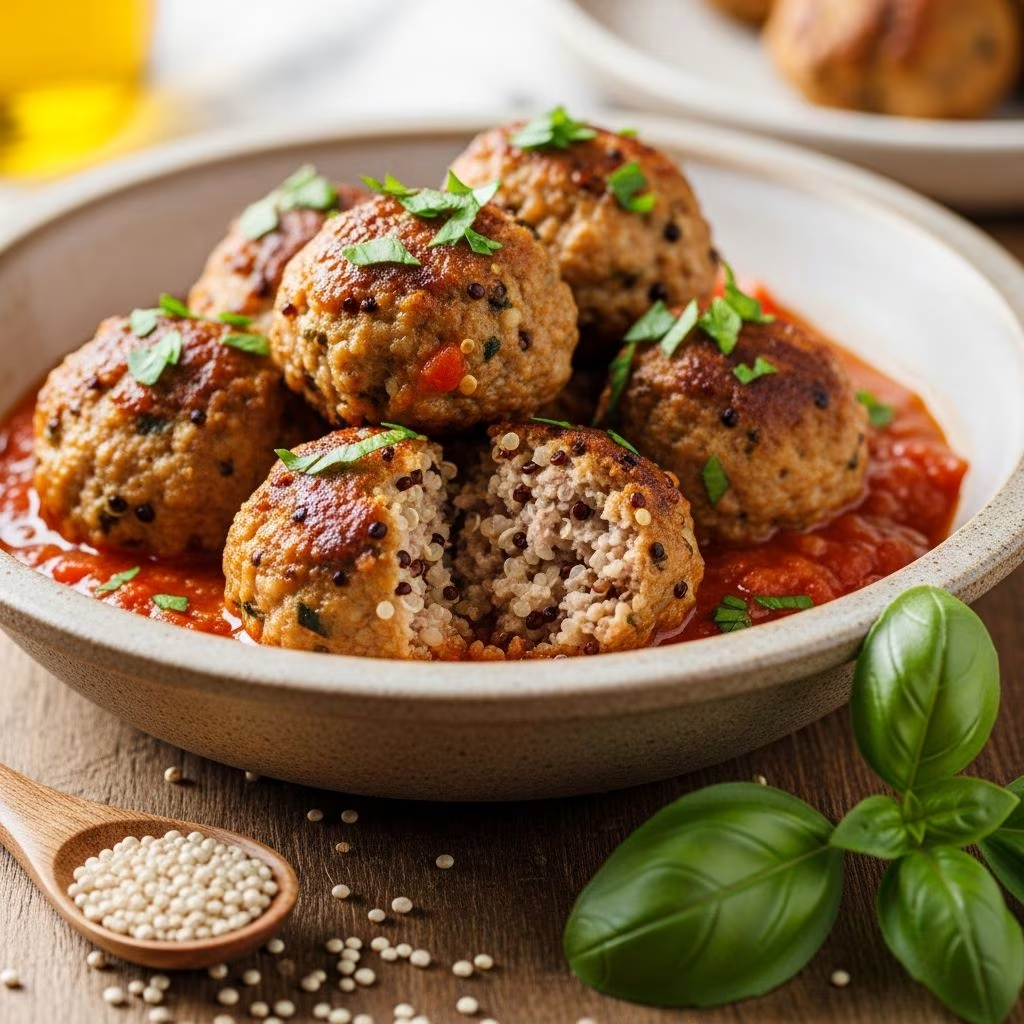
Contemporary home cooking has embraced a shift toward ingredient combinations that prioritize nutritional density without sacrificing flavor. The pairing of ground turkey with cooked quinoa represents a thoughtful evolution in the classic meatball recipe, transforming a traditionally indulgent dish into a nutrient-forward meal option. This combination addresses multiple dietary preferences while maintaining the comfort-food appeal that makes meatballs a beloved staple across countless cuisines.
Understanding the Nutritional Foundation
Ground turkey serves as an excellent protein source for individuals seeking leaner meat options compared to beef or pork alternatives. The versatility of turkey extends beyond its protein content; it absorbs flavors effectively and provides a neutral base that accommodates both traditional and innovative seasoning approaches. When paired with quinoa, a complete plant-based protein containing all nine essential amino acids, the resulting meatball achieves a protein profile that rivals or exceeds traditional recipes while offering enhanced micronutrient diversity.
Quinoa’s role extends beyond nutritional contribution. As a binder, it replaces breadcrumbs commonly found in conventional meatball recipes, naturally gluten-free for those with dietary restrictions. The grain’s slightly nutty flavor complements turkey’s mild taste, creating an integrated rather than layered eating experience.
Essential Components and Ingredient Selection
Successful meatball preparation depends on understanding how each ingredient functions within the mixture. The primary components work synergistically to create texture, moisture retention, and flavor development.
The Protein Base
Approximately 1 to 1.25 pounds of ground turkey forms the foundation. Selecting the appropriate fat percentage matters; leaner varieties (93% or higher) reduce excess moisture during cooking, while slightly fattier options maintain juiciness. The choice depends on personal preference and desired final texture.
The Whole Grain Component
One cup of pre-cooked quinoa (or approximately one-third cup uncooked) provides structural integrity while distributing moisture evenly throughout the mixture. Cooking quinoa properly before incorporation prevents dense, undercooked centers. The grain should be fluffy rather than mushy, achieved by using a 2:1 water-to-quinoa ratio and allowing proper steaming time after cooking completion.
Aromatics and Flavor Builders
Onion, whether grated or finely minced, breaks down during cooking and distributes moisture while contributing subtle sweetness. Garlic, minced to fine particles, becomes almost imperceptible in texture while providing aromatic depth. Fresh herbs such as Italian parsley add brightness and visual appeal. These ingredients form the flavor foundation that distinguishes thoughtfully prepared meatballs from basic preparations.
Binding and Seasoning Elements
A single beaten egg acts as the primary binder, holding the mixture together during formation and cooking. Soy sauce or tamari introduces umami depth and sodium that enhances other flavors. Oregano, either fresh or dried, provides Mediterranean resonance. Dried chile flakes introduce subtle heat. Kosher salt and freshly ground black pepper allow final seasoning adjustment based on ingredient saltiness levels.
Preparation Methodology
Proper technique ensures consistent results and optimal texture development throughout the batch.
Combining Ingredients
In a large mixing bowl, combine all ingredients thoroughly but gently. Overmixing develops gluten-like networks even without traditional flour, resulting in tough, dense meatballs. Using a stand mixer with paddle attachment or gentle hand mixing achieves even distribution without overdevelopment. The mixture should appear homogeneous with visible flecks of herbs and spices.
Forming Uniform Portions
Using a 1.5-tablespoon portion scoop or ice cream scoop ensures consistent sizing, which promotes even cooking throughout the batch. Rolling between palms should be gentle; excessive pressure compacts the mixture and prevents proper moisture distribution during baking. Formed meatballs should be placed on prepared baking sheets with adequate spacing to allow heat circulation.
Cooking Process
Preheating the oven to 350-400°F (specific temperature varies by recipe variation) ensures consistent interior cooking while developing exterior browning. Baking rather than pan-frying reduces added fat while simplifying the cooking process. Typical baking time ranges from 15 to 35 minutes depending on size and oven characteristics. Meatballs are done when they register 165°F at the center using an instant-read thermometer and feel firm to the touch.
Comparative Preparation Methods
| Method | Temperature | Time Required | Advantages | Considerations |
|---|---|---|---|---|
| Baking on Sheet Pan | 350-400°F | 15-35 minutes | Hands-free cooking, minimal oil, even browning, batch-friendly | Requires preheating, rack positioning affects browning |
| Pan-Searing | Medium-High Heat | 10-15 minutes | Quick preparation, immediate browning, direct control | Requires oil, demands attention, inconsistent cooking |
| Slow Cooker Preparation | Low or High setting | 2-4 hours | Extremely hands-off, maintains moisture, flavor development | No exterior browning, longer total time |
Flavor Variation Approaches
While the foundational recipe provides excellent results, several direction modifications accommodate diverse palate preferences and meal planning goals.
Mediterranean Influenced Variations
Incorporating spinach and feta cheese transforms the meatballs toward Greek inspiration, served alongside herb-infused quinoa salad containing cucumber, cherry tomatoes, and kalamata olives. This approach adds textural contrast and creates a more complete meal when served together.
Asian-Inspired Adaptations
Substituting soy sauce with higher quantities, introducing sesame oil, and adding sriracha or ginger creates an entirely different flavor profile. These meatballs pair naturally with rice vinegar-based dipping sauces and serve well in Asian lettuce wraps or over rice bowls.
Vegetable Integration Methods
Finely grated zucchini, minced bell peppers, or chopped mushrooms add moisture, nutrition, and textural interest. These additions require slight reduction in liquid-based ingredients to prevent excessive moisture that causes falling-apart issues during cooking.
Regional Spice Profiles
Italian seasoning, cumin, or barbecue spice rubs each create distinct flavor characters while maintaining the healthy foundation. Experimenting with herb and spice combinations allows personalization while maintaining nutritional integrity.
Serving Suggestions and Pairing Strategies
Presentation and accompaniments significantly impact the final dining experience and perceived value of the prepared dish.
- With Tomato Sauce: Traditional pairing where meatballs are simmered in marinara or similar tomato-based sauce, served over pasta, zucchini noodles, or polenta
- In Lettuce Wraps: Cool, crisp lettuce leaves (butter lettuce or romaine) serve as low-carb vessels, topped with meatballs and garnished with fresh herbs and Parmesan
- Over Grain Bowls: Placed atop quinoa, brown rice, or farro with roasted vegetables and drizzled with tahini or yogurt-based dressing
- As Appetizers: Served on toothpicks with various dipping sauces including tzatziki, sweet chili, or herb-infused yogurt
- In Mediterranean Salads: Combined with cucumber, tomatoes, olives, and feta over mixed greens with lemon vinaigrette
Storage and Make-Ahead Planning
These meatballs adapt well to advance preparation, fitting seamlessly into busy weekly schedules. Uncooked meatballs may be formed, frozen on a sheet pan, and transferred to freezer bags for storage up to three months. Cooking directly from frozen requires only slight time extension. Fully cooked meatballs store in airtight containers in the refrigerator for three to five days, or frozen for up to three months.
This make-ahead capability transforms meatballs into a meal-prep component, allowing quick assembly into various final dishes throughout the week. Portioning into individual servings during initial storage facilitates grabbing exact quantities needed.
Nutritional Considerations
A typical serving (approximately 2-3 meatballs) provides substantial protein from both turkey and quinoa, complex carbohydrates, and micronutrients including B vitamins, magnesium, and phosphorus. The recipe naturally accommodates gluten-free diets when tamari replaces soy sauce. Sodium content remains moderate when using minimal added salt, though individuals monitoring sodium intake should consider sauce selections.
The combination of lean protein and whole grains promotes satiety, supporting weight management goals for those prioritizing sustained energy without excessive caloric intake. The nutrient density positions these meatballs as suitable for various dietary approaches including paleo-adjacent, whole-food, and Mediterranean-style eating patterns.
Frequently Asked Questions
Can These Meatballs Be Frozen?
Yes. Form uncooked meatballs, freeze individually on a sheet pan, then transfer to freezer bags. Cook from frozen, adding approximately 5-10 minutes to total cooking time. Cooked meatballs also freeze excellently for up to three months.
What If the Mixture Falls Apart?
Overmixing, insufficient binding, or excess moisture typically causes this issue. Add another beaten egg or a tablespoon of flaxseed meal (which acts as a binder). Ensure quinoa is fully cooked but not mushy. Rest the mixture in the refrigerator for 15 minutes before forming.
Are These Suitable for All Diets?
The base recipe naturally fits gluten-free, paleo-adjacent, and whole-food approaches. Dairy-free preparation simply omits Parmesan. Lower-sodium variations use reduced-sodium soy sauce or tamari. Always verify that all included ingredients align with specific dietary requirements.
What Temperature Ensures Proper Doneness?
Ground turkey must reach 165°F at the thickest point. Using an instant-read thermometer eliminates guesswork. This temperature ensures food safety by eliminating harmful bacteria.
How Does Quinoa Affect Cooking Time?
Quinoa’s moisture content may slightly extend baking time compared to breadcrumb-based versions. The difference typically amounts to 2-5 additional minutes. Monitoring the first batch establishes accurate timing for your specific oven.
Conclusion
The integration of ground turkey and quinoa into meatball preparation demonstrates how contemporary cooking techniques honor traditional comfort foods while embracing nutritional advancement. This recipe bridges the gap between health-conscious eating and genuine flavor satisfaction, proving that wholesome ingredients need not compromise enjoyment. Whether incorporated into weekday meal planning or served at gatherings, these meatballs offer versatility, nutrition, and the approachable satisfaction that keeps people returning to the kitchen.
References
- Nutritional Composition of Quinoa — Vaya Nutrition and the USDA FoodData Central Database. 2024. https://fdc.nal.usda.gov/fdc-app.html
- Food Safety and Ground Poultry Handling Guidelines — U.S. Department of Agriculture (USDA) Food Safety and Inspection Service. 2023. https://www.fsis.usda.gov/food-safety/safe-food-handling-and-preparation/poultry/chicken
- Protein Content in Whole Grains and Legumes — Harvard T.H. Chan School of Public Health Nutrition Source. 2023. https://www.hsph.harvard.edu/nutritionsource/
- Safe Internal Temperature for Poultry Products — Centers for Disease Control and Prevention (CDC). 2024. https://www.cdc.gov/foodsafety/communication/index.html
- Gluten-Free Food Standards and Certification — U.S. Food and Drug Administration (FDA). 2023. https://www.fda.gov/food/guidance-compliance-regulatory-information/gluten-free-labeling