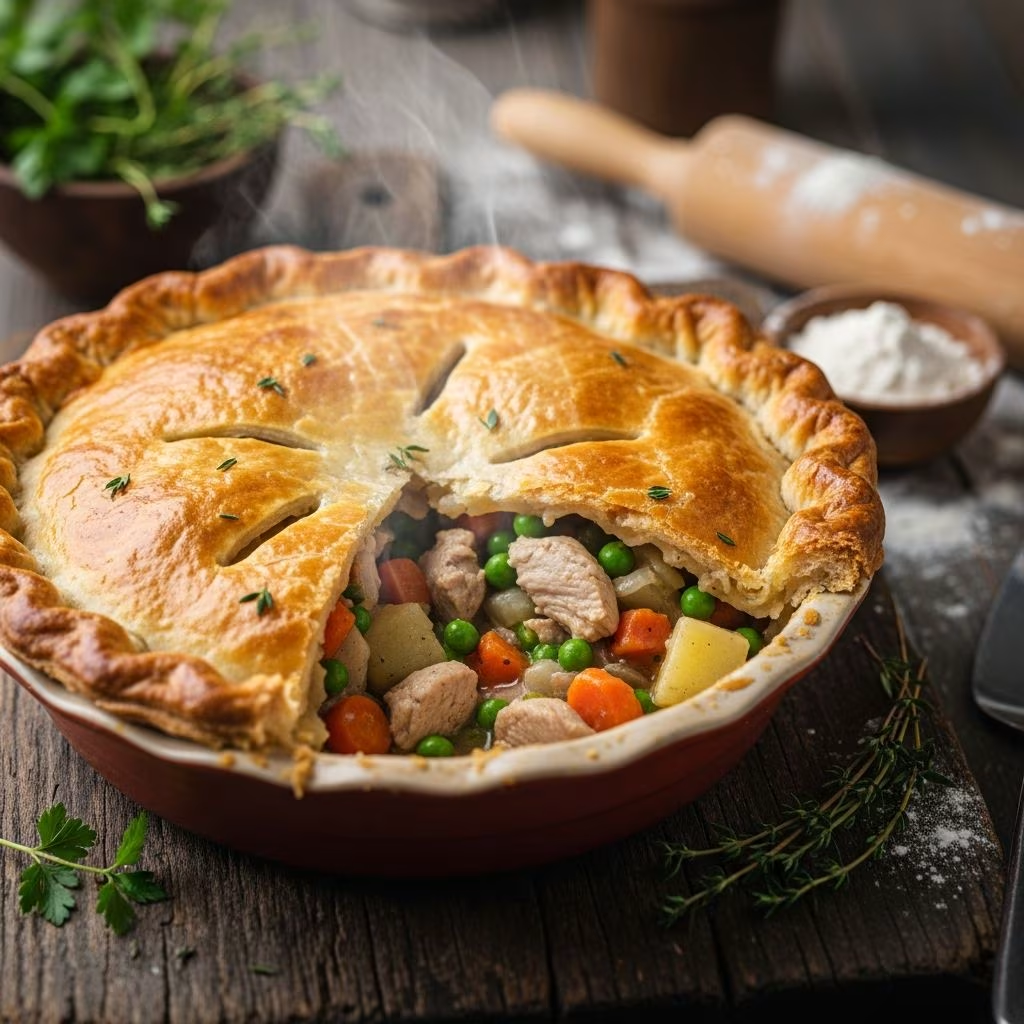
Turkey pot pie represents one of the most beloved comfort food dishes, offering a perfect solution for transforming leftover poultry into an entirely new culinary experience. This savory creation combines tender turkey with a rich, creamy sauce, an abundance of vegetables, and a beautifully golden pastry topping that provides both visual appeal and textural contrast. Whether you’re planning to use Thanksgiving leftovers or fresh turkey, understanding the fundamentals of pot pie construction will enable you to create a restaurant-quality dish in your own kitchen.
Understanding the Essential Components of Pot Pie Construction
A successful turkey pot pie relies on several key structural elements working in harmony. The foundation begins with the filling—a creamy, herb-infused sauce that binds together the turkey pieces and vegetables. This sauce serves as both a flavor vehicle and a binding agent, creating a cohesive dish rather than a collection of separate ingredients. The filling’s consistency is critical; it should coat the back of a spoon without being overly thick or runny. Beneath this filling lies a carefully selected combination of vegetables that contribute both nutrition and textural variety. The final component is the pastry crust, which seals in the filling while baking and provides a golden, flaky exterior that contrasts beautifully with the warm, creamy interior.
Selecting Quality Ingredients for Your Filling Base
The foundation of any exceptional pot pie begins with the aromatic vegetables that establish the flavor profile. The classic combination of onions, celery, and carrots creates what culinary professionals call the aromatic base. These vegetables should be diced uniformly into small pieces to ensure even cooking and distribution throughout the filling. Onions bring a subtle sweetness and depth, while celery contributes a gentle herbaceous note, and carrots add natural sweetness and vibrant color. Beyond these traditional choices, many variations include mushrooms, which provide an earthy umami quality that enriches the overall flavor complexity.
For the binding and enriching components, butter serves multiple purposes in the filling preparation. Beyond adding rich flavor, butter combines with flour to create a roux, which acts as a thickening agent for the sauce. This roux-based approach offers superior flavor development compared to using cornstarch alone, as the flour toasts slightly when cooked, adding subtle nutty undertones to the filling. Heavy cream or whole milk contributes richness and creates the signature creamy texture that defines pot pie fillings. The choice between cream and milk depends on your preference for richness; cream yields a more luxurious result, while milk provides a lighter alternative.
Preparing the Aromatic Foundation and Building Flavor Layers
Begin your pot pie preparation by melting butter in a large, heavy-bottomed saucepan or deep skillet over medium heat. Once the butter foams and becomes fragrant, introduce your diced onions and cook them gently, stirring occasionally, until they become translucent and begin to soften. This process typically requires approximately five minutes. The goal is to soften the vegetables without browning them, which would alter the filling’s color and introduce bitter notes.
Once your onions reach the desired translucency, incorporate your flour into the mixture. At this stage, many home cooks add dried herbs such as thyme, rosemary, or poultry seasoning directly to the flour. This technique, called blooming spices, allows the dried herbs to release their essential oils and distribute evenly throughout the sauce. After adding the flour, stir constantly for approximately thirty seconds to one minute. This brief cooking period allows the flour to toast lightly, developing deeper flavors and helping to eliminate any raw flour taste from the finished sauce.
Creating the Creamy Sauce Base
With your aromatic base and flour mixture prepared, you’re ready to create the creamy sauce. This step requires patience and careful technique to avoid lumps. Begin by pouring in your broth or stock slowly while whisking continuously. Rather than adding all the liquid at once, incorporate it gradually in small additions, whisking thoroughly after each addition. This gradual approach prevents lumps from forming, as the flour particles have time to hydrate and disperse evenly throughout the liquid.
After incorporating the broth, add your cream or milk using the same gradual whisking technique. The mixture will initially appear quite thick, but as you continue whisking and heating, it will smooth out and reach a pourable consistency. Increase the heat to medium and bring the sauce to a gentle simmer, stirring frequently to prevent sticking on the bottom of the pan. Allow the sauce to simmer for one to two minutes, during which time the starch in the flour will fully hydrate and the sauce will reach its maximum thickening power. The finished sauce should be thick enough to coat the back of a spoon but still pourable.
Incorporating Vegetables and Protein
Before adding your turkey and remaining vegetables to the sauce, reduce the heat to low. This lower temperature prevents overcooking and helps maintain the quality of the ingredients you’re about to add. Now introduce your cooked vegetables—which might include diced potatoes, carrots, peas, corn, or green beans—along with your shredded or diced turkey. If you’re using fresh vegetables that aren’t fully cooked, add them earlier in the process to ensure they become tender by the time the pot pie finishes baking. However, pre-cooked or frozen vegetables can be added at this stage since they only need to be heated through.
Stir the mixture thoroughly to ensure all components are evenly distributed and coated with the creamy sauce. Taste the filling at this point and adjust your seasonings as needed. Many cooks prefer to season conservatively at this stage, as flavors will concentrate during baking. The filling is now ready for transfer to your pie dish or cast iron skillet.
Preparing and Applying the Pastry Topping
Whether you’re using a homemade pie dough or a store-bought alternative, the pastry should be chilled before application. Remove your dough from the refrigerator and allow it to rest at room temperature for five to ten minutes, just long enough to make it pliable but still cold. Roll out your dough between two pieces of parchment paper to approximately one-quarter inch thickness. This thickness provides enough structure to support the weight of the filling while remaining tender and flaky after baking.
Transfer your rolled dough carefully to the top of your filled pie dish or skillet. If you’re using a traditional pie dish with sloped sides, drape the dough over the edges and crimp them decoratively using your fingers or a fork. If you’re using a cast iron skillet, you may position the dough flush against the inner edges without allowing it to drape over the sides. In either case, create several small slits or a decorative pattern in the center of the crust to allow steam to escape during baking, which prevents the crust from splitting unevenly.
The Finishing Touches Before Baking
An egg wash provides both visual appeal and helps achieve that coveted golden-brown finish. Whisk together one egg with one tablespoon of water to create a thin egg wash. Using a pastry brush, apply this mixture evenly across the entire surface of your pastry crust. The egg wash will caramelize slightly during baking, creating a shiny, appetizing appearance and a subtle richness that enhances the pastry’s flavor.
Before placing your pot pie in the oven, preheat the oven to 400°F. If you’re concerned about the filling bubbling over the edges, place a baking sheet on the rack below to catch any drips. This simple precaution saves significant cleanup effort. Bake your pot pie for approximately 25 to 30 minutes, until the crust achieves a deep golden-brown color and you can see filling beginning to bubble around the edges. The visible bubbling indicates that the filling has reached the proper temperature throughout.
Ingredient Variations and Customization Options
| Vegetable Options | Protein Variations | Sauce Enrichments |
|---|---|---|
| Sweet potatoes, russet potatoes, carrots, celery, onions, peas, green beans, corn, mushrooms | Shredded turkey, diced turkey, chicken, ham, mixed poultry | Heavy cream, whole milk, evaporated milk, turkey or chicken stock, white wine, fresh herbs |
The beauty of pot pie lies in its flexibility. Many home cooks customize their filling based on available ingredients and personal preferences. Some variations incorporate sweet potatoes for an autumn twist, while others add mushrooms for earthiness. The vegetable combination can shift with seasons and availability, allowing you to create pot pies that align with your pantry and local produce options.
Troubleshooting Common Pot Pie Challenges
One frequent issue involves filling that remains too thin even after cooking and thickening. If this occurs, you can create a slurry by mixing cornstarch with cold water and stirring it into the filling over medium heat. This additional thickening will occur within a minute of heating. Conversely, if your filling becomes too thick, gradually whisk in additional broth or milk until you achieve the desired consistency.
Another common problem involves a crust that browns too quickly while the interior remains undercooked. To prevent this, tent the pot pie loosely with aluminum foil for the first 15 minutes of baking, then remove the foil to allow the crust to achieve full color development. If the crust still appears to be browning too quickly, lower the oven temperature by 25 degrees and extend the baking time accordingly.
Storage and Reheating Guidance
Properly stored pot pie maintains quality for three to four days in the refrigerator. Allow the pot pie to cool completely before covering it tightly with aluminum foil or transferring it to an airtight container. Reheat individual portions in a 350°F oven for approximately 15 minutes, or microwave in short intervals, stirring between cycles to ensure even heating.
For longer storage, unbaked pot pies freeze exceptionally well for up to two months. Assemble your pot pie completely, including the pastry topping, but do not bake. Wrap it thoroughly in plastic wrap and aluminum foil to prevent freezer burn. When ready to bake, place the frozen pot pie directly in a preheated 400°F oven and add approximately 15 minutes to the standard baking time.
Frequently Asked Questions About Turkey Pot Pie
Can I make pot pie with raw turkey instead of leftovers? Yes, you can poach raw turkey breast in the broth before shredding it, or use ground turkey cooked separately. This approach yields excellent results when leftover turkey isn’t available.
Is it necessary to use a bottom crust? No, many contemporary recipes skip the bottom crust to reduce the overall richness and preparation time. A single top crust provides sufficient pastry element.
What’s the difference between pot pie and chicken pie? The primary distinction is the protein used. The preparation method, filling technique, and flavor profiles remain substantially similar regardless of whether you use turkey, chicken, or another poultry.
Can I prepare pot pie ahead of time? Yes, you can assemble the entire pot pie, refrigerate it up to eight hours before baking, then bake when ready to serve. Add approximately five minutes to the baking time if baking from cold.
What type of pie crust works best? Both homemade and store-bought pie doughs yield excellent results. Puff pastry offers a different texture—flakier and more delicate—while traditional pie dough provides a more tender, buttery crust.
References
- Turkey Pot Pie – Great for Leftover Turkey! — Sugar Spun Run. 2026. https://sugarspunrun.com/turkey-pot-pie/
- Turkey Pot Pie Recipe — Sally’s Baking Addiction. 2026. https://sallysbakingaddiction.com/turkey-pot-pie-recipe/
- Turkey Pot Pie — Grandbaby Cakes. 2026. https://grandbaby-cakes.com/turkey-pot-pie/
- Turkey Pot Pie — Spend With Pennies. 2026. https://www.spendwithpennies.com/turkey-pot-pie/
- Turkey Pot Pie — Well Plated. 2026. https://www.wellplated.com/turkey-pot-pie/
- How to Make DELICIOUS Pot Pie with Leftover Turkey — Chef Billy Parisi, YouTube. 2026. https://www.youtube.com/watch?v=Dyb4lxwbdJE
- Leftover Turkey Pot Pie — RecipeTin Eats. 2026. https://www.recipetineats.com/garlic-bread-topped-leftover-turkey-pot-pie/