Tres leches cake represents one of Latin America’s most cherished dessert traditions, a creation that has transcended regional boundaries and become beloved across the globe. The name “tres leches” literally translates to “three milks,” referring to the distinctive preparation method where a delicate sponge cake is saturated with a combination of three different dairy products. This technique transforms a light, airy cake into a moist, indulgent treat that melts on the palate. The resulting texture and flavor profile make this dessert a favorite at celebrations, family gatherings, and restaurant menus throughout Latin America and beyond.
Understanding the Foundation: What Makes Tres Leches Special
The appeal of tres leches cake lies in its unique textural contrast and the way it combines simplicity with sophistication. Unlike many Western desserts that rely on dense frostings or complex layers, tres leches achieves its moisture and richness through a straightforward soaking method. The cake base is fundamentally a vanilla sponge cake that begins its life as a light, fluffy creation—similar in structure to angel food cake. The magic happens after baking, when the cooled cake is pierced and bathed in a mixture of evaporated milk, sweetened condensed milk, and either whole milk or heavy cream.
What distinguishes this dessert from other layered or frosted cakes is the distribution of moisture throughout every crumb. Rather than moisture concentrating in frosting layers, the three-milk mixture penetrates the entire cake structure, creating a consistent, velvety texture from top to bottom. This approach requires precision in both the cake-baking stage and the milk-soaking stage to achieve the ideal balance between moistness and structural integrity.
Essential Ingredients and Their Roles
Creating a successful tres leches cake requires understanding how each ingredient contributes to the final product:
- Flour: All-purpose flour, typically one to two cups depending on recipe scaling, provides the cake’s structural foundation. Proper measurement—using the spoon-and-level method rather than scooping directly—ensures consistent results.
- Baking Powder: This leavening agent, usually 1.5 teaspoons, enables the cake to rise during baking and creates the airy crumb structure essential for absorption.
- Eggs: Five large eggs serve dual purposes. The yolks contribute richness and moisture, while the separated whites, when beaten to stiff peaks, create the bulk of the cake’s lightness. The air incorporated into beaten egg whites is what makes this cake exceptionally fluffy.
- Sugar: Divided into two portions—three-quarters cup for the yolks and one-quarter cup for the whites—sugar sweetens the cake and helps stabilize the whipped egg whites.
- Milk: The one-third cup of whole milk in the cake batter adds moisture to the dry ingredients and helps create a tender crumb.
- Vanilla Extract: This flavoring agent (typically one teaspoon) provides the characteristic vanilla backbone that complements the milk-soaking step.
- The Three Milks Mixture: Evaporated milk, sweetened condensed milk, and whole milk or heavy cream combine to create the signature soaking liquid. Each milk contributes different qualities—evaporated milk adds richness, condensed milk provides sweetness and viscosity, and whole milk or cream offers moisture and luxurious mouthfeel.
Step-by-Step Preparation: Building Your Cake
Setting Up Your Workspace
Success begins before any mixing occurs. Preheat your oven to 350°F and prepare your baking vessel—either a 13-by-9-inch rectangular pan or two 9-inch round cake pans, depending on your desired presentation. Coat the pan thoroughly with nonstick spray or butter and flour to prevent sticking. Arrange three mixing bowls—one medium and two large—with the purpose of each clearly established before you begin.
Combining Dry Components
In your medium bowl, combine one cup of flour, 1.5 teaspoons of baking powder, and one-quarter teaspoon of salt using a whisk. This step ensures even distribution of the leavening agent throughout the flour, preventing pockets of density in the finished cake. Set this mixture aside momentarily.
Preparing the Egg Yolk Mixture
Separate the five eggs carefully, placing yolks in one large bowl and whites in another. To the yolk bowl, add three-quarters cup of sugar and beat on high speed using an electric mixer. Continue beating for approximately two minutes until the yolks transform from deep yellow to pale yellow—this indicates that air has been thoroughly incorporated and the sugar has dissolved. This pale color is essential; it signals proper emulsification and the incorporation of air bubbles that contribute to the cake’s final texture.
To this mixture, stir in one-third cup of whole milk and one teaspoon of vanilla extract. Gently pour this combined mixture over the flour mixture and stir very gently just until combined, avoiding overmixing which would develop gluten and create a tough cake.
Whipping the Egg Whites
Using clean beaters in the remaining large bowl, begin beating the egg whites on high speed. After approximately one minute, as they become foamy and begin to increase in volume, gradually pour in the remaining one-quarter cup of sugar while continuing to beat. Maintain beating for approximately three minutes total until stiff peaks form—this means the whites should be glossy and hold their shape completely. The formation of stiff peaks is critical; this stage incorporates maximum air, which translates directly to maximum lift and lightness in the baked cake.
Combining All Components
Using a rubber spatula, gently fold the stiffly beaten egg whites into the flour-yolk mixture in two batches. Fold rather than stir—a folding motion involves using the edge of the spatula to cut through the mixture vertically, then sweeping across the bottom and folding over the top, rotating the bowl slightly with each motion. This technique preserves the air bubbles while ensuring even distribution. Continue until no visible white streaks remain, but avoid overmixing.
Baking Phase
Pour the batter into your prepared pan and smooth it into an even layer using an offset spatula. Bake at 350°F for 25 to 35 minutes, or until a toothpick inserted in the center comes out clean. The cake should be golden on top and spring back when lightly pressed. Remove from the oven and allow the cake to cool completely before proceeding to the soaking stage. This cooling period is crucial—a hot cake will not properly absorb the milk mixture.
The Signature Soaking: Bringing the Three Milks Together
Once your cake has cooled completely, combine one can (14 ounces) of evaporated milk, one can (14 ounces) of sweetened condensed milk, and one cup of heavy cream or whole milk in a small bowl. Stir gently to ensure even distribution. This mixture represents the soul of the tres leches experience—it transforms the light sponge into a rich, moist dessert.
Using a fork, pierce the cooled cake all over the top surface, creating small holes that will allow the milk mixture to penetrate. Pour the milk mixture slowly over the top of the cake, ensuring coverage near the edges and across the entire surface. You may find that not all of the milk mixture is absorbed immediately; this is normal and expected. Refrigerate the cake for at least one hour, though overnight refrigeration allows more thorough absorption and helps the flavors meld.
Finishing Touches and Presentation
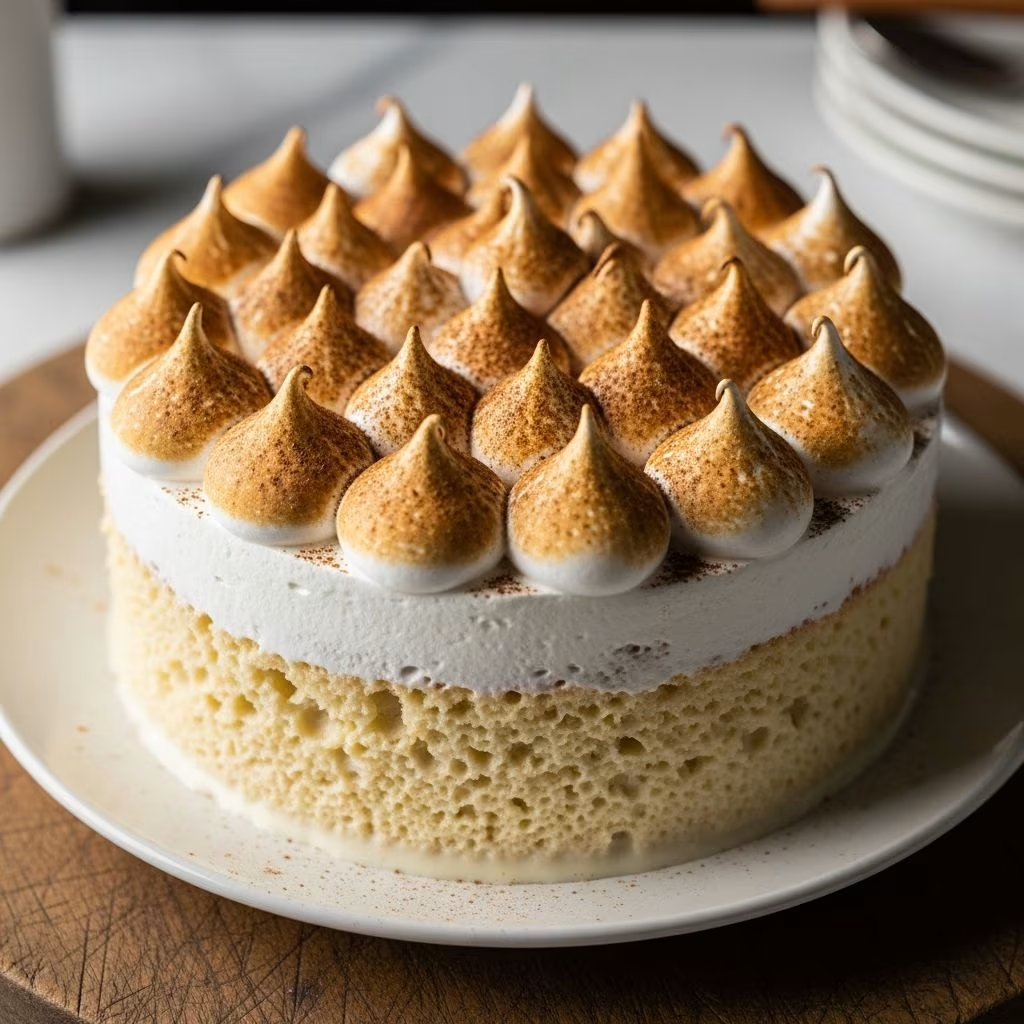
Before serving, prepare a topping of freshly whipped cream to garnish the surface. Using an electric mixer, whip one cup of heavy cream with two to three tablespoons of powdered sugar until soft peaks form—this creates clouds of cream that contrast beautifully with the moist cake beneath. Spread or dollop this whipped cream across the top, creating an appealing presentation.
For traditional presentation, dust the surface with ground cinnamon—a classic pairing that adds warmth and subtle spice. Some variations include fresh maraschino cherries or a light drizzle of dulce de leche for additional visual appeal and flavor complexity.
Troubleshooting Common Issues
| Problem | Cause | Solution |
|---|---|---|
| Cake is too dense or heavy | Overmixing or underbeating egg whites | Ensure egg whites reach stiff peaks and fold gently to preserve air |
| Cake absorbs too much milk and becomes soggy | Oversized holes from fork, too long refrigeration | Use moderate fork pressure and limit soaking to overnight |
| Cake doesn’t absorb enough milk | Cake was still warm during soaking or holes too small | Cool cake completely and use fork generously to create holes |
| Cake sinks in the middle | Oven temperature too high or cake underbaked | Use oven thermometer and verify doneness with toothpick |
| Whipped cream topping is watery | Over-whipping or room too warm | Whip until soft peaks form; refrigerate until serving |
Variations and Creative Adaptations
While the classic tres leches recipe remains timeless, creative bakers have developed numerous variations that honor the traditional method while introducing new flavors. Some versions incorporate almond extract alongside vanilla for additional depth. Others add rum or other spirits to the milk mixture, creating a sophisticated adult version. A horchata-inspired variation uses rice milk and coconut milk as part of the three-milk combination, introducing subtle nuttiness and tropical notes. These adaptations demonstrate how the fundamental technique supports both tradition and innovation.
Frequently Asked Questions
Can I make tres leches cake in advance?
Yes, tres leches cake actually improves with time as the flavors meld and the cake fully absorbs the milk mixture. Prepare it up to one day ahead, cover with plastic wrap, and refrigerate until serving time.
How should I store leftover tres leches cake?
Cover the cake with plastic wrap or aluminum foil and store in the refrigerator for up to three days. The whipped cream topping may become slightly softer over time, but the cake itself remains delicious.
Can I use a boxed cake mix instead of making the cake from scratch?
While a boxed vanilla cake mix will technically work, the texture differs significantly from a traditional sponge cake because boxed mixes contain different ratios of ingredients and often include additives. For authentic results, the from-scratch method is recommended.
What if I don’t have sweetened condensed milk?
Sweetened condensed milk is essential to the traditional recipe as it provides both sweetness and a specific creamy texture. Substituting it with regular milk and sugar won’t yield the same results.
Can I freeze tres leches cake?
Freezing is not recommended because the whipped cream topping becomes icy and the cake’s texture changes significantly upon thawing. This dessert is best served fresh or refrigerated.
The Enduring Appeal of a Timeless Dessert
Tres leches cake occupies a special place in dessert traditions worldwide because it represents a perfect balance between simplicity and indulgence. The technique of soaking cake in milk is straightforward, yet the results feel luxurious and carefully crafted. Whether served at celebrations or enjoyed as an everyday treat, this dessert brings people together through its universal appeal—a light, moist cake that melts on the tongue and lingers in memory long after the last bite.
References
- Layered Tres Leches Cake Recipe — Natasha’s Kitchen. Accessed April 2026. https://natashaskitchen.com/layered-tres-leches-cake-recipe/
- Tres Leches Cake Recipe — Tastes Better From Scratch. Accessed April 2026. https://tastesbetterfromscratch.com/tres-leches-cake/
- Tres Leches Cake Recipe — Preppy Kitchen. Accessed April 2026. https://preppykitchen.com/tres-leches-cake/
- Best Tres Leches Cake Recipe — The Pioneer Woman. Accessed April 2026. https://www.thepioneerwoman.com/food-cooking/recipes/a8891/tres-leches-cake/
- Five-Flavor Tres Leches Cake — 177 Milk Street. January 2025. https://www.177milkstreet.com/stories/10-