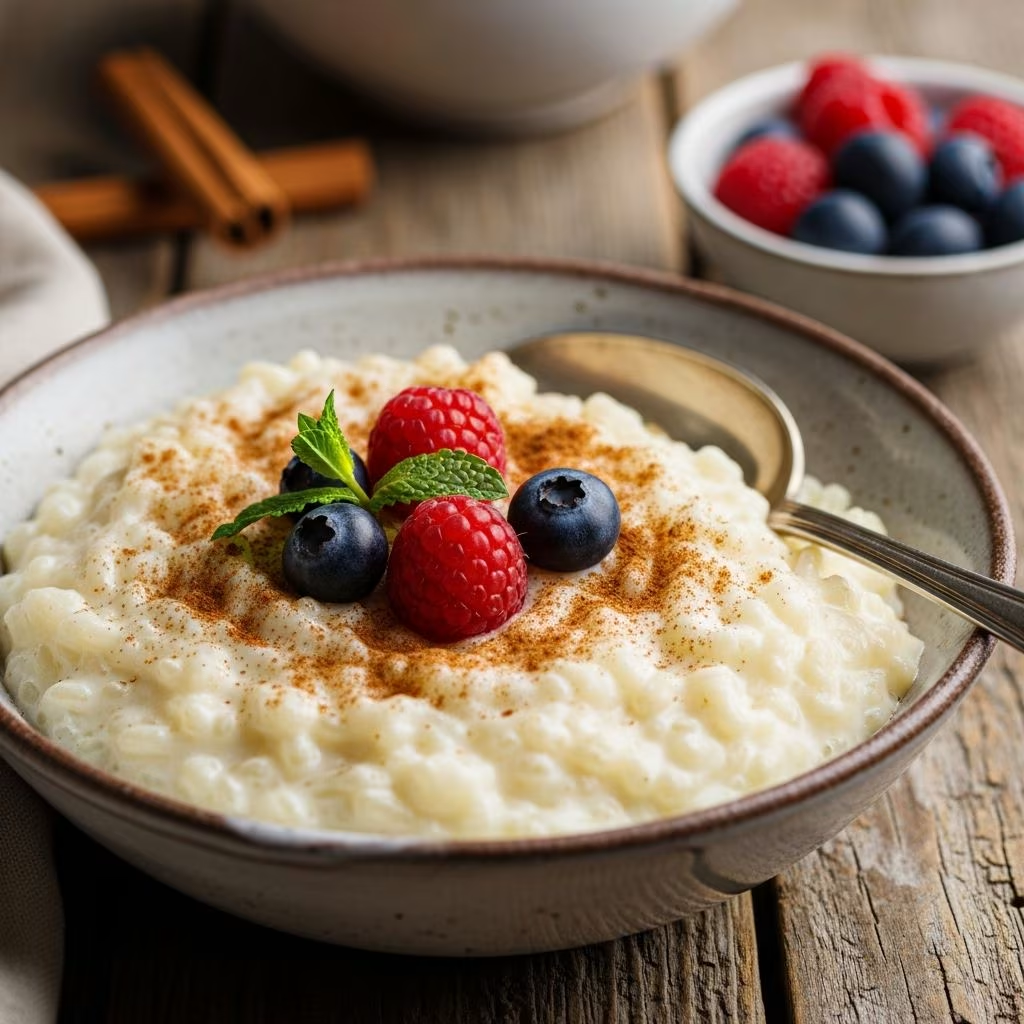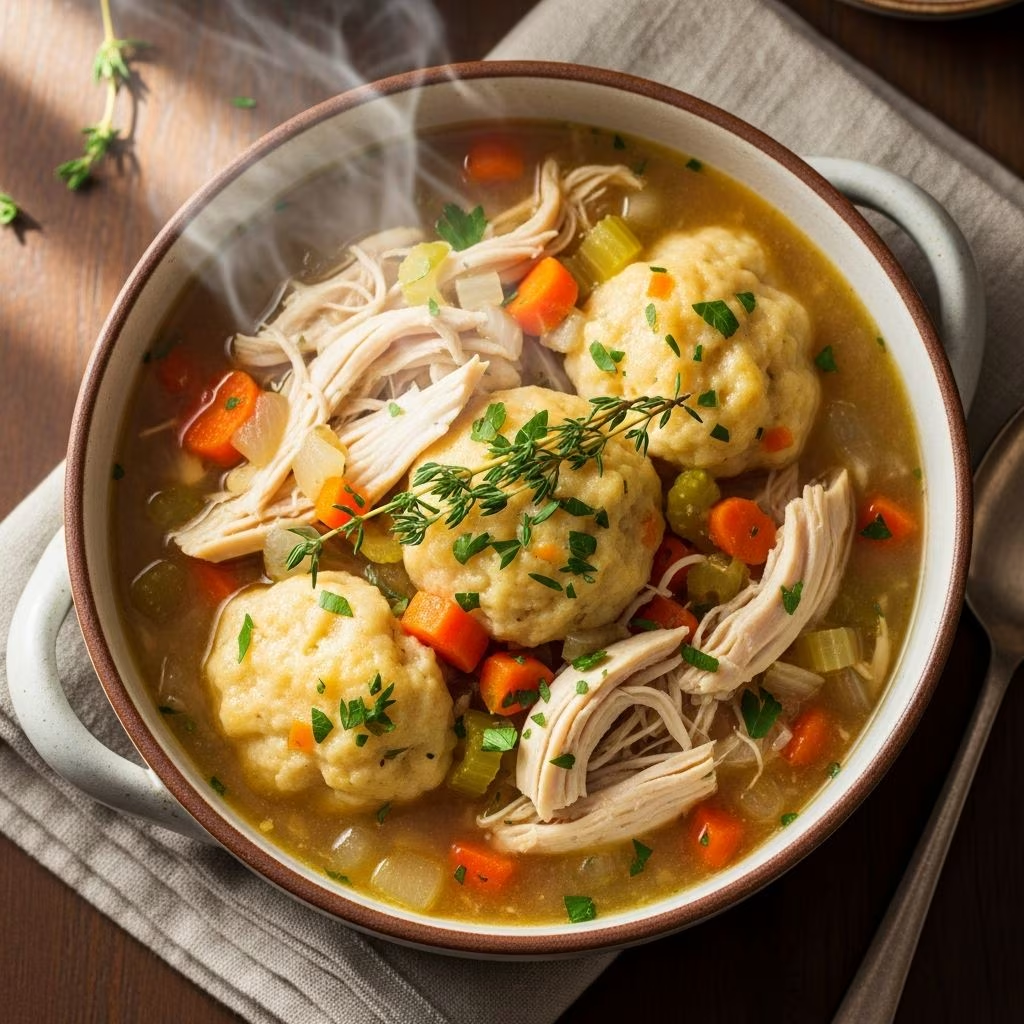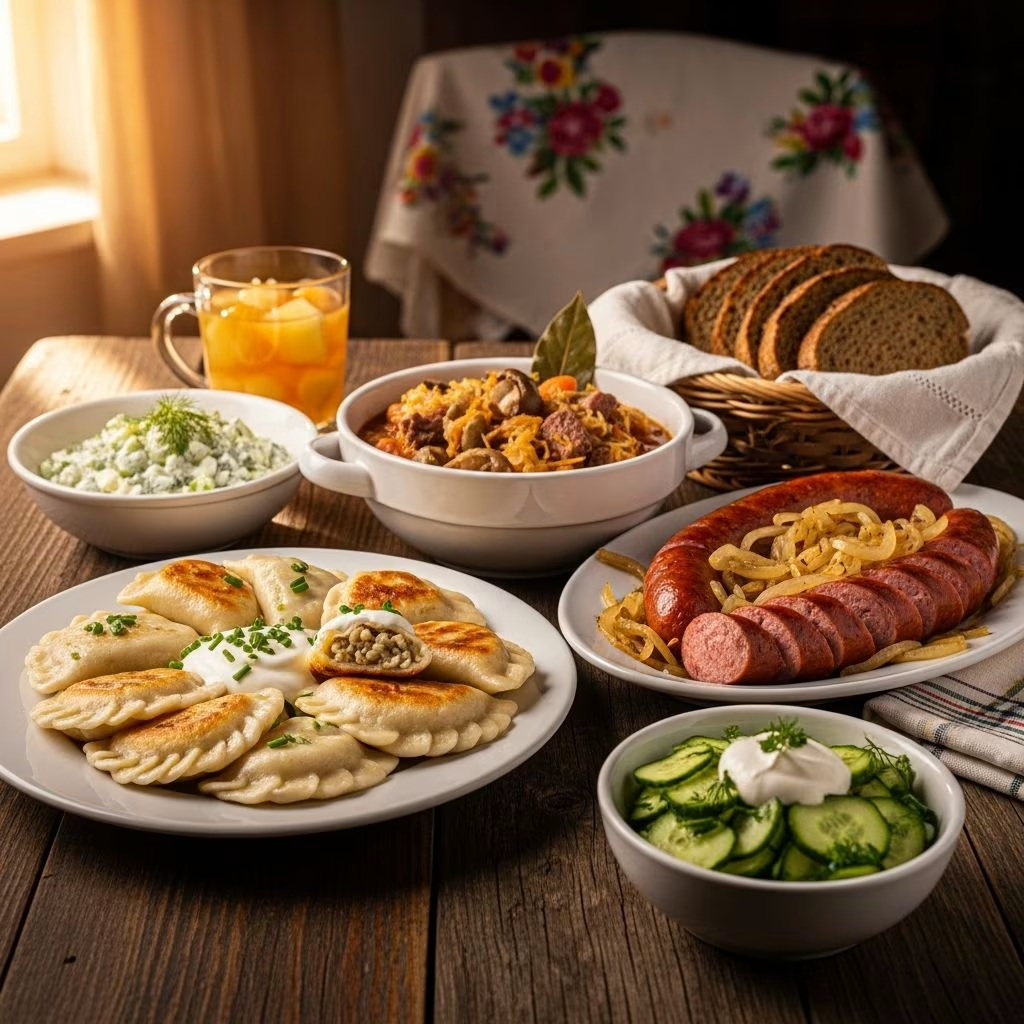
Polish cuisine embodies the warmth of family traditions, where simple ingredients transform into dishes that nourish body and soul. Rooted in Eastern Europe’s fertile lands and harsh winters, these recipes prioritize hearty fillings, fermented flavors, and slow-cooked comforts. Grandmothers, or babcia, have preserved these culinary treasures, passing them down with stories of resilience and celebration. This collection reimagines those classics for modern kitchens, blending authenticity with accessibility.
The Heart of Polish Home Cooking
At its core, Polish food reflects seasonal abundance and resourcefulness. Root vegetables like potatoes and beets, fermented cabbage, and wild mushrooms form the backbone, often paired with pork, beef, or smoked meats. Soups provide daily sustenance, while dumplings and stuffed leaves shine at holidays. Baking brings sweets like poppy seed rolls and cheese pastries, evoking festive gatherings.
Key principles include fermentation for tangy depth—think sauerkraut or beet kvass—and layering flavors through slow simmering. These methods not only preserve food but enhance taste, a necessity in pre-refrigeration eras. Today, they offer probiotics and bold profiles that elevate everyday meals.
Iconic Soups to Warm the Soul
Soups are the cornerstone of Polish meals, served daily and elevated for special occasions. They balance acidity, earthiness, and richness, often starting with bone broths.
Żurek: Rye Ferment Sour Soup
This rye-flavored broth gets its signature tang from zakwas, a fermented rye starter made by steeping flour in water for days. Add smoked sausage, potatoes, and a boiled egg for creaminess. Simmer gently to meld flavors.
- Ingredients (serves 6): 1 cup rye flour, 4 cups water (for zakwas), 8 cups chicken broth, 1 lb kielbasa, 3 potatoes, 3 eggs, 1/2 cup sour cream, marjoram, garlic.
- Steps: Ferment zakwas 3-5 days. Boil broth with sliced kielbasa and potatoes. Stir in zakwas, simmer 20 minutes. Temper sour cream, add with seasonings. Serve with egg halves.
Pro tip: Prepare zakwas weekly; it keeps refrigerated. Pairs with rye bread for dipping.
Barszcz Czerwony: Beetroot Bliss
A vibrant red soup, clear or with dumplings. Roast beets for sweetness, simmer with vinegar for brightness. Serve with uszka (mushroom dumplings) on Christmas Eve.
- Key twist: Add lemon juice for lift; garnish with dill.
Dumplings: Pierogi Perfection
Pierogi are Poland’s beloved half-moon pockets, stuffed with potato-cheese mash, meat, or fruit. Boiled then pan-fried for crisp edges, they’re labor-intensive but rewarding.
Classic Potato and Cheese Pierogi
Dough: Flour, egg, sour cream, water. Filling: Boiled potatoes mashed with farmer’s cheese, fried onions, salt.
| Step | Action | Time |
|---|---|---|
| 1 | Mix dough, rest 30 min | 40 min |
| 2 | Prepare filling, chill | 20 min |
| 3 | Roll, cut, fill, seal | 1 hour |
| 4 | Boil 3 min, fry golden | 20 min |
Freeze extras uncooked. Serve with sizzling onions and sour cream. Variations: Sweet plum or cabbage fillings.
Stuffed Wonders: Gołąbki and More
Gołąbki, or cabbage rolls, wrap spiced meat and rice in fermented leaves, baked in tomato sauce. A Sunday staple symbolizing abundance.
- Filling: Ground pork/beef, cooked rice, onions, egg, paprika.
- Sauce: Tomato puree, broth, bay leaves.
- Method: Blanch cabbage, roll tightly, layer in pot, simmer 2 hours.
Vegetarian option: Mushrooms and barley. Similar to Hungarian stuffed peppers.
Pyzy: Potato Dumplings with Fillings
Grated potato dough encasing meat or cheese, boiled till fluffy. Dense yet pillowy, topped with bacon bits.
Stews and Hashes for Cozy Days
Bigos, the hunter’s stew, layers sauerkraut, fresh cabbage, kielbasa, prunes, and wine. Slow-cooked for days, flavors intensify.
- Proportions: 2:1 sauerkraut to meats/veggies.
- Cook: Sauté meats, add cabbages, simmer 3+ hours, cool overnight.
Perfect for freezing. Serve with rye or potatoes.
Kwaśnica: Sauerkraut and Rib Stew
Simpler bigos cousin: Spare ribs, sauerkraut, potatoes. Smoky and sour.
Baked Comforts: Nalesniki and Babka
Nalesniki are thin crepes filled with cheese or meat, baked in custard. Babka, a yeasted bread, packs raisins or chocolate.
Sweet Cheese Nalesniki
Crepes: Milk, flour, eggs. Filling: Twaróg cheese, egg yolks, sugar, raisins. Roll, bake in egg-milk sauce.
Holiday Sweets and Breads
Makurki: Poppy seed milk pudding with nuts, for Christmas. Pączki: Jelly doughnuts, fried golden. Makowiec: Poppy roll, intricate layers.
- Pączki tips: Enrich dough with eggs, proof well, fry at 360°F.
Salads and Sides: Fresh Contrasts
Mizeria: Cucumber yogurt salad with dill. Sałatka Jarzynowa: Diced veggie mayo salad for Easter.
Modern Twists on Traditions
Air-fry pierogi for crisp without oil. Vegan bigos with tempeh. Instant Pot speeds gołąbki blanching.
Essential Ingredients and Shopping Guide
| Ingredient | Use | Where to Find |
|---|---|---|
| Kiełbasa | Soups, stews | Polish delis, markets |
| Twaróg | Pierogi, nalesniki | Cheese shops |
| Sauerkraut | Bigos, sides | Grocery fermented section |
| Poppy seeds | Makurki, makowiec | Ethnic stores |
Frequently Asked Questions
What makes Polish food unique?
Its reliance on fermentation, root veggies, and bold sour-savory balances sets it apart.
Can I make pierogi dough gluten-free?
Yes, use a 1:1 gluten-free flour blend with xanthan gum; add extra sour cream for elasticity.
How long does bigos last?
Up to a week refrigerated; flavors peak after 3 days.
Best pierogi fillings for beginners?
Potato-cheese: Foolproof and crowd-pleasing.
Vegetarian Polish recipes?
Lentil pierogi, mushroom uszka, beet barszcz.
Preserving the Legacy
These recipes aren’t just food—they’re threads of heritage. Involve family in prep to create new memories. Experiment, but honor basics: patience, quality ingredients, love. Your kitchen becomes a bridge to Poland’s past.
References
- Polish Cuisine: Traditional Recipes and Cultural Insights — Ministry of Culture and National Heritage of Poland. 2023-05-15. https://www.gov.pl/web/culture/polish-cuisine
- Flavors of Poland: Regional Dishes and Techniques — Institute of Polish Folklore. 2024-02-10. https://polishfolklore.pl/en/cuisine
- Traditional Fermented Foods in Eastern Europe — Journal of Ethnic Foods (peer-reviewed). 2022-08-20. https://doi.org/10.1186/s42779-022-00142-5
- Polish Christmas Eve Supper Traditions — UNESCO Intangible Cultural Heritage. 2021-12-01. https://ich.unesco.org/en/RL/polish-christmas-eve-supper-01570
- Nutritional Profile of Traditional Polish Dishes — National Food and Nutrition Institute. 2023-11-05. https://www.izpp.pl/en/research