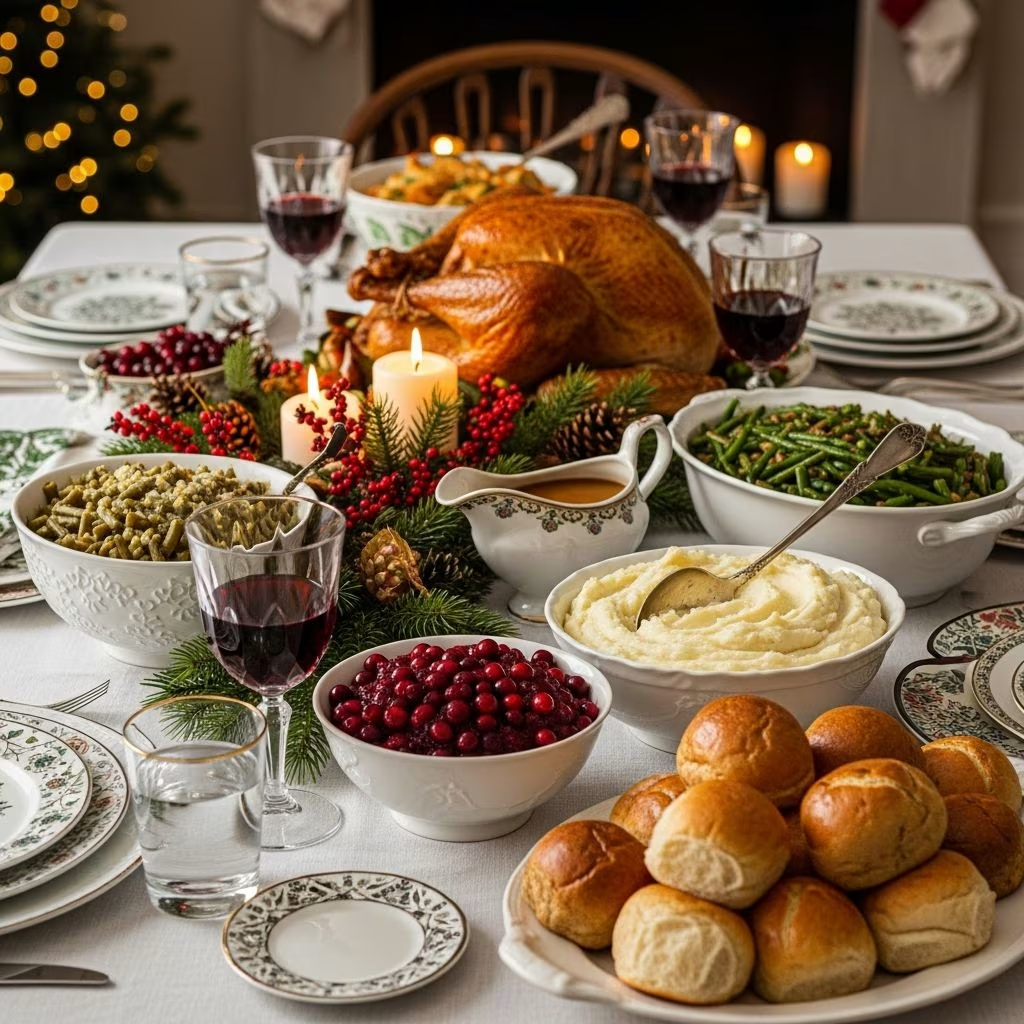
Every family has culinary traditions that span generations, recipes carefully preserved and refined over decades of holiday celebrations. These dishes represent more than just food; they embody memories, family connections, and the warmth of togetherness. Whether handwritten on faded index cards or passed down through verbal instruction, these time-honored creations continue to bring families together around the table, year after year.
The Foundation of Festive Feasting: Understanding Classic Preparation Methods
Traditional holiday cooking relies on fundamental techniques refined through generations of practice. The most successful family recipes typically employ simple, quality ingredients combined through methods that have proven their worth over time. Understanding these foundational approaches helps modern cooks recreate the authentic flavors their grandparents achieved, even when adapting recipes for contemporary kitchens.
The cornerstone of many beloved holiday dishes involves building flavor through careful layering of aromatics, herbs, and broths. This approach creates depth without requiring excessive ingredients or complicated procedures. Many grandmothers developed their cooking techniques before modern conveniences existed, meaning their methods often emphasize efficiency and resourcefulness without sacrificing quality or taste.
Savory Classics That Define the Holiday Table
Herbed Bread Dressing: The Heart of the Meal
Perhaps no dish embodies holiday tradition more completely than seasoned bread dressing. This versatile dish serves as both a complement to the main course and a substantial side that many guests consider equally important. The foundation begins with quality bread, ideally dried to the proper moisture content for absorbing flavorful broths without becoming mushy.
Authentic versions start by sautéing aromatic vegetables—primarily onions and celery—in butter until they become tender and release their natural sweetness. This foundational step, typically requiring 8 to 12 minutes over medium heat, creates an aromatic base that seasons the entire dish. The vegetables are then combined with dried bread cubes and classic seasoning blends that might include poultry seasoning, sage, thyme, and other complementary herbs.
The binding element in traditional dressing recipes typically involves whisked eggs and warm broth, creating a mixture that holds the bread cubes together while keeping them moist through the baking process. The result should achieve a perfect balance—substantial enough to maintain its shape when served, yet tender enough to melt slightly on the tongue.
Key Components of Successful Dressing
- Bread Selection: Heavier breads like French or sourdough varieties absorb liquid more effectively than lighter white breads, creating superior texture and flavor retention
- Aromatic Foundation: The sautéed mixture of onions and celery creates the flavor base that permeates every bite
- Herb Blend: Traditional combinations of dried herbs provide consistent seasoning throughout
- Moisture Balance: The ratio of broth to bread determines final texture, requiring careful attention during preparation
- Baking Temperature: Moderate oven heat allows the dish to cook through without over-browning the exterior
The Main Course: Roasted Poultry Perfection
The centerpiece of most holiday tables traditionally features roasted poultry, prepared with techniques developed over centuries of practice. Modern cooks benefit from understanding how traditional preparation methods created such consistently delicious results before the advent of modern cooking thermometers and timers.
Classic roasted poultry preparation emphasizes aromatics placed both inside and around the bird, creating flavorful steam that seasons the meat from within while external herbs and butter create a golden, flavorful exterior. Garlic, fresh herbs like thyme and rosemary, and citrus elements combine to create a complex flavor profile that appeals to multiple generations of palates.
The fundamental approach involves starting the bird at a higher temperature to begin browning the skin, then reducing heat for gentle, even cooking through the remainder of the process. This method, perfected by countless home cooks over decades, produces meat that remains juicy while developing the crispy, golden exterior that makes the dish visually appealing and texturally interesting.
Sweet Finales: Traditional Desserts and Confections
Holiday meals gain their final flourish through carefully crafted desserts, many featuring seasonal fruits and spice combinations that have become synonymous with festive gatherings. Traditional approaches often involve straightforward ingredient lists and time-tested baking methods that consistently deliver satisfying results.
Pecan-based desserts hold particular significance in many family traditions, combining buttery pastry with sweet, nutty fillings that satisfy without overwhelming the palate after a substantial meal. The preparation of these dishes often involves techniques passed down with minimal written instruction, relying instead on cooks developing intuition about proper texture and consistency through repeated preparation.
Spiced fruit preparations, whether featuring apples, cranberries, or other seasonal produce, provide both visual appeal and flavor complexity. These dishes often employ cooking methods that concentrate natural sugars while infusing fruit with warming spices like cinnamon and nutmeg, creating flavors that have become intrinsically linked with holiday celebrations.
Vegetable Sides: Honoring Garden Vegetables with Classic Preparations
Creamed and Casserole Preparations
Many traditional vegetable dishes employ cream-based sauces and baked casserole formats that transform simple ingredients into substantial, satisfying components of the meal. These preparations often involve combining cooked vegetables with rich, flavorful bases, then baking until heated through and lightly browned on top.
Green bean preparations exemplify how traditional cooking techniques elevate humble ingredients. Whether combined with cream of mushroom sauce or prepared with simple butter and aromatics, green beans prepared according to family recipes often become unexpected highlights of the meal. The cooking method significantly impacts final results, with many traditional recipes calling for longer cooking times than modern quick-cooking methods suggest, creating softer textures that some families prefer.
Root Vegetable Transformations
Sweet potatoes and yams receive special treatment in many family traditions, often transformed through the addition of warming spices, citrus elements, or even maple and brown sugar preparations. These dishes demonstrate how traditional cooks developed methods to make naturally sweet vegetables even more appealing as a complement to savory mains.
The preparation method significantly affects both flavor development and texture. Candying techniques, for instance, involve cooking sweet potatoes with butter and brown sugar until they develop a caramelized exterior while remaining tender throughout. This transformation creates a dish that blurs the line between vegetable side and dessert, appealing to those who enjoy sweeter components of the meal.
Breads and Rolls: The Comfort Factor
Quality bread forms an essential part of any substantial holiday meal, serving both practical purposes—soaking up flavorful gravies and sauces—and providing textural variety against richer dishes. Traditional rolls and breads often employ yeast-based preparations that require advance planning but reward patience with superior flavor and texture.
Many families maintain specific bread recipes that appear year after year, developed to pair perfectly with their traditional main courses and gravies. Butter-based doughs, enriched with eggs and sometimes featuring subtle sweetness, create rolls that toast beautifully and add richness to the meal without overwhelming other flavors.
Appetizers and Small Bites: Beginning the Celebration
Holiday meals often begin with smaller dishes designed to welcome guests and build anticipation for the substantial courses to follow. Traditional appetizers frequently employ simple ingredients combined through refined techniques, creating elegant presentations from straightforward components.
Baked cheese preparations, vegetable-based starters, and other substantial appetizers serve the practical purpose of satisfying initial hunger while allowing guests time to gather and socialize. These courses set the tone for the meal and demonstrate the care and attention given to every aspect of the celebration.
Beverages: Festive Drinks That Complete the Experience
Beverages hold their own place in holiday tradition, with many families featuring specific drinks that have become synonymous with their celebrations. These might range from traditional warm beverages featuring spices and citrus to festive alcoholic punch preparations.
The preparation of holiday beverages often involves as much tradition and care as the food components of the meal. Specific brewing methods, garnishing techniques, and serving temperatures all contribute to creating drinks that complement the meal while providing their own comfort and flavor satisfaction.
Budget-Conscious Approaches to Holiday Cooking
Traditional home cooking often developed partly from necessity, with families creating remarkable dishes from available, affordable ingredients. Modern cooks benefit from understanding how to prepare traditional holiday meals without requiring expensive specialty items or premium ingredients.
Strategic ingredient selection—choosing substantial proteins like chicken alongside or instead of only premium poultry, utilizing seasonal produce at peak freshness and affordability, and preparing components from scratch rather than purchasing pre-made items—allows contemporary families to recreate traditional meals within realistic budgets.
Frequently Asked Questions About Traditional Holiday Cooking
How far in advance can traditional dishes be prepared?
Many components of traditional holiday meals can be prepared days ahead, with dressings and other casserole-based dishes actually improving with a day or two of resting time. Breads and desserts typically keep well for several days when stored properly. The primary course—roasted poultry—is generally best prepared the day it will be served, though preparation steps like stuffing and seasoning can be completed earlier.
What substitutions work for traditional recipes?
While maintaining the essential character of family recipes remains important, practical substitutions often work well. Alternative broths or stocks can replace specific types when necessary, herb ratios can be adjusted to personal preference, and dietary modifications can be incorporated without completely altering the dish. The key involves understanding which elements define the dish’s essential character and which offer flexibility.
How can modern cooks recreate dishes from vague family instructions?
When family recipes exist only in memory or vague descriptions, successful recreation often involves researching traditional preparations from the relevant time period and region, then adjusting based on family preferences and available resources. Consulting multiple traditional sources helps identify common approaches, which can then be personalized based on specific family traditions.
What equipment helps with traditional holiday cooking?
While traditional recipes developed without modern appliances, contemporary tools can assist without compromising authenticity. Large pots and baking dishes, reliable thermometers, quality knives, and mixing bowls represent practical investments that facilitate preparation of traditional dishes more efficiently than older methods required.
Preserving Family Culinary Heritage
Traditional recipes represent more than cooking instructions; they embody family history, cultural background, and personal connections spanning generations. Actively preserving these recipes—through written documentation, video recording of preparation processes, and regular practice—ensures these traditions continue enriching family celebrations for years to come.
The act of preparing dishes passed down through family lines creates continuity with ancestors and relatives, honoring their contributions to family identity and tradition. Whether recipes have been preserved on stained index cards, passed through verbal instruction, or exist primarily in memory, their regular preparation keeps family connections alive and creates new memories while honoring established ones.
References
- Grandma’s Thanksgiving Stuffing Recipe — The Carefree Kitchen. Accessed April 2026. https://thecarefreekitchen.com/grandmas-thanksgiving-stuffing/
- Grandma’s Favorite Thanksgiving Recipes You’ll Make Every Year — All Things Mamma. Accessed April 2026. https://www.allthings-mamma.com/grandmas-favorite-thanksgiving-recipes-youll-make-every-year/
- Grandma’s Thanksgiving Turkey Stuffing — Tastes of Lizzy T. Accessed April 2026. https://www.tastesoflizzyt.com/grandmas-thanksgiving-turkey-stuffing/
- 20 Recipes for a Traditional Thanksgiving Dinner Like Grandma’s — The Food Charlatan. Accessed April 2026. https://thefoodcharlatan.com/20-recipes-for-a-traditional-thanksgiving-dinner/
- 9 Old Fashioned Thanksgiving Recipes From Grandma — Little Things. Accessed April 2026. https://littlethings.com/lifestyle/thanksgiving-recipes-from-grandma