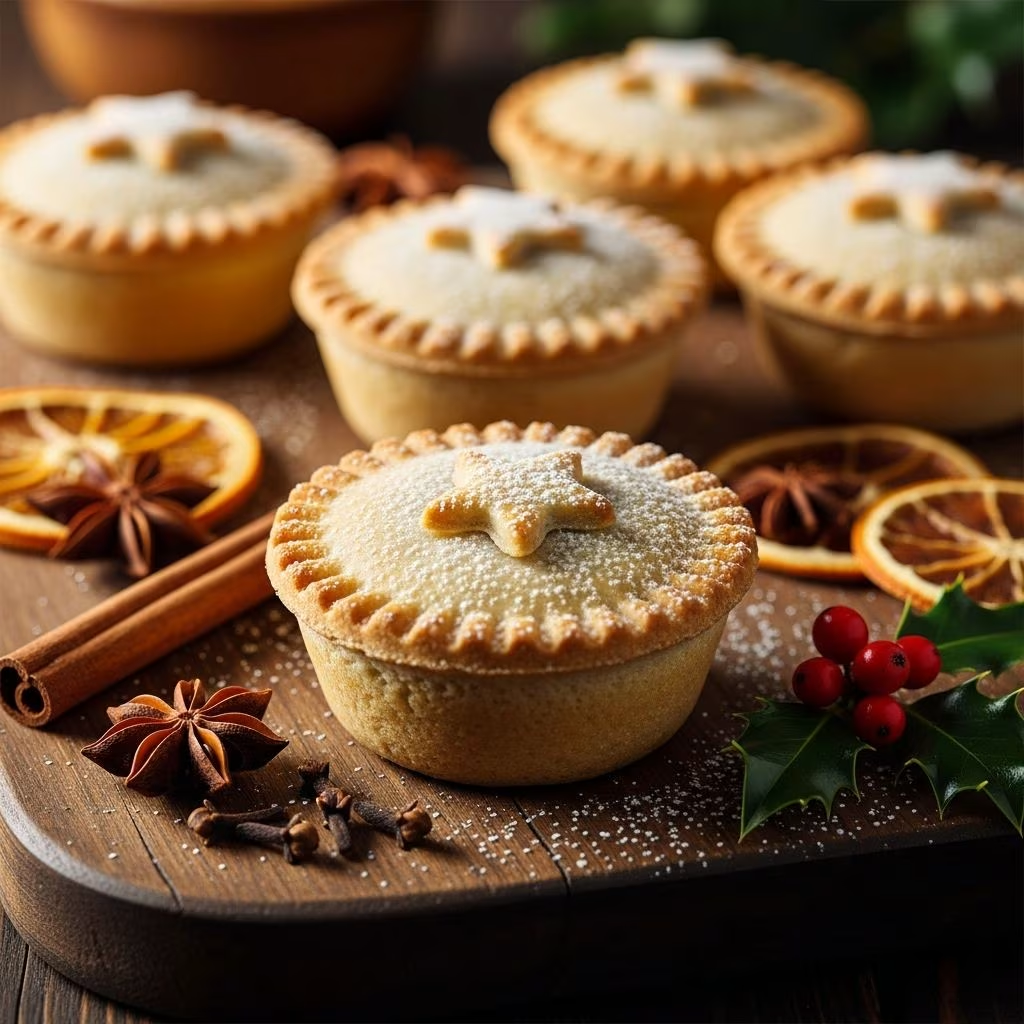
Mince pies stand as a cornerstone of British holiday traditions, evoking the warmth of Christmas gatherings and family kitchens. These delightful pastries feature a buttery, shortcrust shell encasing a rich, spiced fruit mince—a blend of dried fruits, spices, and sometimes a hint of suet or vegetarian alternatives. Far from mere desserts, they symbolize centuries of culinary evolution, transforming from savory meat-filled pies to the sweet confections we cherish today. Whether you’re a novice baker or a seasoned pro, this guide unlocks the secrets to crafting mince pies that impress with every bite.
The Fascinating Origins of Mince Pies
The story of mince pies begins in the Middle Ages, rooted in the idea of a ‘mincemeat’ pie that mirrored the Nativity scene. Early versions included shredded meat, typically beef or mutton, mixed with fruits, spices, and even boozy elements like brandy or sherry. These ingredients were practical preservatives in an era without refrigeration, allowing the pies to last through harsh winters. By the 17th century, political shifts—such as Oliver Cromwell’s Puritan ban on Christmas celebrations—temporarily suppressed mince pies, branding them as pagan indulgences. Yet, their popularity endured, evolving into the meatless, fruit-forward treats of modern times.
Today, mince pies are synonymous with Advent and Christmas markets across the UK. Regional variations abound: Scottish versions might incorporate oats for texture, while Cornish bakers favor star-topped designs. Understanding this heritage not only enriches your baking but connects you to a timeless tradition passed down through generations.
Key Ingredients for Authentic Mince Pies
Success in mince pie making hinges on quality ingredients. Start with the pastry: all-butter shortcrust delivers unmatched flakiness. For the filling, a medley of dried fruits forms the base—think raisins, sultanas, currants, chopped apricots, and candied peel. Spices like cinnamon, nutmeg, cloves, and allspice infuse warmth, while apple adds moisture and natural sweetness. Traditional recipes call for suet, but vegetarian or vegan options use coconut oil or vegetable suet.
Don’t overlook the booze: brandy, rum, or sherry deepens flavor and aids preservation. Sugar—dark muscovado for richness—balances tartness. Lemon and orange zest brighten the mix, preventing a cloying sweetness. Freshness matters; source fruits from reputable suppliers to avoid preservatives that dull taste.
| Ingredient | Role | Quantity (for 24 pies) |
|---|---|---|
| Dried mixed fruits | Body and chew | 400g |
| Vegetable suet | Texture and richness | 100g |
| Dark brown sugar | Sweetness | 150g |
| Brandy | Depth and moisture | 100ml |
| Mixed spices | Flavor | 2 tsp |
Preparing the Perfect Fruit Mince
Making your own mincemeat elevates mince pies beyond store-bought versions. Begin by chopping fruits finely—pulse in a food processor for uniformity without mushiness. Grate a cooking apple and squeeze out excess juice to concentrate flavors. Combine everything in a large bowl with suet, sugar, spices, zest, and juice. Stir in the alcohol thoroughly.
Transfer to sterilized jars and mature in a cool, dark place for at least a week—ideally a month. This resting period melds flavors, softening fruits and intensifying spices. For a boozy kick, top up jars periodically. Homemade mincemeat yields a fresher, more vibrant taste than commercial jars, which often rely on glucose syrup.
Mastering Shortcrust Pastry Techniques
Shortcrust pastry is the canvas for your mince pies. The key to tenderness lies in minimal handling: overworked dough toughens from gluten development. Chill ingredients—butter and flour—before rubbing together with fingertips until resembling breadcrumbs. Add ice-cold water sparingly, binding just until the mix holds.
Roll to 1/8-inch thickness on a floured surface. Cut bases with a 3-inch round cutter, line a greased tin, add mincemeat (avoid overfilling to prevent spills), and top with smaller circles or stars. Chill assembled pies for 30 minutes to relax gluten and prevent shrinkage. Bake at high heat initially for crispness.
- Tip 1: Use a food processor for even crumb, but pulse briefly.
- Tip 2: Incorporate a pinch of salt and icing sugar for savoriness and subtle sweetness.
- Tip 3: Blind bake bases briefly if a soggy bottom threatens.
Step-by-Step Recipe for Classic Mince Pies
Yield: 24 pies | Prep: 45 mins + maturing | Bake: 20-25 mins
- Make mincemeat: Mix 400g fruits, 100g suet, 150g sugar, 1 grated apple, zest/juice of 1 orange/lemon, 100ml brandy, 2 tsp spices. Jar and mature 1-4 weeks.
- Pastry: Sift 350g flour, pinch salt. Rub in 175g cold butter. Stir in 1 beaten egg and 2-3 tbsp cold water. Knead lightly, chill 30 mins.
- Assemble: Preheat oven 200°C/400°F. Roll pastry, cut 24 bases (3in), 24 tops (2.5in). Line tin, fill with 1 tsp mincemeat each, top. Brush with egg, sprinkle sugar.
- Bake: 15 mins, reduce to 180°C/350°F for 5-10 mins until golden. Cool in tin 5 mins, then on rack.
- Serve: Dust with icing sugar, warm with cream or brandy butter.
Customization shines here: Add nuts for crunch, chocolate chips for decadence, or cheese pastry for savory contrast.
Common Mistakes and How to Fix Them
Bakers often face soggy bottoms—combat with cornstarch-dusted bases or metal tins for conductivity. Leaking pies result from overfilling; use a scant teaspoon. Pale tops? Ensure egg wash and high initial heat. Tough pastry means overhandling; treat dough gently.
Fruit mince too dry? More booze or apple. Too wet? Extra suet. Store baked pies airtight for up to a week, or freeze unbaked for convenience. Reheat gently to revive crispness.
Creative Variations to Elevate Your Pies
Experiment beyond classics: Vegan mince pies swap suet for coconut oil and use plant-based butter. Gluten-free versions employ almond flour blends. Savory twists incorporate cheese or bacon. For luxury, infuse mincemeat with coffee or figs.
Shape innovations include lattice tops, frangipane lids, or giant slab pies for sharing. Pair with modern sides like mulled wine sorbet or spiced custard for dinner party flair.
Storing, Freezing, and Gifting Mince Pies
Fresh pies last 3-5 days at room temp, longer refrigerated. Freeze baked (up to 3 months) or unbaked (bake from frozen, adding time). For gifts, package in tins with ribbon, including baking instructions. Homemade jars of mincemeat make thoughtful, shelf-stable presents.
Healthier Twists on Tradition
Reduce sugar by half, using stevia or dates. Opt for wholemeal flour for fiber. Lower-fat pastry with yogurt instead of all butter. These tweaks maintain joy without excess calories—perfect for inclusive holiday baking.
Frequently Asked Questions (FAQs)
Can I make mince pies without alcohol?
Yes, substitute with apple juice, cranberry juice, or strong tea for moisture and flavor.
How long does homemade mincemeat last?
Sterilized jars keep up to 6 months unopened; refrigerate after opening for 1 month.
Why are my mince pies soggy?
Overfilled or insufficient baking heat. Chill before baking and use metal tins.
Are mince pies suitable for vegans?
With vegetable suet and vegan pastry, absolutely. Check labels for hidden animal products.
Can I freeze mince pies?
Yes, both baked and unbaked. Thaw and reheat baked ones at 160°C for 10 mins.
Pairing Suggestions for Mince Pies
Classic with brandy butter or clotted cream. Modern matches: port, espresso martini, or chai tea. For cheese lovers, Stilton or blue cheese contrasts sweetly.
References
- Shapiro, Mincemeat: A Historical Overview — Historic UK. 2023-12-15. https://www.historic-uk.com/HistoryUK/HistoryofEngland/Mincemeat-Pies/
- Food Standards Agency: Preserving Homemade Mincemeat — UK Government (gov.uk). 2024-10-01. https://www.food.gov.uk/safety-hygiene/preserving
- The Science of Shortcrust Pastry — BBC Good Food (BBC). 2025-11-20. https://www.bbcgoodfood.com/howto/guide/science-shortcrust-pastry
- Vegetarian Mincemeat Guidelines — Vegetarian Society. 2024-05-12. https://vegsoc.org/recipes/vegetarian-mincemeat/
- Christmas Food Traditions in Britain — British Library. 2023-12-01. https://www.bl.uk/romantics-and-victorians/articles/christmas-food-traditions
(Word count: 1678)