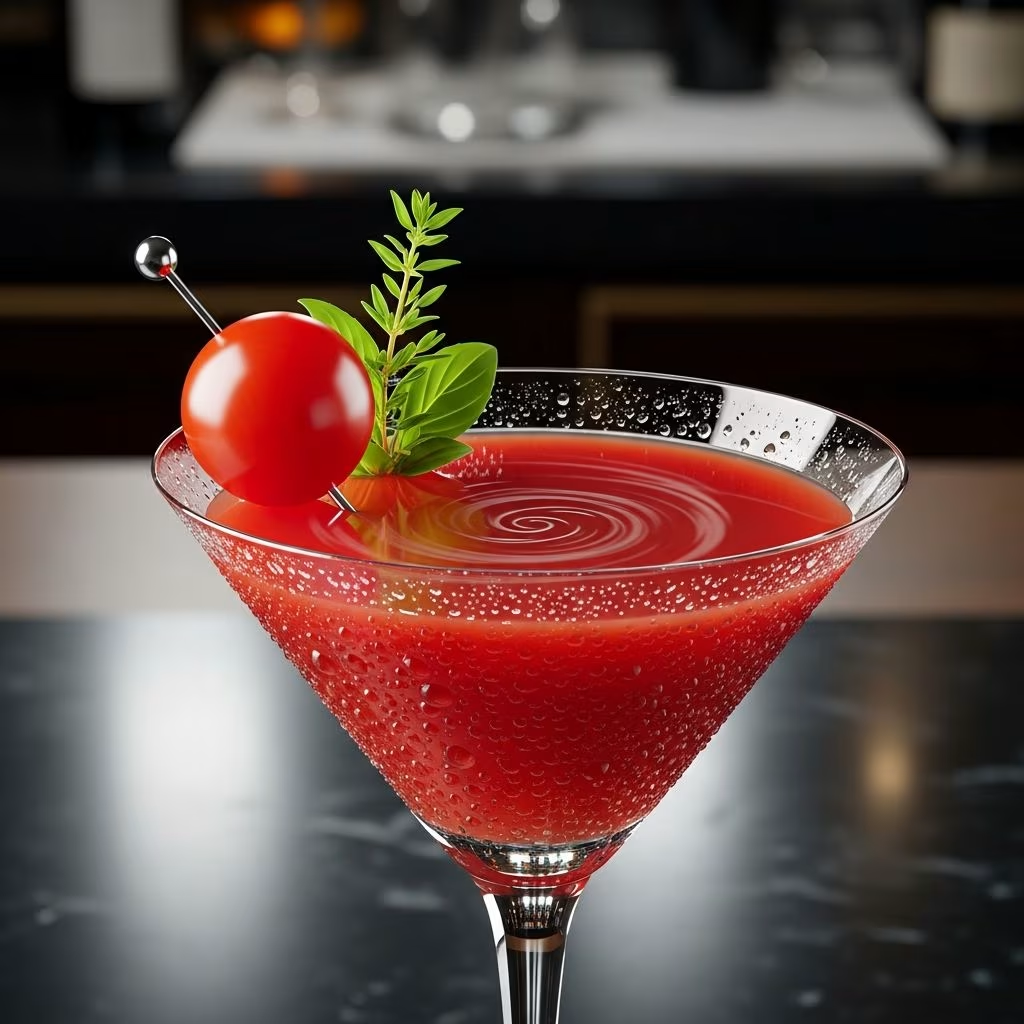
The tomato martini represents a modern evolution in cocktail craftsmanship, merging the refined elegance of classic martini preparation with the vibrant, umami-rich qualities of fresh tomatoes. Unlike traditional fruit-based cocktails, the tomato martini occupies a unique space in the beverage world, offering a savory alternative that appeals to those seeking complexity and depth in their drinks. This versatile cocktail has gained considerable traction among bartenders and home enthusiasts alike, who appreciate its ability to bridge the gap between aperitifs and full-flavored cocktail experiences.
Understanding the Foundation: What Makes a Tomato Martini Distinct
At its core, a tomato martini distinguishes itself through the strategic use of tomato-based components rather than traditional vermouth alone. The preparation methods vary significantly, allowing for personalization based on ingredient availability, flavor preferences, and desired intensity. Whether utilizing fresh tomato water, fermented tomato preparations, or clarified tomato extractions, each approach yields distinct flavor profiles and textural experiences.
The fundamental appeal of this cocktail lies in its savory character. Traditional martinis rely on botanical spirits and vermouth to create their distinctive taste, but tomato martinis introduce natural acidity, subtle sweetness, and complex umami notes that traditional recipes cannot achieve. This combination creates a more rounded, satisfying drinking experience that works particularly well as an aperitif or alongside seasonal cuisine.
Preparation Methods: Exploring Multiple Approaches
The Fresh Tomato Water Technique
Creating tomato water from scratch involves a methodical extraction process that captures the pure essence of tomatoes while removing seeds, skins, and fibrous material. Begin by selecting ripe, juicy tomatoes at peak ripeness—this selection process proves critical to achieving the desired flavor intensity and natural sweetness. Blend your tomatoes with complementary aromatics including shallots, garlic, fresh basil, and toasted spices such as fennel seeds and black peppercorns.
After blending, allow the mixture to macerate for at least twenty minutes, preferably overnight, to maximize juice extraction. Strain the blended mixture through cheesecloth layered in a fine-mesh strainer or chinois, permitting gravity to do the work rather than forcing liquid through the cloth. This patient approach yields clearer, more refined tomato water with superior flavor clarity. The resulting liquid can be frozen in pint-sized containers for extended storage and convenience.
The Clarification Method
A more refined approach involves creating a clarified tomato extract that produces an exceptionally clean, jewel-toned liquid. This technique requires mudding fresh cherry tomatoes and straining them through fine-mesh materials to extract concentrated juice. The clarification process then involves combining tomato juice with additional ingredients and utilizing milk proteins to create a fat wash effect.
Add the extracted tomato juice to a mixture of simple syrup, fresh lemon juice, white balsamic vinegar, salt, pepper, and vodka infused with parmesan rind. Slowly incorporate whole milk into this combination and refrigerate for one to two hours. Line a fine-mesh strainer with a damp coffee filter and carefully strain the entire mixture, allowing gravity to facilitate the separation. This method produces an exceptionally clear liquid with subtle savory notes and impressive visual presentation.
The Fermentation Approach
Advanced preparation methods incorporate fermentation, transforming raw tomatoes into complex, deeply flavorful tomato water through controlled microbial activity. This technique involves chopping ripe tomatoes and combining them with kosher salt at specific ratios, allowing the tomatoes to release their moisture over approximately one hour.
Transfer the salted tomatoes to a clean fermentation vessel, submerging them under brine using a weight system. Cover loosely with cheesecloth, permitting gas exchange while preventing contamination. Allow fermentation to proceed at room temperature for five to seven days until the mixture develops a slightly sour aroma. During fermentation, harmless Kahm yeast may form at the liquid-air interface—simply scrape away this layer as needed. Blend the fermented tomatoes until smooth and strain through cheesecloth-lined sieves. The resulting fermented tomato water develops concentrated, complex flavor notes distinct from fresh preparations.
Essential Ingredient Components
| Component | Standard Amount | Purpose |
|---|---|---|
| Spirits (Vodka/Gin) | 2-3 oz | Base alcohol and flavor foundation |
| Tomato Water/Juice | 1.5-3 oz | Primary flavor component and color |
| Dry Vermouth | 0.5-1 oz | Botanical complexity and aromaticity |
| Acidic Components | 0.5-1 oz | Balance and brightness |
| Bitters/Aromatics | Dashes to drops | Depth and nuanced flavors |
Spirit Selection and Infusion Options
The choice between vodka and gin significantly influences the final cocktail character. Vodka-based versions emphasize the tomato’s natural qualities, while gin introduces botanical complexity that can either complement or compete with tomato flavors. Consider infusing spirits with complementary ingredients such as parmesan rinds, tomato leaves and stems infused into oil, or vegetable-based aromatics to create more sophisticated flavor layering.
Parmesan-infused vodka contributes savory umami notes that enhance the tomato component without introducing conflicting flavors. Tomato leaf oil–washed spirits provide herbaceous undertones reminiscent of the plant’s entire organism rather than merely the fruit. These infusions require advance preparation but yield remarkable depth and complexity in the final cocktail.
Enhancing with Brines and Pickled Elements
Building upon the foundation of tomato water and spirits, many contemporary recipes incorporate various brine solutions. Olive brine, pickled hot pepper brine, and bread-and-butter pickle brine each contribute distinct flavor notes and textural complexity. These additions transform a simple tomato martini into a more substantial cocktail with multiple layers of savor and spice.
The interplay between umami-rich tomato components and acidic, briny elements creates a drinking experience reminiscent of elevated bloody marys while maintaining the refined structure of classic martini proportions. This balance requires careful attention to ingredient ratios and personal taste calibration.
Step-by-Step Preparation Guide
Building Your Cocktail
- Prepare a chilled coupe glass or traditional martini glass by chilling in the freezer or with ice water for at least five minutes
- Fill a mixing glass or cocktail shaker with fresh ice, maintaining adequate volume for proper cooling and dilution
- Add your selected spirit (vodka or gin infusion) to the ice, typically 2 to 3 ounces depending on strength preference
- Pour dry vermouth into the mixing vessel, usually 0.5 to 1 ounce based on desired botanical influence
- Add your tomato water or juice component, adjusting quantity between 1.5 and 3 ounces to control tomato intensity
- Include any additional brines, acids, or aromatic elements according to your chosen recipe variation
- Stir gently with a bar spoon or shake vigorously, depending on recipe specifications, for 10 to 15 seconds until the mixture reaches proper temperature
- Strain through a fine-mesh strainer into your prepared glass, ensuring all ice remains in the mixing vessel
- Garnish immediately with your chosen complement—marinated cherry tomatoes, cocktail onions, olives, lemon twist, or pickled peppers
Garnish Selection and Presentation
Garnish choices extend beyond mere decoration, contributing additional flavor dimensions to the finished cocktail. Fresh cherry tomatoes provide visual appeal while offering a burst of concentrated tomato flavor when consumed. Marinated variations introduce subtle acidic or spiced notes that enhance the overall drinking experience.
Classic martini garnishes such as olives and cocktail onions work particularly well in tomato martini preparations, particularly those incorporating savory infusions. Lemon twists provide bright citrus aromatics that complement tomato’s natural acidity. For those preferring spice, pepperoncini peppers offer a peppery kick that intensifies the cocktail’s savory profile.
Consider finishing touches such as herb-infused olive oil drizzles, fresh basil leaves, or edible flowers that reference the cocktail’s botanical components and elevate presentation without overwhelming delicate flavors.
Ingredient Quality and Sourcing Considerations
The tomato martini’s success hinges critically upon ingredient caliber, particularly tomato selection. Peak season, vine-ripened tomatoes provide superior flavor compared to off-season alternatives or greenhouse-cultivated varieties. Summer tomatoes deliver natural sweetness, acidity balance, and concentrated flavor that winter specimens simply cannot match.
When sourcing tomatoes specifically for these cocktails, prioritize farmers market selections from local growers who can speak to ripeness and flavor profile. Avoid using plum tomatoes, which contain higher seed and liquid ratios that create murky final products. Instead, select juicy, non-plum varieties such as heirloom types or standard beefsteak tomatoes.
Similarly, vermouth selection influences overall sophistication. Dry vermouth varieties contribute botanical complexity without excessive sweetness. Premium brands often provide superior flavor profiles compared to budget alternatives. Fresh vermouth, recently opened within several weeks, delivers optimal aromatic qualities compared to oxidized bottles stored for extended periods.
Frequently Asked Questions
Can I prepare tomato martinis in advance?
Tomato water and fermented tomato preparations can be made several days to weeks ahead and stored in refrigerated or frozen containers. However, combine spirits with tomato components only immediately before serving to prevent flavor degradation and maintain optimal freshness.
What’s the difference between tomato water and tomato juice?
Tomato water achieves clarity through straining without forcing liquid through cloth barriers, while juice may retain more pulp and sediment. This distinction affects both visual presentation and flavor intensity, with tomato water producing cleaner, more refined results.
How can I adjust cocktail intensity for personal preference?
Modify the tomato water-to-spirit ratio to control tomato prominence. Increase vermouth for additional botanical notes, adjust acidic components to enhance or diminish brightness, and experiment with brine additions to discover your optimal balance.
What spirits work best in tomato martinis?
Both vodka and gin perform excellently, each contributing distinct characteristics. Vodka emphasizes pure tomato flavors, while gin introduces botanical complexity. Consider infusing either spirit with complementary ingredients for personalized flavor profiles.
Are there non-alcoholic variations available?
Substitute spirits with non-alcoholic alternatives such as high-quality vinegars, fortified vegetable broths, or alcohol-free vermouth substitutes. These modifications require careful ratio adjustments to maintain proper balance and mouthfeel.
Serving Suggestions and Pairing Opportunities
Tomato martinis function exceptionally well as aperitifs preceding meals featuring Mediterranean, Italian, or contemporary American cuisine. The savory character and natural acidity complement fresh seafood, light pasta dishes, and vegetable-forward preparations without overwhelming delicate flavors.
Consider serving these cocktails at summer entertaining events, garden parties, or casual gatherings where sophistication meets relaxed conviviality. The cocktail’s visual appeal—ranging from pale golden to deep crimson depending on preparation method—provides compelling tableside presentation that engages guests before tasting.
When hosting themed events celebrating local produce or seasonal ingredients, tomato martinis become central components of cohesive menu concepts. Their versatility permits adaptation to specific culinary themes while maintaining fundamental cocktail structure and appeal.
Storage and Longevity Considerations
Prepared tomato water maintains refrigerated viability for approximately one week when stored in sealed containers. Fermented preparations extend storage duration to six months or longer due to preserved microbial activity and salt content. Frozen tomato water maintains quality for several months, proving convenient for year-round preparation despite limited tomato availability.
Infused spirits maintain consistency indefinitely when stored in appropriate conditions away from direct sunlight and temperature fluctuations. However, ensure complete oil separation in oil-washed vodkas before long-term storage to prevent rancidity development.
Mixed cocktails should be consumed immediately after preparation. Never prepare tomato martinis in advance of service, as oxidation and flavor degradation occur rapidly once spirits combine with tomato components.
References
- Slow Drinks: Alcohol-Free and Low-Alcohol Cocktails — Danny Childs (James Beard Award-winning author). Craft spirits publication. https://www.slowdrinks.com/
- Fermented Foods and Beverages: Health Benefits and Preservation Techniques — Food & Wine Magazine & Institute of Culinary Education. Contemporary culinary resource. https://www.foodandwine.com/
- Cocktail Technique and Spirit Infusion Methods — Craft Cocktails International Standards. Professional bartending standards organization. https://www.ibt.org.uk/
- Tomato Cultivation and Seasonal Variability in Flavor Profiles — Agricultural Extension Services. United States Department of Agriculture publication. https://www.usda.gov/