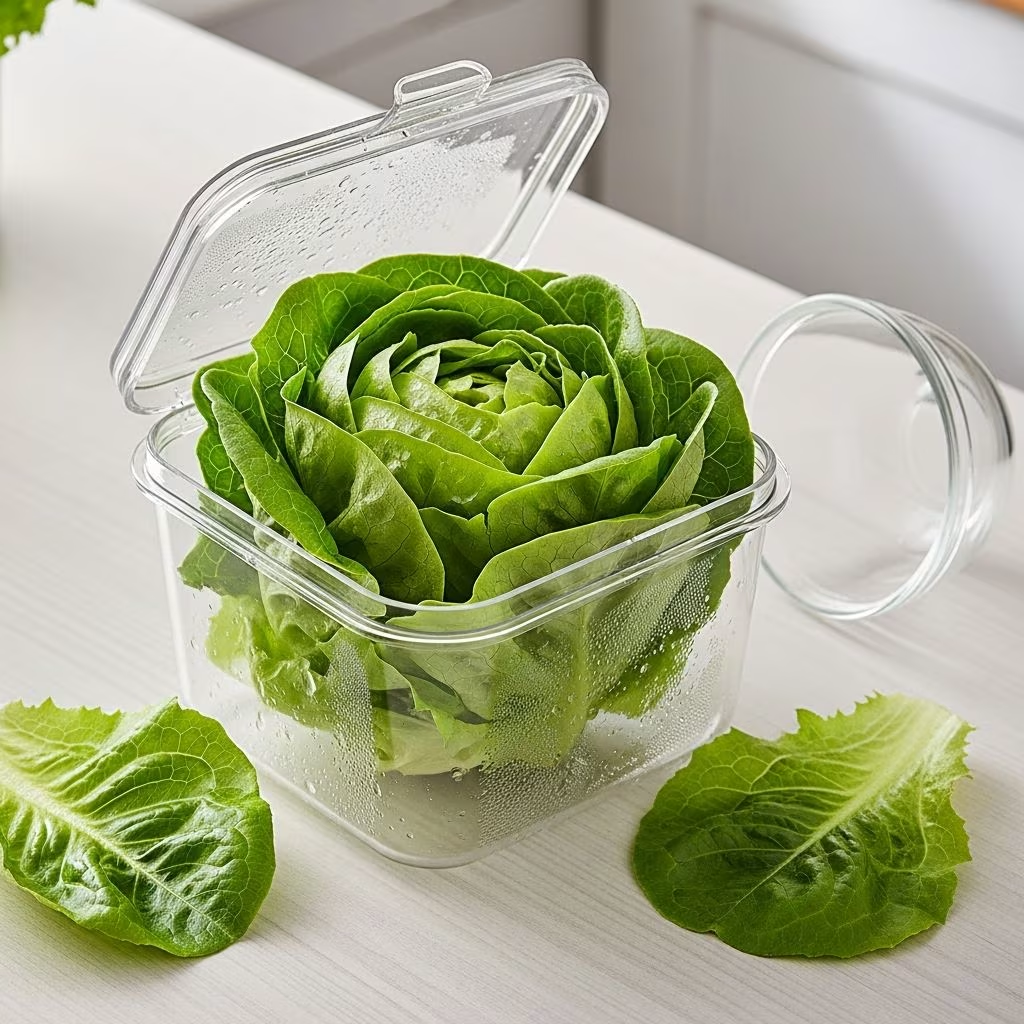
Lettuce is a kitchen staple, but its delicate leaves wilt quickly if not handled properly. Proper storage can extend its life from days to weeks, reducing waste and ensuring crisp salads whenever you need them. This guide explores effective strategies for different lettuce types, drawing from practical techniques that balance moisture control, airflow, and temperature.
Understanding Lettuce Spoilage
Lettuce begins deteriorating due to ethylene gas from nearby fruits, excess moisture leading to rot, and improper temperature causing wilting. Crisp varieties like romaine hold up better than soft butter lettuce, but all benefit from specific prep steps. Key factors include removing outer damaged leaves, thorough drying, and using breathable packaging to mimic ideal humidity levels around 95% without sogginess.
Preparing Lettuce for Long-Term Storage
Start with gentle handling to avoid bruising. For whole heads, peel off wilted exterior layers. Rinse under cool running water, separating leaves carefully. Use a colander to drain, then proceed to drying—essential to prevent bacterial growth and mushiness.
Drying Techniques That Work
- Salad Spinner Method: Spin in short bursts to remove water without tearing leaves. This tool efficiently eliminates surface moisture.
- Towel Blotting: Lay leaves on lint-free cotton cloths, pat gently, and roll loosely. Airflow aids evaporation.
- Air Drying: Spread on racks for 20-30 minutes in a cool area, ideal for small batches.
Avoid terry towels, as fibers trap moisture. Post-drying, leaves should feel dry to the touch but not brittle.
Storage Methods by Lettuce Type
Tailor your approach to whether you’re dealing with intact heads, loose leaves, or pre-chopped pieces. Each method prioritizes moisture absorption and ventilation.
Whole Heads: Simple Bag Technique
For unwashed romaine or iceberg, discard outer leaves, wrap in a dry paper towel, and place in a perforated plastic bag. The towel absorbs condensation, while holes allow gas exchange. Store in the crisper drawer set to high humidity. This keeps heads fresh for 2-3 weeks.
| Method | Duration | Pros | Cons |
|---|---|---|---|
| Plastic Bag + Paper Towel | 2-3 weeks | Easy, low-cost | Requires monitoring dampness |
| Loose in Crisper | 1-2 weeks | Max airflow | Risk of drying out |
Loose Leaves: Layering for Crispness
Wash and dry leaves thoroughly. Line a shallow container with paper towels, add a single layer of leaves (avoid stacking), top with another towel, and repeat. Cover loosely with a lid or plastic wrap punctured for air. Position leaves spine-up to let moisture drain away, preventing pooling. This setup maintains balance, lasting 10-14 days.
Chopped Lettuce: Airflow Priority
After chopping, pat dry and layer in a container with towels top and bottom. Leave the lid ajar or use a vented one. Crisper placement is crucial, as it provides 90-95% humidity. Expect 7-10 days of usability, perfect for meal prep.
Pre-Made Salads: Jar Stratification
Layer dressings at the bottom of a wide-mouth jar, followed by hearty veggies, then proteins, and lettuce on top. Add a paper towel before sealing to catch condensation. Shake to mix only when eating. This separation prevents sogginess, keeping salads fresh for 4-5 days.
Optimal Refrigerator Zones
The crisper drawer excels with its adjustable vents—set to ‘vegetables’ for higher humidity. Avoid doors or upper shelves where temperatures fluctuate. Ideal range: 32-40°F (0-4°C). For overflow, use the main body but wrap securely.
Advanced Tips for Extended Life
- Moisture Management: Swap towels every 3-4 days if damp. This prevents mold.
- Container Choices: Glass or BPA-free plastics outperform thin bags; reusables cut waste.
- Spine Orientation: Store with ribs up in containers to channel water away, mimicking an ‘umbrella’.
- Freezing Option: For purees or soups, wash, chop, freeze flat in bags. Thaw minimally for cooking only—not salads.
Reviving Wilted Lettuce
If leaves droop, soak in ice water for 15-30 minutes. The cold shock crisps cell walls. Dry, then re-store using fresh methods. Success rate: 70-80% for mildly wilted greens.
Common Mistakes to Avoid
Packing too tightly traps humidity, leading to rot. Sealing airtight suffocates leaves. Storing near apples or tomatoes accelerates decay via ethylene. Over-washing without drying invites bacteria.
Health and Waste Reduction Benefits
Fresh lettuce retains more vitamins A, C, and K. Proper storage slashes household food waste, which averages 20-30% for produce. Sustainable practices like towel-wrapping reduce plastic use.
Frequently Asked Questions
How long does lettuce last in the fridge?
Whole heads: 3-4 weeks; loose leaves: 1-2 weeks; chopped: 5-7 days with optimal methods.
Can I store lettuce at room temperature?
No—above 50°F (10°C), it wilts rapidly due to respiration.
What’s the best container for lettuce?
Vented glass or produce bags with absorbers outperform zip-tops.
Does washing lettuce before storage help?
Yes, if dried completely; otherwise, it hastens spoilage.
How to store organic lettuce?
Same methods, but inspect closely for pests and dry extra thoroughly.
References
- How To Store Cut Lettuce For Lasting Freshness — Be Green Pro Blog. 2023-05-15. https://www.begreen.pro/blog/how-to-store-cut-lettuce-for-lasting-freshness
- Guide to How to Keep Garden Lettuce Fresh for Days — BloominThyme. 2022-08-10. https://bloominthyme.com/how-to-keep-garden-lettuce-fresh-for-days/
- Stop Wasting Lettuce! How to Keep It Fresh, Crisp, and Green for… — YouTube (Video Transcript). 2023-11-20. https://www.youtube.com/watch?v=UeDZJvpu-g8
- The BEST Way to Store Lettuce & Keep it Fresh For Weeks — YouTube (Video Transcript). 2024-02-14. https://www.youtube.com/watch?v=nlT61cFgjhI