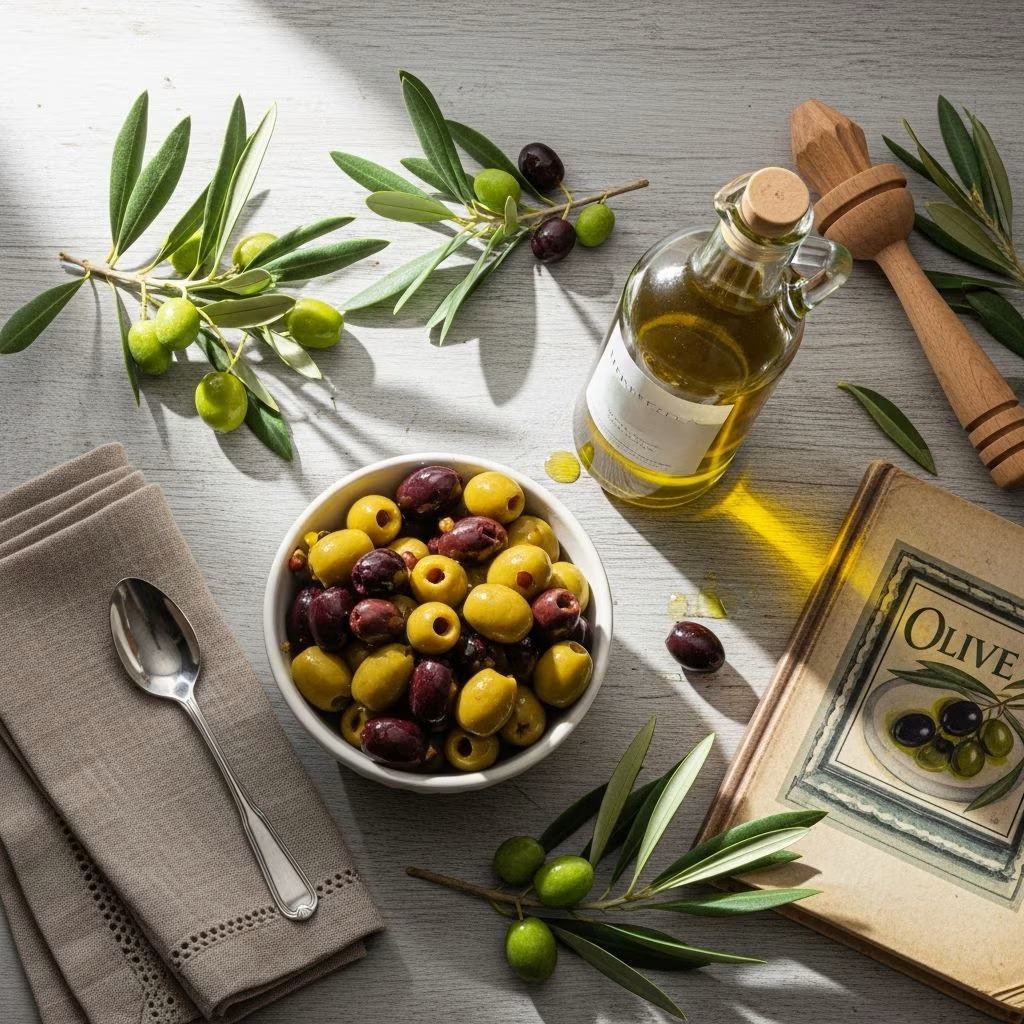
Olives stand as a cornerstone of Mediterranean cuisine, prized for their rich flavors and nutritional benefits. These small fruits from the Olea europaea tree offer endless variety in taste, texture, and application, whether enjoyed whole, in oils, or as key ingredients in dishes worldwide.
The Journey of an Olive: From Tree to Table
Understanding olives begins with their lifecycle. Olive trees thrive in arid, sunny climates, producing fruit that matures over months. Harvest timing dictates color and flavor: early picks yield firm, vibrant green olives with tart notes, while later harvests produce softer, darker fruits with deeper, sweeter profiles.
Growing conditions shape quality profoundly. Optimal sites feature well-drained soils, moderate rainfall, and temperature swings between day and night, fostering balanced acidity and complexity. Altitude influences intensity; higher elevations often yield olives with brighter, fruitier tastes.
Key Factors Shaping Olive Flavor
- Ripeness Level: Green olives, harvested young (September-October), deliver crispness and grassiness. Ripe black or purple ones, picked later (January), offer tenderness and richness.
- Variety Selection: Each type brings unique traits. Butteriness defines some, while others shine with peppery or herbal notes.
- Environmental Influences: Soil minerals, sun exposure, and microclimates imprint distinct aromas, from nutty to vegetal.
Popular Olive Varieties and Their Profiles
Diversity defines olives, with hundreds of cultivars worldwide. Here’s a breakdown of standout types:
| Variety | Origin | Flavor Notes | Best Uses |
|---|---|---|---|
| Kalamata | Greece | Assertive, savory, almond-like | Salads, meze platters |
| Castelvetrano | Italy | Buttery, mild, sweet | Snacking, pasta |
| Arbequina | Spain | Mild, fruity, buttery | Oil production, tapas |
| Picholine | France | Grassy, nutty, crisp | Martinis, appetizers |
| Niçoise | France | Subtle bitterness, briny | Salade Niçoise |
| Koroneiki | Greece | Robust, peppery | Extra virgin olive oil |
These varieties highlight how genetics interplay with terroir. For instance, Koroneiki excels in oil yield, producing bold, spicy liquids ideal for dressings.
Harvesting Techniques for Superior Quality
Timing and method matter immensely. Hand-picking preserves fruit integrity, minimizing bruising and preserving delicate flavors, unlike mechanical shakers that suit larger operations but risk damage. Early-season greens suit lye curing for firmness; late-season riper fruits ferment naturally for depth.
Seasonality peaks in fall to winter, varying by region. Mediterranean harvests align with cooler months, ensuring optimal ripeness without over-maturity.
Curing and Processing Methods Explained
Raw olives contain oleuropein, a bitter compound neutralized through curing. Common techniques include:
- Brine Fermentation: Olives soak in saltwater for months, developing lactic acid for bold, tangy results. This natural process enhances umami without additives.
- Salt (Dry) Curing: Layered with sea salt, olives wrinkle and concentrate flavors, yielding intense, meaty bites often finished in oil for juiciness.
- Lye Curing: Quick alkali treatment debitters young greens like Castelvetrano, retaining color and crispness.
- Oil Packing: Post-cure immersion in olive oil protects against oxidation, outperforming brine for longevity and taste.
Processing choices tailor outcomes: fermentation for complexity, lye for mildness.
Storage and Preservation Best Practices
Freshness hinges on post-production care. Oil-packed olives resist spoilage better than brined ones, which can over-salt if exposed to air. Always keep submerged; refrigeration extends shelf life, slowing enzymatic breakdown.
For bulk storage, cool, dark conditions prevent rancidity. Marinated varieties gain from herb-infused oils, evolving flavors over time.
Culinary Applications and Pairing Ideas
Olives elevate countless dishes. Chopped into tapenades, they blend with capers and anchovies for spreads. Whole in salads, they add brininess; pitted in pastas, texture contrast.
- Snacking: Mild buttery types like Arbequina shine plain or with cheeses.
- Cooking: Robust Kalamatas hold up in stews or grilled meats.
- Beverages: Picholines garnish dirty martinis.
- Oils: Peppery varieties dress greens or finish pizzas.
Pair with wines: crisp whites cut richness; bold reds match intensity. Cheeses from creamy goat to sharp cheddar complement varietally.
Health Benefits of Olives
Beyond taste, olives pack monounsaturated fats, antioxidants like hydroxytyrosol, and vitamins E and K. They support heart health, reduce inflammation, and aid digestion when consumed moderately. Opt for minimally processed to maximize benefits.
How to Select and Taste Olives
Shop for firm, unblemished fruits without mushiness. Check brine clarity and aroma—fresh, fruity scents signal quality. Taste systematically: note appearance, sniff for defects (rancid or musty), chew for balance of bitter, sweet, salty, and umami.
Compare varieties side-by-side; warmer temperatures heighten flavors during tasting.
Frequently Asked Questions
What’s the difference between green and black olives?
Green are unripe, firmer, and grassier; black are riper, softer, and fruitier.
Are oil-packed olives better than brined?
Oil-packed maintain quality longer and taste superior, but both work if submerged.
How long do opened olives last?
Refrigerated and covered, 1-2 weeks in brine, longer in oil.
Can I use olive brine in recipes?
Yes, as a salty enhancer in dressings, bloody marys, or bread doughs.
Which olives are best for beginners?
Castelvetrano for mild butteriness.
Advanced Tips for Olive Enthusiasts
Experiment with homemade curing: brine greens with garlic and herbs. Blend custom oils from mixed varieties. Visit groves for harvest experiences to grasp terroir firsthand.
References
- What Makes an Olive Tasteful? — Tastefully Olive. 2023. https://tastefullyolive.com/blogs/articles/what-makes-an-olive-tasteful
- A Beginner’s Guide to Olives — Odysea. 2021-07. https://www.odysea.com/2021/07/a-beginners-guide-to-olives/
- All About the Best Olives — DeLallo. 2023. https://www.delallo.com/blog/all-about-the-best-olives/
- Guide to Olive Varieties — 8Wines. 2023. https://8wines.com/blog/guide-to-olive-varieties
- The Art of Tasting Olive Oil — The Ancient Olive. 2023. https://www.theancientolive.com/s/stories/the-art-of-tasting-olive-oil-a-guide-to-understanding-flavors-and-aromasstory-title
- Expert’s Guide to Olives — America’s Test Kitchen (YouTube). 2023. https://www.youtube.com/watch?v=LG72UW9La_I
- The Complete Guide to Greek Olives — Lakonia Imports. 2023. https://www.lakonia-imports.com/blogs/greek-blog/the-complete-guide-to-greek-olives-the-diversity-of-greek-olive-varieties