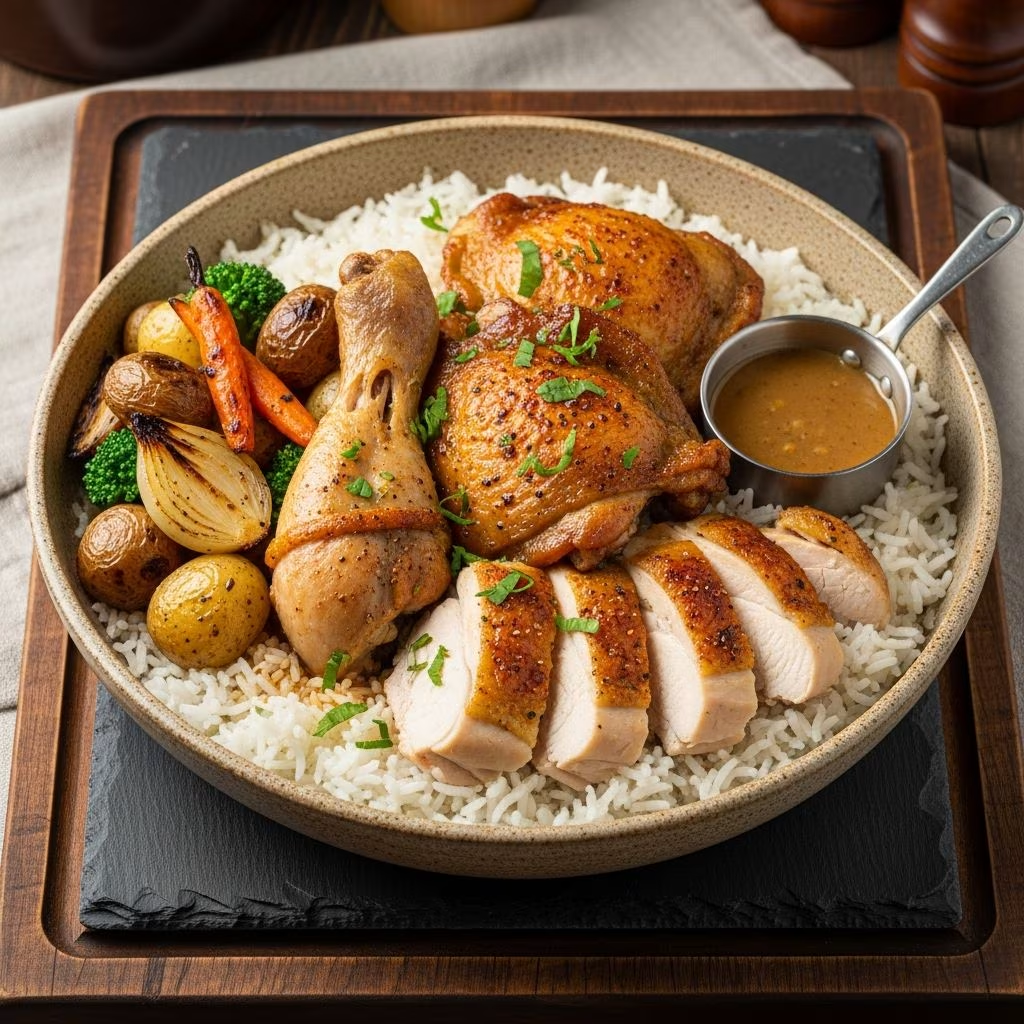
Chicken and rice stands as one of the most beloved comfort dishes across countless cultures and cuisines. This straightforward yet deeply satisfying meal combines protein-rich poultry with wholesome grains to create a nutritionally balanced dinner that appeals to families and individual diners alike. The beauty of this dish lies in its versatility and simplicity—it requires minimal preparation time while delivering impressive results that taste far more complex than the ingredient list suggests. Whether you’re a novice cook looking to build confidence in the kitchen or an experienced home chef seeking reliable techniques, mastering this classic preparation opens doors to countless variations and creative adaptations.
Understanding the Foundation: Why This Dish Endures
The enduring popularity of chicken and rice transcends geographic boundaries and cultural preferences because it represents the perfect balance between practicality and flavor. This combination works as the base for numerous international dishes, from Spanish paella to Asian congee to Latin American arroz con pollo. The dish’s flexibility means you can prepare it on a busy weeknight using pantry staples or elevate it for special occasions with premium ingredients and thoughtful garnishes. Beyond its culinary appeal, chicken and rice offers nutritional advantages: chicken provides lean protein essential for muscle maintenance and repair, while rice contributes carbohydrates for sustained energy and B vitamins for metabolic function.
Selecting Quality Ingredients for Superior Results
The foundation of any excellent chicken and rice dish begins with thoughtful ingredient selection. Your choices at this stage will directly influence the final outcome, making it worth investing time in sourcing the best available options within your budget.
Choosing the Right Chicken
Chicken thighs have emerged as the preferred choice for this dish among experienced cooks. Unlike chicken breasts, thighs contain more connective tissue and fat, which keeps the meat moist and tender throughout the cooking process. This characteristic prevents the dryness that often plagues breast meat when cooked in one-pot dishes. Thighs develop rich, deeper flavors during browning and impart more savory notes to the cooking liquid. For those preferring leaner meat or seeking to reduce fat content, boneless, skinless chicken breasts work acceptably when prepared carefully and monitored closely to avoid overcooking. Alternatively, you can incorporate pre-cooked rotisserie chicken by adding shredded meat during the final cooking stages to warm through, reducing overall preparation time.
Rice Varieties and Their Characteristics
The type of rice you select dramatically affects texture and mouthfeel. Long-grain white varieties like basmati rice remain separate and fluffy after cooking, providing an ideal texture for most chicken and rice preparations. These grains have lower starch content compared to short-grain varieties, which means they won’t clump together or become sticky. Medium-grain rice produces a slightly creamier consistency and works well if you prefer a more cohesive dish. Avoid instant or minute rice varieties when possible, as these heavily processed options tend to become mushy and lack the structural integrity needed for properly cooked rice. The quality difference between budget rice and premium varieties becomes most apparent in this straightforward dish where rice dominates the plate—investing in higher-quality grain pays dividends in the final result.
Broth and Stock Considerations
Chicken broth functions as the primary flavor vehicle in this dish, making its quality absolutely essential. Homemade stock prepared from chicken bones, aromatics, and herbs delivers unmatched depth, but quality store-bought options provide acceptable results. Low-sodium varieties allow you to control salt content throughout cooking, preventing an overseasoned final dish. The quantity of broth to rice ratio requires precision: typically 1.5 to 1.75 parts broth per part uncooked rice ensures proper hydration without excess liquid that results in soupy rice.
Essential Preparation Techniques
Browning Chicken for Depth of Flavor
The initial step of searing chicken in a hot skillet or pot creates a flavorful crust through the Maillard reaction, a chemical process that develops complex, savory compounds. Heat your cooking vessel over medium-high temperature and add butter or oil with a high smoke point. Pat the chicken dry before placing it in the hot fat—moisture prevents proper browning. Allow the chicken to develop a golden-brown exterior on all sides before removing it temporarily. This step takes approximately 8-10 minutes and contributes substantially to the final dish’s flavor profile, making it worth the additional time investment.
Building Aromatics Foundation
After removing chicken, reduce heat and add minced garlic and onion to the same pot. The existing flavorful browned bits clinging to the bottom—called fond—will dissolve into the aromatic vegetables, creating an umami-rich base. Cook these aromatics for approximately 5 minutes until softened and fragrant. Resist the urge to skip this step; it establishes the flavor foundation for the entire dish. For deeper garlic flavor, mince the cloves finely and cook gently to avoid bitterness that develops with burnt garlic.
Toasting Rice Before Cooking
Some preparations benefit from briefly toasting the rice in butter before adding liquid. This optional technique costs minimal time but enhances the grain’s natural nutty flavor. Simply add rinsed rice to the buttered pot with aromatics and stir continuously for 1-2 minutes until the grains become translucent around the edges and develop a slightly toasted aroma. This method produces more pronounced rice flavor compared to skipping this step.
Step-by-Step Cooking Process
Liquid Incorporation and Heat Management
Once aromatics are fragrant, add your chicken broth along with seasoning components such as salt, pepper, and dried herbs like dill or oregano. Increase heat to bring the liquid to a rolling boil, stirring occasionally to prevent rice from sticking to the pot bottom. This boiling phase initiates the cooking process and distributes heat evenly throughout the pot. Return the browned chicken pieces to the pot, nestling them among the rice grains. The chicken will partially submerge in the liquid, allowing it to cook through while infusing its flavors into the rice.
The Simmer and Steam Cycle
Once the liquid returns to a boil after adding chicken, reduce heat to medium-low and cover the pot with a lid. Maintain a gentle simmer—the liquid should bubble slowly rather than vigorously boil. Too-high heat causes the bottom rice layer to scorch while the top remains undercooked. The typical cooking duration ranges from 15-20 minutes, though this varies based on rice type and pot thickness. Avoid lifting the lid frequently, as this releases steam needed for proper rice cooking. The rice reaches proper doneness when it has absorbed all visible liquid and each grain remains tender yet maintains its structural integrity.
Resting Period Importance
Remove the pot from heat and allow it to rest, covered, for 5 minutes. This crucial step permits residual heat to complete the cooking process gently while allowing excess moisture to redistribute throughout the rice. The resting period prevents mushiness and ensures even texture throughout the dish.
Flavor Enhancement and Customization Strategies
| Variation Type | Key Ingredients | Preparation Notes |
|---|---|---|
| Mediterranean Style | Lemon zest, fresh parsley, sun-dried tomatoes | Add fresh herbs after cooking; create gremolata topping |
| Creamy Version | Heavy cream or coconut milk, mushrooms | Stir cream in during final minutes; add sautéed mushrooms |
| Taco-Inspired | Lime juice, cilantro, taco seasoning, black beans | Use seasoning blend; finish with lime zest and fresh herbs |
| Protein Additions | Vegetables, legumes, nuts | Layer vegetables on rice before adding chicken |
Fresh Herb Finishing Touches
Transform basic chicken and rice into a vibrant dish through strategic use of fresh herbs. Parsley, cilantro, or basil added just before serving brighten the overall flavor profile and provide textural contrast. Create a simple gremolata by combining finely chopped parsley with minced garlic and lemon zest—this fresh condiment elevates the dish significantly. Apply herbs just before plating to preserve their delicate flavors and prevent wilting from residual heat.
Vegetable Integration Methods
Incorporate vegetables strategically based on their cooking times. Quick-cooking vegetables like peas can be stirred in during the final minutes of cooking. Harder vegetables like carrots should be diced small and added early so they soften alongside the rice. This approach ensures all components reach proper doneness simultaneously without requiring separate cooking steps.
Common Challenges and Solutions
Mushy Rice: This typically results from excess liquid or overcooking. Use the proper broth-to-rice ratio and resist the temptation to add extra liquid. High-quality rice cooks more evenly than budget varieties. Dry, Underseasoned Dish: Address this through proper broth selection and seasoning adjustments. Taste the finished dish before serving and adjust salt and pepper as needed. Uncooked Chicken Centers: This indicates insufficient cooking time or heat that’s too low. Ensure the pot maintains a gentle simmer and don’t reduce cooking time below the recommended minimum. Using a meat thermometer confirms doneness—chicken reaches safe temperature at 165°F.
Storage and Reheating Guidelines
Properly stored chicken and rice keeps refrigerated for 3-4 days in an airtight container. Reheat gently on the stovetop with a splash of broth or water to restore moisture, or use a microwave at 50% power, stirring halfway through. The dish also freezes successfully for up to three months when stored in freezer-safe containers. Allow frozen portions to thaw overnight in the refrigerator before reheating for best results.
Frequently Asked Questions
Can I use brown rice instead of white rice?
Yes, though brown rice requires longer cooking time—typically 35-40 minutes instead of 15-20 minutes. Adjust your broth quantity accordingly, as brown rice absorbs more liquid. The nutty flavor of brown rice complements this dish nicely for those seeking whole grain options.
How do I prevent the rice from sticking to the pot?
Stir occasionally during the boiling phase before reducing heat. Use sufficient broth—too little liquid leaves rice exposed to direct heat contact. A heavy-bottomed pot distributes heat more evenly than thin pots, reducing scorching risk.
Can I prepare this dish in advance?
Prepare all ingredients up to several hours ahead, keeping chicken and rice separately until ready to combine and cook. Avoid cooking the complete dish in advance, as rice texture deteriorates during storage more noticeably than other components.
What’s the best way to add vegetables?
Dice vegetables uniformly for consistent cooking. Softer vegetables go in during the final cooking stages, while harder varieties should be added with the initial rice and broth. This staggered approach ensures everything reaches proper doneness simultaneously.
References
- United States Department of Agriculture FoodData Central — USDA. 2024. https://fdc.nal.usda.gov/
- Safe Cooking Temperatures — Centers for Disease Control and Prevention. 2023. https://www.cdc.gov/foodsafety/communication/index.html
- Maillard Reaction in Food Science — McGee, Harold. On Food and Cooking: The Science and Lore of the Kitchen. Revised Edition. Scribner, 2004.