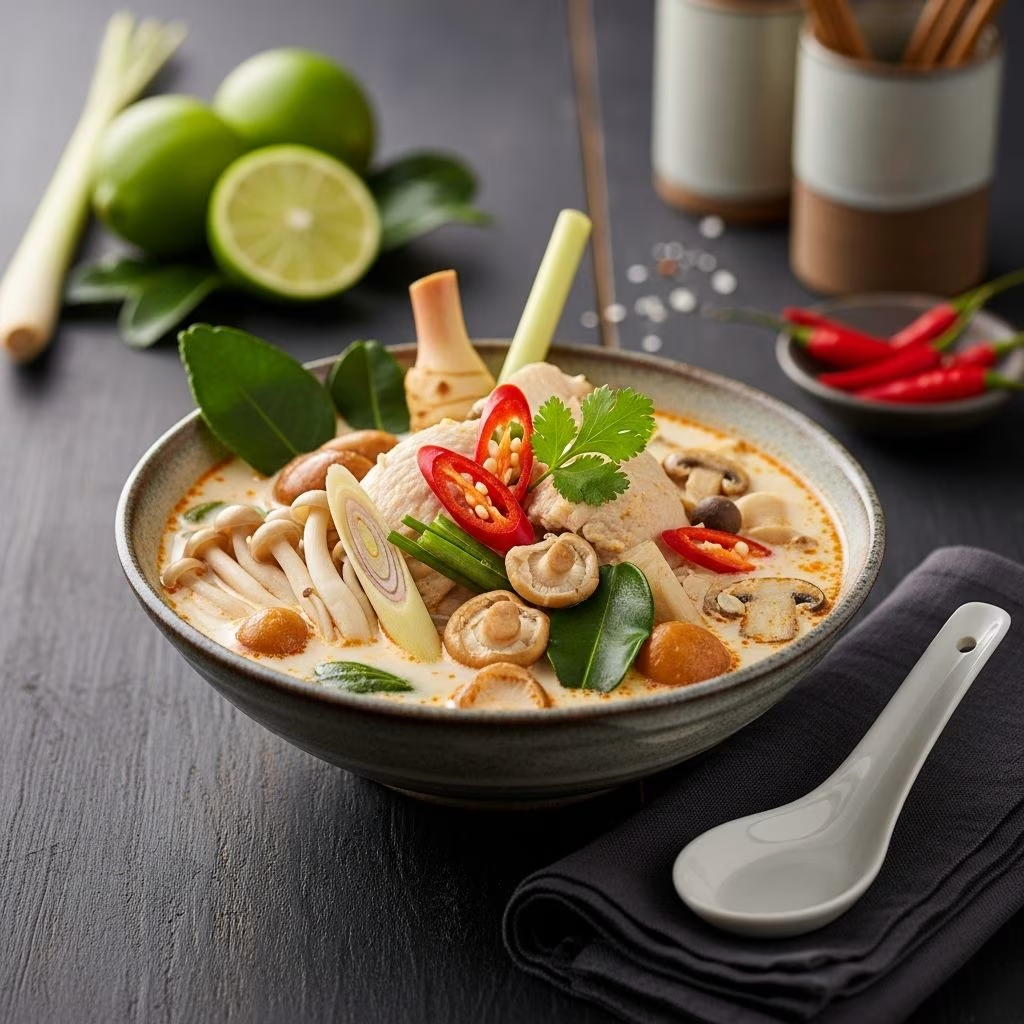
Thai coconut soup, known locally as Tom Kha, represents one of Southeast Asia’s most beloved culinary creations. This aromatic and creamy soup balances multiple flavor dimensions—savory, spicy, salty, and tangy—in a single bowl. The combination of coconut milk, fragrant herbs, and carefully selected proteins creates a dish that feels indulgent yet remains surprisingly straightforward to prepare. Whether you’re cooking for yourself or entertaining guests, this guide will help you master the fundamentals of creating an exceptional Thai coconut soup that rivals your favorite restaurant versions.
Understanding the Core Flavor Profile
The magic of Thai coconut soup lies in its complex flavor balance. The creamy richness of coconut milk provides the foundation, while lemongrass and galangal introduce bright, herbaceous notes. Fish sauce delivers umami depth, lime juice adds acidic brightness, and chilies contribute heat. Red curry paste brings together multiple spices into one ingredient, streamlining the cooking process while maintaining authentic taste. When these components work in harmony, the result is a soup that tastes simultaneously comforting and sophisticated.
Essential Ingredients and Quality Considerations
Success in preparing Thai coconut soup begins with understanding each ingredient’s role and selecting the right product variations.
Coconut Milk Selection
The choice between coconut cream and coconut milk significantly impacts your final soup. Full-fat canned coconut milk provides the ideal consistency and richness for this dish. Avoid products labeled as “cream of coconut,” which contain added sugar and produce an overly sweet result. Light coconut milk lacks the body needed for proper soup consistency. For the creamiest texture, use the thick portion that separates at the top of the can, whisking it together with the liquid before adding to your pot.
Protein Options
Traditional preparations use chicken breast or thigh, though the latter provides superior flavor due to higher fat content. Shrimp offers an elegant alternative, cooking quickly and adding subtle sweetness. Tofu serves vegetarians well, absorbing surrounding flavors beautifully. Fish, squid, and mixed seafood work equally well for those seeking variety.
The Aromatic Base
Lemongrass provides the soup’s characteristic citrusy backbone. Always pound stalks with the side of a knife before adding to release essential oils. Galangal, a rhizome related to ginger, delivers piney, medicinal undertones that distinguish authentic recipes. If unavailable, fresh ginger provides acceptable substitution, though the flavor profile shifts slightly. Kaffir lime leaves contribute floral brightness; fresh lime juice at the end amplifies this effect.
Spice Components
Red curry paste consolidates multiple spices—chilies, lemongrass, garlic, shallots, and more—into one ingredient. Start with two teaspoons and adjust to preference. Fresh Thai chilies can replace curry paste for a cleaner, less complex heat. Fish sauce, while pungent when smelled directly, dissolves into soup and provides essential salty umami depth that cannot be replicated with salt alone.
Step-by-Step Preparation Method
Building Aromatic Foundation
Begin by heating one tablespoon of coconut oil in a medium-sized pot over medium heat. Add thinly sliced onion, minced garlic, and sliced jalapeño or fresh Thai chilies. Include your prepared lemongrass pieces, galangal slices, and red curry paste. Cook this mixture for approximately five minutes, stirring frequently, until the onion softens and the curry paste releases its fragrant oils into the oil. This initial cooking step mellows raw spice flavors while building a cohesive aromatic foundation.
Creating the Broth Base
Pour in four to six cups of chicken or vegetable broth, depending on desired soup density. Bring the mixture to a boil, then reduce heat and simmer uncovered for thirty minutes. This extended simmering allows aromatic ingredients to fully infuse the broth. The longer cooking time develops deeper flavor complexity compared to quick versions.
Straining and Finishing
Using a slotted spoon or skimmer, remove the larger aromatic pieces—garlic cloves, lemongrass stalks, galangal slices—and discard them, or leave them in for diners to remove individually as served at many Thai restaurants. Add your full-fat coconut cream or milk, cut protein into bite-sized pieces, and include sliced mushrooms. Simmer until protein reaches doneness—approximately three to five minutes for chicken, one to two minutes for shrimp.
Just before serving, adjust seasoning with fish sauce, coconut sugar or palm sugar for subtle sweetness, and fresh lime juice for brightness. Taste as you adjust, as personal preferences for saltiness, heat, and acidity vary considerably.
Ingredient Variations and Substitutions
| Original Ingredient | Acceptable Substitute | Impact on Flavor |
|---|---|---|
| Galangal | Fresh ginger | Less piney, more peppery heat |
| Fish sauce | Soy sauce or tamari | Less umami depth, vegetarian-friendly |
| Red curry paste | Fresh Thai chilies | Cleaner spice profile, less complex |
| Lemongrass | Lime zest and juice | Similar brightness, different texture |
| Full-fat coconut milk | Coconut cream thinned with broth | Slightly thinner consistency |
Protein and Vegetable Flexibility
While traditional recipes feature chicken, this soup welcomes numerous protein variations. Shrimp cooks fastest, requiring only ninety seconds to two minutes in simmering broth. Fish fillets work beautifully but require careful monitoring to prevent overcooking and disintegration. Tofu absorbs surrounding flavors and requires no cooking time beyond the initial simmering period. Mushrooms contribute umami earthiness; sliced button mushrooms work fine, though cremini and shiitake varieties add deeper flavor.
Dietary Modifications
Vegetarian and Vegan Options
Replace chicken broth with vegetable broth and omit fish sauce or substitute soy sauce and additional lime juice for umami depth. Tofu becomes the protein of choice, though chickpeas or lentils offer alternative textures and nutrients.
Whole30 Compliance
Use compliant broth and full-fat coconut milk or cream. Replace fish sauce with additional lime juice and tamari. Choose coconut aminos instead of sugar for any sweetening needs. Protein options including chicken thighs, shrimp, and quality proteins remain acceptable.
Low-Sodium Variations
Select unsalted broths and use tamari or coconut aminos in reduced quantities. Allow diners to adjust seasoning individually rather than adding salt to the entire pot.
Cooking Technique Insights
Temperature Control
Maintaining gentle simmering rather than rolling boiling prevents coconut milk from separating and ensures delicate proteins cook evenly. If using chicken breast, keep pieces relatively large to prevent overcooking and drying.
Timing Considerations
The initial thirty-minute simmer of the aromatic base cannot be rushed without sacrificing depth. However, once broth, coconut milk, and proteins are added, cooking completes quickly—typically ten to fifteen minutes total. This makes the recipe suitable for weeknight dinners despite its seemingly elaborate ingredient list.
Flavor Layering
Rather than combining all seasonings at once, add fish sauce and lime juice after removing from heat. This approach preserves their bright characteristics, which can diminish with extended heating. Taste and adjust gradually, as umami and acidity build deceptively quickly.
Presentation and Serving Suggestions
Serve soup in warmed bowls to maintain temperature. Garnish generously with sliced green onions, fresh cilantro leaves, and thin lime wedges for diners to squeeze in. A drizzle of chili oil adds visual appeal and optional heat. Thai basil leaves, when available, contribute authentic flourish. Pair with jasmine rice on the side for diners who prefer heartier portions.
Common Mistakes to Avoid
Using light coconut milk instead of full-fat varieties produces thin, unsatisfying soup lacking body. Overcooking proteins, particularly chicken breast and shrimp, results in rubbery texture. Adding lime juice too early allows its brightness to fade into the background rather than providing finishing pop. Skipping the extended aromatic infusion period sacrifices the complex flavor development that distinguishes homemade soup from quick versions. Finally, assuming all coconut products are equivalent—confusing cream of coconut with coconut milk—leads to unpleasantly sweet, inauthentic results.
Make-Ahead and Storage Strategies
The aromatic broth base can be prepared up to two days in advance and refrigerated in an airtight container. The flavor actually deepens slightly during storage as ingredients continue infusing. When ready to serve, gently reheat, add coconut milk and protein, and simmer until cooked through. Avoid storing the complete soup with protein, as this can result in overcooked, tough chicken or mushy seafood. Freeze the broth base without coconut milk for up to three months; thaw overnight in the refrigerator before reheating and finishing.
Frequently Asked Questions
Can this soup be made without coconut milk?
Coconut milk defines the soup’s essential character. While heavy cream creates richness, it lacks the subtle sweetness and authentic flavor profile that makes Thai coconut soup distinctive.
How spicy should authentic Thai coconut soup be?
Authentic versions vary considerably based on regional preferences and individual tolerance. Start with two teaspoons of curry paste and add chilies gradually until reaching desired heat level rather than assuming all recipes should burn.
What makes restaurant versions taste more flavorful?
Restaurants typically use homemade curry pastes, fresh aromatic ingredients rather than dried versions, and extended simmering times. They also often use shrimp or fish-based stocks for additional depth.
Can lime juice replace fish sauce entirely?
Fish sauce and lime juice serve different purposes—one provides umami saltiness while the other adds brightness. Combined, they create balance; using only lime juice produces an acidic, one-dimensional result lacking umami satisfaction.
Expanding Your Thai Cooking Skills
Mastering this foundational soup builds confidence for exploring other Thai dishes. Understanding how to layer aromatic ingredients, balance competing flavors, and adjust seasoning to personal taste creates transferable skills for countless Southeast Asian recipes. Once comfortable with basic preparation, experiment with regional variations—some northern Thai versions include peanut elements, while southern styles emphasize additional spice.
Thai coconut soup demonstrates that restaurant-quality cuisine need not remain inaccessible. With quality ingredients, proper technique, and patience during initial flavor-building stages, home cooks create soup that rivals professional restaurant versions. The investment in learning proper preparation methods pays dividends across countless future meals.
References
- Tom Kha Gai Soup (Better Than Takeout) — 40 Aprons. 2024. https://40aprons.com/tom-kha-soup-whole30/
- Easy Thai Coconut Soup Recipe: No Thai Ingredients — Blender Babes. 2024. https://www.blenderbabes.com/lifestyle-diet/diabetic/easy-thai-coconut-soup-recipe/
- Tom Kha Goong Soup (Thai Coconut Shrimp Soup) — Ames Savory Dish. 2024. https://ameessavorydish.com/shrimp-coconut-curry-soup/
- Best Tasting Thai Coconut Soup — Blue Ribbon Group. 2024. https://www.blueribbongroup.net/blue-ribbon-foodies/best-tasting-thai-coconut-soup/
- Tom Kha (Thai Coconut Soup) — Cook Love Heal with Rachel Zierzow. 2024. https://cookloveheal.com/thai-coconut-soup/