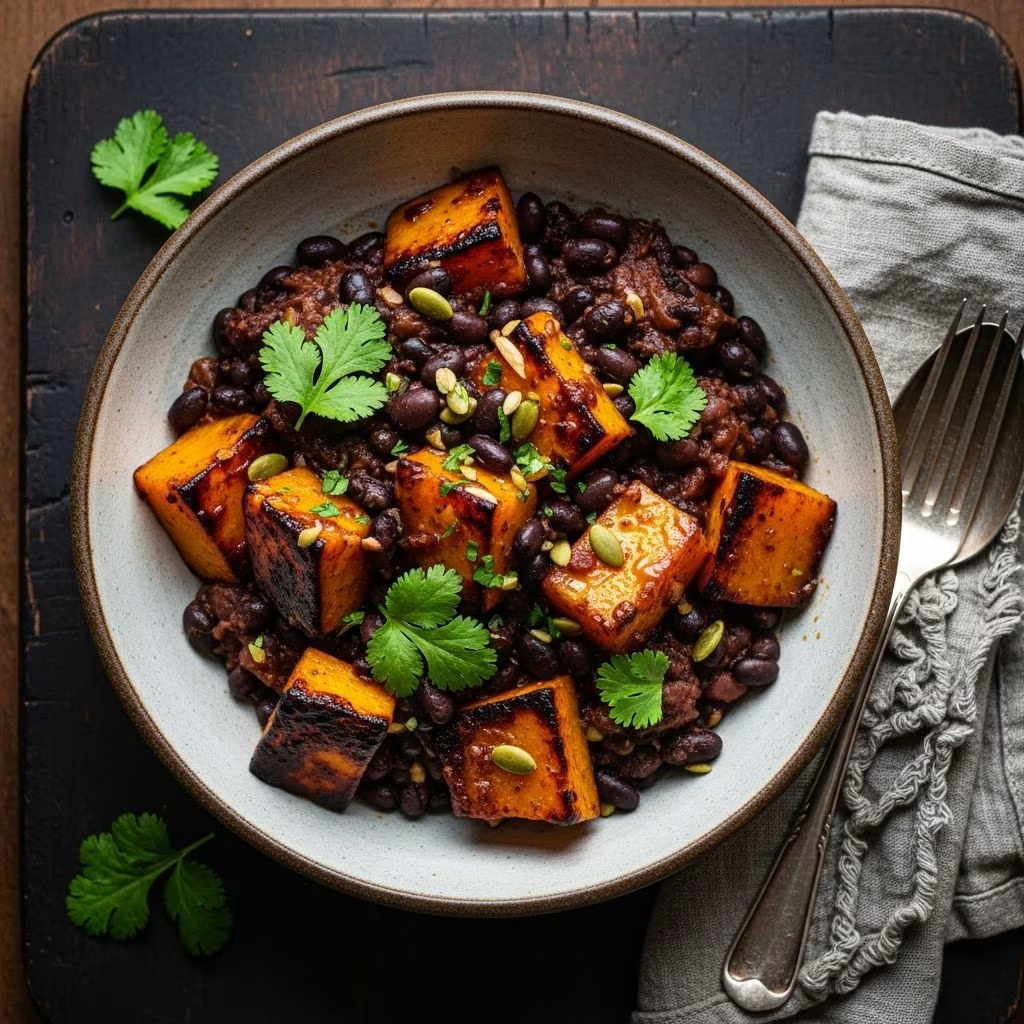
Winter squash, with its natural sweetness and dense texture, pairs beautifully with the bold, salty punch of fermented black beans in this quick braising dish. Rooted in Chinese cooking techniques, this recipe highlights smother-braising, a method that gently cooks vegetables in a light broth to preserve their vibrant color and enhance flavors without overpowering sauces.
Understanding Smother-Braising Techniques
Smother-braising, or mèn in Chinese, differs from richer red-braising by using minimal seasonings and shorter cooking times. This approach lets the squash’s orange hue shine while infusing it with aromatic elements like garlic, chiles, and fermented beans. The result is tender, almost buttery pieces that absorb a savory broth, making it ideal for weeknight dinners or holiday sides.
Unlike roasting, which crisps the exterior, braising creates a silky interior. It’s forgiving for beginners, requiring just one pot and about 15 minutes of active time. This technique works well with firm squashes because they hold shape during simmering.
Choosing the Perfect Winter Squash
Select dense, firm-fleshed varieties for best results. Kabocha offers a chestnut-like richness and velvety texture, while butternut provides mild sweetness. Red kuri or Hubbard squashes also excel, yielding about 3 cups when prepped from 1 pound raw.
- Kabocha: Dense, sweet, with edible skin when thin—minimal peeling needed.
- Butternut: Versatile, peels easily, holds up in braises without turning mushy.
- Red Kuri: Bright orange flesh, nutty flavor, thin skin that’s often left on.
- Hubbard: Robust and earthy, great for deeper autumnal notes.
Avoid overly watery squashes like spaghetti, as they disintegrate. Look for heavy squash with dull rinds, indicating maturity.
Key Ingredients and Their Roles
This dish relies on pantry staples elevated by fermented black beans, a staple in Chinese cuisine. These beans, salted and aged, deliver deep umami that cuts through squash’s sweetness.
| Ingredient | Quantity | Purpose |
|---|---|---|
| Winter squash | 1 lb (peeled, cut into 1.5-inch pieces) | Main body; provides sweetness and starchiness. |
| Vegetable or scallion oil | 2 Tbsp | Carries aromatics; adds subtle onion note if scallion-infused. |
| Dried chiles (Tianjin/Sichuan) | 4-5, snipped | Heat and smokiness; seeds removed for milder spice. |
| Fermented black beans | 1 Tbsp, chopped | Salty umami bomb; ferments add complexity. |
| Garlic | 3 cloves, sliced | Aromatic base; sizzles to release pungency. |
| Vegetable stock or water | 1 cup | Braising liquid; unsalted to control seasoning. |
| Sugar | 1 tsp (adjust to taste) | Balances saltiness; enhances natural sugars. |
| Kosher salt | ½ tsp (adjust) | Seasoning backbone. |
| Toasted sesame oil | ½ tsp | Finishing nutty aroma. |
| White pepper & scallion | Pinch & 1 green part | Fresh heat and garnish. |
Fermented black beans are available jarred in Asian markets; rinse if too salty. Substitutes like miso work but alter authenticity.
Step-by-Step Cooking Guide
Prep takes 10 minutes; cooking 15-20. Use a wok or deep skillet for even heat.
Prepare squash: Peel (if thick-skinned), remove seeds, cut into 1½-inch wedges then ½x1½-inch pieces. Uniformity ensures even cooking.
Heat wok: High heat, add oil, swirl. Fry chiles 10 seconds until darkening—don’t burn.
Aromatics: Add chopped beans and garlic; sizzle 30 seconds for fragrance release.
Add squash: Toss to coat in oil, 1 minute.
Braise: Pour stock, boil, add sugar/salt. Cover, simmer 5-7 minutes until chopstick-tender and liquid reduces.
Finish: Uncover, taste/adjust. Off heat, stir in sesame oil, pepper. Top with scallions.
Pro tip: If squash is large, cook in batches to avoid steaming.
Flavor Balance and Adjustments
The magic lies in harmony: squash sweetness tempers bean saltiness, chiles add warmth, sugar rounds edges. Taste post-simmer; add more sugar for ripe squash or salt for bland stock. White pepper provides subtle bite over black.
For heat lovers, retain chile seeds. Mild version: Reduce chiles to 2.
Variations for Every Palate
- Spicy Harissa Twist: Swap chiles for 1 Tbsp rose harissa; adds smoky North African flair.
- Protein Boost: Add tofu cubes in step 4; absorbs flavors beautifully.
- Greens Addition: Stir in bok choy last 2 minutes for freshness.
- Gluten-Free: Confirm beans are tamari-free; use water over stock.
- Slow Cooker: Combine all post-aromatics, low 2-3 hours.
These keep the dish vegan and adaptable.
Nutritional Profile and Health Benefits
Per serving (4 servings): ~150 calories, high in vitamin A (from beta-carotene), fiber for digestion, and antioxidants. Fermented beans provide probiotics; low-fat cooking method preserves nutrients.
- Vitamin A: Supports immunity, vision.
- Fiber: Aids gut health, satiety.
- Low sodium if adjusted mindfully.
Serving Ideas and Pairings
Serve hot as a side to steamed rice, stir-fries, or noodles. Complements fatty proteins like pork belly or tempeh. Garnish with cilantro for herbaceous lift.
Meal ideas:
- With congee for breakfast.
- Beside mapo tofu for vegan feast.
- Mixed into quinoa salad, chilled.
Storage and Reheating Tips
Refrigerate up to 4 days in airtight container; flavors deepen. Reheat gently in skillet with splash of water to revive sauce. Freezes 1 month; thaw overnight.
Avoid microwave mushiness—stovetop best.
Common Mistakes to Avoid
- Overcrowding wok: Steams instead of sears.
- Skipping high-heat start: Aromatics won’t bloom.
- Under-chopping beans: Uneven distribution.
- Ignoring taste tests: Balance varies by squash ripeness.
Frequently Asked Questions
Can I use pumpkin instead of squash?
Yes, sugar or Japanese pumpkin works similarly; adjust sugar down as it’s sweeter.
Where to buy fermented black beans?
Asian grocery stores or online; look for Dow Foo brand.
Is this dish spicy?
Mildly; chiles add warmth, not fire. Remove for kid-friendly.
How to make it oil-free?
Water-sauté aromatics; flavor slightly milder.
Substitutes for white pepper?
Black pepper fine; or omit for pure finish.
This dish embodies simple elegance, turning seasonal produce into something extraordinary. Experiment to make it yours.
References
- Braised Winter Squash with Fermented Black Beans Recipe — Saveur. N/D. https://www.saveur.com/recipes/braised-winter-squash-fermented-black-beans/
- Braised Winter Squash With Fermented Black Beans — The Splendid Table. 2022-10-21. https://www.splendidtable.org/story/2022/10/21/braised-winter-squash-with-fermented-black-beans
- Chinese Braised Winter Squash — Olive Magazine. N/D. https://www.olivemagazine.com/recipes/vegan/chinese-braised-winter-squash/
- Butternut Squash with Fermented Black Beans — Bewitching Kitchen. 2023-05-30. https://bewitchingkitchen.com/2023/05/30/butternut-squash-with-fermented-black-beans/
- Chinese Fermented Black Beans — The Splendid Table. N/D. https://www.splendidtable.org/recipes/tags/chinese-fermented-black-beans