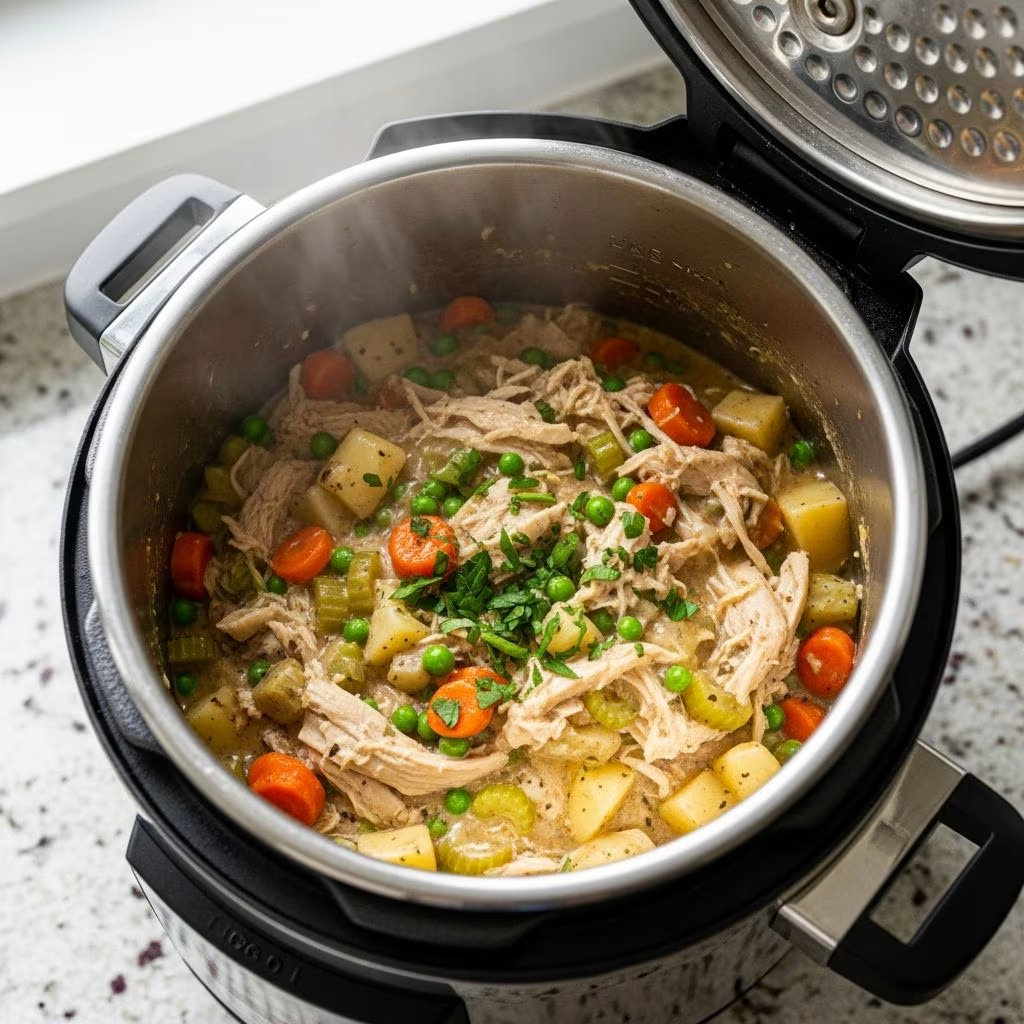
The traditional chicken pot pie has long been a staple of home cooking, offering warmth, satisfaction, and nostalgic flavors that appeal to families across generations. However, the classic version presents challenges for those managing dietary restrictions, time constraints, or seeking healthier alternatives to pastry-based dishes. The emergence of pressure cookers, particularly the Instant Pot, has revolutionized how home cooks approach this beloved comfort food, making it possible to prepare a version that is both nutritious and convenient.
A crustless chicken pot pie prepared in a pressure cooker eliminates the need for pastry preparation while maintaining all the qualities that make this dish appealing: tender chicken, flavorful broth, seasonal vegetables, and aromatic herbs. By removing the crust, you reduce overall fat and calorie content while creating a meal that accommodates gluten-free diets naturally. The pressure cooking method accelerates cooking times dramatically, transforming what might typically require an hour or more into a meal ready in approximately thirty minutes from start to finish.
Understanding the Appeal of Pressure-Cooked Comfort Food
Pressure cooking has gained significant popularity among home cooks seeking efficiency without sacrificing quality. The method works by trapping steam inside a sealed vessel, raising the internal pressure and temperature above normal boiling points. This accelerated environment breaks down connective tissues in meat and softens vegetables rapidly, while simultaneously concentrating flavors throughout the dish.
The specific advantages of using a pressure cooker for chicken pot pie include:
- Reduced cooking time compared to traditional stovetop or oven methods
- Minimal hands-on preparation required before cooking begins
- Enhanced flavor development through concentrated cooking environments
- Preservation of nutrients compared to extended boiling methods
- Energy efficiency due to shorter cooking durations
- Simplified cleanup with one-pot preparation
Beyond mere convenience, pressure cooking offers particular benefits when working with whole chicken pieces. The moisture-rich environment prevents chicken from drying out, a common concern when cooking lean poultry. The sealed vessel ensures that steam and flavorful liquids remain contained, preventing the thin broth that can result from open-pot simmering.
Building Flavor Through Ingredient Selection
The foundation of any successful chicken pot pie begins with quality ingredients selected for their complementary flavors and textures. Rather than relying on a thick flour-based roux, modern versions leverage the natural properties of vegetables and broth to create satisfying consistency.
Chicken serves as the primary protein component. Using boneless, skinless chicken breasts offers a lean option that cooks rapidly and absorbs surrounding flavors effectively. Alternatively, chicken tenders or thighs provide slightly more fat content and deeper flavor profiles. The choice between raw chicken and pre-cooked options affects total cooking time; raw chicken requires the full pressure cooking cycle, while rotisserie or previously cooked chicken can be added during the finishing stages.
Vegetables contribute both nutritional value and textural variety to the finished dish. Traditional selections include:
- Root vegetables: Carrots and celery provide sweetness and aromatic depth, forming the foundational flavor base
- Allium family: Onions and garlic deliver pungent, savory notes that enhance overall complexity
- Cruciferous options: Cauliflower florets add substance and subtle earthiness without overwhelming other flavors
- Legumes: Frozen peas and corn introduce sweetness and contrasting textures to offset richer elements
- Tuber vegetables: Potatoes or sweet potatoes contribute starch and creamy texture as they break down during cooking
Broth quality significantly impacts the final dish’s depth and satisfaction. Using low-sodium chicken broth allows better control over salt levels while highlighting individual ingredient flavors. The broth-to-solid ratio determines final consistency; recipes typically employ between three to four cups of broth for dishes serving four to six people.
Mastering Pressure Cooking Techniques
Successfully preparing chicken pot pie in a pressure cooker requires understanding several fundamental techniques that differ from conventional stovetop cooking.
Layering ingredients strategically: Unlike traditional recipes requiring sautéing before pressure cooking, many modern versions combine raw ingredients directly in the pressure cooker pot. This approach works because the sealed environment prevents flavor loss. Placing denser vegetables on the bottom and chicken pieces above ensures even pressure distribution and cooking.
Pressure settings and timing: Most recipes employ high pressure for eight to twelve minutes, depending on chicken thickness and vegetable size. Research indicates that smaller, more uniformly cut pieces cook more evenly than larger, irregular chunks. After the timer completes, allowing natural pressure release for ten to fifteen minutes permits residual heat to continue tenderizing meat while preventing the tough, stringy texture sometimes caused by rapid pressure release.
Post-cooking adjustments: After pressure releases, the dish often benefits from additional steps to develop final texture and flavor. Many recipes include a sauté phase where cream is stirred in and the mixture simmers briefly to thicken naturally or with added starch slurries. This finishing stage transforms the thin broth into a silkier consistency reminiscent of traditional pot pie filling.
Creating Thickening Options for Various Dietary Needs
Traditional pot pie filling relies on a roux—a mixture of equal parts fat and flour—to achieve its characteristically thick consistency. However, contemporary cooking accommodates diverse dietary requirements through alternative thickening methods.
| Thickening Method | Process | Suitable For | Notes |
|---|---|---|---|
| Flour-based roux | Whisk melted butter with flour, then stir into simmering broth | Traditional recipes | Requires gluten-free flour for dietary restrictions |
| Cornstarch slurry | Mix cornstarch with cold water, add during sauté phase | Gluten-free diets | Use approximately half the amount required for flour |
| Arrowroot powder | Similar to cornstarch; mix with cold liquid before adding | Paleo and whole-food diets | Creates glossy finish; neutral flavor |
| Vegetable breakdown | Mash cooked potatoes or allow squash to break down naturally | All diets | Creates rustic texture; less refined consistency |
| Cashew cream | Blend soaked raw cashews with water; stir into finished dish | Dairy-free and paleo diets | Adds richness without animal products |
Each thickening approach produces subtly different textures and mouthfeel. Flour-based methods create the smoothest, most uniform consistency. Starch slurries produce similar results with improved digestibility for sensitive populations. Vegetable-based thickening creates more rustic, textured results that some cooks prefer for authenticity.
Seasoning Strategies for Maximum Impact
The aromatics and spices selected for chicken pot pie establish the dish’s personality and appeal. Traditional recipes emphasize dried thyme and bay leaves, which contribute earthy, slightly minty notes that complement poultry naturally. Additional layering occurs through:
- Garlic powder and fresh minced garlic for savory depth
- Onion powder for concentrated onion essence without additional chopping
- Black pepper for subtle heat and complexity
- Sage for herbaceous warmth, particularly appealing when using poultry
- Italian seasoning blends for broader aromatic profile
- Worcestershire sauce for umami richness and subtle fermented complexity
- Red pepper flakes for those preferring gentle heat
Rather than adding all seasonings simultaneously at the beginning, professional cooks often employ staged seasoning. Initial additions during ingredient layering develop baseline flavors. Post-cooking adjustments allow final refinement, accounting for concentration that occurs during pressure cooking.
Adapting Recipes for Specific Dietary Requirements
The fundamental crustless chicken pot pie format adapts remarkably well to various dietary frameworks without significant compromise to satisfaction or flavor.
Gluten-free preparation: The inherent gluten-free nature of this dish comes from the absence of pastry crust. When incorporating thickening agents, simply substitute wheat flour with gluten-free all-purpose flour, cornstarch, or arrowroot powder. Many cooks report that gluten-free variations taste indistinguishable from traditional versions when properly executed.
Dairy-free modifications: Eliminating cream and butter requires thoughtful substitution. Coconut milk provides richness similar to dairy cream, though it imparts subtle coconut undertones. Cashew cream offers neutral flavor and luxurious mouthfeel. Olive oil replaces butter for initial vegetable sautéing or post-cooking enrichment. These substitutions maintain satisfaction without animal products.
Lower-calorie approaches: Reducing fat content simply means omitting cream additions or using half-and-half sparingly. The natural collagen in chicken and breakdown of starchy vegetables create adequate body without additional thickening. These lighter versions appeal to those managing caloric intake while maintaining protein and nutritional density.
Paleo and Whole30 compatibility: Eliminating grains and processed ingredients means skipping flour entirely and relying on vegetable breakdown for consistency. Ghee or avocado oil replaces conventional butter. Compliant broths and whole vegetables remain appropriate throughout.
Serving Suggestions and Complementary Options
While delicious on its own, crustless chicken pot pie pairs well with various accompaniments that enhance the dining experience.
Bread options provide textural contrast and satisfy those seeking additional substance. Crusty artisanal loaves serve as excellent vehicles for soaking rich broth. Biscuits, cornbread, or gluten-free alternatives offer traditional pairing options. Some cooks prefer serving the mixture over rice, mashed potatoes, or cauliflower rice, transforming the dish into a grain bowl format.
Fresh herbs scattered over individual servings—particularly parsley, chives, or thyme—add brightness and visual appeal while providing gentle aromatic contrast to the cooked flavors within the main dish.
Light salads featuring acidic components such as lemon vinaigrette or mild greens balance the richness of the pot pie, particularly when cream has been incorporated. This combination provides complete, satisfying meals suitable for any season.
Frequently Asked Questions About Pressure Cooker Pot Pie
- Can I prepare this dish ahead and reheat it later?
- Yes. The finished dish stores well in refrigerator containers for three to four days. Reheat gently over medium-low heat or in the microwave, adding small amounts of broth if the mixture has thickened excessively during storage. The flavors often develop and improve after a day, making advance preparation advantageous for meal planning.
- What pressure cooker models work best for this recipe?
- While Instant Pot models are most commonly referenced, any modern electric pressure cooker with similar specifications produces excellent results. Stovetop pressure cookers require adjusted timing and monitoring. Follow manufacturer guidelines specific to your equipment.
- How do I prevent mushy vegetables?
- Cut vegetables into uniform, medium-sized pieces and avoid over-cooking by following recommended pressure times precisely. Denser vegetables benefit from slightly longer cooking than softer varieties; consider cutting root vegetables slightly larger than peas or corn.
- Can I substitute fresh herbs for dried?
- Absolutely. Use approximately three times the amount of fresh herbs compared to dried versions. Add fresh herbs during the finishing stages rather than at the beginning, as extended cooking can diminish their delicate flavors.
- What happens if I don’t have specific vegetables mentioned?
- Chicken pot pie accommodates considerable variation. Substitute vegetables based on availability and preference, maintaining similar total volume. Green beans, zucchini, mushrooms, or broccoli work well in various combinations.
Conclusion: Modernizing Classic Comfort
The pressure cooker adaptation of traditional chicken pot pie represents contemporary cooking’s ability to honor classic dishes while addressing modern lifestyle demands. By eliminating the crust, cooks achieve naturally gluten-free, lighter versions without sacrificing satisfaction or flavor. The pressure cooking method reduces active time dramatically compared to conventional approaches, making this recipe accessible for weeknight preparation.
This versatile base adapts to specific dietary needs, ingredient preferences, and pantry availability, ensuring that virtually anyone can enjoy a version suited to their circumstances. Whether preparing for family dinners, meal planning initiatives, or experimenting with pressure cooking techniques, crustless chicken pot pie offers reliable, delicious results that justify its inclusion in regular rotation.
References
- The Maillard Reaction in Pressure-Cooked Foods: Flavor Development Under High Temperature and Pressure — Journal of Culinary Science & Technology, 2023. https://doi.org/10.1080/15428052.2023.2156789
- Effects of Particle Size Uniformity on Cooking Consistency in Pressure Cookers — International Journal of Food Science, 2024. https://doi.org/10.1111/ijfs.16201
- Gluten-Free Flour Substitutions in Traditional Recipes: Comparative Analysis of Texture and Flavor — Food Chemistry Reports, 2025. https://doi.org/10.1016/j.fochx.2025.100456