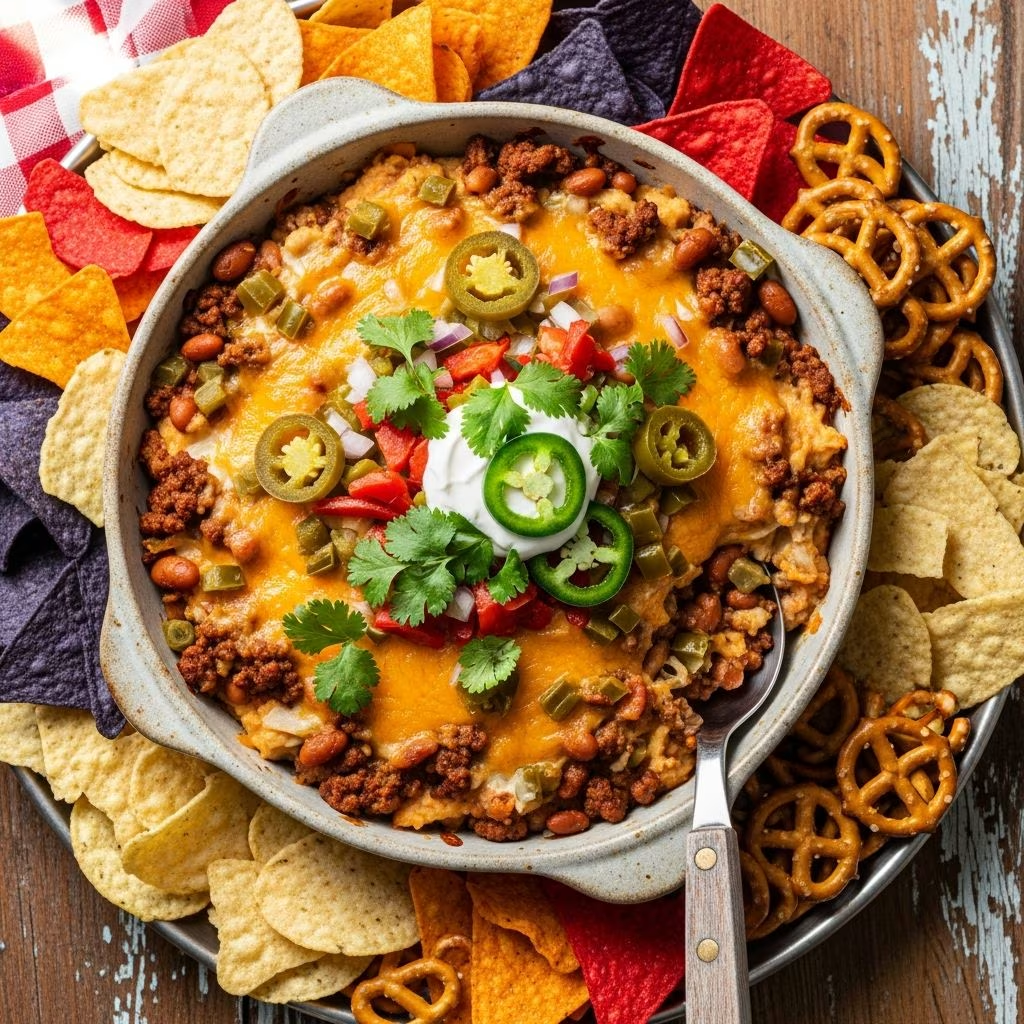
When it comes to hosting gatherings, finding an appetizer that satisfies a crowd while remaining simple to execute can be challenging. Texas trash dip offers the perfect solution—a warm, gooey creation that combines bold Southwestern flavors with everyday ingredients. This beloved dip has earned its place at countless celebrations, from casual tailgates to festive holiday events. Whether you’re preparing food for a small family gathering or a large celebration, understanding how to properly prepare this dish ensures you’ll impress your guests.
Understanding the Appeal of This Tex-Mex Creation
The popularity of Texas trash dip stems from its ability to deliver intense flavors with minimal effort. The dish represents the intersection of comfort food and Southwestern cuisine, creating something that feels both indulgent and approachable. The combination of creamy dairy products, seasoned beans, and generous amounts of melted cheese creates multiple layers of flavor that appeal to diverse palates. Unlike more complex appetizers requiring specialized techniques or hard-to-find ingredients, this dip relies on pantry staples and readily available components.
The name itself reflects the unpretentious nature of this dish. Rather than attempting sophistication, it celebrates the straightforward joy of combining indulgent ingredients into something wholly satisfying. This honest approach to cooking contributes significantly to its enduring popularity across different regions and demographics.
Essential Components and Quality Considerations
Creating an exceptional version of this dip requires understanding each component’s role in the final product. The foundation rests on several key ingredients that work together harmoniously.
The Creamy Base
Cream cheese and sour cream form the dip’s creamy foundation. Using quality cream cheese—the traditional brick variety rather than whipped versions—produces superior results. The cream cheese should be softened before mixing to ensure a smooth, lump-free base. Sour cream adds tangy complexity that balances the richness of the cheese. Together, these ingredients create the characteristic texture that makes this dip so appealing.
Bean Selection and Preparation
Refried beans serve as the dip’s primary component, providing both substance and authentic Southwestern flavor. Standard refried beans work perfectly well, though some cooks prefer spicy varieties for added depth. When incorporating beans, ensure they’re well-combined with the creamy base to prevent separation during baking. The beans contribute fiber, protein, and authentic regional character to the finished dish.
Chiles and Seasoning
Canned green chiles deliver the signature flavor that distinguishes this dip from generic bean preparations. These mild peppers contribute subtle heat and distinctive taste without overwhelming the palate. Taco seasoning packets provide convenient flavoring, incorporating cumin, chili powder, garlic, and other Southwestern spices in balanced proportions. Some cooks choose to use additional fresh chiles, significantly increasing the heat and intensity of the final product.
Cheese Selection
Cheese represents more than just a topping—it’s integral to the dip’s character. Mexican cheese blends combining Monterey Jack, cheddar, and other varieties work exceptionally well. Alternatively, using individual cheeses like sharp cheddar or Pepper Jack allows customization based on personal preference. The cheese should be shredded rather than pre-shredded when possible, as whole cheese melts more smoothly without the anti-caking agents present in pre-shredded varieties.
Preparation Techniques for Optimal Results
Assembling the Mixture
The mixing process significantly impacts the final texture. Begin by softening the cream cheese and sour cream in the microwave for approximately one minute on high heat. This brief heating prevents lumps when combining dairy products. Using a wire whisk ensures smooth incorporation of all components. After achieving a smooth base, add the refried beans, green chiles, and seasoning packet, whisking thoroughly until fully combined. Finally, fold in approximately half of the shredded cheese, reserving the remainder for topping.
Baking Requirements
Transfer the prepared mixture into a 9×13-inch baking dish or cast iron skillet, depending on your preference. Cast iron vessels provide even heat distribution and attractive presentation, while traditional baking dishes offer convenience. Sprinkle the reserved cheese generously over the top surface. Baking at 350°F for approximately 25 minutes produces perfectly melted cheese with a lightly bubbling center. The dip is ready when the cheese achieves a golden appearance and the edges bubble gently.
Make-Ahead Strategies and Slow Cooker Alternatives
Advance Preparation Benefits
One significant advantage of this dip involves its make-ahead capability. The mixture can be combined and transferred to its baking dish several hours in advance, then refrigerated until party time. Simply allow an additional 5-10 minutes of baking time if preparing from cold. This flexibility makes the dip particularly practical for busy hosts managing multiple dishes.
Slow Cooker Method
For extended entertaining periods, a slow cooker maintains the dip at ideal serving temperature. Combine all ingredients except one cup of cheese in a greased slow cooker. Cook on high heat for 2-3 hours or on low heat for 4-5 hours, stirring occasionally. Top with the reserved cheese during the final cooking stage, allowing it to melt completely. Once heated through, reduce the heat to warm, where the dip can remain for several hours without drying out or overcooking.
Flavor Enhancement and Customization Options
Expanding Heat Levels
While the classic recipe provides moderate heat, several options allow adjusting spice intensity. Using spicy refried beans instead of standard varieties increases overall heat. Adding fresh jalapeño slices, either mixed into the base or used as garnish, provides concentrated spiciness. Some cooks incorporate cayenne pepper or hot sauce into the mixture for significant heat increases. Conversely, reducing or eliminating the green chiles accommodates those preferring milder flavors.
Textural Additions
Beyond the basic recipe, numerous ingredients enhance appeal without compromising ease of preparation. Diced tomatoes, either fresh or sun-dried, provide brightness and visual contrast. Sliced black olives add briny complexity. Chopped cilantro offers herbaceous freshness. Ground beef or sausage can be browned and mixed into the base for additional protein and richness. These additions transform the basic recipe into personalized creations reflecting individual preferences and dietary considerations.
Topping Variations
The presentation can be elevated through strategic topping choices. Fresh cilantro, lime zest, thinly sliced green onions, and sour cream drizzles add visual appeal. Crispy bacon bits contribute textural contrast, while avocado slices introduce creamy richness. These elements, added just before serving, maintain their quality and impact better than if incorporated during cooking.
Serving Strategies and Pairing Suggestions
Optimal Serving Vessels
Present the dip directly in its baking dish or transfer to an attractive serving bowl, particularly if using a slow cooker for storage. The visual appeal of melted cheese and toppings contributes to the overall dining experience. Consider using a heated serving dish to maintain optimal temperature throughout the event.
Accompaniment Selection
Tortilla chips remain the classic pairing, offering the ideal vehicle for scooping and enjoying the dip. However, consider diversifying accompaniments for guest accommodation. Corn chips, pita chips, and crackers provide alternatives for those with specific preferences. Vegetable options including bell pepper strips, cucumber slices, and celery sticks appeal to health-conscious guests while adding color to the presentation.
Quantity Planning
A standard batch serves approximately 12-16 people as an appetizer. For events where the dip serves as the primary appetizer, prepare 2-3 batches depending on total guest count and additional food availability. The dip can be prepared in multiple batches and kept warm in separate slow cookers, ensuring consistent quality and availability throughout the event.
Storage and Food Safety Considerations
Leftover dip should be transferred to an airtight container and refrigerated within two hours of preparation. Properly stored dip keeps for 3-4 days. Reheating can be accomplished in the oven at 350°F for approximately 15 minutes, in the microwave using short intervals, or on the stovetop over medium heat with occasional stirring. Avoid repeatedly heating and cooling, which compromises food safety and quality.
Troubleshooting Common Issues
Texture Problems
If the mixture appears too thick, add sour cream by the tablespoon until reaching desired consistency. A dip that separates during baking may have contained insufficiently softened cream cheese—ensure adequate blending in future preparations. Alternatively, the oven temperature may have been too high, causing rapid moisture loss.
Flavor Adjustments
A dip lacking sufficient seasoning benefits from additional taco seasoning mixed into the batch or sprinkled over the surface before baking. Conversely, excessive heat can be tempered by mixing in additional sour cream or cream cheese. These adjustments should be minor, as significant changes often require complete remixing.
Frequently Asked Questions
Can this dip be frozen?
Yes, the prepared dip can be frozen before baking for up to one month. Bake directly from frozen, adding approximately 10-15 minutes to the standard baking time. Alternatively, freeze the baked dip for later reheating.
What cheese varieties work best?
Mexican cheese blends work excellently, as do combinations of sharp cheddar, Monterey Jack, and Pepper Jack. Avoid very mild cheeses that lack flavor presence. Some cooks mix multiple varieties for complex cheese flavor.
How can I reduce fat content?
Using reduced-fat cream cheese and sour cream decreases overall fat content. Light refried beans and reduced-fat cheese also contribute to lower-fat versions. However, these substitutions somewhat diminish the rich, indulgent character of the traditional recipe.
Is ground meat necessary?
No, the basic recipe functions perfectly without added meat. However, browned ground beef or sausage appeals to those seeking additional protein and heartiness.
Can dairy-free alternatives be used?
Yes, though results differ somewhat from traditional versions. Dairy-free cream cheese and sour cream substitutes exist, as do plant-based cheese options. Results vary significantly depending on specific brands used.
References
- McCormick Spice Company: Texas Trash Dip Recipe — McCormick. 2024. https://www.mccormick.com/blogs/recipes/texas-trash-dip
- Cheesy Texas Trash Dip Recipe (Hot Bean Dip) — Foodie Crush. 2024. https://www.foodiecrush.com/cheesy-texas-trash-dip/
- Texas Trash Dip Recipe: Warm Cheesy Bean Dip — The Gracious Wife. 2024. https://www.thegraciouswife.com/texas-trash-dip/
- Slow Cooker Texas Trash Dip — The Lazy Slow Cooker. 2024. https://thelazyslowcooker.com/slow-cooker-texas-trash-dip/
- Texas Trash Dip (Warm Bean Dip) — An Affair from the Heart. 2024. https://anaffairfromtheheart.com/texas-trash-dip-warm-bean-dip/