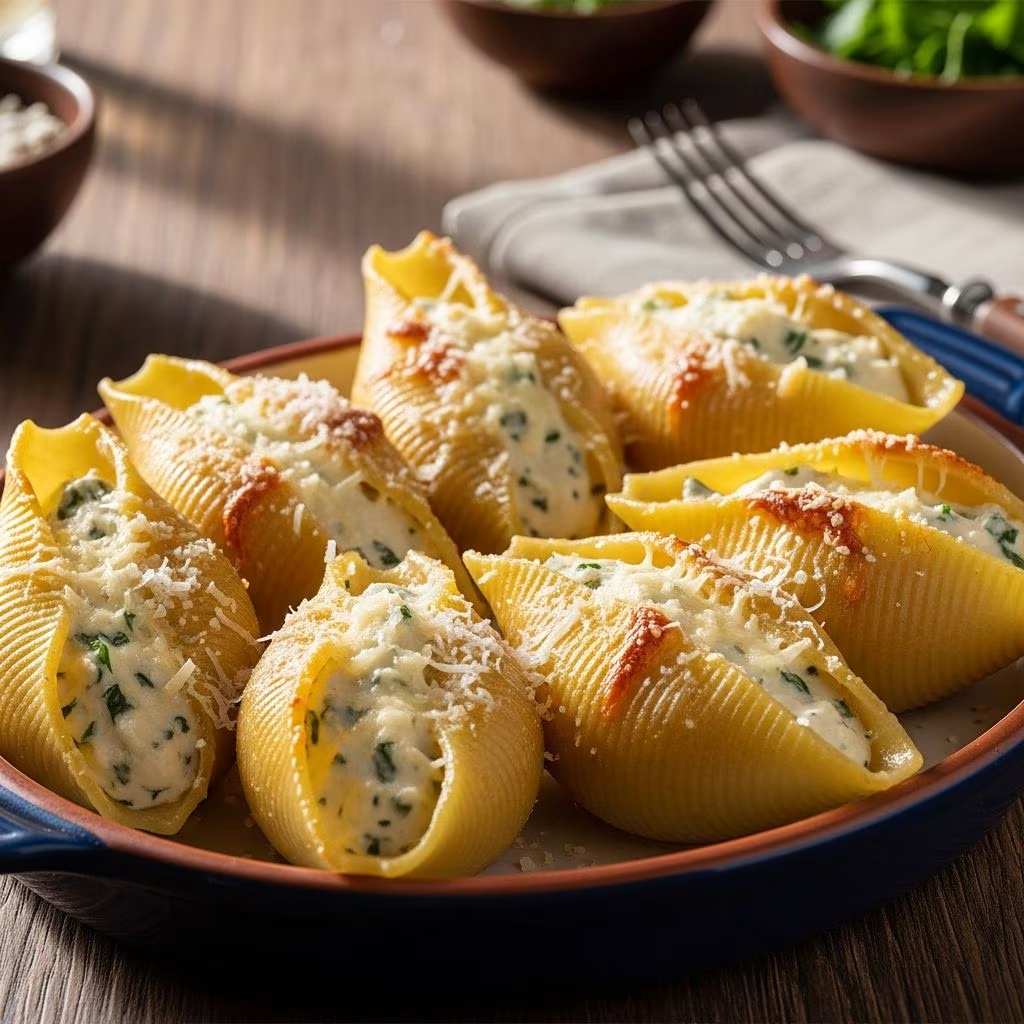
Stuffed pasta shells represent one of the most approachable yet impressive dishes you can prepare for family dinners or entertaining guests. This Italian-inspired preparation combines tender jumbo pasta shells with a luxurious filling of creamy cheeses, herbs, and seasonings, all brought together with a rich tomato-based sauce. The beauty of this dish lies in its simplicity—despite appearing sophisticated, the actual preparation requires only basic cooking techniques and readily available ingredients. Whether you’re a seasoned home cook or someone new to Italian cuisine, mastering this recipe will add a reliable crowd-pleaser to your culinary repertoire.
Understanding the Essential Components of This Dish
The foundation of exceptional stuffed pasta shells begins with understanding its three primary components and how each contributes to the final result. Each element plays a crucial role in creating the balance of flavors and textures that makes this dish so satisfying.
The Pasta Foundation
The selection of pasta shapes matters considerably when preparing this dish. Jumbo pasta shells, typically found in boxes labeled as such at most grocery stores, provide the ideal vessel for holding filling without breaking or becoming overly soft during the cooking process. These oversized shells measure roughly 2 inches in length, creating enough space to accommodate a generous amount of filling while remaining manageable to handle. When selecting your shells, choose dried pasta rather than fresh, as the thicker texture of dried shells withstands the baking process without deteriorating. The cooking method for these shells deserves attention—boiling them according to package directions until they reach an al dente state ensures they retain enough structural integrity to support the filling without becoming mushy or torn.
The Cheese-Based Filling
The filling represents the heart of this preparation, combining multiple cheese varieties to create depth and richness. Ricotta cheese serves as the primary base due to its mild flavor and creamy texture that spreads easily into each shell. This ingredient combines beautifully with mozzarella cheese, which adds a stretchy quality and mild tang, while Parmesan cheese contributes a sharp, slightly nutty flavor that prevents the filling from becoming one-dimensional. Most recipes call for approximately 15 ounces of ricotta cheese mixed with 2 to 3 cups of shredded mozzarella and half a cup of grated Parmesan. The addition of one egg acts as a binder, helping the filling maintain its structure and preventing it from becoming too loose during baking. Italian seasoning, garlic powder, and fresh herbs like basil or parsley round out the filling with aromatic complexity.
The Sauce Element
Marinara sauce—either homemade or store-bought—surrounds and protects the shells during baking while infusing them with tomato flavor. Approximately 3 cups of marinara sauce divided between the bottom layer and the top coating ensures every shell receives adequate sauce exposure. The sauce also prevents the shells from sticking together during the baking process and contributes moisture that keeps the finished dish moist rather than dry.
Gathering and Preparing Your Ingredients
Successful preparation begins before any cooking starts. Assembling ingredients and completing preliminary preparation steps creates a smooth workflow when you’re ready to begin mixing and filling.
Ingredient Checklist
- One 12-ounce box dried jumbo pasta shells
- One 24 to 28-ounce jar marinara sauce or homemade equivalent
- 16 ounces whole milk ricotta cheese
- 3 cups shredded mozzarella cheese, divided for layering
- ½ cup freshly grated Parmesan cheese
- One large egg
- Two teaspoons Italian seasoning
- One teaspoon garlic powder
- ½ teaspoon kosher salt
- ¼ teaspoon black pepper
- Optional: fresh basil or parsley for garnish
Preparation Strategy
Begin by preheating your oven to 375 degrees Fahrenheit and coating a 9-by-13-inch baking dish with cooking spray or light oil. This preparation prevents sticking and makes cleanup easier. While the oven reaches temperature, bring a large pot of salted water to a boil and add your pasta shells. Following the package directions, cook the shells until they bend slightly when pressed but still maintain firmness. Overcooking at this stage will result in shells that tear when filled. After cooking, drain the shells carefully in a colander and set them aside on a clean kitchen towel to prevent them from sticking together.
Creating the Cheese Filling Mixture
The filling preparation represents the most straightforward step in the entire process, requiring only a mixing bowl and basic stirring techniques.
Combining the Base Ingredients
In a large mixing bowl, combine the ricotta cheese, 1.5 cups of mozzarella cheese, Parmesan cheese, Italian seasoning, garlic powder, salt, and pepper. Using a wooden spoon or rubber spatula, stir these ingredients until they form a uniform mixture. This step typically requires less than two minutes of mixing. The filling should appear consistent throughout, with no visible pockets of unmixed cheese or seasoning.
Incorporating the Egg
In a separate small bowl, beat one large egg with a fork until the white and yolk are completely combined. Add this beaten egg to the cheese mixture and stir until fully incorporated. The egg disperses throughout the filling, creating a binding agent that prevents the cheese mixture from separating during the baking process. This step ensures each shell maintains a cohesive filling rather than having the cheeses separate from the moisture content.
Optional Flavor Enhancements
While the basic filling satisfies most preferences, you can customize this mixture to suit your taste. Fresh minced basil or parsley adds brightness and herbaceous notes. Lemon zest provides subtle citrus undertones that complement the cheeses without overpowering them. Red pepper flakes introduce gentle heat for those preferring spiced preparations. These additions should be stirred into the filling mixture just before you begin stuffing the shells to maintain their freshness and vibrancy.
The Filling and Assembly Process
Once your filling is prepared and your shells have cooled slightly, the assembly phase begins. This stage requires patience and attention but moves quickly once you establish a rhythm.
Filling Techniques
You have two primary methods for transferring the filling into each shell. The spoon method—using a small teaspoon or soup spoon—works effectively when you scoop approximately one tablespoon of filling and gently press it into each shell opening. This approach gives you precise control and works well for careful, meticulous filling. Alternatively, transferring your filling to a piping bag fitted with a large round tip allows you to squeeze filling directly into the shells, which accelerates the process considerably. Many home cooks find the piping bag method faster and less messy, though both techniques produce identical results. Regardless of your chosen method, fill each shell generously—they should appear full without bursting.
Creating the Base Layer
Spread approximately half of your marinara sauce evenly across the bottom of your prepared 9-by-13-inch baking dish. This layer prevents the shells from sticking and ensures sauce contact with the bottom of each shell. Arrange your filled shells in the baking dish, positioning them so they nestle against each other without overlapping. Most arrangements fit six shells across and four down, creating a neat grid pattern with 24 total shells per standard rectangular baking dish.
Adding the Top Layers
Once all shells are arranged, spoon the remaining marinara sauce over the tops, ensuring each shell receives a coating. The sauce should pool slightly between shells but not completely submerge them. Finally, sprinkle the remaining 1.5 cups of mozzarella cheese evenly across the surface. This top layer of cheese creates the attractive golden-brown crust that signals doneness and provides that satisfying melted cheese element that makes baked pasta dishes so appealing.
Baking and Achieving Perfect Results
The baking phase transforms your assembled components into a cohesive, bubbly finished dish through gentle heat application.
Baking Procedure
Place your assembled baking dish in the preheated 375-degree oven and bake for approximately 30 to 35 minutes. The shells are ready when the cheese on top melts completely and begins to turn golden brown in spots, and you observe sauce bubbling around the edges of the baking dish. This visual cue indicates that the filling has heated through and the dish has reached optimal serving temperature. If your oven runs hot or cold, adjust your timing accordingly, checking the dish around the 25-minute mark to monitor progress.
Post-Baking Rest Period
Remove the baking dish from the oven using oven mitts and allow it to rest for 5 to 10 minutes before serving. This resting period allows the cheese to set slightly and the filling to stabilize, making each shell easier to serve without collapsing. During this rest, you can prepare any accompaniments or finish your table setup.
Frequently Asked Questions About Preparing Stuffed Shells
- Can I prepare stuffed shells ahead of time?
- Yes, assembled stuffed shells refrigerate well for up to 24 hours before baking. Cover the baking dish tightly with plastic wrap or aluminum foil. When ready to bake, you may need to add 5 to 10 minutes to the baking time since the shells will start from a colder temperature.
- Is it possible to freeze prepared stuffed shells?
- Absolutely. Assemble your shells in a freezer-safe baking dish, cover tightly with plastic wrap, then overlay with aluminum foil. They freeze successfully for up to three months. Bake directly from frozen, adding approximately 20 additional minutes to the baking time.
- What should I serve alongside stuffed shells?
- A simple green salad with vinaigrette, garlic bread, roasted vegetables, or steamed broccoli complement this dish nicely. A light red wine or Italian sparkling wine pairs well with the tomato sauce and cheese.
- Can I substitute ingredients in the filling?
- Certainly. Fresh spinach adds nutrition and flavor. Ground cooked meats like Italian sausage or ground beef create heartier versions. Experiment with different cheese combinations, though ricotta should remain the base for proper texture.
- How do I prevent the shells from tearing during cooking?
- Cook shells only until they reach al dente—slightly firm with just a touch of give when bent. Undercooking slightly is preferable to overcooking, as the shells continue softening during the baking phase.
Serving and Storage Recommendations
Stuffed shells maintain their quality for several days when properly stored. Allow leftover portions to cool completely before transferring them to airtight containers and refrigerating for up to four days. Reheat individual portions by placing them in a microwave-safe dish, covering loosely with a damp paper towel, and heating for 1 to 2 minutes until warmed through. Alternatively, reheat portions in a 350-degree oven covered with foil for about 15 to 20 minutes. This gentle reheating prevents the cheese from becoming tough or developing hard edges.
Nutritional Information and Serving Size Context
A typical serving of this dish contains approximately 1,100 to 1,200 calories, with substantial protein from the cheese and egg. This calorie content reflects the rich cheese filling and sauce, making this dish quite satisfying in moderate portions. Most recipes yield six generous servings, making it suitable for family dinners or entertaining small groups. Each serving provides roughly 35 to 40 grams of protein and significant calcium from the multiple cheese varieties.
Elevating Your Preparation with Technique Refinements
Once you’ve mastered the basic preparation, several techniques can elevate your results. Toasting your pasta shells slightly after cooking in a hot, dry skillet adds subtle depth to their flavor. Creating homemade marinara sauce rather than using jarred versions allows you to control the sodium content and customize the sauce to your preferences. Using freshly grated Parmesan cheese rather than pre-shredded varieties creates a smoother, more cohesive filling that combines more seamlessly with the other ingredients. These refinements take minimal additional effort yet noticeably enhance the final dish.
References
- Classic Stuffed Shells Recipe — The Chunky Chef. Accessed April 2026. https://www.thechunkychef.com/classic-stuffed-shells-recipe/