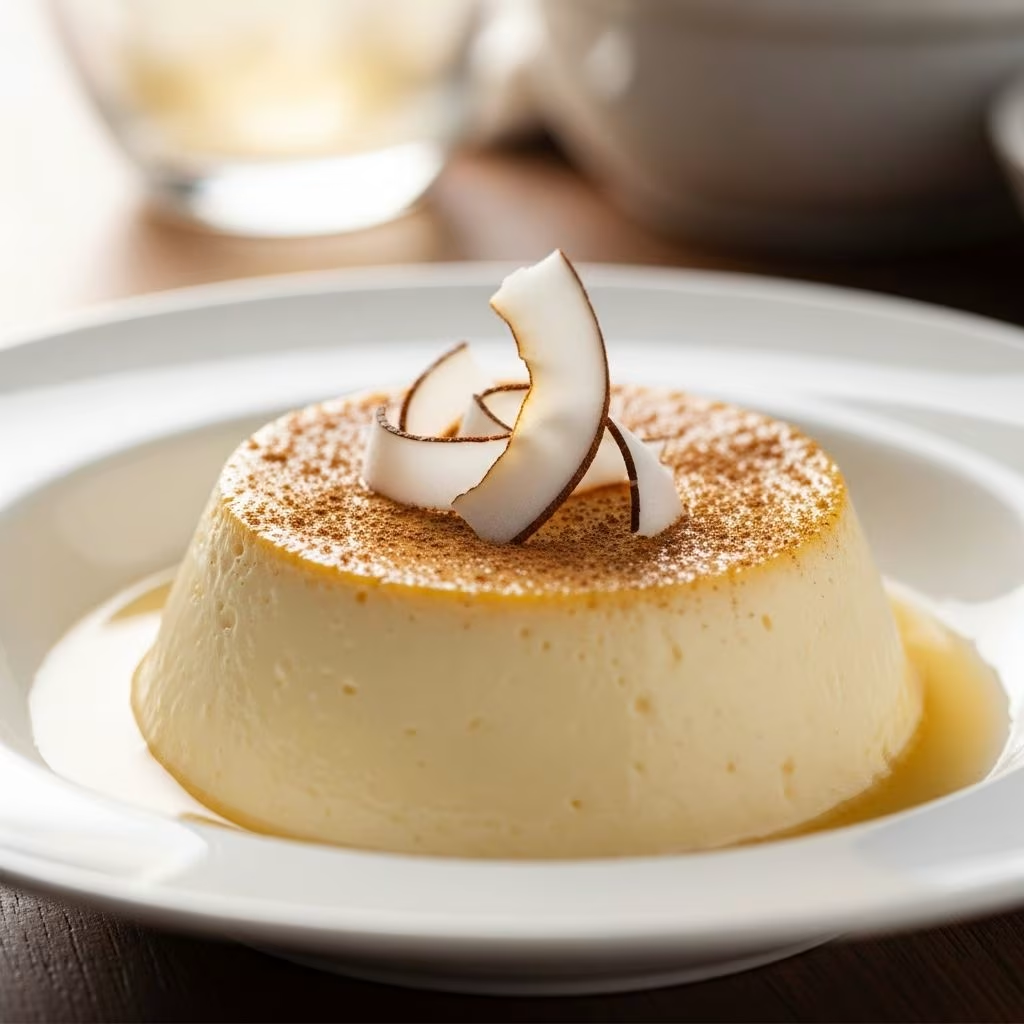
Tembleque represents one of Puerto Rico’s most cherished dessert traditions, a silky coconut custard that graces holiday tables and family celebrations throughout the Caribbean island. The name itself derives from the Spanish word “temblar,” meaning to tremble or shake, which perfectly describes the delicate, quivering texture of this elegant pudding when unmolded. This centuries-old recipe has been passed down through generations, carrying with it the warmth of Puerto Rican culinary heritage and the influence of Caribbean flavors that define island cooking.
Understanding the Essence of Tembleque
At its core, tembleque is a minimalist dessert that achieves maximum flavor through carefully selected ingredients and precise technique. The pudding combines the richness of coconut milk with the subtle earthiness of cornstarch, creating a custard-like consistency that wobbles gently on the plate. Unlike heavier desserts, tembleque offers a light yet satisfying conclusion to meals, making it particularly popular during festive seasons when multiple courses demand balance and restraint.
The dessert’s cultural significance extends beyond its taste. Tembleque serves as a connector to Puerto Rican identity, representing the island’s agricultural traditions and the historical importance of coconut cultivation. Families often prepare this treat during Christmas celebrations, Easter gatherings, and special occasions, infusing each batch with personal touches that reflect individual family preferences and regional variations.
Essential Components for Authentic Preparation
Creating exceptional tembleque begins with understanding each ingredient’s role in the final product. The foundational components are few but critical to achieving the proper texture and flavor profile.
Coconut Milk Foundation
Full-fat, unsweetened coconut milk forms the backbone of tembleque, providing the characteristic richness and coconut flavor that defines this dessert. Most recipes call for between one to four cans of coconut milk, depending on desired consistency and serving size. Full-fat varieties deliver superior body and creaminess compared to reduced-fat alternatives, as the higher fat content contributes to the smooth, luxurious mouthfeel that distinguishes authentic tembleque from inferior versions.
The type of coconut milk used significantly impacts the final result. Canned coconut milk offers convenience and consistency, though some traditional preparations utilize fresh coconut milk extracted from whole coconuts. When selecting canned varieties, shake the container well before measuring to ensure even distribution of the coconut solids and liquid that naturally separate during storage.
Cornstarch as Thickening Agent
Cornstarch performs the essential function of transforming liquid coconut milk into a custard-like pudding with the proper jiggly consistency. This thickening agent requires careful incorporation to prevent lumping, which occurs when cornstarch encounters hot liquid without proper preparation. The amount of cornstarch directly influences final texture; less cornstarch produces a creamier, pourable consistency, while higher quantities create a firmer pudding that holds its shape more definitively when unmolded.
Sweetness and Seasoning Balance
Granulated sugar provides sweetness without overpowering the delicate coconut flavor, typically ranging from one-third to two-thirds cup depending on personal preference and coconut milk sweetness. Beyond sugar, salt plays a crucial supporting role, enhancing coconut flavor and preventing the dessert from becoming cloying. Ground cinnamon serves as the signature spice, offering warmth and complexity that complements coconut’s mild sweetness perfectly.
Many traditional recipes incorporate additional flavor elements such as vanilla extract, cinnamon sticks, lime zest, star anise, cloves, ginger, and nutmeg. These aromatic additions create depth and sophistication, transforming a simple pudding into a multi-dimensional dessert experience. Some preparations infuse these spices into the coconut milk during cooking, while others add them selectively for more controlled flavor development.
The Preparation Process Demystified
Successful tembleque preparation follows a logical sequence that ensures smooth texture and proper consistency development. Understanding each stage prevents common pitfalls that can compromise the final product.
Initial Mixture Assembly
The process begins by combining dry ingredients—sugar, cornstarch, and salt—in a cold saucepan before introducing any liquid. This crucial step prevents lumping and ensures uniform distribution of thickening agents throughout the mixture. Whisking these dry components together creates a homogeneous base that accepts liquid smoothly without forming stubborn clumps that resist incorporation.
Once dry ingredients are well combined, gradually introduce cold or room-temperature coconut milk while whisking continuously. Adding liquid slowly allows the cornstarch molecules to suspend evenly throughout the coconut milk, creating a smooth slurry rather than a lumpy paste. Many cooks recommend dissolving cornstarch in approximately one-third of the coconut milk before adding the remaining liquid, further ensuring a silky consistency.
The Cooking Phase
With the mixture prepared, transfer the saucepan to medium or medium-high heat. Whisking should continue constantly during this phase to prevent settling and ensure even heat distribution. The mixture will initially appear thin and unremarkable, but gradually transforms as heating progresses.
The key is recognizing when the mixture reaches boiling point and continues cooking for the appropriate duration. Most recipes recommend cooking until the mixture reaches a gentle boil, then maintaining this state while stirring for approximately five minutes. The pudding will visibly thicken during this time, developing a consistency resembling mayonnaise or thick pudding when thin ribbons fall from the whisk.
Throughout cooking, pay special attention to the pan’s sides and bottom, where heat concentrates and thickening accelerates. Continuous stirring prevents sticking and ensures even texture development. The mixture will gradually transition from a pourable liquid to a dense, glossy custard that coats the spoon.
Infusing Aromatic Elements
For recipes incorporating whole spices and citrus elements, the infusion process occurs during the cooking phase. After initial heating of coconut milk with spices for approximately two minutes, remove whole spices using a slotted spoon before adding the cornstarch slurry. This technique prevents spice particles from interfering with the smooth final texture while maximizing flavor extraction.
Some preparations recommend adding vanilla extract at specific moments—either during the initial mixture assembly or after cooking completes but while the pudding remains warm. Timing affects vanilla’s flavor intensity; earlier addition results in subtle background notes, while later addition provides more pronounced vanilla presence.
Molding and Chilling Techniques
After cooking completes, the tembleque must be transferred to molds and chilled for complete setting. This stage allows the pudding to firm up while retaining its signature quivering texture.
Pour the hot tembleque carefully into prepared molds, whether traditional square pans, individual ramekins, or decorative silicone molds. If using molds with water baths—a technique that facilitates unmolding—pour hot water around the mold to create a barrier that prevents sticking. Greased molds without water baths should be filled carefully to ensure even distribution.
Refrigeration duration significantly affects final texture. Most recipes recommend chilling for at least one to two hours, though four hours ensures complete setting and optimal texture development. The cooling process allows cornstarch molecules to fully hydrate and form the gel structure that creates tembleque’s characteristic wobble.
Once chilled, run a thin knife around the mold’s perimeter to loosen the pudding, then invert onto a serving plate. The finished tembleque should slide out smoothly, retaining its molded shape while demonstrating slight jiggle when the plate is moved. Dust generously with ground cinnamon immediately before serving for visual appeal and flavor enhancement.
Troubleshooting Common Issues
Even experienced cooks occasionally encounter challenges when preparing tembleque. Understanding solutions prevents disappointing results.
Lumpy Texture: This common problem results from adding cornstarch to hot liquid or insufficient whisking during incorporation. Always dissolve cornstarch in cold coconut milk and whisk thoroughly. If lumps develop, strain the mixture through a fine-mesh sieve before pouring into molds.
Overly Thick or Rubbery Consistency: Excessive cornstarch or overcooking produces an undesirable texture. Reduce cornstarch quantity in future batches or cook for slightly shorter durations. Remember that tembleque continues thickening as it cools.
Insufficient Firmness: Pudding that remains too soft or pourable typically indicates inadequate cornstarch or insufficient cooking time. Increase cornstarch gradually in subsequent attempts, or extend cooking duration by one to two minutes.
Difficulty Unmolding: Ensure proper greasing or water bath preparation before pouring. Run a warm knife around the mold’s perimeter and dip the mold’s exterior briefly in hot water to loosen stubborn puddings.
Flavor Variations and Creative Adaptations
While traditional tembleque maintains specific flavor profiles, creative variations allow personalization while honoring the dessert’s heritage. Some cooks incorporate coconut extract for intensified coconut flavor, while others experiment with almond or rum extracts for sophisticated complexity.
Citrus variations feature prominent lime or orange zest, adding brightness that contrasts beautifully with coconut’s richness. Spice enthusiasts increase cinnamon quantities or incorporate cardamom, nutmeg, or cloves for warming depth. Some preparations include shredded toasted coconut as garnish, adding textural interest and visual appeal.
Serving Suggestions and Presentation
Tembleque shines when presented thoughtfully, allowing its delicate nature and appealing appearance to impress guests. Unmold the pudding onto white or neutral-colored plates that showcase the creamy custard’s color. The generous cinnamon dust should create an inviting visual contrast.
Serve tembleque as the final course following substantial meals, allowing its light nature to provide satisfying closure without overwhelming satiated palates. Temperature matters—chilled tembleque offers the most appealing texture and flavor, though some traditional preparations serve at cool room temperature.
Storage and Make-Ahead Considerations
Properly stored tembleque maintains quality for several days, making it excellent for advance preparation before gatherings. Keep unmolded pudding in airtight containers in the refrigerator for up to three days. Some cooks prefer leaving tembleque molded until serving time, which reduces oxidation and maintains moisture.
The pudding does not freeze successfully, as freezing disrupts the delicate gel structure that creates the signature texture. Plan accordingly and prepare tembleque no more than three days before serving.
Historical Context and Cultural Significance
Tembleque’s origins trace to Puerto Rico’s agricultural traditions and Spanish culinary influences, representing centuries of cultural synthesis. The dessert emerged during colonial periods when coconut cultivation became central to Caribbean island economies. What began as practical use of abundant coconut harvests evolved into a beloved tradition expressing Puerto Rican identity and family values.
Today, tembleque remains integral to Puerto Rican festive celebrations, particularly Christmas gatherings where families prepare batches following cherished recipes passed through generations. Each family often maintains distinctive variations reflecting regional traditions and personal preferences, yet all honor the dessert’s essential character and significance.
Frequently Asked Questions
Can tembleque be prepared without cornstarch?
Cornstarch is essential for achieving tembleque’s characteristic texture. No suitable substitute provides identical results, though potato starch offers the closest alternative in similar quantities.
What type of molds produces the best results?
Individual ramekins, silicone molds, or square pans all work effectively. Choose based on desired portion size and aesthetic preferences. Silicone molds offer easiest unmolding, while ceramic ramekins provide traditional presentation.
How can the pudding be made less thick?
Reduce cornstarch quantity or increase coconut milk proportionally. Experiment with incremental adjustments to achieve preferred consistency, as slight variations significantly impact final texture.
Is full-fat coconut milk necessary?
Full-fat varieties deliver superior body and mouthfeel. Reduced-fat coconut milk produces acceptable though noticeably less creamy results.
References
- Tembleque (Puerto Rican Coconut Pudding) — Baking Hermann. https://bakinghermann.com/tembleque-puerto-rican-coconut-pudding/
- Tembleque – Puerto Rican Coconut Pudding — Kitchen Gidget. https://www.kitchengidget.com/2019/11/10/tembleque/
- Tembleque (Coconut Pudding from Puerto Rico) — Sense & Edibility. https://senseandedibility.com/tembleque-coconut-pudding-from-puerto-rico/
- Tembleque (Puerto Rican Coconut Pudding) — Fab Everyday. https://fabeveryday.com/2022/11/tembleque-puerto-rican-coconut-pudding.html
- Tembleque – Puerto Rican Coconut Pudding — Nata Knows Best. https://www.nataknowsbest.com/puerto-rican-tembleque/