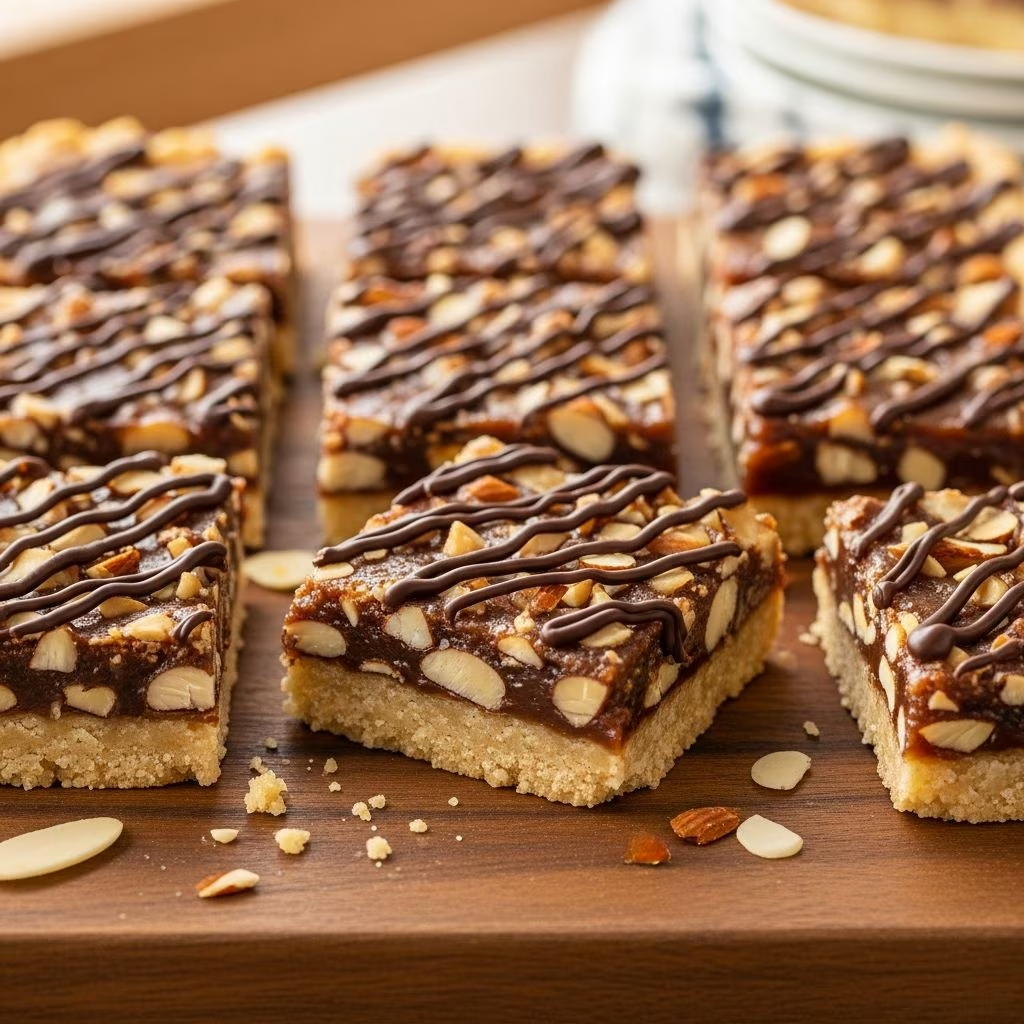
Buttercrunch cookie bars represent a beloved category of baked confections that combine the satisfying texture of a traditional cookie with the addictive flavor of toffee candy. These delightful squares have earned their place in dessert collections across households, appearing at holiday gatherings, potlucks, and casual family dinners. The beauty of this recipe lies in its accessibility—requiring straightforward ingredients that most home bakers already have on hand, paired with a baking process that doesn’t demand advanced techniques.
The appeal of buttercrunch cookie bars extends beyond their delicious taste. They offer an excellent introduction to toffee-based baking for novice cooks while providing enough depth of flavor to satisfy experienced bakers seeking nostalgia or comfort. Whether you’re searching for a gift-worthy treat or a simple dessert to satisfy afternoon cravings, these cookies deliver consistent, impressive results.
Understanding the Key Ingredients
The foundation of exceptional buttercrunch cookie bars begins with understanding each ingredient’s role in the final product. Rather than treating ingredients as mere measurements, recognizing how they interact creates a more informed baking experience.
Fats and Flavor Builders
Unsalted butter serves as the primary fat, providing both structure and richness. Allowing butter to reach room temperature before mixing ensures proper incorporation with sugars, creating the light, fluffy texture that defines quality cookie bars. Some variations incorporate brown butter—butter heated until milk solids develop a nutty character—adding complexity that distinguishes elevated versions from basic recipes.
Light corn syrup contributes subtle sweetness and moisture retention properties that prevent the finished bars from becoming overly dry during storage. This ingredient works synergistically with butter to create a tender crumb structure while enhancing shelf life.
Sweeteners and Structure
A combination of light brown sugar and granulated sugar creates layers of flavor and affects texture differently. Brown sugar, containing molasses, introduces deeper caramel notes and contributes to chewiness. Granulated sugar promotes spread and crispness at the edges. Balancing both yields the ideal result: crispy exterior with a tender, chewy center.
Binding and Rising Agents
Eggs provide binding properties essential for holding dry ingredients together while adding moisture. Baking soda acts as a leavening agent, creating the slight rise that prevents dense, compact bars. Cornstarch, often overlooked in simple recipes, actually plays a crucial role. This starch interferes with gluten development, promoting a more tender, less chewy texture than flour alone would provide.
The Star Ingredient: Toffee
Toffee bits represent the signature component that elevates these bars from ordinary cookies to exceptional treats. These caramelized candy pieces deliver bursts of butterscotch flavor throughout each bite. High-quality toffee bits maintain their integrity during baking rather than melting completely, ensuring that appealing texture contrast between cookie and candy.
Ingredient Assembly and Preparation Strategy
Success begins before you start mixing. Assembling ingredients according to their function streamlines the baking process and prevents forgotten components.
- Wet ingredients: Softened butter, both sugar varieties, eggs, vanilla extract, and almond extract
- Dry ingredients: All-purpose flour, baking soda, salt, and cornstarch
- Mix-ins: Toffee bits, reserved for final incorporation
Taking time to measure ingredients accurately ensures consistency. Using a kitchen scale rather than volume measurements reduces variables that could affect results. Pre-sifting flour eliminates lumps and aerates the powder, promoting even distribution throughout the dough.
Mixing Method and Technique Fundamentals
Creating the Base
Beginning with butter and sugars, beat these ingredients for approximately two to three minutes until the mixture becomes pale and fluffy. This process, called creaming, incorporates air into the mixture, creating lift in the finished bars. The transformation is visible—the mixture evolves from dense and separated to light and cohesive.
After creaming butter and sugars, vanilla and almond extracts are added. These flavorings distribute evenly through the fat phase, ensuring consistent taste throughout the batch. Almond extract imparts a subtle, distinctive note that distinguishes these bars from basic toffee cookies.
Incorporating Eggs
Eggs are added individually rather than all at once. This approach allows each egg to fully incorporate before the next addition, creating a smooth, emulsified base. Mixing should continue on low speed to prevent deflating the air bubbles established during the creaming phase.
Bringing Wet and Dry Together
The critical transition from wet to dry ingredients requires attention. Dry ingredients should be combined in a separate bowl before introduction to the wet mixture. Adding them gradually—approximately half-cup increments—while mixing on low speed prevents overmixing, which develops gluten and results in tough bars rather than tender ones.
Final Mix-In
Toffee bits enter last, folded in with minimal mixing. Overworking the dough at this stage risks breaking the candy pieces and distributing them unevenly. A gentle hand ensures they remain intact and visible throughout the finished product.
Oven Preparation and Baking Fundamentals
Temperature control separates successful batches from disappointing outcomes. Preheating the oven to 325°F allows the bars to bake evenly throughout. This moderate temperature prevents the edges from burning before the centers fully develop, common problems when using higher heat.
Lining the baking sheet with parchment paper serves multiple purposes: preventing sticking, enabling easy removal, and simplifying cleanup. Spacing dough portions approximately two inches apart allows heat circulation and prevents neighboring bars from merging during baking.
Baking typically requires 12 to 14 minutes. The finished bars should display golden-brown edges while the centers remain slightly underbaked—they’ll continue cooking slightly during cooling from residual heat. Removing them too early results in fragile bars that crumble; leaving them too long produces dry, hard centers.
Allowing bars to cool on the baking sheet for five minutes before transferring to a wire rack prevents crumbling. The residual heat firms the structure enough for safe handling while the cooling rack allows air circulation underneath, preventing the bottoms from becoming soggy.
Storage, Serving, and Flavor Development
Freshly baked buttercrunch cookie bars reach peak flavor after cooling completely. Storing them in an airtight container with parchment between layers preserves texture and prevents moisture migration. These bars maintain quality for up to one week at room temperature.
Interestingly, flavors intensify slightly after 24 hours as ingredients meld together. The almond and vanilla notes become more pronounced, and the toffee flavor deepens. This aging actually improves the eating experience compared to consuming bars immediately after baking.
Troubleshooting Common Baking Challenges
| Issue | Likely Cause | Solution |
|---|---|---|
| Bars spread too thin | Butter temperature too warm or insufficient flour | Ensure butter is softened but not melted; verify flour measurement accuracy |
| Dense, heavy texture | Overmixing or insufficient creaming | Mix only until combined; cream butter and sugar thoroughly initially |
| Burnt edges, raw center | Oven temperature too high | Use oven thermometer; adjust temperature downward if needed |
| Dry, crumbly bars | Overbaking or excessive flour | Reduce baking time by 1-2 minutes; use scale for flour measurement |
| Toffee bits melting completely | Lower-quality bits or excessive baking time | Use premium-quality toffee bits; reduce baking time slightly |
Creative Variations and Adaptations
While the classic recipe stands on its own merit, variations accommodate different preferences and dietary considerations. Replacing almond extract with other flavorings—such as coffee extract or maple extract—creates distinct taste profiles. Adding chopped nuts directly into the dough provides textural contrast.
Some bakers prepare homemade toffee rather than using commercially prepared bits. This approach requires carefully heating butter and sugar to precise temperatures, creating a richer, more customized toffee that melts slightly into the bars during baking, creating pockets of intense butterscotch flavor.
For chocolate lovers, adding melted chocolate to the top of cooled bars creates an elegant finishing touch. Sprinkling additional toffee bits on top before baking creates an extra-indulgent texture for those who can’t get enough of this defining ingredient.
Equipment Recommendations
- Stand mixer or hand mixer: Essential for proper creaming and dough development
- Digital scale: Improves accuracy compared to volume measurements
- Oven thermometer: Ensures accurate baking temperature
- Wire cooling rack: Prevents soggy bottoms and ensures even cooling
- Parchment paper: Prevents sticking and enables easy removal
- Cookie scoop: Creates uniform bar sizes for consistent baking
- Sieve: Aerates flour and combines dry ingredients evenly
Frequently Asked Questions
Can I freeze buttercrunch cookie bar dough?
Yes, prepared dough freezes well for up to three months. Scoop the dough onto a baking sheet, freeze until solid, then transfer to freezer bags. Bake directly from frozen, adding 2-3 minutes to the baking time.
How should I adjust baking time for altitude changes?
At higher altitudes, increase oven temperature by 15-25°F and reduce baking soda slightly to prevent over-rising. Decrease liquid ingredients if the batter seems too thin. Consulting altitude-specific baking guides provides more precise adjustments.
What’s the difference between toffee bits and baking bits?
Toffee bits typically contain both butter and sugar caramelized together, while some “baking bits” may include additional binding ingredients for stability. Premium toffee bits maintain better texture during baking than lesser-quality substitutes.
Can dairy-free butter substitute work in this recipe?
Most dairy-free butter substitutes work adequately, though results may differ slightly in texture and browning. Choosing high-fat substitutes formulated for baking produces the most reliable outcomes.
Why does the recipe include both brown and granulated sugar?
Brown sugar contributes moisture and molasses flavor, promoting chewiness, while granulated sugar encourages spread and crispness. Using both creates the ideal texture balance—crispy edges with tender centers.
Final Thoughts on Baking Success
Buttercrunch cookie bars exemplify how simple ingredients combine through proper technique to create memorable desserts. Their straightforward preparation process makes them accessible to beginners while offering nuanced flavor satisfaction for experienced bakers. Whether serving them at gatherings, packing them as gifts, or enjoying them as personal indulgences, these bars deliver consistent enjoyment.
The key to baking success lies in approaching the process deliberately: measuring accurately, following instructions carefully, and understanding the role each ingredient plays. These practices transform a basic recipe into exceptional results that consistently impress friends and family.
References
- Food Standards and Safety Authority — United Kingdom Food Standards Agency. 2024. https://www.food.gov.uk/