Tamagoyaki, the iconic Japanese rolled omelette, represents far more than a simple breakfast dish. This carefully crafted preparation demonstrates precision, patience, and an understanding of heat control that Japanese home cooks have perfected over generations. Whether you encounter it as a delicate component of a bento box, a sushi restaurant staple, or a standalone meal, tamagoyaki showcases the Japanese culinary philosophy of transforming humble ingredients into something remarkable through technique and attention to detail.
Understanding the Foundation: What Makes Tamagoyaki Distinctive
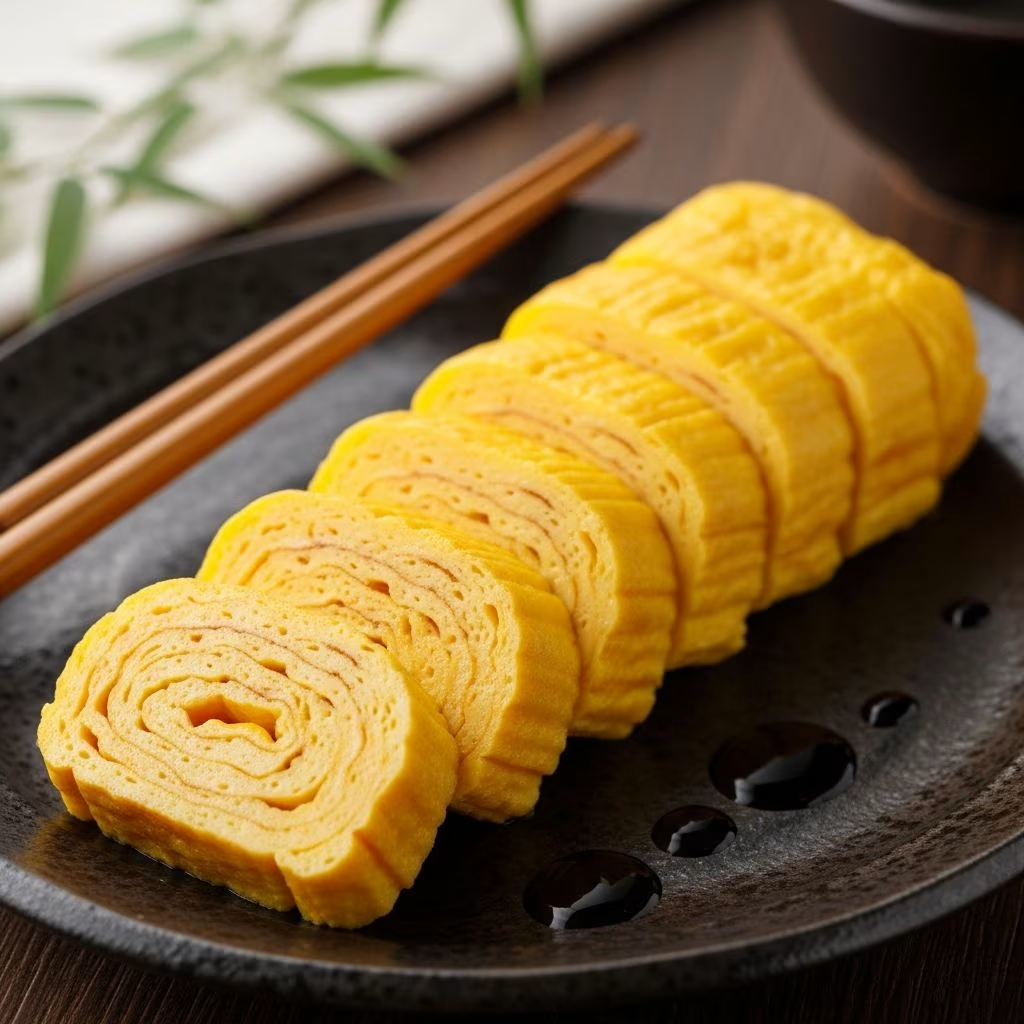
Tamagoyaki differs fundamentally from Western omelettes in both construction and philosophy. Rather than folding ingredients into a single layer of cooked egg, tamagoyaki builds itself through successive layers, each carefully rolled before the next begins cooking. This methodical approach creates a visually striking spiral pattern when sliced and delivers a tender, delicate texture that proves nearly impossible to achieve through conventional omelette-making techniques.
The name itself—tamagoyaki, meaning “grilled egg”—hints at its preparation method. The traditional rectangular tamagoyaki pan, though specialized, isn’t strictly necessary; however, its specific dimensions and proportions make the rolling process considerably more manageable. The pan’s shallow sides and flat bottom create an ideal environment for managing multiple thin layers without compromising the developing roll.
Essential Equipment and Ingredient Selection
Creating authentic tamagoyaki requires attention to both tools and components. The most important consideration involves choosing the right cooking vessel.
Choosing Your Cooking Pan
Traditional rectangular tamagoyaki pans, typically measuring 7×4 inches or 8×4 inches, represent the ideal choice for several reasons. Their rectangular shape allows for efficient rolling from one end to the other, and their shallow depth prevents excess egg from overwhelming the layers. Non-stick coating proves essential, as it prevents sticking without requiring excessive oil. If you lack a dedicated tamagoyaki pan, a standard 8-inch square non-stick skillet serves as an acceptable alternative, though adjustments to technique become necessary.
Understanding Your Ingredient Options
The ingredient list for tamagoyaki varies considerably depending on tradition and preference. Basic preparations require only eggs, salt, and oil. Enhanced versions incorporate sugar for subtle sweetness, soy sauce for umami depth, and dashi stock—a fundamental Japanese broth made from kombu kelp and bonito flakes—for added complexity.
Some cooks omit dashi entirely, preferring the pure egg flavor with minimal seasoning. Others create sweeter versions popular in certain regions of Japan. Modern interpretations introduce fillings like smoked salmon, cheese, spinach, or cooked vegetables, though these variations depart from classical preparation methods.
Preparation Methods: From Stovetop to Oven
The Traditional Pan Method
The conventional stovetop technique remains the most respected approach to tamagoyaki preparation. This method demands active engagement throughout the cooking process, as each layer requires individual attention and precise timing.
Temperature Control Fundamentals: The most critical aspect of successful pan-based tamagoyaki involves maintaining appropriate heat throughout the cooking process. Many experienced cooks deliberately lift the pan away from direct heat rather than adjusting burner settings, allowing for more nuanced temperature management. This technique prevents excessive browning while ensuring the egg sets adequately at each stage.
The Layering Process: The process begins with a thin layer of egg mixture—roughly one-quarter of the total—poured into the prepared pan. As this layer begins setting, air bubbles must be popped to ensure even cooking. Once the bottom firms while the top remains slightly runny, rolling commences from the far edge toward the near edge, creating the foundation of your final roll.
Subsequent layers follow an identical pattern: light oiling of the pan, pouring the remaining egg mixture around the existing roll, allowing partial setting, and then rolling the entire assembly together. By the final layer, the tamagoyaki has grown into a substantial log that requires careful handling.
Finishing Techniques: After the final roll, many cooks press the tamagoyaki gently against the pan’s sides to establish a rectangular cross-section. Some prefer wrapping the still-warm tamagoyaki in a bamboo sushi mat to reinforce its shape as it cools. This optional step helps set the final form and adds visual appeal when sliced.
The Modern Oven Approach
Contemporary cooking has introduced an alternative method using conventional ovens, making tamagoyaki accessible to cooks uncomfortable with the precision demands of stovetop preparation. This technique produces a distinctly different texture—often fluffier and more uniform—while eliminating the need for constant monitoring.
Oven-prepared tamagoyaki involves beating eggs thoroughly and straining the mixture through a fine sieve to ensure smoothness. The strained mixture is then poured into a heat-resistant dish lined with parchment paper, seasoned according to preference, and covered with aluminum foil. Baking at moderate temperature with steam creates gentle, even cooking that produces remarkably smooth results with minimal intervention required from the cook.
Flavor Foundations: Building Your Seasoning Profile
The decision regarding flavoring fundamentally shapes the final dish’s character and determines its best serving applications.
| Flavor Profile | Key Components | Best Uses |
|---|---|---|
| Plain & Simple | Eggs, minimal salt, oil | Bento boxes, standalone breakfast |
| Savory with Umami | Eggs, soy sauce, dashi stock | Sushi restaurant style, fancy bento |
| Subtly Sweet | Eggs, sugar, mirin (sweet rice wine) | Traditional Japanese home cooking |
| Complex & Balanced | All elements combined thoughtfully | Premium presentations, special occasions |
The relationship between seasoning components matters significantly. Sugar should complement rather than dominate, creating subtle sweetness rather than obvious sweetness. Dashi stock, when included, should enhance the egg’s natural flavor without overpowering it. Soy sauce adds depth but requires careful measurement to avoid excessive salt.
Common Challenges and Strategic Solutions
Even experienced cooks encounter difficulties when preparing tamagoyaki. Understanding typical problems and their remedies accelerates your learning curve considerably.
- Sticking to the Pan: This stems from inadequate oiling or insufficient heat. Apply oil generously with each new layer, using a paper towel to spread it evenly. Test pan temperature with chopsticks dipped in egg mixture—proper readiness produces immediate sizzling.
- Uneven Cooking Between Layers: Temperature fluctuations cause this issue. Lifting the pan rather than adjusting heat provides better control. Ensure consistent oil coverage before each new egg portion.
- Difficulty Rolling: Over-cooked layers become brittle and crack when rolled. Aim for a stage where the bottom has set while the top remains slightly soft and tender. Using a spatula rather than chopsticks can provide better mechanical advantage for challenging rolls.
- Overly Brown Exterior: This indicates excessive heat application. Lower your flame or increase the height between pan and heat source. The exterior should develop a pale golden color, not deep browning.
- Dense, Heavy Texture: Over-whisking the eggs and insufficient air incorporation cause this result. Whisk eggs gently until just combined, leaving slight variations in yolk and white visibility that prevent over-oxidation.
Serving Suggestions and Culinary Integration
Tamagoyaki’s versatility extends beyond its traditional bento box context. The way you prepare and serve it should align with your intended application.
For bento presentations, cut tamagoyaki into rectangular pieces roughly one-half inch thick, arranging them on a bed of rice or alongside vegetables. The neutral flavor profile complements various accompaniments without competing for attention. Traditional soy sauce and a small amount of grated daikon radish provide classic finishing touches that enhance rather than mask the egg’s delicate character.
When serving as a standalone main course, tamagoyaki benefits from carefully chosen condiments. Light soy sauce, ponzu sauce—a citrus-based condiment—or a simple mixture of soy sauce and mirin create complementary flavor bridges. Some cooks serve it warm immediately after cooking, while others prefer it at room temperature or even chilled, each temperature affecting perceived flavor and texture qualities.
Customization and Modern Interpretations
While classical tamagoyaki maintains its integrity through purity and precision, contemporary cooks have developed thoughtful variations that respect tradition while embracing innovation. These interpretations introduce filling ingredients between layers or incorporate additional flavoring elements that transform the basic preparation into something distinctly personal.
Cheese additions create creamier texture and richer flavor profiles suitable for non-traditional presentations. Smoked salmon introduces sophistication perfect for brunch applications. Herbs like chives or shiso leaves add aromatic dimensions that elevate the basic egg preparation into something more complex and memorable. Cooked vegetables—spinach, mushrooms, or peppers—incorporate nutrition and visual interest while maintaining the rolling methodology that defines tamagoyaki.
Frequently Asked Questions
Can I prepare tamagoyaki in advance?
Yes, tamagoyaki keeps well when properly stored. Wrap cooled tamagoyaki tightly in plastic wrap and refrigerate for up to three days. For longer storage, freeze up to one month. Reheat gently in a microwave or warm skillet before serving to restore optimal texture.
What is the significance of the rectangular shape?
The rectangular form serves both practical and aesthetic purposes. Practically, it results naturally from the pan’s design and rolling methodology. Aesthetically, it creates uniform portions and visually appeals when sliced to reveal the interior layers, making it particularly suitable for bento box presentation.
Must I use a specialized tamagoyaki pan?
While dedicated tamagoyaki pans optimize the cooking process, acceptable results emerge from standard square or rectangular non-stick skillets. Technique adjustments become necessary—rolling becomes more challenging with larger pan diameters—but the core methodology remains valid.
How do I know when each egg layer has cooked sufficiently?
The ideal moment for rolling arrives when the bottom of the egg layer has set completely while the top surface remains slightly soft and runny. This stage, typically five to ten seconds into cooking depending on heat intensity, allows the new layer to fuse with the existing roll while remaining tender.
Is dashi truly necessary for authentic tamagoyaki?
Dashi adds complexity and traditional flavor, but its inclusion remains optional. Many respected recipes omit it entirely, relying on simple egg seasoning. Your choice depends on available ingredients, personal preference, and desired flavor profile rather than authenticity concerns.
Developing Proficiency Through Practice
Mastering tamagoyaki requires patience, repetition, and willingness to learn from imperfect attempts. Your first efforts may appear irregular or incompletely cooked, but each attempt builds understanding of how heat responds to your pan, how quickly eggs set in your kitchen, and how your hands naturally execute the rolling motion.
Document what works through your experiments—specific heat settings, oiling frequency, egg mixture consistency. These personal observations prove more valuable than generic instructions, as they account for variables unique to your cooking environment. Within a few attempts, the process becomes intuitive, almost meditative in its rhythmic repetition of layering and rolling.
The beauty of tamagoyaki lies not merely in the final product but in the disciplined technique required to achieve it. This preparation exemplifies how Japanese culinary traditions transform simple ingredients into something extraordinary through focused attention and refined methodology. Whether you’re preparing tamagoyaki for daily sustenance or special occasions, approaching it with respect for its traditions while remaining open to personal interpretation creates the opportunity to develop a dish that becomes distinctly yours.
References
- Classic Tamagoyaki (Japanese Rolled Omelette) — Just One Cookbook. Retrieved from https://www.justonecookbook.com/tamagoyaki/
- Tamagoyaki (Japanese Rolled Omelet) — Vermicular US. Retrieved from https://www.vermicular.us/recipes/tamagoyaki
- No Pan Needed! The Easiest Way to Make Perfect Japanese Rolled Omelette — SAMUKICHI Japan Food Studio. YouTube. Retrieved from https://www.youtube.com/watch?v=U21GQ0Xgx_0
- Easy Tamagoyaki (Japanese Rolled Omelet with Melty Fillings) — Eyes and Hour. Retrieved from https://www.eyesandhour.com/japanese-eggs-tamagoyaki/