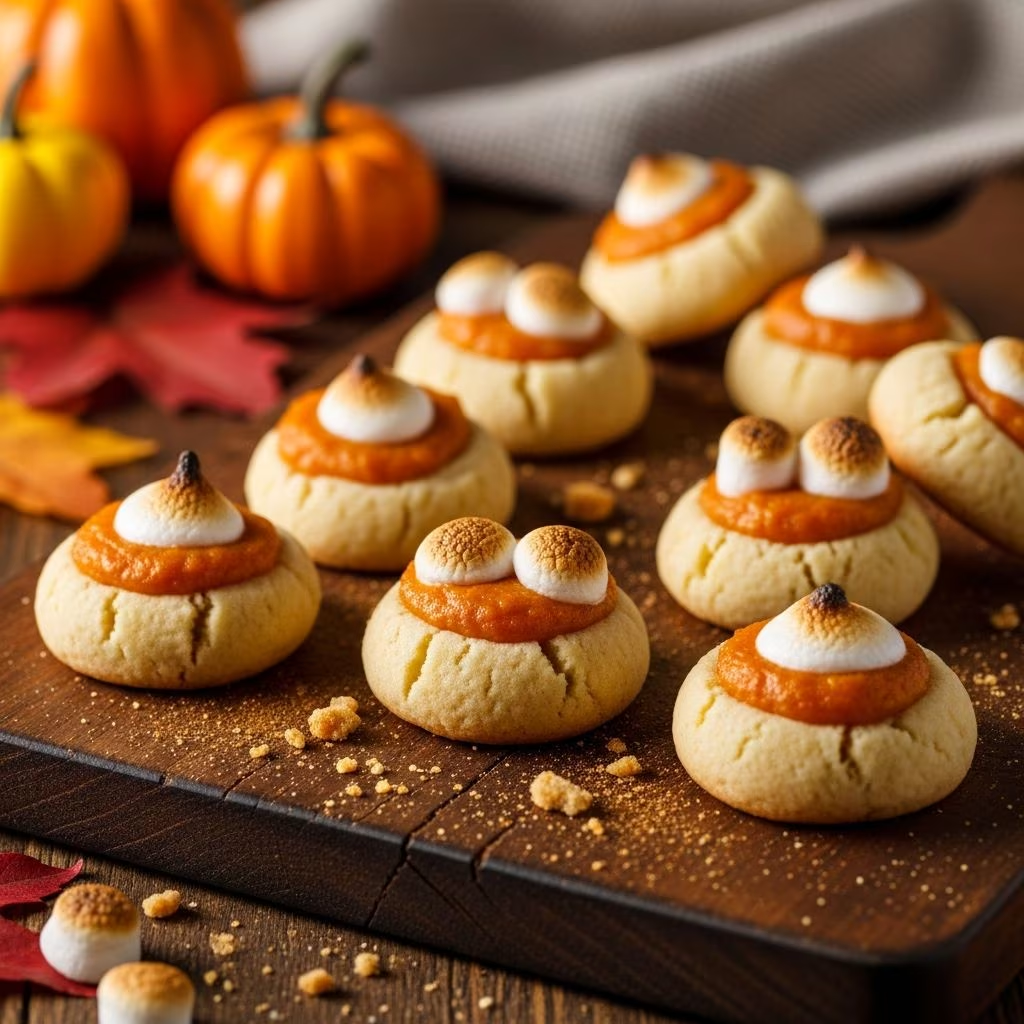
When autumn arrives, the craving for traditional sweet potato pie becomes nearly irresistible. However, not everyone has the time or desire to prepare a full pie from scratch. Sweet potato pie cookies offer an elegant solution, transforming the beloved classic dessert into convenient, individually-portioned treats that capture all the warmth and comfort of the original while requiring considerably less effort to prepare. These cookies combine the tender crumb of sugar cookies with the rich, spiced filling characteristic of Southern holiday tables, creating a dessert that appeals to both pie enthusiasts and cookie lovers alike.
Understanding the Appeal of This Hybrid Dessert
Sweet potato pie cookies represent an innovative approach to seasonal baking that honors tradition while embracing modern convenience. The concept of merging two beloved dessert formats—the cookie and the pie—addresses practical concerns faced by many home bakers. Full-sized pies require significant time investment, specialized equipment, and considerable counter space. In contrast, these cookies can be prepared in batches, stored with ease, and served without the need for plates, forks, or the associated cleanup. Additionally, they provide an excellent option for holiday gatherings where guests may prefer smaller portions or want to sample multiple desserts without overcommitting to any single treat.
The flavor profile of these cookies draws directly from the spice palette that defines sweet potato pie. Cinnamon and nutmeg feature prominently, creating that distinctive warmth associated with autumn baking. When combined with the subtle earthiness of real sweet potato, these spices create a complex flavor that feels nostalgic yet remains exciting enough to justify the baking effort. Many recipes incorporate additional elements like brown sugar, maple syrup, or even pecans to enhance depth and add textural interest.
Choosing Your Base Cookie Dough
The foundation of successful sweet potato pie cookies begins with selecting or creating an appropriate cookie dough. Several approaches exist, each offering distinct advantages depending on your available time and preferred texture outcome.
Refrigerated Cookie Dough Option
For those prioritizing speed and convenience, refrigerated sugar cookie dough provides an immediately accessible starting point. This pre-made base eliminates the creaming and mixing stages, allowing bakers to focus primarily on preparation and filling assembly. When using this approach, gentle additions of pumpkin pie spice and all-purpose flour help customize the dough to match the seasonal theme. This method proves particularly valuable during busy holiday periods when time constraints are most acute, making it accessible for novice bakers or those juggling multiple responsibilities.
Brown Butter Cookie Dough
More advanced bakers often prefer creating dough using brown butter, a technique that introduces sophisticated nutty notes that complement the sweet potato filling exceptionally well. This process requires heating unsalted butter until its milk solids brown and release a toasted aroma. Once cooled, this butter combines with granulated sugar and eggs to form a rich base. The addition of cream of tartar and baking soda affects both texture and browning characteristics, contributing to slightly chewy cookies with golden edges. Brown butter dough requires planning ahead, as the butter must cool completely before mixing begins, and the finished dough typically benefits from refrigeration to achieve optimal handling properties.
Traditional Creamed Butter Dough
Standard creaming methods remain a reliable choice for creating tender, flavorful cookies. Unsalted butter and sugar combine in a stand mixer until light and fluffy, followed by egg and vanilla addition. Flour, leavening agents, and spices are then incorporated in measured stages to prevent overmixing. Some recipes integrate actual sweet potato puree directly into the dough base, which enhances flavor while creating a naturally spiced cookie that requires less supplemental seasoning. This approach produces cookies with consistent texture throughout and allows the sweet potato’s subtle flavor to shine without competing with artificial flavoring.
Crafting the Sweet Potato Filling
The filling distinguishes these cookies from standard sugar cookies and requires careful preparation to achieve the desired consistency and flavor balance.
Sweet Potato Selection and Preparation
Using real sweet potato, whether canned or freshly baked, significantly impacts both flavor authenticity and texture. Freshly baked sweet potatoes offer superior control over moisture content and allow customization of cooking time to achieve preferred consistency. The baking process involves washing the potato, piercing it with a fork to allow steam escape, lightly oiling the surface, and roasting at moderate heat until completely tender—typically forty minutes or longer depending on size. Once cooled, the flesh separates easily from the skin, requiring only gentle mashing to achieve a smooth puree. Canned sweet potatoes provide viable alternatives when fresh options are unavailable or time limitations exist, though careful draining becomes essential to prevent excessive moisture in the filling.
Building Flavor Complexity
The filling’s flavor foundation relies on warm spices that define the sweet potato pie tradition. Ground cinnamon and nutmeg represent the primary seasonings, typically supplemented by salt for flavor enhancement. Sugar—both granulated and brown varieties—adds sweetness while affecting texture through their different granule sizes and moisture content. Egg yolk contributes richness and aids binding, while melted butter introduces fat that creates a silky mouthfeel. Heavy cream adds moisture and creates a custard-like consistency reminiscent of traditional pie filling. A small amount of vanilla extract provides subtle complexity without introducing competing flavors.
Marshmallow Topping Variation
Some recipes incorporate marshmallow creme into the filling, a creative addition that references the popular marshmallow-topped sweet potato casserole. This ingredient creates a lighter, airier filling texture while adding visual interest and nostalgic appeal. The marshmallow combines with powdered sugar and softened butter to create a topping layer that bakes into a light, pillowy texture.
Assembly and Baking Techniques
Successful sweet potato pie cookies depend on proper assembly methods that ensure filling stays contained during baking while achieving desired texture outcomes.
Creating Cookie Wells
Most recipes employ thumbprint-style indentations to hold filling. The process begins by shaping chilled dough into consistent balls, typically using a cookie scoop to ensure uniformity. These balls are placed on prepared baking sheets with adequate spacing. Using the bottom of a measuring cup or specialized thumbprint tool, gentle pressure creates a well in each cookie’s center, creating a depression approximately one-quarter inch from the edge. This technique prevents filling from spilling during baking while creating an attractive presentation.
Filling Application
Approximately one to two teaspoons of filling occupies each well, depending on cookie size. Careful spreading ensures even distribution and prevents overfilling that could cause leakage during baking. Some bakers prefer piping filling into wells for greater precision, while others find spoon-and-spread methods sufficiently effective and less time-consuming.
Baking Parameters
Temperature typically ranges between 350°F and 400°F, with most recipes favoring the lower range to prevent browning before filling fully sets. Baking duration varies between eleven and thirteen minutes, with cookies reaching doneness when they display light golden coloring on top while edges begin browning. Precise timing prevents overbaking, which could create dry cookies or cause filling to cook unevenly. Cookies continue setting as they cool on the baking sheet for several minutes before transfer to cooling racks, ensuring structural integrity during handling.
Storage and Serving Considerations
Proper storage extends the enjoyment window for these seasonal treats. Cooled cookies store well in airtight containers at room temperature for up to five days, with filling becoming slightly firmer as they rest. Many bakers find that flavors actually intensify during the first day after baking, making day-two consumption particularly rewarding. Refrigeration extends storage to approximately one week, while freezing preserves cookies for several months, though texture may slightly soften upon thawing.
These cookies appear equally at home on dessert platters during formal occasions or packed into lunchboxes as convenient portable treats. Their individual portioning eliminates serving complexity while their seasonal flavors make them appropriate for autumn celebrations spanning October through December.
Nutritional and Dietary Considerations
Sweet potato pie cookies offer nutritional advantages compared to many traditional desserts. Sweet potatoes provide dietary fiber, vitamins A and C, and potassium, nutrients that persist through baking. Incorporating additional whole ingredients like pecans or reducing refined sugar quantities can further enhance nutritional value. Those with specific dietary restrictions can modify recipes through ingredient substitutions—using gluten-free flour blends for celiac-friendly versions or exploring egg-free binding agents for vegan adaptations.
Frequently Asked Questions
Can I prepare the dough in advance?
Yes, both the filling and dough benefit from advanced preparation. Refrigerate dough for at least thirty minutes, or prepare it the day before and store in the refrigerator. Filling keeps well when covered for up to two days before assembly, allowing flexibility in your baking schedule.
What causes spreading during baking?
Excessive spreading typically results from dough that is too warm or insufficiently chilled. Ensure adequate refrigeration time and maintain cool working conditions. Additionally, verify that your oven temperature is accurate—an oven running cooler than indicated will cause cookies to spread excessively before setting.
How do I prevent filling from burning?
Burnt filling usually indicates insufficient oven coverage. Consider using baking sheets with edges or covering cookies loosely with aluminum foil during the final minutes of baking if browning occurs too quickly. Reducing oven temperature by twenty-five degrees can also prevent this issue.
Can I make these cookies gluten-free?
Yes, substitute all-purpose flour with high-quality gluten-free baking flour blends that include xanthan gum. You may need to increase liquid slightly, as gluten-free flours typically absorb more moisture than traditional wheat flour.
What’s the best way to transport these cookies?
Pack cooled cookies in single layers separated by parchment paper within rigid containers to prevent crushing. The individual portions mean they transport well compared to sliced pies, making them ideal for potlucks or gifts.
References
- Sweet Potato Pie Cookies Recipe — Pillsbury Homemade Baking. https://www.pillsbury.com/recipes/sweet-potato-pie-cookies/d577c6ad-b0b3-4d3b-9298-38e32aa907e2
- Sweet Potato Pie Thumbprint Cookies — Dash of Jazz. https://www.dashofjazz.com/sweet-potato-pie-cookies/
- Next-Level Sweet Potato Pie Cookies — Grandbaby Cakes. https://grandbaby-cakes.com/sweet-potato-pie-cookies/
- Southern Sweet Potato Pie Cookies — My Cookie Journey. https://mycookiejourney.com/southern-sweet-potato-pie-cookies/
- Kid-Friendly Recipe: Sweet Potato Pie Cookies — Once Upon a Farm Organics. https://onceuponafarmorganics.com/blogs/upon-a-blog/sweet-potato-pie-cookies