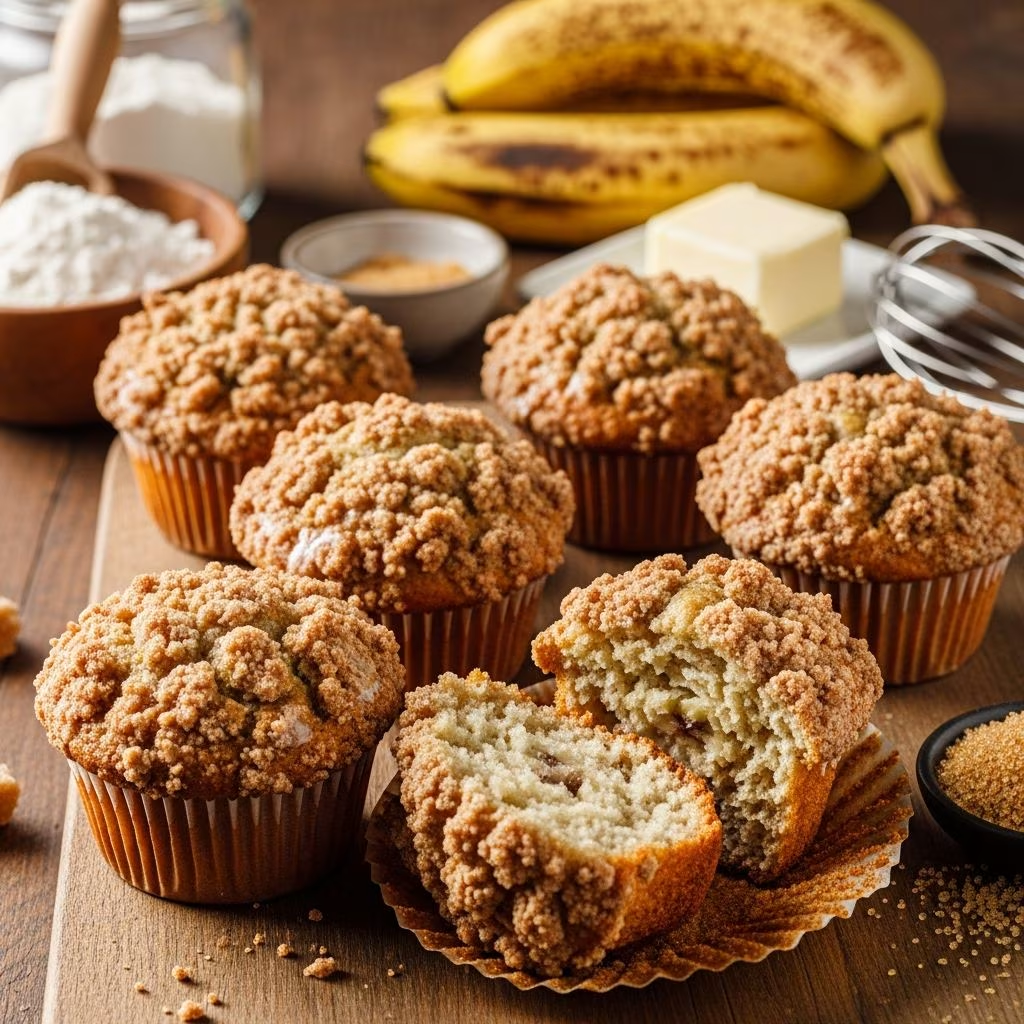
Banana crumb muffins represent a delightful intersection of comfort and indulgence, offering the natural sweetness of ripe bananas combined with a crunchy, buttery topping that provides textural contrast. These versatile treats serve equally well as a quick breakfast option, an afternoon snack, or a simple dessert. Unlike many baked goods that require specialized equipment or extensive culinary experience, banana crumb muffins are accessible to bakers of all skill levels while still delivering results that rival those found in professional bakeries.
The beauty of this particular baking project lies in its forgiving nature and adaptability. The recipe accommodates various ingredient substitutions, allows for personalization through spice variations, and produces consistently reliable outcomes when fundamental techniques are properly understood and applied. Whether you’re a novice baker exploring basic baking principles or an experienced cook seeking a reliable recipe for entertaining or meal preparation, banana crumb muffins offer an excellent canvas for culinary experimentation.
Understanding the Key Components of Banana Crumb Muffins
Creating exceptional banana crumb muffins requires understanding how each ingredient contributes to the final product’s texture, flavor, and appearance. The interplay between dry and wet ingredients, combined with proper mixing techniques, determines whether your muffins emerge from the oven with the desired tender crumb and moist interior.
Selecting and Preparing Bananas
The foundation of any superior banana muffin begins with proper banana selection and preparation. Ripe bananas with visible brown speckles possess optimal sugar content and develop the characteristic banana flavor that distinguishes quality muffins from mediocre versions. The natural sugars in these bananas contribute sweetness while their softer texture allows for easier mashing, which is essential for achieving proper batter consistency.
When preparing bananas, mash them thoroughly using a fork directly on a cutting board or within your mixing bowl until the mixture reaches a relatively uniform consistency. Small lumps are acceptable and actually preferable, as they contribute textural interest to the finished muffins. Approximately three medium bananas yield sufficient mashed banana for a standard batch, though the exact measurement depends on individual fruit size.
Dry Ingredient Foundation
The dry ingredient mixture establishes the muffin structure and crumb. All-purpose flour serves as the primary structural component, while baking soda and baking powder work together to generate the lift that creates the characteristic domed tops and tender interior. Baking soda reacts immediately with acidic components in the batter, while baking powder provides additional lift during the baking process. Salt, though used in small quantities, enhances overall flavor perception and balances sweetness.
Combining these dry ingredients before incorporating the wet mixture ensures even distribution throughout the batter. This preliminary combination allows the leavening agents to distribute uniformly, preventing pockets of concentrated baking soda or powder that would create bitter flavors or uneven rise patterns.
Wet Ingredient Components
The wet ingredient combination creates moisture and tenderness while binding the dry components. Eggs provide structure and emulsification properties that help incorporate fats into the batter evenly. Melted butter contributes richness and flavor while promoting the browning reaction that creates golden exteriors. Yogurt or other dairy additions introduce moisture and acidity that reacts with baking soda to generate lift and tender crumb structure.
The fat content in these ingredients plays a crucial role in producing moist muffins that remain tender rather than becoming dry and crumbly. Using unsalted butter provides better control over total sodium content in the recipe, allowing bakers to manage salt levels precisely.
Mastering the Crumb Topping Preparation
The crumb topping distinguishes these muffins from standard banana varieties and provides both visual appeal and textural contrast. Creating an ideal crumb topping requires understanding the relationship between fat and flour and developing the correct texture before baking.
Topping Ingredients and Their Functions
Brown sugar contributes moisture and a subtle molasses flavor that complements the banana base. All-purpose flour provides structure to the topping crumbles. Unsalted butter serves as the crucial fat component that creates the distinct crumbly texture when properly incorporated. Cinnamon and vanilla add aromatic complexity that enhances overall flavor perception.
Achieving Proper Crumb Texture
The technique for combining topping ingredients determines whether the finished product crumbles delightfully or becomes dense and paste-like. Begin by combining dry topping ingredients in a small bowl, then add softened or melted butter in small amounts. Using a fork or your fingertips, work the butter into the flour mixture until the consistency resembles coarse sand with visible small crumbles of butter throughout.
Many bakers find that briefly chilling the topping mixture in the freezer before applying it to muffins prevents excessive spreading during baking. Cold topping components maintain their structure better in the initial stages of baking before the butter fully melts, resulting in a topping that remains crumbly rather than becoming a cohesive crust.
Batter Preparation and Mixing Techniques
The approach to combining ingredients fundamentally affects the final texture of your banana crumb muffins. Proper mixing technique represents one of the most crucial factors distinguishing excellent results from disappointing outcomes.
The Critical Importance of Minimal Mixing
Perhaps the most common mistake in muffin preparation involves overmixing the batter. Excessive mixing develops gluten networks in the flour, resulting in tough, dense muffins with less tender crumb. The ideal approach involves gently combining dry and wet ingredients just until the flour disappears and the mixture reaches uniform consistency. Lumps in the batter are not only acceptable but actually desirable, as they indicate proper mixing technique.
To achieve this balance, combine all dry ingredients in a large mixing bowl, creating a well in the center. Pour the combined wet ingredients into this well and gently fold everything together using a spatula or wooden spoon, using as few strokes as possible while ensuring flour pockets disappear.
Proper Ingredient Temperature
Maintaining appropriate ingredient temperatures ensures proper batter consistency and baking outcomes. Room-temperature eggs incorporate into batter more readily than cold eggs, while dairy ingredients at room temperature mix more smoothly with other components. Melted butter should cool slightly before incorporating into wet ingredients to prevent inadvertently cooking the eggs.
The Baking Process and Temperature Management
Successful baking requires understanding how oven temperature and time work together to produce desired results.
Filling Muffin Cups
Distribute batter evenly among prepared muffin cups, filling each approximately three-quarters to four-fifths of the way full. This depth allows room for the characteristic dome to form during baking without causing batter to overflow. Using an ice cream scoop ensures consistent sizing among muffins, promoting even baking across the entire batch.
Applying Topping and Initial Baking
Distribute crumb topping evenly over each muffin, pressing gently if desired to encourage the topping to adhere during baking. Some recipes call for an initial high-temperature bake followed by reduced heat, which encourages proper rise and browning while preventing excessive top browning.
Determining Doneness
Muffins are properly baked when a toothpick inserted into the center emerges with minimal moist crumbs clinging to it. Golden-brown exteriors indicate proper browning, though the internal temperature remains the most reliable indicator of completion. Most recipes require 15 to 20 minutes total baking time at 375 degrees Fahrenheit.
Cooling and Storage Considerations
Proper cooling and storage techniques preserve muffin quality and extend shelf life.
Initial Cooling Period
Allow muffins to rest in the muffin pan for approximately five minutes following removal from the oven. This brief interval allows the structure to set slightly, preventing crumbling when transferring to cooling racks. Longer cooling times in the pan risk condensation affecting crumb texture and the crumb topping.
Long-Term Storage
Once completely cooled, store muffins in airtight containers at room temperature for several days. For extended storage, freeze muffins in freezer-safe containers or bags for up to three months. Thaw frozen muffins at room temperature or briefly warm in a low-temperature oven to restore softness.
Ingredient Variations and Substitutions
| Ingredient | Standard Option | Alternative Option | Effect on Result |
|---|---|---|---|
| Fat Source | Unsalted Butter | Vegetable Oil | Oil creates moister crumb; butter adds richer flavor |
| Dairy Component | Vanilla Yogurt | Sour Cream or Milk | Yogurt adds tanginess; sour cream increases moisture |
| Sugar Type | Granulated Sugar | Brown Sugar | Brown sugar develops richer, more complex flavor |
| Spices | Cinnamon | Nutmeg or Allspice | Different spices create varied aromatic profiles |
| Flavor Extract | Vanilla Extract | Almond Extract | Almond extract creates subtle complementary flavor |
Common Baking Challenges and Solutions
Dense or Heavy Muffins
Dense texture typically results from overmixing batter, which develops excessive gluten. Ensure that dry and wet ingredients combine only until the flour disappears. Additionally, verify that baking soda and baking powder remain fresh and effective, as expired leavening agents cannot generate proper lift.
Dry Interior Despite Proper Baking Time
Overly dry muffins suggest overbaking or insufficient fat content. Reduce baking time slightly with future batches, or increase the liquid component by adding an extra tablespoon of yogurt or milk. Ensure bananas are properly ripe before mashing, as very soft, sweet bananas contribute additional moisture.
Uneven Rising or Unusual Shapes
Inconsistent muffin shapes indicate uneven oven temperature or unequal batter distribution. Ensure muffin cups are filled to consistent levels and consider using oven thermometers to verify actual temperature accuracy, as many home ovens deviate from settings.
Soggy Crumb Topping
Moisture absorption by the topping suggests insufficient butter or excessive mixing when combining topping ingredients. Ensure adequate butter creates visible crumbles and consider briefly freezing the topping before application to help it maintain texture during initial baking.
Frequently Asked Questions About Banana Crumb Muffins
Can I prepare muffin batter in advance?
Yes, batter keeps refrigerated for up to 24 hours, though leavening effectiveness may decrease slightly. Prepare crumb topping separately and apply just before baking for optimal results. Combine muffin batter with topping no more than a few hours before baking.
What if my bananas aren’t ripe enough?
Bananas continue ripening at room temperature. Place unripe bananas in a paper bag with an apple to accelerate ripening over 24 to 48 hours. For immediate needs, increase honey or sugar slightly in the recipe to compensate for reduced natural banana sweetness.
Can I use frozen bananas for this recipe?
Frozen and thawed bananas work well, though they release additional moisture. Drain excess liquid from thawed bananas before mashing to maintain proper batter consistency. Increase flour slightly if batter appears too wet.
How many muffins does this recipe typically yield?
Most recipes produce 10 to 12 muffins depending on cup size and batter distribution. Standard muffin tins accommodate 12 cups, while jumbo varieties produce 6 to 8 larger muffins requiring additional baking time.
Can dietary restrictions be accommodated?
Gluten-free flour blends designed for baking substitute all-purpose flour effectively. Egg-free bakers can use flax eggs or applesauce substitutes. Vegan modifications require plant-based butter alternatives and non-dairy yogurt options.
Conclusion: Mastering Your Banana Crumb Muffin Technique
Creating exceptional banana crumb muffins combines an understanding of baking fundamentals with attention to specific technique details. By carefully selecting ripe bananas, properly mixing batters, mastering crumb topping preparation, and respecting precise baking times, home bakers achieve results rivaling professional bakeries. Whether serving these muffins at breakfast, offering them as snacks, or presenting them as modest desserts, properly executed banana crumb muffins demonstrate that accessible ingredients and straightforward techniques generate genuinely impressive results. Practice successive batches, noting how variations in technique produce different outcomes, and you’ll develop intuitive understanding that elevates your baking capabilities beyond simple recipe-following into genuine culinary competence.
References
- Baking Fundamentals: How Temperature and Mixing Affect Muffin Texture — The Culinary Institute of America. 2024. https://www.ciachef.edu/baking-science
- Leavening Agents in Baking: Baking Soda vs. Baking Powder — King Arthur Baking Company. 2025. https://www.kingarthurbaking.com/learn/articles/leavening-agents
- Fruit Selection and Ripeness Indicators for Baking — University of California Cooperative Extension. 2023. https://ucanr.edu/sites/anrstaff/files/215745.pdf
- Gluten Development in Baking: Effects on Final Product Quality — Food Science and Technology Department, University of Nebraska. 2024. https://food.unl.edu/baking-science
- Proper Oven Temperature Calibration for Consistent Baking Results — American Test Kitchen. 2025. https://www.americastestkitchen.com/guides/oven-temperature