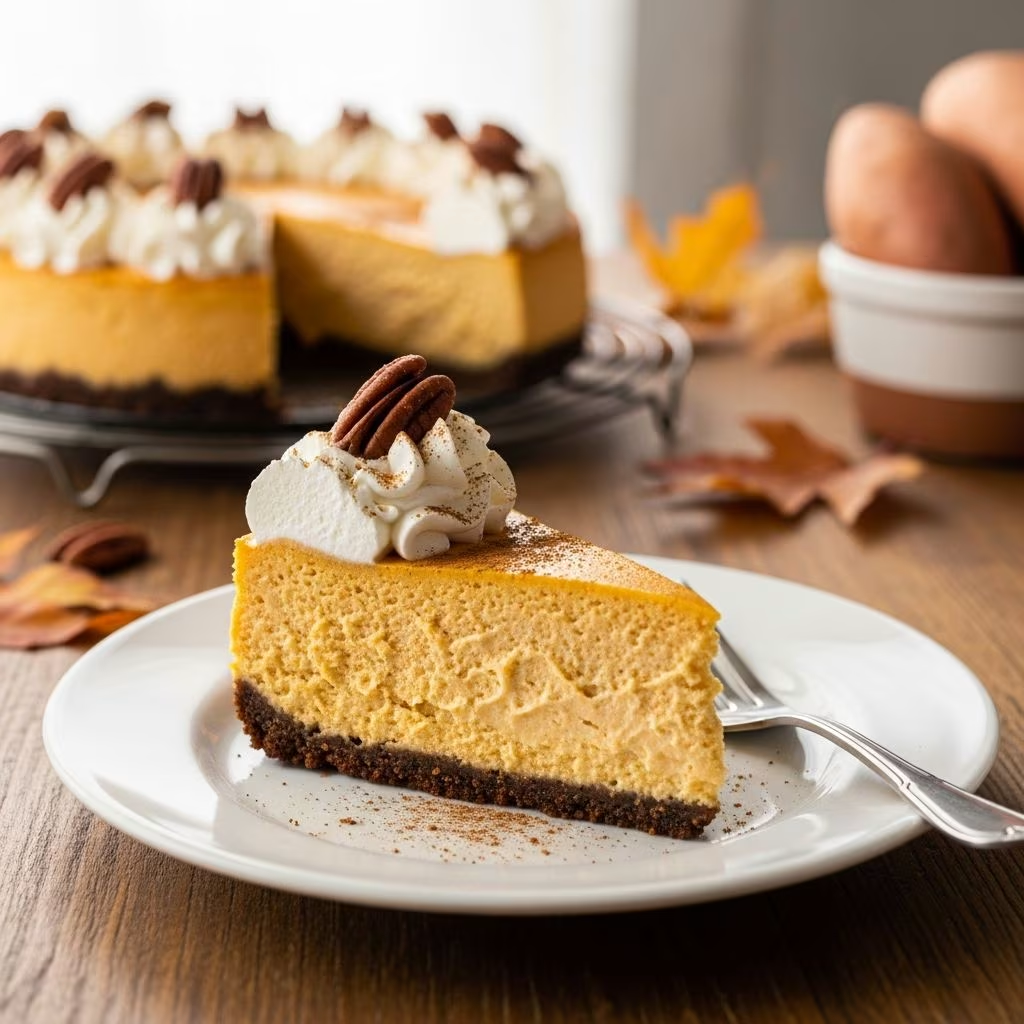
Sweet potato cheesecake represents a delightful fusion of two beloved desserts—the creamy richness of traditional cheesecake combined with the warm, earthy sweetness of autumn’s favorite root vegetable. This sophisticated dessert has become increasingly popular at holiday gatherings and year-round celebrations, offering a unique alternative to standard cheesecake varieties. Whether you’re an experienced baker or attempting this dessert for the first time, understanding the fundamental techniques and ingredient selections will ensure success.
Understanding the Foundation: Why This Dessert Works
The appeal of sweet potato cheesecake lies in its harmonious balance of flavors and textures. The dense, creamy filling provides a luxurious mouthfeel, while sweet potato puree introduces natural sweetness and a subtle earthy undertone. The contrast between the smooth filling and the crunchy cookie crust creates an appealing textural experience that keeps people reaching for another slice.
What makes this dessert particularly special is how it bridges the gap between indulgence and subtle sophistication. Unlike heavily spiced desserts that can overwhelm the palate, sweet potato cheesecake maintains restraint in its flavor profile while still delivering satisfying warmth through carefully balanced spices.
Selecting and Preparing Your Ingredients
The Sweet Potato Component
The success of your cheesecake begins with quality sweet potatoes. Choose medium-sized potatoes without blemishes or soft spots, as these indicate spoilage. Fresh sweet potatoes should feel firm when gently pressed.
For preparation, you have two primary methods. The baking approach involves piercing whole sweet potatoes several times with a fork and roasting them at 350-400°F for approximately 50 minutes until completely tender. This method concentrates flavors and reduces excess moisture. Alternatively, you can peel and cube the potatoes before cooking them in boiling water for 15-20 minutes, though this method may result in a slightly more diluted flavor profile.
After cooking, allow the sweet potatoes to cool completely before peeling away the skin. The flesh should mash easily into a smooth puree without lumps. For the smoothest consistency, process the cooked sweet potato through a food processor or blender, then strain it through fine-mesh cheesecloth if excess moisture is present. Approximately 2 pounds of whole sweet potatoes will yield roughly 2 cups of usable puree.
Cream Cheese Selection and Conditioning
Room-temperature cream cheese is non-negotiable for achieving a smooth, lump-free filling. Cold cream cheese resists proper mixing and creates an uneven texture in the finished product. Remove cream cheese from refrigeration at least two hours before baking, or use the water bath method—seal the cream cheese package and submerge it in warm water for 10-15 minutes.
Most recipes call for 24 ounces (three 8-ounce packages) of cream cheese, though some variations use up to 40 ounces for an extra-rich result. Philadelphia brand cream cheese is widely recommended due to its consistent texture and neutral flavor profile.
The Crust: Building Your Base
The crust serves both functional and flavor purposes. Gingersnap cookies provide the traditional base, offering subtle spice and natural sweetness that complements the filling. Approximately 8 ounces of crushed gingersnaps (roughly 1½ cups) mixed with 4-5 tablespoons of melted butter creates an ideal consistency for pressing into the pan.
Some bakers prefer pecan-based crusts or oatmeal cookie variations for different flavor dimensions. Regardless of your choice, pre-baking the crust at 350°F for 8-10 minutes sets the structure and prevents a soggy base.
Assembling the Cheesecake Filling
The Mixing Process
Proper mixing technique distinguishes amateur efforts from professional results. Begin by beating softened cream cheese for 2-3 minutes at medium speed until completely smooth and creamy. Scrape down bowl sides frequently to ensure even mixing.
Gradually add granulated sugar (typically ⅓ to ⅔ cup) and light brown sugar (approximately 1¼ cups) to the cream cheese, mixing for an additional 2-3 minutes. The combination of both sugar types creates complexity—granulated sugar provides sweetness while brown sugar contributes molasses notes and moisture.
Incorporate eggs one at a time, mixing on low speed after each addition and scraping the bowl sides. Adding eggs too quickly or mixing at high speed incorporates excessive air, which can cause undesirable cracks during baking.
Spice Integration
Ground cinnamon (½ to 1 teaspoon), nutmeg (¼ to ½ teaspoon), and sometimes ground ginger (¼ teaspoon) bring warmth without overpowering the palate. These spices should be added to the filling after incorporating eggs. Mix on low speed just until the spices distribute evenly throughout the batter.
For added depth, some recipes include vanilla extract (1-2 teaspoons) and even orange zest from a fresh medium orange. These additions provide subtle background notes that enhance complexity.
Combining Filling Components
After mixing the base cheesecake batter, create a separate mixture by combining your sweet potato puree with a portion of the cream cheese filling—typically 1 cup of the prepared batter mixed thoroughly into the sweet potato puree. This approach prevents overworking the main filling and ensures even spice distribution.
Some recipes call for all-purpose flour (2 tablespoons) to be added to the sweet potato mixture, which absorbs excess moisture and contributes to a firmer final texture.
Pouring and Layering Techniques
The Swirled Method
For visual appeal and flavor distribution, the swirled technique works exceptionally well. Pour half of the plain cream cheese filling into the prepared crust, then spoon half of the sweet potato mixture over this layer. Repeat with the remaining fillings, then use a knife or skewer to create swirls by dragging it gently through both layers without scraping the crust.
Solid Layer Alternative
Some bakers prefer a distinct separation between layers. Pour the sweet potato mixture first, followed by the entire plain cream cheese batter poured carefully on top.
The Baking Process and Water Bath Technique
The water bath, or bain-marie, is essential for even, gentle heat distribution that prevents cracking. Place your springform pan inside a larger roasting pan, then pour boiling water into the roasting pan until it reaches halfway up the sides of the cheesecake pan.
Bake at 350°F for 55-60 minutes. The cheesecake is perfectly done when the edges appear set but the center still exhibits a slight jiggle when gently shaken—approximately a 2-inch circle in the very center should move subtly.
This slight underdone appearance may seem concerning, but the residual heat will continue cooking the center as the cheesecake cools, resulting in the ideal creamy texture. Overbaking creates a dense, dry product.
Cooling and Storage Considerations
Allow the cheesecake to cool in the turned-off oven for 1 hour with the door slightly ajar. This gradual temperature reduction minimizes thermal shock and cracking. Transfer to a cooling rack and let reach room temperature, approximately 30-40 minutes.
Refrigerate for at least 8 hours, preferably overnight, before removing from the springform pan. The cheesecake will firm considerably during this time, making it easier to slice cleanly.
For storage, well-wrapped cheesecake keeps refrigerated for up to 5 days or frozen for up to 3 months. Thaw frozen cheesecake in the refrigerator overnight before serving.
Creative Variations and Enhancements
Topping Options
Spiced caramel drizzled over individual slices provides textural contrast and additional sweetness. Chopped pecans scattered atop the cheesecake add crunch and nutty notes. Some recipes include a cinnamon crumble topping applied after baking for added texture.
Flavor Modifications
Maple syrup (¼ cup) can replace a portion of granulated sugar for deeper autumn notes. Bourbon or dark rum (1-2 tablespoons) introduces complexity for adult variations. A touch of orange or lemon juice brightens the overall flavor profile.
Troubleshooting Common Issues
| Problem | Likely Cause | Solution |
|---|---|---|
| Cracks in the cheesecake | Oven temperature too high or overbaking | Use water bath, check oven temperature accuracy, don’t overbake past slight jiggle |
| Soggy crust | Crust not pre-baked or filling too wet | Pre-bake crust, drain excess moisture from sweet potato puree |
| Dense, dry texture | Overbeaten filling or overbaking | Mix only until just combined, remove when slightly underbaked |
| Lumpy filling | Cold cream cheese or inadequate mixing | Ensure room-temperature ingredients, beat until completely smooth |
| Uneven flavor distribution | Insufficient mixing of spices | Mix filling thoroughly after adding spices and sweet potato puree |
Frequently Asked Questions
Can I use canned sweet potato puree instead of fresh?
Yes, canned sweet potato puree works acceptably, using approximately 2 cups. However, ensure you’re purchasing pure sweet potato puree without added sugars or spices. Some canned products contain additional ingredients that may alter the final flavor profile.
What if my springform pan leaks during the water bath?
Wrap the exterior of your springform pan with aluminum foil before placing it in the water bath. This prevents water from seeping into the filling.
Can I make this cheesecake ahead for entertaining?
Absolutely. Bake and refrigerate the cheesecake up to 2 days before serving. You can also freeze it for up to 3 months, thawing overnight in the refrigerator before presentation.
Why is my cheesecake not setting properly?
Ensure adequate refrigeration time—at least 8 hours is necessary. The filling continues firming as it cools. If still too soft after proper refrigeration, you may have underbaked it; the residual cooking during cooling may not have been sufficient.
What oven temperature should I use?
Most recipes call for 350°F for the cheesecake itself, though some recommend 375-400°F for initial baking of the sweet potatoes. Verify your oven’s accuracy with a separate thermometer, as many ovens run hot or cool.
Serving Suggestions and Pairings
Sweet potato cheesecake pairs beautifully with warm beverages like coffee or tea. For special occasions, serve alongside dessert wines such as late-harvest Riesling or tawny port. Fresh whipped cream dolloped on top adds elegance and textural contrast.
Individual portions can be plated on dessert plates with artistic caramel drizzles or berry compotes for restaurant-quality presentation. The cheesecake’s rich nature means modest portions—2-inch slices satisfy most diners.
Conclusion
Mastering sweet potato cheesecake requires understanding ingredient roles, respecting proper technique, and exercising patience throughout the process. The reward—a creamy, flavorful dessert that impresses family and guests—justifies the effort invested. Whether you’re baking for holiday celebrations or everyday indulgence, this comprehensive guide provides the knowledge necessary to consistently create excellent results.
References
- Spiced Sweet Potato Cheesecake Recipe — Grandbaby Cakes. Accessed April 2026. https://grandbaby-cakes.com/spiced-sweet-potato-cheesecake-recipe/
- Sweet Potato Cheesecake — My Baking Addiction. Accessed April 2026. https://www.mybakingaddiction.com/sweet-potato-cheesecake/
- Sweet Potato Cheesecake — The Seaside Baker. Accessed April 2026. https://theseasidebaker.com/sweet-potato-cheesecake/
- Sweet Potato Cheesecake — Kenneth Temple. Accessed April 2026. https://kennethtemple.com/sweet-potato-cheesecake/
- Sweet Potato Cheesecake — Reluctant Entertainer. Accessed April 2026. https://reluctantentertainer.com/sweet-potato-cheesecake/