Oven-baked potatoes offer a versatile base for countless meals, delivering crispy skins and fluffy interiors with minimal effort. This guide explores everything from selection and preparation to innovative toppings and storage tips, ensuring restaurant-quality results every time.
Why Oven-Baked Potatoes Are a Kitchen Staple
Baked potatoes stand out for their simplicity and adaptability. A single russet potato transforms under high heat into a dish that pairs with proteins, salads, or stands alone as a hearty snack. Their appeal lies in the contrast: crackly exterior from oil and salt, contrasted by steamy, pillowy flesh inside. Nutritionally, potatoes provide potassium, vitamin C, and fiber, making them a smart choice for balanced eating.
Unlike microwaved or boiled versions, oven baking preserves texture and flavor. High temperatures—around 400-425°F—promote even cooking while evaporating moisture for crispness. This method requires no special equipment beyond a baking sheet, appealing to beginners and pros alike.
Selecting the Best Potatoes for Baking
Choose russet potatoes for optimal results; their high starch content yields fluffiness. Look for firm, unblemished tubers weighing 6-8 ounces each, about the size of a fist. Avoid green-tinged or sprouted ones, as they contain higher solanine levels.
- Russet (Idaho): Ideal for baking due to thick skin and starchy flesh.
- Yukon Gold: Creamier alternative with thinner, edible skin.
- Sweet Potatoes: Nutty flavor variation for a vitamin A boost.
Wash thoroughly under cold water, scrubbing with a brush to remove dirt. Pat dry to ensure oil adheres properly.
Essential Ingredients and Tools
Core ingredients include potatoes, olive oil, and coarse salt. Optional enhancements: black pepper, garlic powder, or herbs. Tools needed: fork, baking sheet, parchment paper, and oven mitts.
| Ingredient | Quantity (4 Potatoes) | Purpose |
|---|---|---|
| Russet Potatoes | 4 medium | Main base |
| Olive Oil | 1-2 tbsp | Crisps skin |
| Coarse Sea Salt | 1-2 tsp | Seasoning and texture |
| Black Pepper | To taste | Flavor boost |
Step-by-Step Baking Instructions
- Preheat Oven: Set to 425°F. Line a sheet with parchment for easy cleanup.
- Prep Potatoes: Poke 6-8 holes per potato with a fork to vent steam and prevent bursting.
- Oil and Season: Rub each potato with ½ tsp oil, then coat generously with salt. This draws out moisture for crispiness.
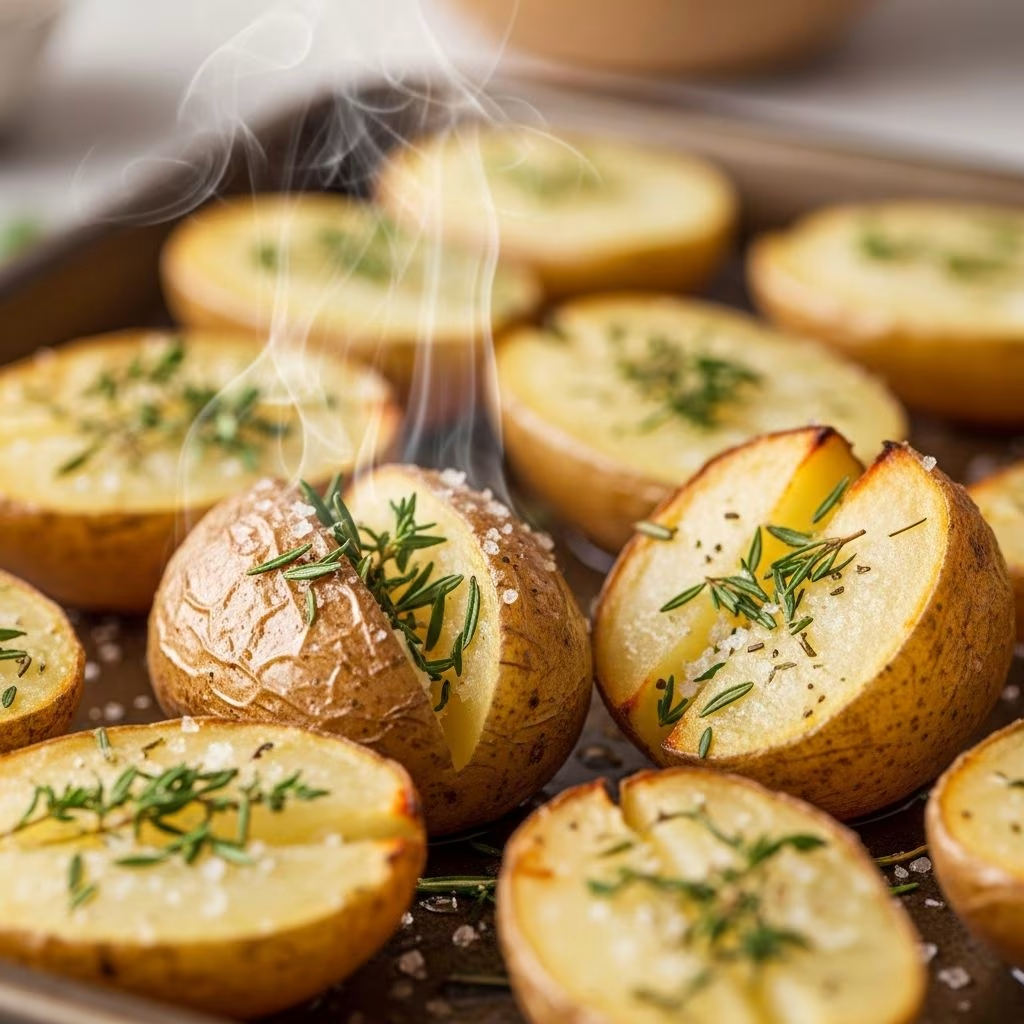
- Bake: Place directly on the rack or sheet. Cook 45-60 minutes, until a fork slides in easily and skin is golden.
- Rest and Serve: Let sit 5 minutes. Slice lengthwise, squeeze ends to fluff, and add toppings.
For quicker results, halve potatoes cut-side down on an oiled sheet at 400°F for 25-35 minutes. This method suits weeknights.
Pro Tips for Flawless Results
- Use coarse salt; it sticks better and creates a crunchy crust.
- Avoid wrapping in foil—it steams rather than bakes, softening skin.
- Test doneness at skins wrinkle slightly.
- For extra crispiness, bake at higher heat initially (450°F for 15 minutes), then reduce.
- Batch bake: Potatoes hold heat well, perfect for meal prep.
Creative Topping Combinations
Elevate basics with these pairings, turning potatoes into mains or sides.
| Theme | Toppings | Calories (per serving) |
|---|---|---|
| Classic Loaded | Sour cream, cheddar, bacon, chives | ~350 |
| Mediterranean | Tzatziki, feta, olives, cherry tomatoes | ~280 |
| Tex-Mex | Chili, avocado, jalapeños, cilantro | ~420 |
| Broccoli Cheddar | Steamed broccoli, sharp cheddar, yogurt | ~300 |
| BLT-Inspired | Mayo, crumbled bacon, diced tomato, lettuce | ~380 |
Experiment with proteins like shredded chicken or ham slices for heartiness. Vegan options: hummus, roasted veggies, nutritional yeast.
Nutrition and Health Benefits
A medium baked potato (173g) offers 161 calories, 4g protein, 37g carbs (4g fiber), and negligible fat. It’s rich in potassium (exceeding bananas), vitamin B6, and antioxidants. Skin provides most fiber—eat it!
- Weight Management: High satiety from resistant starch.
- Heart Health: Potassium regulates blood pressure.
- Digestive Aid: Fiber promotes gut regularity.
Pair with lean toppings to keep it light. Sweet potato versions add beta-carotene for immunity.
Variations for Every Diet
Microwave-Hybrid Method
Microwave poked potatoes 5 minutes, then bake 20-25 minutes for speed without sacrificing texture.
Air Fryer Option
Oil and salt halves at 400°F for 20 minutes, flipping halfway—crispier with less oil.
Sweet Potato Twist
Bake similarly; top with cinnamon, pecans, or black beans for savory-sweet balance.
Stuffed Delights
Scoop flesh, mix with cheese, meats, or veggies, restuff, and rebake 10-15 minutes.
Storage and Reheating Guide
Cool completely before storing in an airtight container; refrigerate up to 5 days or freeze (baked) up to 3 months.
- Reheat: Oven at 350°F for 15-20 minutes; avoid microwave to preserve crispness.
- Freezer Prep: Wrap foil individually post-baking.
- Revive Crispiness: Brush with oil, bake cut-side down 10 minutes.
Pairing Ideas for Complete Meals
Complement with grilled steak and salad for dinner, or chili for game day. Breakfast: Eggs and sausage. Vegetarian: Lentil stew and greens.
Frequently Asked Questions
Why poke holes in potatoes?
Steam escapes, preventing explosions and ensuring even cooking.
Can I bake without oil?
Yes, but skin will be less crispy; salt alone works for lower fat.
How long for small/large potatoes?
Adjust: Small (4oz) 40 minutes; large (12oz) 70+ minutes.
Are baked potatoes gluten-free?
Naturally yes; check toppings for cross-contamination.
Best oven temperature?
425°F balances crispiness and fluffiness; 400°F for halves.
Conclusion: Endless Possibilities
Oven-baked potatoes embody comfort and convenience. With these techniques, customize to any craving or diet. Experiment freely—the humble potato rewards creativity.
References
- USDA FoodData Central: Potato, baked, flesh and skin — United States Department of Agriculture. 2023-05-15. https://fdc.nal.usda.gov/fdc-app.html#/food-details/170439/nutrients
- Potato Nutrition Facts — Potatoes USA (National Potato Promotion Board). 2024-02-10. https://potatogoodness.com/nutrition/
- Harvard T.H. Chan School of Public Health: Potatoes and Sweet Potatoes — Harvard University. 2022-11-01. https://www.hsph.harvard.edu/nutritionsource/food-features/potatoes-sweet-potatoes/