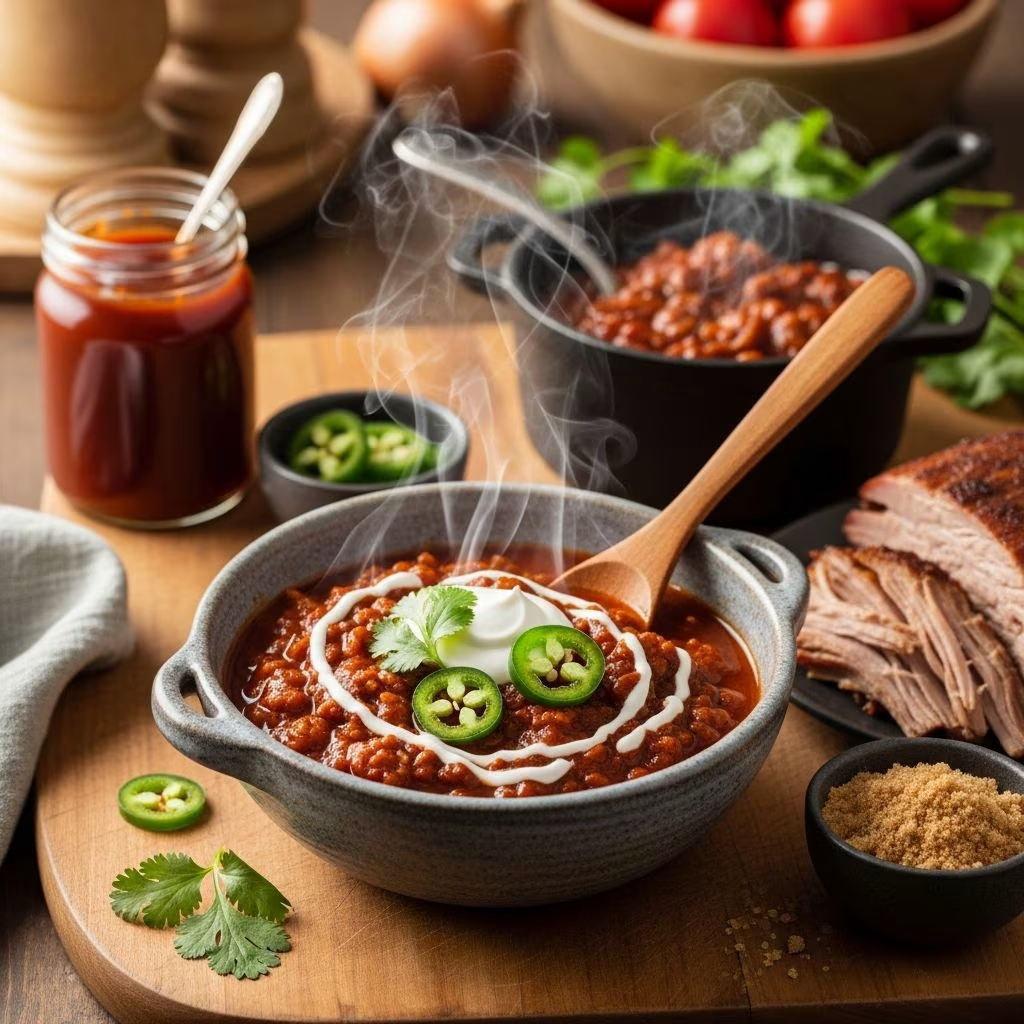
Combining the smoky richness of barbecued pork with the warming spice of traditional chili creates a dish that appeals to both adventurous cooks and comfort food enthusiasts alike. Sweet BBQ pork chili represents a contemporary twist on classic chili recipes, introducing a subtle sweetness and tangy depth that elevates the dining experience. This culinary fusion brings together the best elements of American barbecue tradition with the hearty satisfaction of a slow-simmered chili, resulting in a one-pot meal that satisfies on multiple levels.
Understanding the Foundation of This Dish
At its core, sweet BBQ pork chili combines tender shredded pork with a robust tomato-based sauce infused with barbecue flavoring. The magic of this recipe lies in the balance between smoky and sweet elements, achieved through careful ingredient selection and proper cooking techniques. Unlike traditional beef-based chilis, the pork version offers a milder flavor profile that allows complementary spices and sauces to shine. The natural tenderness of properly cooked pork shoulder creates a texture that melts into the sauce, distributing its flavors throughout each spoonful.
The dish’s appeal extends beyond taste; it represents an efficient way to transform a single protein into a crowd-pleasing meal. Whether preparing dinner for a family gathering or a casual weeknight supper, sweet BBQ pork chili adapts to various cooking methods and ingredient preferences, making it an accessible recipe for cooks of different skill levels.
Selecting and Preparing Your Pork
The foundation of exceptional sweet BBQ pork chili begins with choosing the right cut of pork. Pork shoulder, also known as pork butt, provides the ideal balance of marbling and structure necessary for extended cooking. This cut contains sufficient fat content to remain moist during long cooking periods while becoming increasingly tender as connective tissues break down. A three to four-pound roast typically yields enough shredded pork for a substantial chili batch serving eight to twelve people.
Preparation starts with trimming excess external fat, a crucial step that prevents the final dish from becoming greasy. While some fat retention is beneficial for flavor development, removing the thickest layers ensures a more refined texture. The pork shoulder should then be seasoned generously with a dry rub containing paprika, chili powder, cumin, and garlic powder. Allowing the rubbed meat to rest in refrigeration for several hours or overnight permits the spices to penetrate the meat’s surface, establishing a flavorful foundation.
For those using leftover pulled pork from previous meals, this recipe becomes even more convenient. Pre-cooked pork requires minimal preparation—simply warming it gently and removing any accumulated fat before incorporating it into the chili base ensures optimal results without sacrificing quality.
Building Layers of Complex Flavor
The cooking process itself divides into distinct phases, each contributing different flavor elements to the final product. The initial phase focuses on developing aromatics. Diced onions, minced garlic, and optional jalapeños sauté in oil until softened and slightly caramelized, typically requiring eight to twelve minutes over medium heat. This foundational step builds umami depth through the Maillard reaction, a chemical process that creates complex flavors when ingredients reach specific temperatures.
Following aromatic development, tomato paste and individual spices (chili powder, cumin, smoked paprika, and cayenne) toast briefly in the hot oil. This toasting stage blooms the spices, releasing essential oils and intensifying their flavor profiles. The resulting paste becomes the flavor anchor for the entire dish, providing depth that raw spices cannot achieve.
The next phase introduces liquid components: tomato sauce, barbecue sauce, beef or vegetable broth, and various beans combine to create the chili’s body. The barbecue sauce contributes the signature sweetness and tangy undertones characteristic of this recipe variation. Commercial barbecue sauces vary significantly in flavor intensity, so selecting one aligned with personal taste preferences directly influences the final result. Some cooks prefer adjusting sweetness levels by adding brown sugar or honey, while others embrace the barbecue sauce’s inherent profile without modification.
Beans and Additional Components
Beans provide essential texture and nutritional value while absorbing surrounding flavors. Common options include kidney beans, pinto beans, black beans, and white cannellini varieties. Each bean type contributes subtly different textures; kidney beans maintain firm structure throughout cooking, while white beans become creamier. Combining multiple bean varieties creates interesting textural contrast, though single-variety preparations work equally well.
Some recipes incorporate unexpected ingredients that enhance the overall experience. Hoisin sauce adds considerable sweetness and umami complexity, functioning as a secret ingredient that elevates the dish without announcing its presence. Beer or root beer introduces malt flavors and subtle bitterness that balances the recipe’s sweetness. These optional additions demonstrate how creative cooking allows individual customization while maintaining the dish’s essential character.
Cooking Methods and Timing
Three primary cooking approaches suit this recipe, each offering distinct advantages. Slow cookers provide hands-off convenience, requiring minimal attention during the six to eight-hour cooking window. This method suits busy schedules and allows flavors to develop gradually as ingredients simmer together. The steady, low heat ensures the pork becomes fall-apart tender while maintaining maximum moisture content.
Dutch oven stovetop cooking offers more active engagement and faster completion times, typically requiring three to four hours. This method permits greater temperature control and allows cooks to adjust seasonings throughout the process. The direct heat also encourages more pronounced browning reactions, potentially intensifying flavors compared to slow-cooking approaches.
Instant Pot and pressure cooking methods dramatically reduce cooking time to approximately ninety minutes while producing comparable tenderness and flavor development. Modern pressure cookers suit time-constrained meal preparation while maintaining the dish’s quality characteristics. The high-pressure environment accelerates collagen breakdown and allows spices to penetrate the meat more rapidly than conventional methods.
Regardless of the chosen method, the extended cooking period serves a critical function: it permits flavors to meld and mature. The initial thirty to sixty minutes represents the cooking phase; the subsequent hours constitute the development phase when individual flavors integrate into a cohesive whole. Premature serving, before adequate cooking time, results in a dish where individual ingredients taste distinct rather than unified.
Achieving the Perfect Consistency
Chili consistency represents a matter of personal preference, ranging from thick and stew-like to brothier and soupier. The liquid-to-solids ratio directly influences final texture; those preferring thicker chili should reduce liquid components or extend cooking time uncovered to allow evaporation. Conversely, additional broth creates a more soup-like experience.
Simmering without a lid during the final cooking phase allows excess moisture to evaporate while concentrating flavors. This step, often overlooked, represents the difference between mediocre and exceptional chili. The longer the uncovered simmer, the more pronounced the flavor concentration becomes, though care must be taken to prevent scorching on the pot’s bottom.
Toppings and Serving Presentations
The toppings accompanying sweet BBQ pork chili transform it from simple dish to customizable experience. Traditional options include shredded cheddar cheese (white varieties provide aesthetic contrast), sour cream or Greek yogurt (adding cooling creaminess), and green onions or cilantro (providing brightness and freshness). More creative additions might include avocado slices, crispy bacon bits, corn, jalapeños, or corn cake.
Serving vessels matter as well. Traditional bowls present chili in its most recognizable format, while bread bowls create an edible presentation suitable for casual entertaining. Serving atop baked potatoes or with oyster crackers on the side accommodates those seeking textural variety or additional substance.
Storage and Make-Ahead Preparation
Sweet BBQ pork chili improves with time as flavors continue developing after cooking completion. Proper storage ensures both safety and quality maintenance. Cooled chili refrigerates successfully for four to five days in airtight containers, while freezing extends viability for up to three months. The recipe’s robust nature means it withstands reheating without quality degradation, making it ideal for meal preparation and batch cooking strategies.
For future convenience, cooking the pork and preparing the base can occur separately, with combination occurring just before serving. This approach allows flexibility when schedules prevent simultaneous ingredient preparation.
Frequently Asked Questions
Can I use different pork cuts?
While pork shoulder represents the optimal choice due to its fat content and structure, pork loin, butt, and other shoulder cuts work acceptably. Leaner cuts may produce drier results unless cooking times are carefully monitored.
What if I don’t have barbecue sauce?
Substitute with additional tomato sauce combined with brown sugar, apple cider vinegar, and smoked paprika to approximate BBQ flavoring characteristics.
How do I adjust spice levels?
Increase or decrease cayenne pepper, fresh jalapeños, and hot sauce to modify heat intensity. Adding more gradually prevents overseasoning.
Is vegetable broth acceptable as a substitute for beef broth?
Yes, vegetable broth works well, though beef broth provides richer depth. The choice depends on dietary preferences and available ingredients.
Can I make this recipe in advance?
Absolutely. Prepare and cool completely, then refrigerate for up to five days. Reheat gently on the stovetop or in the slow cooker until warmed through.
References
- Smoky Pulled Pork Chili — Simply Scratch. 2024. https://www.simplyscratch.com/smoky-pulled-pork-chili/
- BBQ Pulled Pork Chili — Ally’s Sweet & Savory Eats. 2020. https://www.sweetandsavoryfood.com/2020/10/bbq-pulled-pork-chili.html
- Slow Cooker BBQ Pork Chili — The Spiffy Cookie. 2015. https://www.thespiffycookie.com/2015/10/19/slow-cooker-bbq-pork-chili/
- Slow Cooker Pulled Pork Chili — The Salty Marshmallow. 2024. https://thesaltymarshmallow.com/slow-cooker-pulled-pork-chili/
- Pulled Pork Chili (so much flavor!) — The Endless Meal. 2024. https://www.theendlessmeal.com/easy-pulled-pork-chili/
- Sweet BBQ Pork Chili — The Recipe Bandit. 2024. https://therecipebandit.com/sweet-bbq-pork-chili/