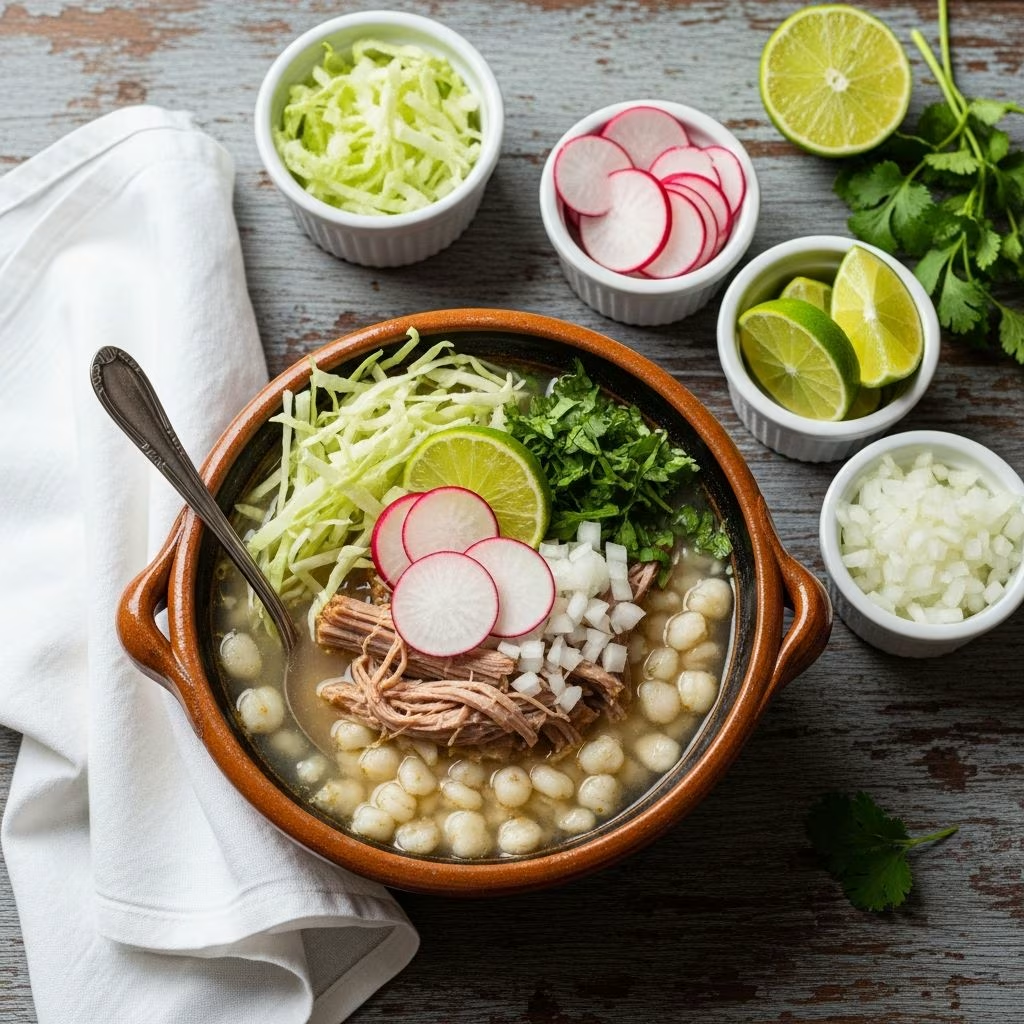
White pozole, known as pozole blanco in Spanish, represents one of Mexico’s most cherished culinary traditions. This warming soup combines tender protein, creamy hominy corn, and aromatic herbs to create a dish that brings families together around the dinner table. Whether you’re preparing this dish for a special celebration or a simple weeknight meal, understanding the fundamentals of pozole blanco will help you recreate authentic flavors in your own kitchen.
Understanding the Foundation of Pozole Blanco
At its core, pozole blanco is a minimalist dish that celebrates the quality of its primary ingredients rather than relying on complex flavor combinations. The name itself—pozole blanco—refers to the clear, broth-based nature of the soup, distinguishing it from its red and green counterparts that incorporate chiles into the broth. The beauty of this preparation lies in its simplicity: a well-seasoned broth, tender meat, and plump hominy kernels create a satisfying meal that can be customized according to personal preferences and available ingredients.
The foundation of any excellent pozole blanco begins with selecting appropriate proteins and understanding how different cooking methods affect the final dish. Traditional recipes often call for pork, particularly cuts like pork shoulder or pig’s head, which contribute rich collagen and flavor to the broth. However, chicken presents a lighter alternative that maintains the authentic character of the dish while offering a different flavor profile.
Key Ingredients and Their Roles
The Protein Component
The choice of protein significantly influences the depth and character of your pozole blanco. Pork shoulder, which contains sufficient fat and connective tissue, creates a deeply flavored broth when simmered for extended periods. The collagen breaks down into gelatin, providing a silky mouthfeel that elevates the entire dish. For those preferring poultry, bone-in chicken thighs deliver superior flavor compared to breast meat, as the bones and skin contribute essential compounds to the broth during cooking.
Some traditional recipes incorporate pig’s feet alongside pork shoulder, or utilize pig’s head, which was historically a practical way to use entire animals. These additions intensify the broth’s richness and create a more authentic preparation. Alternatively, ground beef or even seafood variations exist in certain regional interpretations, though pork and chicken remain the most common choices.
Hominy: The Soul of the Dish
Hominy serves as the defining ingredient that transforms simple broth into pozole blanco. This processed corn product results from treating dried corn kernels with an alkali solution, a process called nixtamalization that dates back thousands of years in Mesoamerican cooking. This treatment not only increases the nutritional availability of corn but also creates the characteristic tender texture and subtle flavor associated with hominy.
Modern convenience allows cooks to purchase canned hominy, which eliminates the need for lengthy preparation. Most recipes call for two 29-ounce cans of white hominy, with one can added undrained to contribute its cooking liquid to the broth. This addition occurs during the final stages of cooking to prevent the hominy from becoming mushy and to maintain its structural integrity throughout the meal service.
Aromatic Foundations
Onions and garlic form the aromatic base of pozole blanco, providing foundational savory notes that support the other flavors. Mexican oregano, distinct from Mediterranean oregano with its more robust and earthy character, represents the primary herb seasoning. Bay leaves contribute subtle complexity without overwhelming the palate, while some regional variations incorporate thyme, marjoram, and cumin for additional depth.
More sophisticated versions might include warming spices such as allspice berries, cloves, and black peppercorns, which add subtle complexity without making the dish taste overtly spiced. These ingredients work synergistically to create a broth that tastes more complete than the sum of its individual components.
Preparation Methods and Cooking Techniques
Traditional Stovetop Approach
The conventional method of preparing pozole blanco involves beginning with aromatic ingredients in a large pot heated with oil or lard. Sautéing diced onions and minced garlic over moderate heat for three to four minutes softens these vegetables and releases their essential oils, creating an aromatic foundation. Adding dried herbs at this stage allows their flavors to bloom in the hot oil before introducing the protein.
The meat is then added to the pot and stirred to ensure it becomes evenly coated with the aromatic mixture. Pour in water or broth—typically ranging from six to ten cups depending on desired soup consistency and ingredient quantity—and bring the mixture to a gentle boil. Reducing heat and maintaining a low simmer allows the meat to become tender through gradual cooking, which typically requires one and a half to two hours for pork cuts or twenty to thirty minutes for chicken.
Pressure Cooker Method
Modern convenience cooking employs pressure cookers and Instant Pots to significantly reduce cooking time. Using the sauté function, prepare the aromatics and protein as described above, then add water and seal the lid. Pressure cooking pork for thirty minutes achieves tenderness equivalent to traditional simmering for over an hour. The pressurized environment accelerates the breakdown of connective tissue and collagen, resulting in tender meat and rich broth in a fraction of the time.
After releasing pressure, the hominy is stirred into the pot, and the mixture returns to heat for a brief five-minute simmer. This final cooking stage allows the hominy to absorb the surrounding flavors without becoming overcooked or losing its textural quality.
Advanced Preparation Technique
Some recipes employ a blended aromatic paste that combines onions, garlic, herbs, vinegar, and spices into a smooth mixture before adding it to the pot with seared meat. This technique intensifies the flavor concentration and ensures even distribution of seasonings throughout the broth. The paste is created using a blender with water, vinegar, salt, and dried herbs, which is then combined with browned meat in a Dutch oven or large pot before adding remaining water.
Comparative Ingredient Variations by Region
| Variation | Primary Protein | Signature Herbs | Additional Spices | Preparation Note |
|---|---|---|---|---|
| Traditional Guerrero Style | Pork | Mexican oregano, bay leaves | Allspice, cloves, black pepper | Minimal broth seasoning, emphasis on toppings |
| Chicken Version | Chicken (thighs or whole bird) | Oregano, thyme, marjoram | Cumin, salt, pepper | Lighter broth, faster cooking time |
| Contemporary Quick Method | Pork or chicken | Mexican oregano | Salt, black pepper | Pressure cooker reduces time to under one hour |
| Spice Bag Method | Pork or chicken | Oregano, thyme, marjoram | Bay leaves, garlic, onion in cheesecloth | Herbs contained for easy removal before serving |
Traditional Garnishing and Serving Customs
The true character of pozole blanco emerges through its garnishing traditions. Unlike many soups where toppings are fixed, authentic pozole blanco celebrates customization, with each diner building their perfect bowl from an array of complementary ingredients. This participatory element transforms eating into a social activity and honors the regional variations that exist throughout Mexico.
Fresh lime wedges provide bright acidity that cuts through the richness of the broth and meat. Shredded white cabbage adds crisp texture and a subtle coolness that contrasts beautifully with the warm soup. Sliced radishes contribute peppery notes and satisfying crunch. Diced white onion, sometimes pickled in lime juice and salt, delivers concentrated savory flavor. Fresh cilantro supplies herbaceous brightness, while sliced avocado adds creamy luxury.
Dried hot chiles—whether arbol, guajillo, or other varieties—can be crumbled and sprinkled over individual servings for those desiring heat. Crispy tortilla chips provide textural contrast and authentic regional flair. Some regions incorporate dried oregano sprinkled directly on the soup, fresh white cheese such as cotija, or sour cream swirled into individual servings. The combination of these elements creates complexity and allows diners to tailor each spoonful to their preferences.
Common Questions About Pozole Blanco
Can I prepare pozole blanco in advance?
Yes, pozole blanco actually improves when prepared a day ahead. The flavors meld and deepen as the soup sits, and the broth becomes more cohesive. Store the broth and meat separately from the hominy to prevent the hominy from absorbing too much liquid and becoming mushy. Reheat gently and add hominy just before serving.
What is the difference between white, red, and green pozole?
The primary distinction lies in the broth. White pozole (pozole blanco) maintains a clear broth seasoned with herbs and spices. Red pozole (pozole rojo) incorporates dried red chiles into the broth, creating its characteristic color and smoky flavor. Green pozole (pozole verde) uses green chiles and pumpkin seeds to create an herbaceous green broth.
How can I make pozole blanco vegetarian?
Replace the meat with additional vegetables such as mushrooms, potatoes, or legumes like beans. Increase the seasoning intensity to compensate for the savory depth typically provided by meat. Some recipes substitute vegetable broth for water to enhance overall flavor.
Why is my hominy getting mushy?
Hominy added too early in the cooking process or cooked for excessive time becomes soft and loses its structure. Add canned hominy during the final five to ten minutes of cooking. If using dried nixtamalized corn, which requires longer cooking, add it at the beginning with the water.
Can I use fresh herbs instead of dried?
Yes, fresh herbs can replace dried varieties, though use approximately three times the quantity since fresh herbs contain more water and less concentrated flavor. Add fresh herbs during the final cooking stages to preserve their delicate flavors and aromatic qualities.
Nutritional Considerations and Health Benefits
Pozole blanco offers substantial nutritional value when prepared with quality ingredients. The nixtamalization process applied to hominy increases the bioavailability of niacin and makes calcium more accessible to the body. The long, slow cooking of bone-in meat creates amino acids and collagen that support joint health and digestive wellness. The abundance of garlic and onions provides sulfur compounds associated with anti-inflammatory properties.
The soup’s broth-based nature makes it naturally hydrating, while the hominy provides sustained energy through complex carbohydrates. The addition of fresh vegetable garnishes—cabbage, radishes, cilantro, and avocado—contributes fiber, vitamins, and minerals. This combination creates a meal that satisfies both physically and nutritionally.
Mastering Your Pozole Blanco Experience
Creating exceptional pozole blanco requires understanding how individual components contribute to the final dish and recognizing that excellence emerges from quality ingredients combined with proper technique rather than complexity. Whether you choose the traditional stovetop method requiring patience and time or the modern pressure cooker approach that fits busy schedules, the fundamental principles remain consistent: tender meat, flavorful broth, plump hominy, and thoughtfully curated garnishes.
The adaptability of this dish accommodates various preferences, dietary restrictions, and available ingredients while maintaining authenticity. Whether preparing for a family gathering or a quiet dinner, pozole blanco brings warmth and comfort that transcends cultural boundaries and creates memorable meals.
References
- Pozole Blanco Recipe — Cook Eat World. 2024. https://www.cookeatworld.com/pozole-blanco/
- Authentic Mexican Pozole Blanco Recipe — My Latina Table. 2024. https://www.mylatinatable.com/authentic-mexican-pozole-blanco-recipe/
- Perfect Pozole Blanco — Dish ‘n’ the Kitchen. 2024. https://dishnthekitchen.com/perfect-pozole-blanco/
- How to Make White Pozole Blanco — Hank Shaw, Honest-Food. 2024. https://honest-food.net/pozole-blanco-receta/
- How to Make Pozole Blanco with Pork — Chicano Eats. 2024. https://chicanoeats.com/pozole-blanco/
- Nixtamalization Process and Nutritional Benefits of Corn — Food Science and Nutrition Research. 2024. https://www.nal.usda.gov/