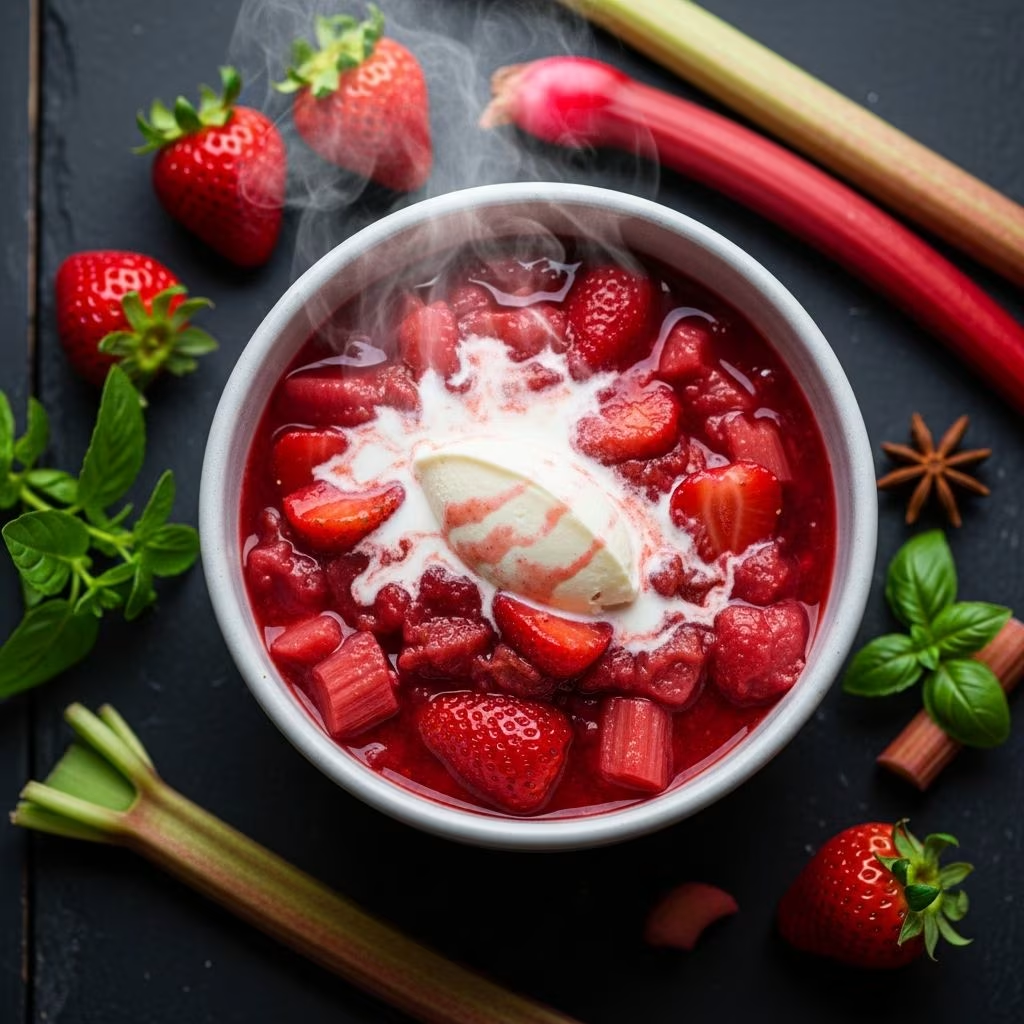
Strawberry rhubarb compote stands out as a cherished kitchen staple, blending the juicy sweetness of strawberries with the vibrant tang of rhubarb. This versatile creation requires minimal ingredients and effort, yet delivers bold flavors that elevate everyday meals and special treats alike. Whether spooned over breakfast oats or layered into desserts, its appeal lies in its simplicity and adaptability to personal tastes.
Why This Compote Captivates Home Cooks
The charm of strawberry rhubarb compote begins with its natural balance of flavors. Strawberries provide a burst of sweetness, while rhubarb contributes a crisp acidity that cuts through richness. This duo creates a compote that’s not overly sugary, allowing the true essence of the fruits to shine. Home cooks appreciate its quick preparation—often ready in under 30 minutes—and its ability to transform into myriad dishes, from toppings to fillings.
Seasonality plays a key role too. Rhubarb peaks in spring, pairing perfectly with early strawberries for a fresh, farm-to-table feel. Even out of season, frozen fruits maintain quality, making this recipe accessible year-round. Its nutritional profile adds appeal: rhubarb offers vitamins like K and C, while strawberries pack antioxidants, turning indulgence into a healthful choice.
Essential Ingredients for Success
Gathering the right components ensures a compote with ideal texture and taste. Core elements include fresh or frozen strawberries and rhubarb, a sweetener of choice, and a splash of liquid to aid cooking. Variations allow customization based on dietary needs or pantry staples.
- Strawberries: About 3 cups hulled and chopped (roughly 1-1.5 lbs). Fresh yield brighter flavor; frozen work without thawing, reducing added water.
- Rhubarb: 2-3 cups diced into 1/2-inch pieces (0.5-1 lb). Trim leaves and ends; stalks provide the signature tartness.
- Sweetener: 1/4 to 1/2 cup granulated sugar, maple syrup, or honey. Start low and adjust, as fruit ripeness varies.
- Liquid: 2 tablespoons water or lemon juice for simmering and brightness.
- Flavor boosters: Optional vanilla extract (1-2 tsp), lemon zest, or a pinch of salt to enhance depth.
Proportions can flex: equal parts fruit for balanced flavor, or more strawberries for milder tartness. Always taste midway to fine-tune sweetness.
| Variation | Sweetener Amount | Added Flavor | Best For |
|---|---|---|---|
| Classic | 1/3 cup sugar | Lemon juice | Versatile use |
| Refined Sugar-Free | 1/3 cup maple syrup | Vanilla | Health-focused |
| Extra Tart | 1/4 cup sugar | Zest + salt | Cheese pairings |
| Quick Frozen | 1/4 cup honey | None | Off-season |
Step-by-Step Preparation Guide
Creating compote is straightforward, relying on gentle heat to break down fruits into a lush sauce. Use a medium saucepan for even cooking.
- Prep fruits: Wash, hull strawberries, and chop into quarters. Dice rhubarb similarly. This ensures uniform cooking.
- Combine: In the pan, mix fruits, sweetener, liquid, and any extras. Stir to coat evenly.
- Heat up: Bring to a boil over medium heat, then reduce to low simmer. Cook 15-35 minutes, stirring occasionally. Fruits will soften, release juices, and thicken naturally as pectin activates.
- Test and adjust: After 15 minutes, taste. Add more sweetener if needed, dissolving fully. Simmer longer for thicker consistency.
- Cool: Remove from heat; stir in vanilla if using. Let cool to room temperature for serving or storage.
Thickening relies on fruit sugars—no cornstarch required. If too thin, extend simmering; mash lightly for smoother texture. Yields about 3-4 cups, ready in 20-40 minutes total.
Mastering Texture and Flavor Balance
Achieving the perfect compote means balancing tenderness with some fruit chunks. Simmering draws out rhubarb’s pectin for natural gel-like quality without additives. Watch closely: overcooking leads to mush, undercooking leaves strings.
For flavor, rhubarb’s oxalic acid demands countering sweetness. Lemon brightens, preventing dullness. Salt amplifies fruit notes subtly. Experiment: riper strawberries need less sugar; early rhubarb might require more. Cool samples before final tasting, as flavors concentrate.
Storage and Longevity Tips
Fresh compote stores easily, extending its usability. Refrigerate in airtight jars up to 2 weeks; the acidity preserves naturally. For longer, freeze in portions up to 3 months—thaw overnight in fridge.
Signs of spoilage: off odors, mold, or separation. Always use clean utensils to avoid contamination. Canning isn’t typical due to low sugar, but refrigeration suffices for home use.
Creative Ways to Enjoy Your Compote
This compote’s versatility shines in diverse applications, from sweet to savory.
- Breakfast boosts: Swirl into yogurt, oatmeal, or pancakes. Top French toast or waffles for gourmet flair.
- Dessert stars: Layer in parfaits, fill tarts, or pair with ice cream. Crumble over shortcakes.
- Baked goods: Fold into muffins, swirl in scones, or glaze cakes.
- Savory twists: Drizzle on cheese boards, grilled meats, or roasted veggies. Mix with grains for salads.
- Beverage enhancer: Stir into smoothies, cocktails, or sparkling water.
Portion ideas: 2 tbsp per yogurt serving; 1/4 cup atop desserts. Pairs excellently with cream, nuts, or herbs like mint.
Common Questions Answered
Frequently Asked Questions
Can I use frozen fruit?
Yes, frozen strawberries and rhubarb work perfectly. Skip extra water and simmer slightly longer for best results.
How do I make it thicker?
Simmer uncovered longer or mash fruits partially. Natural pectin thickens as it cools—no thickeners needed.
Is it safe for canning?
For safety, stick to refrigeration or freezing. Low-acid home canning requires tested recipes.
Vegan-friendly?
Absolutely—use maple syrup or sugar; all ingredients are plant-based.
How much sugar is ideal?
Start with 1/4 cup per 4 cups fruit; taste and add. Tartness varies by produce.
Nutritional Insights and Health Benefits
Per 1/4 cup serving (approximate): 60-80 calories, mostly from natural sugars. Rich in fiber (2-3g), vitamin C (30% DV from strawberries), and potassium. Low fat, no cholesterol. Rhubarb aids digestion; antioxidants combat inflammation. Customize with less sugar for diabetic-friendly options.
Troubleshooting Guide
Encounter issues? Here’s how to fix:
- Too tart: Stir in sugar or honey post-cook.
- Too sweet: Add lemon juice or more rhubarb next batch.
- Stringy texture: Dice finer, cook longer.
- Not thickening: High heat initially, then low simmer.
With practice, you’ll perfect this staple. Its forgiving nature suits beginners and pros alike.
Seasonal Sourcing and Sustainability
Opt for local, organic produce to maximize freshness and minimize impact. Rhubarb grows easily in gardens; strawberries thrive in pots. Frozen options reduce waste. Support sustainable farming for enduring enjoyment.
References
- Strawberry Rhubarb Compote — Mountain Mama Cooks. 2023-05-15. https://mountainmamacooks.com/strawberry-rhubarb-compote/
- Strawberry Rhubarb Compote — Evergreen Kitchen. 2024-02-20. https://evergreenkitchen.ca/strawberry-rhubarb-compote/
- Strawberry Rhubarb Compote — Beautiful Ingredient. 2023-08-10. https://beautifulingredient.com/strawberry-rhubarb-compote/
- Strawberry Rhubarb Sauce or Compote — Laylita’s Recipes. 2022-11-05. https://www.laylita.com/recipes/strawberry-rhubarb-sauce-or-compote/
- Rhubarb and Strawberry Compote — Not Hangry Anymore. 2024-01-12. https://www.nothangryanymore.com/rhubarb-and-strawberry-compote/