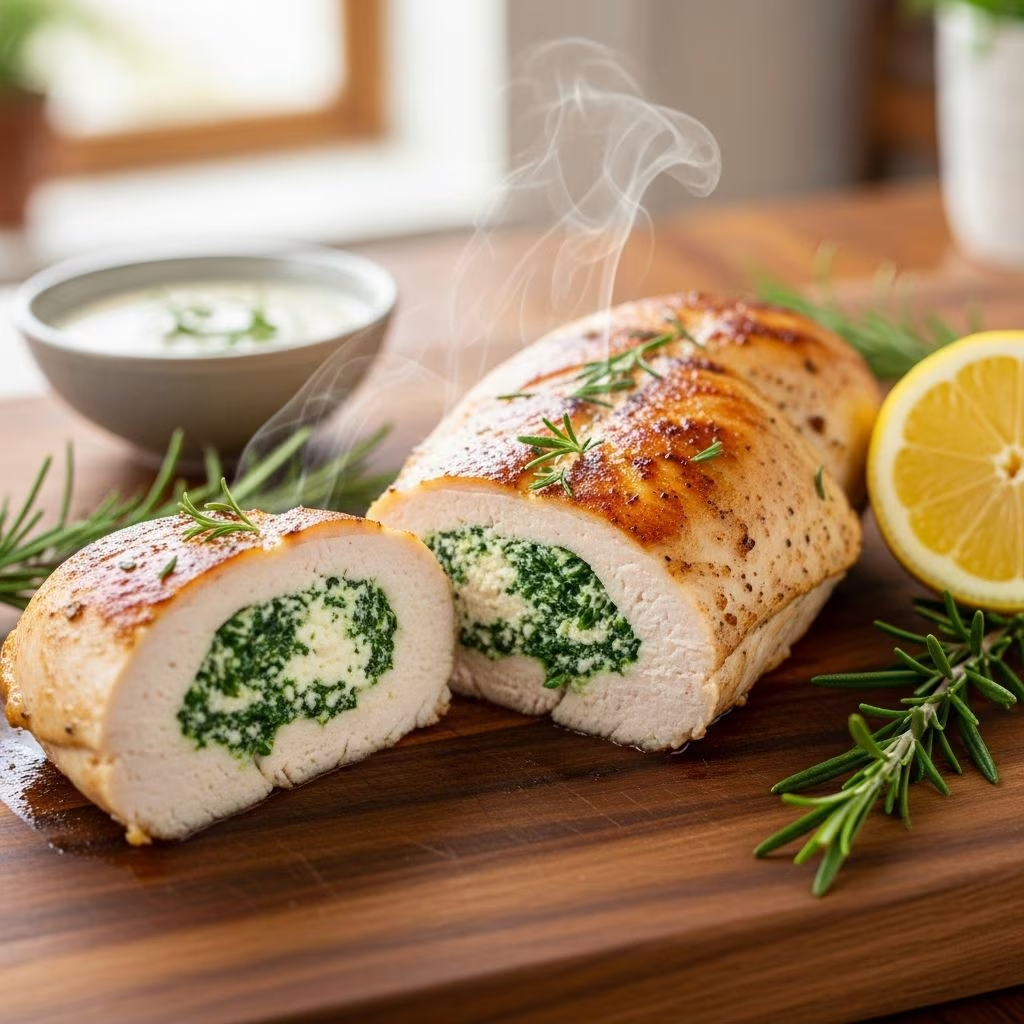
Spinach stuffed chicken breasts represent an elegant yet surprisingly accessible dinner option that combines tender poultry with nutritious leafy greens and creamy cheese fillings. This dish bridges the gap between everyday cooking and special occasion dining, offering both simplicity and sophistication on a single plate. Whether you’re preparing a weeknight meal for your family or hosting guests for dinner, understanding the fundamentals of preparing this versatile dish will elevate your culinary confidence and expand your cooking repertoire.
Understanding the Foundation: Why Spinach and Chicken Work Together
The pairing of spinach with chicken breast creates a nutritionally balanced and flavor-forward combination that appeals to various dietary preferences and health-conscious cooks. Chicken breast serves as a lean protein source that cooks quickly and absorbs complementary flavors from surrounding ingredients. Spinach contributes iron, vitamins, and minerals while its mild earthiness pairs beautifully with creamy components and aromatic seasonings.
The structural qualities of a whole chicken breast make it ideal for stuffing. Unlike thin-cut chicken cutlets that lack adequate thickness, whole breasts provide the necessary depth to create a pocket that holds filling securely without compromising the meat’s integrity. This distinction proves essential for achieving the proper presentation and ensuring the filling remains contained during cooking.
Essential Ingredients and Preparation
The Protein Base
Selecting the right chicken is foundational to success. Boneless, skinless chicken breasts work best for this preparation, as they provide easy access for creating pockets and cook evenly throughout. Choose breasts of similar thickness to ensure uniform cooking times across all pieces. If breasts vary significantly in size, consider using a meat mallet to gently pound thicker portions to match thinner areas, promoting even heat distribution and preventing dry edges with undercooked centers.
Filling Components
The filling typically combines three essential elements: a base (usually cream cheese or ricotta), vegetables (primarily spinach), and flavor enhancers (cheese, seasonings, and aromatics). The following table outlines common ingredient variations:
| Component | Primary Options | Quantity Per Breast |
|---|---|---|
| Cream Base | Cream cheese, ricotta, mascarpone | 1-1.5 oz per breast |
| Spinach | Fresh (wilted) or frozen (thawed and drained) | ½ cup per breast |
| Cheese | Parmesan, mozzarella, fontina, or blends | 2-3 tablespoons per breast |
| Aromatics | Garlic, shallots, red pepper | 1-2 teaspoons per breast |
Cream cheese provides a traditional binding agent that creates a smooth, cohesive filling while contributing richness. For Italian-inspired variations, ricotta offers a lighter alternative with slightly different textural qualities. Mayonnaise, often added in small quantities, enhances moisture and helps bind ingredients together.
Spinach Selection and Processing
Both fresh and frozen spinach work effectively, each with distinct advantages. Fresh spinach requires wilting through gentle cooking to reduce volume and eliminate excess moisture that could compromise the filling’s stability. Frozen spinach offers convenience and requires thorough thawing followed by aggressive squeezing to remove accumulated liquid—this step proves crucial for preventing a watery filling that could leak during cooking.
The moisture content determines filling integrity more than any other single factor. Excess liquid transforms the creamy filling into a watery consistency that fails to adhere to the chicken properly. Dedicate time to thoroughly removing moisture through wringing frozen spinach in a clean kitchen towel or using a fine-mesh strainer to press fresh spinach against the sides of a bowl.
Step-by-Step Preparation Technique
Creating the Pocket
Begin by laying the chicken breast flat on a clean cutting board with the thicker, fuller side facing upward. Using a sharp knife with a blade at least 3-4 inches long, position the blade horizontally along the thicker side of the breast. Insert the knife about three-quarters of the way through the meat, being careful not to cut completely through the back or sides. The goal involves creating a pocket-like cavity rather than slicing the breast into separate pieces.
This technique requires a gentle, controlled motion. Apply steady pressure with a rocking motion rather than forceful cutting. Many cooks find success by making an initial small incision and then carefully widening it by rotating and maneuvering the blade while keeping the tip stationary inside the chicken. The resulting pocket should be large enough to accommodate approximately ¼ cup of filling without bursting at the seams.
Seasoning Strategy
Apply seasoning in two phases: first to the interior of the pocket and exterior of the breast before stuffing, then strategically to the exterior after the filling is secured. This dual-application approach ensures balanced flavor distribution throughout the chicken. Common seasoning combinations include:
- Italian seasoning, garlic powder, paprika, salt, and black pepper
- Cajun-inspired: paprika, cayenne, garlic powder, onion powder, and herbs
- Mediterranean: oregano, basil, garlic, lemon zest, and red pepper flakes
- Simple classic: kosher salt, freshly ground black pepper, and garlic powder
Filling and Securing
Spoon the prepared filling directly into the chicken pocket using a small spoon or piping bag. Distribute filling evenly across the cavity without overstuffing, which could cause the pocket to burst during cooking. Approximately ¼ cup of filling per breast provides optimal coverage without overwhelming the chicken’s structure.
Securing the pocket prevents filling from escaping during the cooking process. Wooden toothpicks inserted horizontally through the opening effectively seal the pocket. Alternatively, dental floss or kitchen twine can be used to stitch the opening closed. Ensure whatever securing method you choose allows the chicken to lay flat in the cooking vessel, which proves essential for even browning during the initial searing step.
Cooking Methods and Techniques
The Sear-and-Finish Approach
The most commonly recommended technique involves searing the chicken in a skillet to develop a golden, flavorful crust before finishing in the oven. Begin by heating 1-2 tablespoons of olive oil in a large oven-safe skillet over medium-high heat until the oil shimmers but doesn’t smoke. Carefully place the stuffed chicken breasts into the hot oil, allowing them to cook undisturbed for 2-3 minutes per side until the exterior develops a golden-brown crust.
This searing step serves multiple purposes beyond creating visual appeal. The high heat triggers the Maillard reaction—a chemical process that creates complex flavors and improved browning—while sealing the exterior to help retain interior moisture. Transfer the seared chicken to a preheated 400-425°F oven and bake uncovered for 15-20 minutes until the thickest portion reaches an internal temperature of 165°F when measured with a meat thermometer.
Direct Baking Method
For simplified preparation, you may skip the searing step and bake the stuffed chicken directly in a baking dish. While this approach eliminates the flavorful crust developed through searing, it reduces overall cooking time and pan requirements. Place the seasoned, stuffed breasts in a prepared baking dish, lightly brush with olive oil, and bake at 375-400°F for 25-30 minutes until cooked through. Though less visually dramatic, this method produces tender, juicy results with minimal active cooking time.
Filling Variations for Culinary Exploration
Classic Creamy Combination
The traditional filling combines cream cheese, fresh spinach, grated Parmesan, and minced garlic. This straightforward composition allows the individual ingredient qualities to shine while creating a cohesive, complementary filling.
Mediterranean-Inspired Version
Incorporate roasted red peppers, sun-dried tomatoes, fresh basil, and fontina or feta cheese into the filling for Mediterranean flair. These ingredients introduce brighter, more assertive flavors that complement the chicken’s mild taste.
Protein-Enhanced Filling
For added depth and richness, incorporate crispy bacon pieces or crumbled sausage into the spinach mixture. These proteins introduce smoky, savory notes that elevate the overall dish complexity.
Artichoke and Spinach Combination
Combine spinach with chopped canned or fresh artichoke hearts, cream cheese, and mozzarella for a sophisticated filling. The artichoke’s subtle flavor and tender texture complement the spinach and cheese beautifully.
Troubleshooting Common Challenges
Dry Chicken Texture
Overcooking represents the primary culprit behind dry chicken. Use a reliable meat thermometer and remove the chicken from heat the moment it reaches 165°F internally. Residual heat continues cooking the meat after removal from the oven, so slightly undercooking by 2-3 degrees ensures carryover cooking completes the process without overshooting the target temperature.
Filling Leaking During Cooking
This issue typically stems from three causes: inadequate pocket sealing, overstuffing, or excess moisture in the filling. Verify that toothpicks secure the opening thoroughly and that the filling doesn’t exceed the pocket capacity. Ensure spinach has been completely dried before mixing into the filling.
Uneven Cooking
Inconsistent chicken thickness causes some areas to overcook while others remain undercooked. Use a meat mallet to pound thicker portions before stuffing, or gently flatten the entire breast to achieve uniform thickness throughout.
Serving Suggestions and Pairings
Spinach stuffed chicken breast pairs beautifully with an array of complementary side dishes. Light, vegetable-forward accompaniments such as roasted Brussels sprouts, asparagus, or green beans highlight the chicken without overwhelming the plate. Creamy sides like cauliflower puree or potato gratin provide textural contrast. For grain-based sides, consider wild rice, quinoa, or herbed couscous.
Wine pairing recommendations include dry white wines such as Pinot Grigio or Sauvignon Blanc for traditional preparations, while bolder fillings featuring Mediterranean elements pair well with light rosés or medium-bodied red wines.
Storage and Make-Ahead Strategies
Prepare the filling up to 24 hours in advance and store it covered in the refrigerator. Stuff the chicken breasts no more than 2 hours before cooking to minimize food safety concerns. Leftover cooked chicken keeps refrigerated for 3-4 days and can be reheated gently in a 325°F oven until warmed through, or incorporated into salads and grain bowls for secondary meals.
Frequently Asked Questions
Can I prepare this dish with chicken breasts that have been pounded thin?
Thin-pounded chicken cutlets lack sufficient thickness to create stable pockets. Whole breasts are essential for this preparation method.
What’s the best way to ensure even cooking?
Select breasts of similar size or pound thicker portions to match thinner ones. Use a meat thermometer to verify doneness rather than relying on cooking time alone.
Can I freeze stuffed chicken before cooking?
Yes, assemble the breasts, wrap individually in plastic wrap and foil, and freeze for up to 3 months. Cook from frozen by extending the oven time by 10-15 minutes and verifying the internal temperature reaches 165°F.
What cream cheese alternatives work well?
Ricotta, mascarpone, or even a combination of softened butter and cream work effectively as binding bases for the filling.
Conclusion: Mastering an Elegant Classic
Spinach stuffed chicken breast represents an accessible entry point into more sophisticated cooking techniques while remaining approachable for everyday preparation. By understanding the fundamental principles of proper pocket creation, thorough spinach preparation, and accurate temperature monitoring, you develop the foundation for consistent success. Experimentation with filling variations and cooking techniques personalizes the dish to your preferences while building culinary confidence.
References
- USDA Food Safety and Inspection Service – Safe Cooking Temperatures — United States Department of Agriculture. 2024. https://www.fsis.usda.gov/food-safety/safe-food-handling-and-preparation/poultry/chicken
- The Flavor Bible: The Essential Reference for More Than 500 Ingredients and 13,000 Flavor Combinations — Ewing, Karen and Riley, Gillian. Little, Brown and Company. 2008. ISBN: 978-0316118049
- FDA Food Safety Modernization Act – Temperature Guidelines — U.S. Food and Drug Administration. 2022. https://www.fda.gov/food/retail-food-protection/food-code
- Food Scientist Perspectives on Protein Cookery and Temperature Management — Myhrvold, Nathan. Modernist Cuisine. 2011. ISBN: 978-0983201006