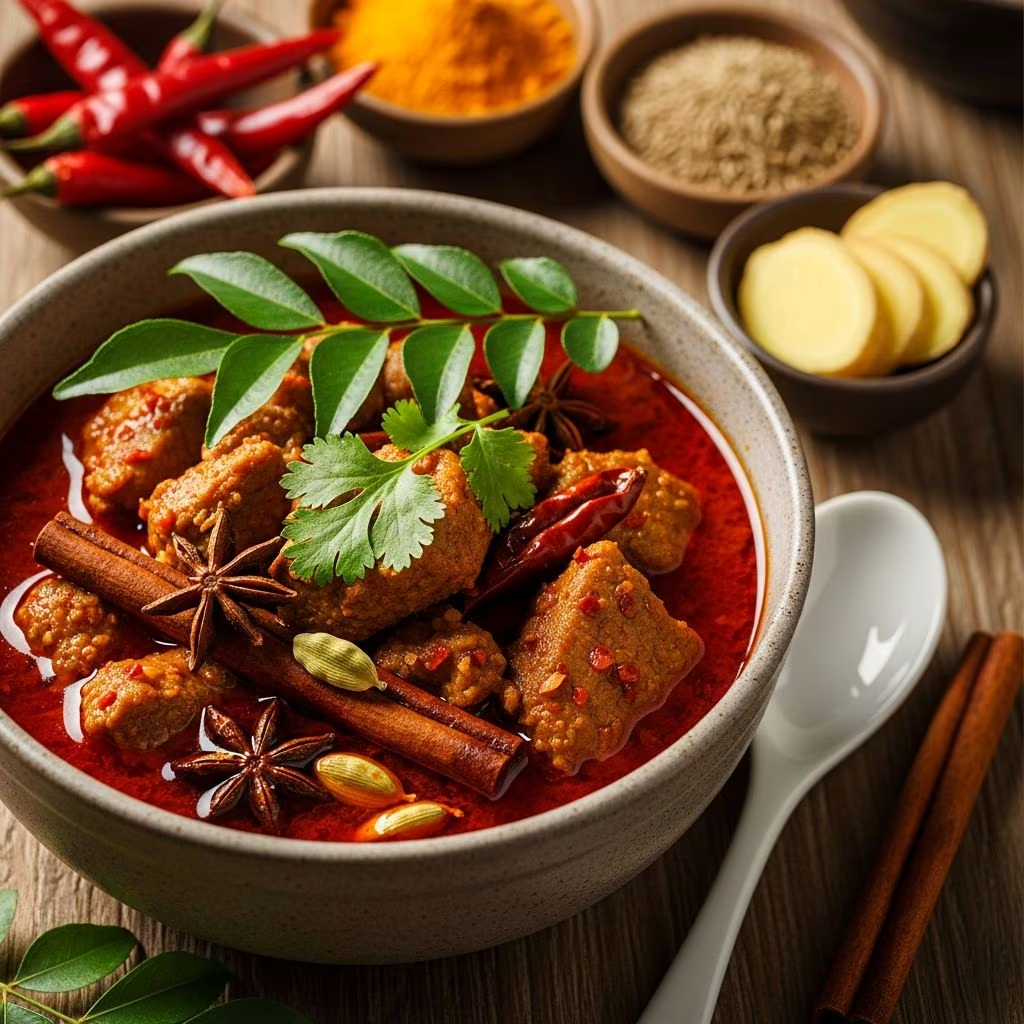
Creating an outstanding spicy pork curry at home requires understanding the balance between heat, spices, and the natural flavors of the meat. This versatile dish draws inspiration from multiple culinary traditions across Asia, each bringing its own interpretation and technique to the table. Whether you’re a novice cook exploring curry for the first time or an experienced home chef looking to refine your approach, mastering this dish opens doors to countless variations and flavor profiles.
Selecting the Right Cut of Pork
The foundation of any exceptional curry begins with choosing the appropriate pork cut. Different sections of the pig offer distinct advantages when it comes to texture, fat content, and how they respond to prolonged cooking. Understanding these differences ensures your final dish achieves the desired tenderness and flavor absorption.
Pork shoulder stands out as an ideal choice for curry preparation, offering excellent marbling that keeps the meat moist during the cooking process. The fat distributed throughout this cut breaks down gradually, enriching the sauce while preventing the meat from becoming dry. This cut typically requires extended cooking times, which actually works in your favor—the longer cooking allows the spices to penetrate deeply into the meat fibers.
Pork butt represents another excellent option, particularly when you want a more robust texture. This cut contains substantial connective tissue that transforms into gelatin during cooking, naturally thickening the curry sauce while adding body and richness. Many cooks prefer this cut specifically for its ability to absorb the robust flavors of the spice mixture.
Pork loin offers a leaner alternative for those watching fat content. While it requires careful cooking to avoid drying out, its naturally tender texture means shorter cooking times. This cut works best when you plan to serve the curry shortly after preparation rather than allowing it to develop flavors overnight.
Pork chops with bone provide an interesting middle ground, offering both flavor from the bone and the convenience of pre-cut portions. The bone contributes additional depth to the gravy, making this an increasingly popular choice among home cooks who want restaurant-quality results without extensive preparation.
Essential Spice Components and Their Roles
The character of spicy pork curry emerges from a carefully orchestrated collection of spices, each contributing distinct flavor dimensions. Rather than throwing everything together, understanding what each spice brings to the dish allows for better control and customization.
Core Heat-Providing Spices
Red chili powder delivers the primary heat component, though its intensity varies considerably depending on the specific variety used. Thai red chilies offer sharp, direct heat, while other regional varieties provide more nuanced pepper flavors alongside the spiciness. Starting with a conservative amount allows you to adjust to your preferred heat level.
Black pepper contributes a different type of heat—one that builds gradually on the palate rather than hitting immediately. Whole black peppercorns ground fresh in a mortar and pestle provide superior flavor compared to pre-ground versions, as the volatile oils remain intact.
Green chilies add a fresh, grassy dimension to the heat profile, particularly when used whole or halved. The seeds intensify the heat level, so removing them creates a milder curry while retaining the chili’s flavor complexity.
Warming and Aromatic Spices
Curry powder forms the flavor backbone of most traditional preparations, with variations ranging from light to dark roasted versions. Dark-roasted curry powder imparts deeper, more complex notes compared to lighter versions, fundamentally changing the curry’s character. The roasting level determines how prominently the spice profile appears in the final dish.
Turmeric provides earthiness and a subtle bitterness that prevents the curry from becoming one-dimensional. Beyond its flavor contribution, turmeric’s warm color helps create visually appealing dishes. Using fresh turmeric root, when available, produces more vibrant results than dried powder.
Cinnamon and cardamom introduce warmth and subtle sweetness that balance aggressive heat elements. Whole cinnamon sticks and cardamom pods release their essential oils slowly during cooking, creating a more sophisticated spice progression than pre-ground versions.
Coriander and cumin round out the spice portfolio with nutty, slightly sweet notes that harmonize all other components. These spices work best when lightly toasted before grinding, awakening their flavor potential.
Building Flavor Through Marinades
Marinating the pork before cooking represents a crucial step that distinguishes exceptional curry from merely adequate versions. The marinade accomplishes multiple objectives simultaneously—beginning the tenderizing process, infusing the meat with spice compounds, and developing complex flavor layers.
A basic marinade typically combines the dry spices with aromatics like ginger and garlic, creating a paste that coats every surface of the meat. Adding acid in the form of tamarind paste or lemon juice accelerates tenderizing while contributing distinctive tanginess to the final dish. Overnight marinading allows these elements to work thoroughly, though even a few hours produces noticeable improvements.
The traditional approach involves crushing whole spices in a mortar and pestle, then mixing them with minced or grated aromatics and a small amount of oil. This hands-on preparation ensures even distribution and allows control over the spice grind size. The resulting paste should be thick enough to coat the meat thoroughly without sliding off during the initial cooking stages.
Aromatics: Building the Flavor Foundation
Beyond the spices themselves, aromatics create the olfactory environment in which all other flavors develop. These ingredients—onions, garlic, ginger, and fresh herbs—form the aromatic base supporting the entire dish.
Onions provide a sweet, subtle foundation that becomes almost invisible when properly cooked, serving as a flavor amplifier for other components. Cooking them until translucent breaks down their structure and releases natural sugars that balance spice intensity.
Garlic and ginger contribute sharp, pungent notes that add complexity and prevent the curry from becoming flat-tasting. Fresh ginger offers brighter flavor than dried powder, while fresh garlic cloves minced immediately before cooking provide superior results compared to prepared garlic. The combination creates a dynamic base that supports rather than overwhelms the pork’s natural flavors.
Curry leaves, lemongrass, and pandan leaves introduce regional authenticity and subtle herbaceous notes that distinguish different curry traditions. These ingredients are typically added toward the beginning of cooking, allowing their flavors to develop gradually throughout the process.
Bay leaves and cinnamon sticks provide subtle background notes that add sophistication without announcing themselves loudly. These ingredients work best when left whole, allowing their flavors to permeate the sauce gradually.
Cooking Methodology and Timing
The cooking process follows a logical progression designed to build flavor systematically while ensuring the pork reaches optimal tenderness.
Initial Aromatics Phase
Begin by heating oil in a heavy-bottomed pot over medium heat until shimmering but not smoking. Add whole spices like bay leaves, cinnamon sticks, and cardamom pods, allowing them to toast for 30 seconds. This brief toasting releases essential oils and awakens their flavors without burning them. Add chopped onions and cook until they become translucent and begin releasing their natural sugars—approximately 3 to 4 minutes.
Spice Paste Integration
Introduce the marinated pork along with minced garlic and ginger, stirring constantly for 2 to 3 minutes. This stage coats all meat surfaces with the spice mixture while the heat begins breaking down the marinade’s components. The mixture should become fragrant and slightly darkened from the initial cooking.
Sauce Development
Add sliced green chilies and continue stirring for another 30 seconds before introducing the liquid components. The sauce typically consists of water combined with coconut milk, creating a rich base that carries flavors while keeping the pork moist. Starting with a smaller quantity of liquid and adding more as needed prevents the curry from becoming soup-like while allowing you to adjust consistency based on your preferences.
Slow Cooking Phase
Reduce heat to low, cover the pot partially, and allow the curry to simmer gently for 30 to 45 minutes, depending on the pork cut and size of the pieces. Smaller cubes cook faster than larger chunks, but the extended cooking time allows spices to permeate the meat deeply. The curry should maintain an occasional bubble at the surface rather than a rolling boil, which can toughen the pork.
Flavor Adjustments and Customization
Every palate differs regarding heat tolerance, spice preferences, and desired flavor intensity. Making adjustments during cooking rather than after service allows for optimal results.
- Heat Level: Add additional chili powder or fresh chilies incrementally, tasting between additions. Remember that heat intensifies as the curry simmers, so conservative initial additions allow for safer adjustments.
- Tanginess: Increase or decrease tamarind paste and lemon juice based on preference. More acid brightens the dish and cuts through richness, while less acid allows spice flavors to dominate.
- Richness: Additional coconut milk creates creamier texture and softer spice profiles, while reducing it produces more assertive, concentrated flavors.
- Salt Balance: Add salt gradually near the end of cooking, as reducing the sauce concentrates all flavors including salt. Tasting frequently prevents over-salting.
Regional Variations in Approach
Different culinary traditions prepare spicy pork curry with distinct methodologies and ingredient priorities, each reflecting regional ingredient availability and cultural preferences.
| Regional Style | Key Characteristics | Distinctive Ingredients |
|---|---|---|
| Sri Lankan | Dark, robust flavors with prominent heat and aromatic complexity | Dark roasted curry powder, tamarind paste, Malabar tamarind, black pepper |
| Indian | Balanced spice profiles with emphasis on warming aromatics | Turmeric, garam masala, coriander, fennel seeds |
| Trinidadian | Green herb-based marinades with allspice emphasis | Cilantro, allspice, green onions, thyme |
| Goan | Sweet-spicy combination with tamarind tanginess | Tamarind paste, raisins, cumin, mustard seeds |
Serving Suggestions and Accompaniments
The curry’s success extends beyond the pot—thoughtful serving choices amplify enjoyment and create balanced meals. Steamed jasmine rice provides a neutral canvas allowing curry flavors to shine, while fragrant basmati rice offers subtle background notes that complement spice profiles. Indian flatbreads like naan or roti offer textural contrast while their slight sweetness balances curry heat.
Fresh garnishes applied just before serving brighten the dish visually while adding fresh flavor notes that cut through richness. Chopped cilantro offers herbaceous freshness, while a lime wedge squeezed over individual servings adds final brightness that prevents the dish from becoming heavy.
Make-Ahead Preparation and Storage
Spicy pork curry develops deeper, more integrated flavors when made a day or two in advance, as the spices continue permeating the meat during storage. Cool the curry completely before refrigerating in airtight containers where it keeps safely for up to four days. Reheating gently over low heat prevents the meat from toughening while allowing flavors to reactivate.
The curry also freezes successfully for up to three months, making it ideal for batch cooking. Thaw overnight in the refrigerator and reheat gently, adding a small amount of water if the sauce has thickened during freezing.
Frequently Asked Questions
Can I use a pressure cooker for faster results?
Yes, pressure cookers significantly reduce cooking time while producing similarly tender results. Cook the marinated pork at high pressure for 8 to 12 minutes depending on the cut size, then naturally release pressure for 10 minutes before opening. The shorter cooking time means slightly less flavor integration, so consider marinating longer or adjusting spice quantities upward.
What if I don’t have tamarind paste?
Substitute with lemon juice or lime juice in approximately equal proportions, adjusting to taste. The acid provides tanginess, though tamarind’s unique depth remains irreplaceable. Vinegar offers another alternative, though its sharpness differs from tamarind’s complexity.
How do I make the curry less spicy?
Reduce chili powder and fresh chilies in the initial preparation, increase coconut milk to dilute spice intensity, and include more onions which provide natural sweetness that balances heat. Adding yogurt or a small amount of sugar also tempers excessive spiciness.
Can I substitute pork with another protein?
Chicken, beef, or lamb all work in this curry recipe, though cooking times vary. Chicken requires 15 to 20 minutes, while beef benefits from 45 to 60 minutes. Adjust cooking times based on your chosen protein’s natural tenderness.
References
- Sri Lankan Spicy Pork Curry – ThePerfectCurry — The Perfect Curry. 2022-01-15. https://theperfectcurry.com/2022/01/15/sri-lankan-spicy-pork-curry/
- Spicy Sri Lankan Black Pork Curry – The Flavor Bender — The Flavor Bender. https://www.theflavorbender.com/spicy-sri-lankan-black-pork-curry/
- Spicy Pork Curry – Kitchen Simmer — Kitchen Simmer. 2024-01-01. http://www.kitchensimmer.com/2024/01/spicy-pork-curry.html
- Indian Pork Curry – Nish Kitchen — Nish Kitchen. https://nishkitchen.com/indian-pork-curry/
- Trinidadian Pork Curry Recipe – The Spice House — The Spice House. https://www.thespicehouse.com/blogs/recipes/trinidadian-pork-curry-recipe
- Pork Curry Recipe (Keralan Pandi) – A Mummy Too — A Mummy Too. https://www.amummytoo.co.uk/keralan-pandi-coconut-pork-curry/
- Pork Veenjaali (Indian style Pork Curry) – The Spice Adventuress — The Spice Adventuress. 2014-07-16. https://thespiceadventuress.com/2014/07/16/pork-veenjaali-indian-style-pork-curry-with-a-sweet-spicy-aromatic-marinade/